The Rwandan automotive market has long faced a persistent challenge that frustrates buyers and complicates decision-making: pricing opacity. Unlike many developed markets where vehicle prices are readily accessible and standardized, Rwanda’s car buyers have historically navigated a landscape where costs vary wildly between dealers, negotiations feel arbitrary, and comparing options requires exhausting legwork across multiple showrooms. This information asymmetry puts consumers at a disadvantage, making it difficult to budget accurately or ensure they’re getting fair value.
That reality is changing. The recent launch of koto.rw represents a significant milestone in Rwanda’s automotive evolution, introducing a level of transparency that empowers buyers with the information they need to make confident, informed decisions. As part of the broader AfriCar Group ecosystem—which includes the established AUTO24.rw platform—KOTO.RW signals a commitment to transforming how Rwandans research, compare, and ultimately purchase vehicles.
Understanding KOTO.RW: What It Offers Rwandan Car Buyers
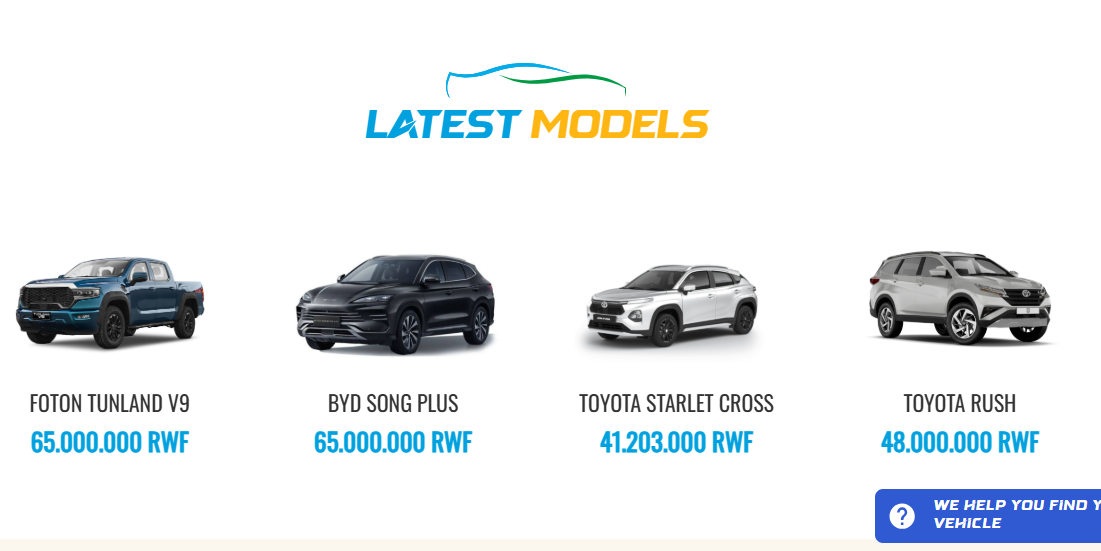
KOTO.RW enters the market with a clear value proposition: providing accessible, reliable pricing information that removes guesswork from the car buying process. The platform serves as a comprehensive resource where prospective buyers can research vehicle specifications, compare models across different brands, and most importantly, understand what they should expect to pay.
This transparency extends beyond simply listing prices. The platform provides context that helps buyers understand value—specifications that justify pricing differences, feature comparisons that highlight what you get at various price points, and market insights that reveal whether a particular deal represents genuine value or inflated markup.
For a market where many buyers make one of their largest financial decisions with limited reliable information, this resource fills a critical gap. Rather than relying solely on dealer claims or fragmented information from informal sources, buyers can now conduct thorough research from the convenience of their homes or offices, arriving at dealerships educated and prepared to negotiate from positions of knowledge.
The integration with AUTO24.rw creates a complementary ecosystem. While auto24.rw focuses on connecting buyers with quality used vehicles through transparent listings and detailed vehicle information, KOTO.RW extends this transparency philosophy to new vehicles and broader market pricing insights. Together, these platforms address different aspects of the car buying journey while maintaining consistent commitments to customer empowerment through information access.
The AfriCar Group Vision: Strengthening Rwanda’s Automotive Value Chain
KOTO.RW’s launch isn’t an isolated initiative—it reflects the broader AfriCar Group strategy of building comprehensive automotive ecosystems that serve customers throughout their vehicle ownership journeys. This holistic approach recognizes that car buying represents just one touchpoint in a longer relationship between consumers and the automotive industry.
The AfriCar Group ecosystem encompasses multiple dimensions of vehicle ownership: initial research and pricing transparency through KOTO.RW, vehicle acquisition through platforms like AUTO24.rw, ongoing maintenance and service support, parts availability, financing options, and eventually, vehicle resale when owners decide to upgrade. By addressing each stage of this cycle, the group creates value that compounds over time, building customer trust through consistent, reliable service.
This ecosystem approach particularly benefits Rwanda’s developing automotive market. In more mature markets, consumers can rely on decades of established infrastructure, competitive dynamics that naturally drive transparency, and regulatory frameworks that protect buyer interests. Rwanda’s market, while rapidly evolving, still requires intentional efforts to build these foundations. AfriCar Group’s integrated approach accelerates this development, bringing international best practices to the Rwandan context.
The emphasis on transparency deserves particular attention. Markets function most efficiently when all participants have access to reliable information. When buyers understand fair pricing, dealers compete on service quality and value-added features rather than information asymmetry. This competitive dynamic ultimately benefits everyone—consumers get better deals and experiences, while dealers who genuinely offer superior value can differentiate themselves based on merit rather than marketing alone.
How KOTO.RW Changes the Car Buying Experience in Kigali
For practical illustration, consider the traditional car buying journey in Kigali before platforms like KOTO.RW existed. A prospective buyer interested in purchasing, say, a Toyota RAV4 or Volkswagen Tiguan would need to physically visit multiple dealerships, endure sales presentations, and attempt to extract pricing information that dealers might be reluctant to provide upfront. Comparing options requires keeping mental notes or handwritten records across visits spread over days or weeks. Understanding whether a quoted price represents good value or excessive markup demands either prior expertise or acceptance of uncertainty.
Now, that same buyer can access KOTO.RW from any internet-connected device. Within minutes, they can compare specifications, features, and pricing across multiple models and brands. They can research which features justify price differences, understand what the market considers fair value, and identify which dealerships offer the most competitive terms. Armed with this knowledge, they can strategically plan dealership visits, ask informed questions, and negotiate from positions of strength.
This transformation extends beyond individual convenience—it elevates the entire market. When buyers arrive educated, dealers must respond with genuine value propositions rather than relying on information advantages. Sales conversations shift from persuasion-focused pitches to consultative discussions about matching vehicles to actual buyer needs. This evolution benefits serious buyers while challenging dealers who relied on opacity rather than authentic value delivery.
The platform particularly helps first-time car buyers who lack the experience to recognize fair pricing or identify red flags in dealer presentations. KOTO.RW essentially provides instant automotive market literacy, compressing months of learning into accessible digital resources. For a country where vehicle ownership continues expanding as economic prosperity grows, this democratization of information supports healthier market development.
Practical Applications: Using KOTO.RW for Smarter Vehicle Purchases
Maximizing KOTO.RW’s value requires understanding how to integrate it into your car buying process strategically. The platform works best as the foundation of informed decision-making rather than a final authority that eliminates the need for personal judgment.
Start your research early. Before you’ve emotionally committed to any particular vehicle, use KOTO.RW to explore what’s available within your budget. You might discover models you hadn’t considered that offer superior value, or realize that your dream vehicle requires budget adjustments to afford comfortably. Early research prevents the disappointment of falling in love with something financially impractical.
Compare comprehensively across brands. Don’t limit research to a single brand based on assumptions or preferences. KOTO.RW enables easy cross-brand comparison—you might find that a Kia Sportage offers similar features to a Toyota RAV4 at a more accessible price point, or that a Nissan X-Trail includes technology features that competitors charge extra for. Comprehensive comparison ensures you’re choosing based on actual value rather than brand loyalty alone.
Understand what drives pricing differences. When you see significant price variations between similar vehicles, dig into specifications to understand why. Sometimes higher prices reflect genuinely superior features, better warranties, or included services. Other times, they represent brand premium without corresponding value differences. KOTO.RW provides the data to make these distinctions.
Verify dealership pricing against platform information. When you visit dealerships, use KOTO.RW insights as negotiation anchors. If a dealer quotes significantly above platform-indicated pricing without explaining added value, you can negotiate more effectively or choose to shop elsewhere. Conversely, if pricing aligns with KOTO.RW data, you can proceed with confidence that you’re getting fair market value.
Consider total ownership costs beyond purchase price. While KOTO.RW focuses primarily on acquisition costs, use the platform’s information as a starting point for calculating total ownership expenses. Research fuel efficiency, typical maintenance costs for specific models, insurance rates, and resale values. The cheapest purchase price doesn’t always represent the best long-term value.
For those interested in exploring Rwanda’s expanding sustainable transportation options alongside traditional vehicles, EV24.africa specializes in electric vehicle imports, offering environmentally conscious alternatives that complement the conventional options featured on platforms like KOTO.RW. As Rwanda continues pursuing green development goals, electric vehicles represent an increasingly viable choice for forward-thinking buyers.
The Broader Impact: How Transparency Benefits Rwanda’s Automotive Market
KOTO.RW’s launch carries implications beyond individual buyer convenience, potentially catalyzing positive changes throughout Rwanda’s automotive ecosystem. Markets thrive on trust, efficiency, and fair competition—all elements that transparency directly supports.
Enhanced consumer confidence represents the most immediate impact. When buyers trust that they understand pricing and can identify fair deals, they’re more willing to complete purchases rather than delaying from fear of making mistakes. This confidence accelerates market activity, benefiting dealerships through increased sales volumes while helping more Rwandans access the mobility that vehicles provide.
Improved dealer accountability emerges as competitive dynamics shift. Dealerships can no longer rely on customers’ lack of information to justify inflated margins. Those offering genuine value, superior service, or specialized expertise can differentiate themselves and earn customer loyalty. Meanwhile, dealers who previously competed primarily on persuasiveness rather than value face pressure to improve or risk losing market share to more transparent competitors.
Market efficiency improvements occur as information friction decreases. Buyers spend less time conducting exhausting research, dealers spend less effort on customers who ultimately weren’t serious or couldn’t afford their vehicles, and transactions complete faster when both parties operate from shared understanding of fair value. This efficiency benefits the entire economy, as resources previously consumed by inefficient automotive transactions get redirected to more productive uses.
Foreign investment attraction becomes easier when Rwanda demonstrates modern, transparent market structures. International automotive brands evaluating Rwanda as a potential market look favorably on transparent ecosystems where their products can compete fairly based on merit. This could accelerate the entry of additional brands and models, further expanding consumer choice.
Consumer education advancement happens almost incidentally as more Rwandans engage with platforms like KOTO.RW. Users learn about vehicle specifications, understand what features matter, and develop appreciation for quality differences that justify pricing variations. This educated consumer base elevates market sophistication over time, pushing the entire industry toward higher standards.
For comprehensive automotive news, expert reviews, and practical driving advice tailored specifically to Rwanda’s unique conditions and market dynamics, automag.rw provides regularly updated content that complements the pricing transparency KOTO.RW delivers with broader industry insights and vehicle expertise.
Challenges and Opportunities Ahead
While KOTO.RW’s launch represents significant progress, honest assessment acknowledges challenges that remain in transforming Rwanda’s automotive market toward full transparency and efficiency.
Pricing accuracy maintenance requires constant effort. Vehicle prices fluctuate based on import costs, currency exchange rates, dealer inventory levels, and seasonal demand patterns. Keeping platform information current demands robust data collection processes and dealer cooperation in sharing accurate pricing. Any significant lag between platform prices and actual dealership costs undermines user trust and platform credibility.
Dealer adoption and cooperation isn’t guaranteed. Some dealers may resist transparency that reduces their negotiating advantages. Convincing the entire market to embrace transparent practices requires demonstrating that the benefits—increased customer confidence, higher sales volumes, stronger reputation—outweigh the short-term advantages of information asymmetry. This cultural shift takes time and sustained effort.
Rural market coverage presents logistical challenges. While KOTO.RW serves Kigali-based buyers effectively, extending comprehensive pricing coverage to dealerships in secondary cities and rural areas requires additional infrastructure investment and relationship building. Ensuring platform relevance for Rwanda’s entire geography, not just the capital, remains an ongoing opportunity.
Used vehicle market integration represents substantial opportunity. While AUTO24.rw addresses used vehicles directly, integrating that market’s pricing transparency more deeply with KOTO.RW’s new vehicle focus could provide buyers with comprehensive understanding of both options. Many buyers cross-shop new and used vehicles, and seamless comparison across both categories would enhance decision-making quality.
Financing transparency extension could follow pricing transparency. Vehicle pricing represents only one component of affordability—financing terms, interest rates, and down payment requirements significantly impact actual buyer capacity. Expanding the transparency model to include financing options and comparisons would further empower consumers to understand total ownership costs accurately.
Technology integration opportunities abound as digital capabilities expand. Features like virtual showrooms, augmented reality vehicle visualization, financing calculators integrated with real-time pricing, and direct dealer communication channels could evolve KOTO.RW from an information resource into a comprehensive digital buying platform that streamlines the entire purchase process.
The Future of Car Buying in Rwanda
KOTO.RW’s emergence signals where Rwanda’s automotive market is heading: toward digital-first experiences, information transparency, customer empowerment, and competitive dynamics based on genuine value delivery rather than information advantages or persuasive sales tactics alone.
This evolution aligns with broader trends transforming global automotive retail. Buyers worldwide increasingly expect comprehensive online research capabilities, transparent pricing, and streamlined purchasing processes that respect their time and intelligence. Rwanda’s adoption of these expectations, facilitated by platforms like KOTO.RW and AUTO24.rw, demonstrates the country’s commitment to international best practices while adapting them to local market conditions.
For consumers, this future promises less stressful, more efficient, and ultimately more satisfying car buying experiences. The anxiety traditionally associated with automotive purchases—fear of overpaying, uncertainty about whether you’re getting good value, pressure from sales tactics—diminishes when you possess reliable information and understand market dynamics. Car buying can become what it should be: a positive milestone celebrating increased mobility and opportunity rather than a source of stress and second-guessing.
For Rwanda’s automotive industry, this transparency-driven future demands adaptation but offers substantial rewards. Dealerships that embrace consultative selling, compete on service excellence, and deliver authentic value will thrive as customer loyalty strengthens when built on trust rather than information asymmetry. The industry overall benefits from increased market activity as consumer confidence grows and more Rwandans feel comfortable making vehicle purchases.
The broader economic implications shouldn’t be overlooked. Improved mobility through increased vehicle ownership supports economic productivity, enables business development in areas with limited public transportation, and enhances quality of life for families who gain independence and flexibility that vehicles provide. By making car buying more transparent and accessible, platforms like KOTO.RW indirectly support Rwanda’s continued economic development and prosperity.
Taking Action: Your Next Steps as a Rwandan Car Buyer
If you’re currently considering purchasing a vehicle in Rwanda, KOTO.RW offers an excellent starting point for your research journey. Visit the platform to explore what’s available, understand pricing across different brands and models, and begin developing informed perspectives on which vehicles might best match your needs and budget.
Combine KOTO.RW research with AUTO24.rw if you’re considering used vehicles, comparing the cost savings of pre-owned options against the warranties and latest features that new vehicles offer. Calculate total ownership costs including fuel, insurance, and maintenance to understand which choice makes most financial sense for your specific situation.
Don’t rush the process. The information accessibility that KOTO.RW provides means you can research thoroughly without the time pressure of dealership visits. Take advantage of this flexibility to make genuinely informed decisions rather than emotionally driven purchases you might later regret.
When you do visit dealerships, approach conversations as informed negotiations rather than one-sided sales presentations. Your KOTO.RW research provides leverage and confidence. Ask questions about specific features, request justification for pricing that differs from platform information, and don’t hesitate to walk away if something feels wrong. The market offers numerous options, and you deserve a deal that feels fair and satisfying.
Most importantly, recognize that platforms like KOTO.RW work best when users engage actively and share experiences. If you find pricing discrepancies, provide feedback. If you have positive or negative dealership experiences, share them with others. The more Rwandan car buyers participate in these transparency-focused ecosystems, the more effective they become at serving everyone’s interests.
Conclusion: Progress Worth Celebrating, Journey Worth Continuing
The launch of KOTO.RW marks meaningful progress in Rwanda’s automotive market development. It demonstrates that transparency, customer empowerment, and modern digital experiences aren’t reserved for developed markets—they’re achievable in Rwanda right now through intentional effort and commitment to serving consumers’ genuine interests.
As part of the AfriCar Group ecosystem alongside AUTO24.rw, these initiatives collectively strengthen Rwanda’s automotive value chain, making vehicle ownership more accessible, less stressful, and ultimately more rewarding for thousands of Rwandan families and businesses. The progress reflected “on the ground” isn’t just digital—it’s transforming real experiences for real people making important financial decisions.
Yet this progress represents a beginning rather than a conclusion. The journey toward fully transparent, efficient, customer-focused automotive markets continues. It requires ongoing effort from platform operators, cooperation from dealerships, engagement from consumers, and supportive regulatory environments that encourage rather than hinder transparency.
For Rwandan car buyers, the message is clear: you now have access to tools and information that previous generations lacked. Use them wisely, share your experiences to benefit others, and hold the automotive industry accountable to the higher standards that transparency enables. The future of car buying in Rwanda looks considerably brighter than its past—thanks in large part to initiatives like KOTO.RW that put information, power, and choice where they belong: in customers’ hands.
SEO Tags: KOTO.RW Rwanda, car pricing Rwanda, buy car Kigali, AUTO24 Rwanda, transparent car buying, AfriCar Group Rwanda