Negotiating the price of a car can be intimidating—especially if it’s your first time navigating Rwanda’s automotive market. But whether you’re a buyer or a seller, effective negotiation can make the difference between overpaying and walking away with a great deal.
Rwanda’s car market is growing rapidly, and platforms like auto24.rw have made it easier than ever to connect buyers and sellers. However, success still depends on preparation, communication, and strategy.
In this comprehensive guide, we’ll walk you through practical negotiation tips tailored for Rwanda, helping you secure the best deal confidently.
Why Negotiation Matters in Rwanda’s Car Market
Negotiation is more than just haggling over the price—it’s about understanding the value of the car, the current market conditions, and how to build trust between buyer and seller.
In Rwanda, used cars dominate the market. Many buyers aim for affordability and reliability, while sellers want fair compensation for their vehicles. A smart negotiation ensures both sides leave satisfied.
Key reasons why negotiation matters:
- Fair pricing: Protects buyers from overpaying and ensures sellers get value.
- Trust building: Transparent negotiation fosters smooth transactions.
- Market dynamics: Pricing can vary widely depending on model, year, mileage, and condition.
Step 1: Do Your Research Before Negotiating
Knowledge is your most powerful tool in negotiation.
For Buyers:
- Check current market prices on auto24.rw. Look at similar cars—like Toyota Corolla, Toyota RAV4, or Suzuki Swift—to understand pricing trends.
- Know the average cost for different model years and mileage levels.
- Read online car reviews on automag.rw to learn about reliability and common issues.
For Sellers:
- Review current listings to price your car competitively.
- Keep records of service and maintenance history to justify your asking price.
- Understand seasonal demand (e.g., SUVs often sell faster during rainy seasons).
📌 Tip: A well-researched buyer or seller has a stronger position at the negotiation table.
Step 2: Prepare the Car to Strengthen Your Position
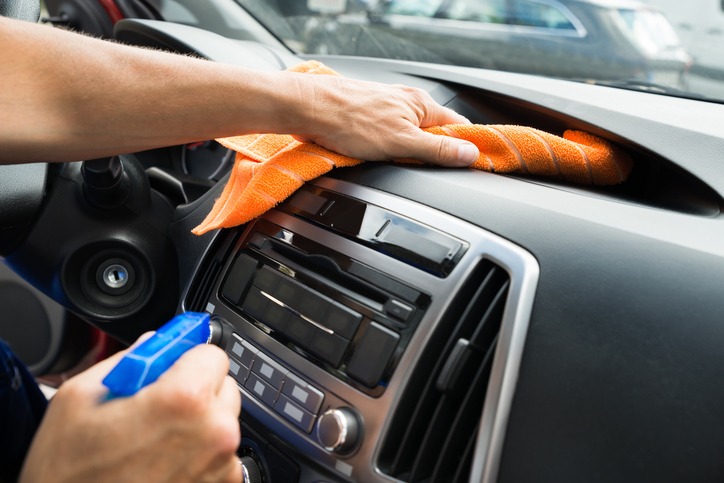
Presentation can significantly influence negotiation. A clean, well-maintained car looks more valuable and gives the seller more leverage.
For Sellers:
- Wash and wax the car to make it visually appealing.
- Fix minor issues like lights, wipers, or scratches.
- Have all documentation ready (logbook, service records, roadworthiness certificate).
For Buyers:
- Inspect the car thoroughly or bring a trusted mechanic.
- Check for any signs of wear, leaks, or potential repair costs.
- Use your findings to negotiate a fair price.
👉 Read more here on how to prepare your vehicle for sale for maximum impact.
Step 3: Understand the Car’s True Value
Every negotiation should be grounded in realistic pricing.
Factors that influence the value of a car in Rwanda include:
- Make and model
- Mileage
- Year of manufacture
- Condition (both mechanical and cosmetic)
- Fuel type (interest in hybrids and EVs is growing)
Checking pricing trends on auto24.rw gives both buyers and sellers a clear starting point.
💬 Example: A well-maintained Toyota RAV4 may command a higher price than a smaller hatchback due to strong demand in Rwanda’s hilly terrain.
Step 4: Build Trust and Start the Conversation Right
Negotiation isn’t a fight—it’s a conversation. Establishing trust early makes the process smoother.
- Be respectful and polite, even if you disagree on price.
- If you’re a seller, be honest about the car’s condition.
- If you’re a buyer, show genuine interest without appearing desperate.
This creates a cooperative atmosphere where both sides feel heard.
Step 5: Make a Reasonable Offer or Counteroffer
This is where the actual negotiation happens.
For Buyers:
- Start slightly below your maximum budget.
- Use data from market research to justify your offer.
- Be willing to walk away if the price isn’t fair.
For Sellers:
- Set a price slightly above your minimum acceptable figure.
- Highlight the car’s strengths (e.g., recent maintenance, low mileage).
- Stay calm if the buyer negotiates aggressively.
📈 A successful negotiation ends with both parties feeling they’ve gained something.
Step 6: Time Your Negotiation Strategically
Timing can affect the outcome of a deal.
- For buyers: Negotiating at the end of the month or during low-demand periods can give you leverage.
- For sellers: Listing your car when demand is high (e.g., holiday seasons or start of school terms) can help you get better offers.
In Rwanda, SUVs like the Toyota Prado and RAV4 tend to sell faster during wet seasons, while compact cars do well in urban areas year-round.
Step 7: Document Everything Clearly
After reaching an agreement, make sure everything is written down to avoid misunderstandings later.
Key Documents:
- Bill of sale
- Transfer of ownership form
- Copy of identification for both parties
- Payment receipt
This ensures the deal is legally binding and transparent.
Step 8: Consider Electric and Hybrid Options
Even if you’re negotiating for a petrol or diesel car, Rwanda is gradually embracing greener mobility.
For those interested in exploring sustainable options, EV24.africa offers import services for electric vehicles. Including EV options in negotiations can attract environmentally conscious buyers and expand your pool of potential offers.
Step 9: Avoid Common Negotiation Mistakes
Even experienced buyers and sellers can make errors that cost them money.
Mistakes to Avoid:
- Showing too much excitement too early.
- Accepting the first offer without countering.
- Failing to do proper research.
- Rushing the process to “get it over with.”
A calm and informed approach yields better deals.
Step 10: Close the Deal Securely
When it’s time to finalize the sale:
- Meet in a safe, public location.
- Verify all documents carefully.
- Transfer payment securely—preferably through traceable methods.
- Complete all legal steps promptly to avoid liability.
Both buyer and seller should keep copies of all signed documents.
Frequently Asked Questions (FAQs)
1. What’s the best way to check car prices in Rwanda?
Platforms like auto24.rw list hundreds of cars, giving a clear picture of current market values.
2. How much should I negotiate off the asking price?
Typically, 5–10% is a reasonable starting point, depending on the car’s condition and demand.
3. What if the seller refuses to lower the price?
If the price isn’t fair, be willing to walk away. There are always other options in the market.
4. How can sellers make their cars more attractive to buyers?
A clean car, clear documentation, and minor repairs can make a big difference.
5. Can I negotiate for electric vehicles too?
Yes, and with platforms like EV24.africa, you can explore competitive import options.
6. Is it safe to negotiate online?
Yes, if you use trusted platforms like auto24.rw and follow security best practices.
Conclusion
Negotiating the best deal when buying or selling a car in Rwanda doesn’t have to be stressful. With solid research, good communication, and a clear understanding of the market, you can confidently secure a fair price.
For more tips on vehicle ownership, car care, and driving in Rwanda, visit automag.rw. And when you’re ready to list or find your dream car, platforms like auto24.rw make the process smoother.
If you’re exploring greener mobility, don’t forget to check out EV24.africa for electric vehicle options.