Rwanda’s vehicle inspection rules are straightforward but essential for road safety and compliance. Every vehicle operating on public roads must undergo regular inspections to meet safety and emissions standards. Failing to comply can lead to fines, impoundment, or legal issues. Here’s what you need to know:
- Who needs inspections? All vehicles, including personal, commercial, and motorcycles. Exceptions include brand-new vehicles (first two years), fully electric vehicles (no emissions testing), and international vehicles staying under three months.
- Key requirements: Valid documents (ID, driver’s license, insurance, logbook), proof of payment, and no outstanding traffic fines.
- How often? Personal vehicles: annually. Commercial vehicles: every six months.
- Fees: Vary by vehicle type; re-inspection within 14 days costs 20% of the original fee.
- Common failures: Brakes, lights, emissions, tires, and fluid levels.
Prepare by booking through IremboGov, addressing maintenance issues, and keeping documents ready. Regular inspections ensure safer roads, fewer breakdowns, and compliance with Rwandan law.
Rwanda’s Vehicle Inspection Regulations
Legal Framework and Authorities
Rwanda has established a robust system for vehicle inspections, aimed at promoting road safety and reducing environmental impact. The Road Traffic Act is the cornerstone of these regulations, outlining the mandatory steps every vehicle owner must follow to legally operate their vehicle on Rwandan roads.
The Rwanda National Police (RNP) plays a central role in enforcing these rules. They handle everything from scheduling appointments and conducting inspections at Motor Vehicle Inspection Centers to issuing inspection certificates (commonly known as vignettes) and overseeing follow-up checks for vehicles that fail initial inspections. These responsibilities ensure that vehicle owners adhere to the required procedures.
To make the process easier, the RNP has embraced digital solutions. Since November 2025, services like booking inspection appointments, paying deposits for company vehicles, and requesting duplicate inspection certificates can all be done through the IremboGov platform.
"Rwanda National Police will send you a notice a month before the due date via SMS provided your contact details are current."
The Ministry of Infrastructure works alongside the RNP, providing the legal framework and managing road safety programs that make vehicle inspections mandatory. Additionally, the RNP ensures that outstanding traffic fines are cleared before an inspection appointment can be scheduled, keeping the process organized and fair.
These regulations clearly define which vehicles are subject to inspection and establish the procedures for compliance.
Vehicles That Need Inspection
In Rwanda, all vehicles operating on public roads must undergo regular inspections, including checks for emissions. This applies to both private and commercial vehicles.
The categories of vehicles that must comply include:
- Passenger vehicles with up to 8 seats (excluding the driver)
- Passenger vehicles with 9 seats or more (excluding the driver)
- Goods transport vehicles with a loading capacity over 1.5 tons
- Other motor vehicles used for various purposes
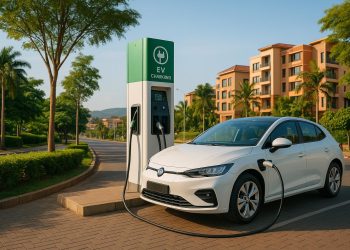
Certain exemptions exist to account for specific circumstances. For instance, brand-new vehicles are exempt from inspection for the first two years from their manufacturing date. Fully electric vehicles are not required to undergo emission testing, and international vehicles staying in Rwanda for less than three months are also exempt from inspection.
These exemptions provide flexibility for new, electric, and short-term international vehicles, ensuring that the system is both practical and fair.
Highlight video of the newly opened Automobile Inspection Centre in Ndera.
Required Documents and Fees
When you’re getting your vehicle inspected, it’s essential to have all the necessary paperwork and fees ready to keep things running smoothly.
Required Documents
To avoid delays or having to reschedule, double-check that you have all the required documents with you. Here’s what you’ll need:
- Proof of payment and your appointment confirmation.
- A valid National ID (or resident card) and your current driver’s license.
- Your vehicle’s logbook (Carte Jaune), which proves ownership and registration.
- Valid insurance documents to confirm coverage.
- Make sure there are no outstanding traffic fines.
Having everything organized and ready will help speed up the process.
Inspection Fees and Payment Options
Inspection fees in Rwanda vary depending on your vehicle type and are determined by the Rwanda National Police. If your vehicle doesn’t pass the inspection, you have 14 days to return for a re-inspection. The re-inspection fee is 20% of the original fee, provided it’s done within that 14-day window.
sbb-itb-7bc66b5
Vehicle Inspection Process Steps
Here’s a clear guide to help you navigate the vehicle inspection process. By following these steps, you can ensure everything goes smoothly.
Arriving at the Inspection Center
Arrive at the inspection center right on time. If you’re late without a valid reason, you might lose your slot, as the center may not accommodate delays.
Before heading to your appointment, book and pay for it through IremboGov. Once you’ve completed the booking, you’ll receive a confirmation via SMS or email with the exact date and time of your appointment . Also, double-check that you don’t have any unpaid traffic fines – they can prevent your inspection from moving forward.
When you arrive, have all the necessary documents ready. You can find the full list of required documents in the "Required Documents" section.
If something comes up and you can’t make your appointment, you can either visit a nearby inspection center or call the Head of Customer Service at 0788311533. Just make sure to notify them at least 24 hours in advance.
Now, let’s take a look at what happens during the actual inspection.
Inspection Checks and Requirements
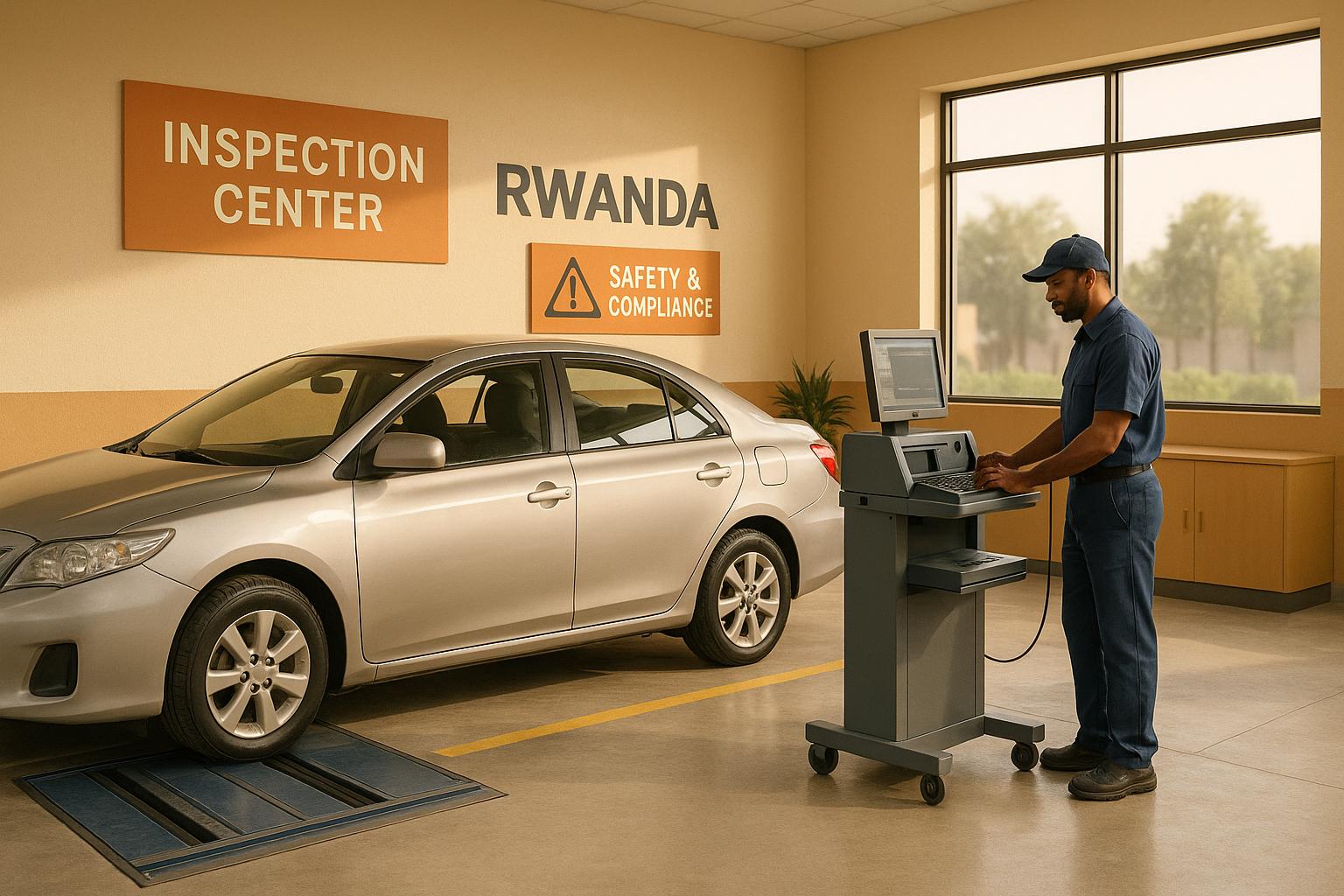
During the inspection, your vehicle will go through a thorough review. This includes both mechanical checks and emissions testing, which are conducted at centers located in Remera, Rwamagana, Huye, and Musanze.
The mechanical inspection focuses on critical safety components like brakes, lights, and tires. At the same time, emissions testing ensures your vehicle meets environmental standards. However, fully electric vehicles and international vehicles that are in Rwanda for less than three months are exempt from the emissions test.
To save time, make sure to book your mechanical inspection first. This way, you can avoid unnecessary trips.
How Often Inspections Are Required
How often you need an inspection depends on how you use your vehicle. Here’s the breakdown:
- Personal use vehicles: Inspected annually.
- Commercial vehicles (used to transport passengers or goods): Inspected every six months .
- Brand new vehicles: These have a two-year grace period before their first inspection .
After the initial inspection, vehicles follow a routine schedule. Personal vehicles require annual inspections, while commercial vehicles need semi-annual checks. The validity of your inspection certificate matches this schedule, as shown on the vignette .
To help you stay on track, the Rwanda National Police sends an SMS reminder one month before your inspection is due – just make sure your contact details are up to date.
If your vehicle doesn’t pass the inspection, you’ll have 14 days to fix the issues and return for a re-inspection. Keep in mind that missing this window means you’ll have to pay the full inspection fee again instead of the discounted re-inspection rate .
| Vehicle Type | Inspection Frequency | Certificate Validity |
|---|---|---|
| Personal use vehicles | Every year | 1 year |
| Commercial vehicles | Every 6 months | 6 months |
| Brand new vehicles | First inspection after 2 years | Then follows standard schedule |
Common Problems and How to Prepare
Avoid inspection headaches by tackling common issues ahead of time.
Why Vehicles Fail Inspections
Inspection failures often arise from preventable maintenance issues. One major culprit? Brake system problems. Worn brake pads, faulty brake lines, or brakes that don’t respond properly are all red flags. Inspectors take a close look at brake performance and wear, so this is an area you can’t afford to overlook.
Another common issue is lighting failures. Whether it’s a burnt-out headlight, malfunctioning brake lights, or broken turn signals, even one faulty bulb can result in a failed inspection.
High emissions levels are also a frequent problem. If your emissions system isn’t functioning as it should, your vehicle might not meet Rwanda’s environmental standards.
Tires are another area that gets a lot of attention. Inspectors check for proper tread depth, correct inflation, and any visible damage like cracks or bulges. Uneven tread wear could also signal alignment issues that need fixing.
Lastly, fluid leaks and low fluid levels are a common cause of failure. From engine oil to brake fluid, coolant, or power steering fluid, all these systems need to be in good shape to pass inspection.
To avoid these pitfalls, use the checklist below and address potential issues early.
Pre-Inspection Checklist
Here’s a quick checklist to help you catch problems before your vehicle goes in for inspection:
- Check your tires for proper inflation and tread depth. Look for visible damage or uneven wear patterns that might indicate alignment issues.
- Test your brakes. Pay attention to how they respond and listen for unusual noises like grinding or squealing. Also, make sure your brake lights activate when you press the pedal.
- Ensure all your lights are working, including headlights (both high and low beams), turn signals, hazard lights, reverse lights, and interior lights. Replace any burnt-out bulbs immediately.
- Inspect fluid levels: engine oil, coolant, brake fluid, power steering fluid, and windshield washer fluid. Top off any low fluids and check under the car for leaks.
- Examine belts and hoses for wear, cracks, or leaks. These are critical components for your vehicle’s operation.
- Look at your battery terminals for corrosion and ensure the battery has a strong charge.
- Test your windshield wipers and replace worn blades. Also, check for cracks or chips in the windshield that could obstruct your view.
Taking these steps can save you time and trouble during the inspection process.
Keeping Your Vehicle Compliant
Staying on top of regular maintenance is the best way to ensure your vehicle remains inspection-ready. Follow your manufacturer’s service recommendations and address repairs promptly to keep everything running smoothly.
Don’t forget about your emissions system – it’s a key part of staying compliant with environmental standards. Adding emissions checks to your regular maintenance routine can help catch issues early.
Lastly, pay attention to how your car feels while driving. Odd sounds, vibrations, or changes in handling can signal problems that, if ignored, might lead to inspection failures. Fixing these issues as they arise keeps your car safe, compliant, and ready for inspection year-round.
Conclusion
Rwanda’s vehicle inspection system plays a key role in ensuring safer roads and protecting all road users. By adhering to the inspection requirements outlined, you’re not just fulfilling a legal obligation – you’re also taking steps to extend the life of your vehicle and enjoy greater peace of mind.
Regular inspections help identify mechanical issues early, preventing small problems from snowballing into expensive repairs. This not only saves money in the long run but also keeps your vehicle running smoothly for years to come.
There’s also an environmental benefit. Rwanda’s inspection standards ensure vehicles meet emission limits, promoting cleaner air quality. This initiative reflects the nation’s dedication to a healthier environment and a sustainable future.
Most importantly, passing your inspection enhances road safety. When vehicles meet consistent safety and environmental standards, the likelihood of accidents caused by mechanical failures drops significantly. Knowing your brakes, tires, lights, and other critical systems are in top shape allows you to drive with confidence.
While the inspection process might feel overwhelming at first, preparation makes all the difference. Following a maintenance routine, addressing issues promptly, and keeping your documents in order can turn what seems like a daunting task into a straightforward routine.
Your technical inspection certificate is more than just a piece of paper – it’s proof that your vehicle is roadworthy and compliant with the law. It’s a small but meaningful investment in safety, reliability, and legal peace of mind. By staying proactive, you’ll find inspections to be a manageable part of responsible vehicle ownership.
FAQs
What happens if my vehicle fails inspection in Rwanda, and how can I fix the issues to pass the re-inspection?
If your vehicle doesn’t pass inspection, you’ll need to fix the issues identified during the test and schedule a re-inspection. To cut down on costs, make sure to reapply within 14 days of the failed test – this reduces the fee to half of the original inspection cost. Miss the 14-day deadline? You’ll have to pay the full fee again.
Before heading back for re-inspection, ensure all necessary repairs are completed. Focus on the specific problem areas noted in your test results to make sure your vehicle meets the required standards and avoid further delays or extra expenses.
What are the differences in the inspection process for electric vehicles compared to traditional vehicles in Rwanda?
Electric vehicles in Rwanda are exempt from emission testing since they don’t produce exhaust emissions like gasoline or diesel-powered cars. However, they still need to pass routine inspection checks to ensure they meet safety and roadworthiness standards.
In contrast, traditional vehicles must undergo emission testing as part of their inspection to confirm they comply with environmental regulations.
What should I do if I can’t make it to my scheduled vehicle inspection in Rwanda?
If you can’t make it to your scheduled vehicle inspection, you should inform the Head of Customer Service at 0788311533 at least 24 hours before your appointment. You also have the option to email [email protected] to either reschedule or cancel. Be sure to include your appointment details to ensure quicker assistance.
Related Blog Posts
- Vehicle Inspection Checklist for Rwandan Drivers
- How to register a used car in Rwanda
- How to Import a Car into Rwanda: 2025 Procedures and Costs
- Import a Car from France to Rwanda: Costs, Duties, and Tips for Kigali