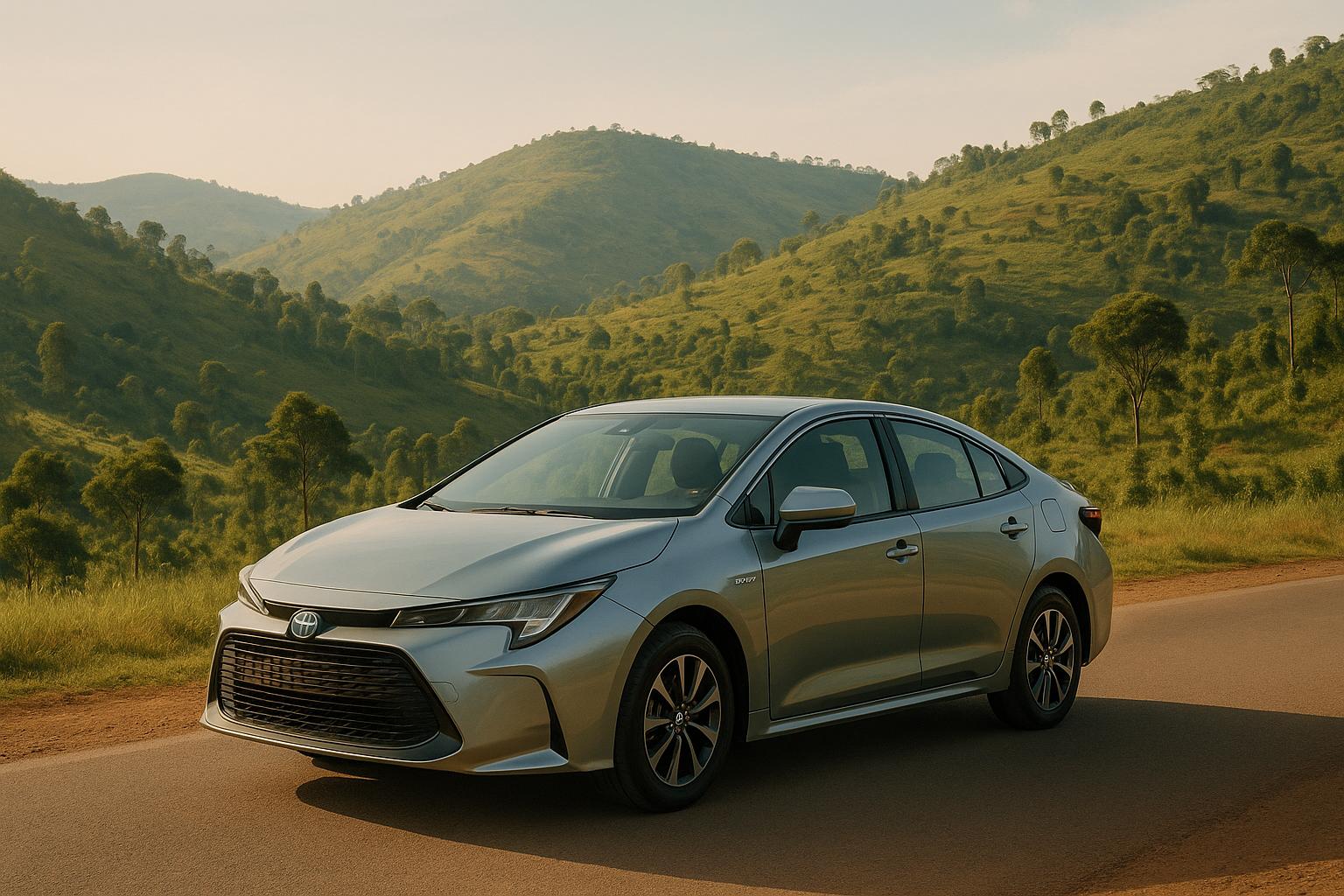
Hybrid cars in Rwanda are becoming a practical choice for drivers looking to save on fuel costs and reduce emissions. These vehicles combine a gasoline engine with an electric motor, offering better fuel efficiency and lower maintenance expenses compared to gas-only cars. With import duties reduced by 30% for hybrids, they are more affordable than traditional vehicles. However, a new VAT policy introduced in 2025 slightly increases upfront costs.
Here’s a snapshot of the key points:
- Popular models: Toyota Corolla Hybrid (2020: $16,400), Toyota Auris Hybrid (2011: ~$9,500).
- Fuel efficiency: Toyota Prius averages 4 liters per 100 km.
- Ownership costs: Lower fuel use, reduced taxes, and cheaper maintenance.
- Where to buy: Platforms like AUTO24.rw offer inspected hybrids with warranties.
Although VAT has been reintroduced, hybrids remain a cost-effective option for drivers in Rwanda, balancing upfront costs with long-term savings.
Current Market Overview and Popular Models
Where to Find Hybrid Cars in Rwanda
If you’re in Rwanda and looking to buy a hybrid car, platforms like AUTO24.rw are a reliable choice. AUTO24.rw, part of the AFRICAR Group (Pty) Ltd, operates both online and at a physical location in Joe House, KN 7 Rd, Avenue des Poids Lourds, Muhima Sector, Nyarugenge District, Kigali. This platform provides a trustworthy experience for hybrid car shoppers with features like over 100 inspection points, a 5-day refund policy, and a 6-month mechanical warranty on key components. Whether you’re browsing online or visiting their showroom, you’ll find a range of hybrid models to suit different budgets, making the transition to hybrid vehicles easier and more transparent.
Top Hybrid Models in Rwanda
As of November 2025, AUTO24.rw showcased several Toyota hybrid models. For instance, the Toyota Corolla Hybrid was listed in the following options:
- A 2020 model with 65,000 kilometers priced at 22,000,000 RWF ($16,400).
- A 2021 model available for 24,500,000 RWF ($18,200).
- A 2019 plug-in hybrid offered at 21,000,000 RWF ($15,600).
Additionally, two 2011 Toyota Auris Hybrid models were on sale for 12,500,000 RWF ($9,300) and 13,000,000 RWF ($9,700), providing more affordable options for buyers.
Price Ranges and Cost Breakdown
Hybrid Car Price Ranges
In Rwanda, the hybrid car market has expanded to include both used and new models, catering to a variety of budgets. Prices depend on factors like the model, mileage, age, and overall condition of the vehicle. For those looking for a more affordable option, used hybrids serve as a great starting point. Interestingly, hybrid car imports in Rwanda skyrocketed, increasing by 237 times between 2021 and 2024. This growing market highlights the need to understand the full costs associated with owning one.
Import and Ownership Costs
When it comes to owning a hybrid in Rwanda, the expenses go beyond just the sticker price. You have to factor in import duties, taxes, and ongoing fees. Hybrid Electric Vehicles (HEVs) enjoy a 30% reduction in import duties compared to traditional vehicles, making them a more cost-effective choice. Import duties and taxes for all cars are calculated based on key factors like the car’s age, engine size, and its declared value.
On top of that, annual costs are notably lower for hybrid owners. Reduced road taxes, cheaper insurance, and lower maintenance expenses, paired with government incentives, make hybrids an appealing option for many.
Key Benefits of Hybrid Cars for Rwandan Drivers
Fuel Efficiency and Savings
Hybrid cars offer a big advantage when it comes to fuel efficiency, using 20–50% less fuel compared to traditional gasoline-powered vehicles. Over time, this translates to noticeable savings at the pump. In Rwanda, some popular hybrid models showcase impressive fuel economy. For instance, the Toyota Prius uses about 4 liters of fuel per 100 kilometers, while the Toyota Corolla Cross Hybrid averages around 4.5 liters per 100 kilometers. Even larger SUVs like the Toyota RAV4 Hybrid remain efficient, coming in at roughly 5 liters per 100 kilometers.
| Hybrid Car Model | Fuel Economy (L/100km) |
|---|---|
| Toyota Prius | 4 |
| Toyota Corolla Cross Hybrid | 4.5 |
| Toyota RAV4 Hybrid | ~5 |
| Honda CR-V Hybrid | 5.3 |
| Hyundai Tucson Hybrid | 6 |
This level of efficiency not only cuts down on fuel expenses for drivers but also reduces Rwanda’s dependence on imported fuels.
Reduced Emissions
Because hybrid cars burn less fuel, they also produce fewer emissions. This makes them a great choice for drivers who care about the environment. By adopting hybrids, Rwandan drivers can play a role in lowering carbon emissions, an important step toward improving air quality in cities like Kigali. With more hybrids on the road, the cumulative effect could support Rwanda’s environmental goals and make urban areas healthier for everyone.
Lower Maintenance and Tax Incentives
In addition to saving on fuel, hybrid vehicles often come with lower maintenance costs. Their engines experience less wear and tear, and they generally have fewer mechanical issues. For example, the Toyota Corolla Cross Hybrid has been highlighted by Carisoko.com as a cost-effective and reliable option for Rwandan drivers, thanks to Toyota’s reputation for durability. Similarly, the Toyota Prius is known as the "Ultimate Fuel Saver", praised for its dependable performance and low maintenance needs.
However, there was a change in Rwanda’s tax policy in 2025. The government reintroduced Value-Added Tax (VAT) on hybrid vehicles starting July 1, 2025. According to The New Times, this policy aims to encourage a shift toward fully electric vehicles. While the VAT increases the upfront cost of hybrids, the long-term savings from reduced fuel use and lower maintenance can help offset the initial expense. Even models like the Honda CR-V Hybrid, which has slightly higher maintenance costs, remain a solid choice due to their reliability and manageable overall ownership costs.
sbb-itb-7bc66b5
How to Buy a Hybrid Car in Rwanda
Steps to Purchase a Hybrid Car
Buying a hybrid car in Rwanda involves a straightforward process, whether you’re opting for a local purchase or importing one. Start by exploring trusted platforms like AUTO24.rw or visiting local dealerships in Kigali to research available models.
For those planning to import a hybrid car, ensure you have all the required documents ready. These typically include a valid import license, the vehicle’s registration documents from its country of origin, and proof of payment for any customs fees. Once the car arrives in Rwanda, it must be inspected by the Rwanda Revenue Authority (RRA) to verify its condition and specifications.
After clearing customs, you’ll need to register the vehicle with the Rwanda Transport Development Agency (RTDA), get license plates, and secure insurance. Make sure the car meets local safety and emission standards. Keep in mind that registration timelines can differ between imported vehicles and those purchased locally. As you narrow down your options, take the time to assess the condition and history of each vehicle.
What to Consider Before Purchase
Pay special attention to the battery’s condition, especially for older hybrid models. A diagnostic report can help you gauge battery health, as replacing a hybrid battery can be a costly investment down the line.
Other key factors include mileage and the car’s overall age, as these directly influence performance and resale value. A vehicle with a well-maintained service history that follows the manufacturer’s guidelines is more likely to offer long-term reliability.
Opt for reputable dealers who provide warranties and dependable after-sales support. Additionally, think about the availability of spare parts and access to reliable service centers. Brands like Toyota and Honda often have established service networks in Rwanda, making maintenance more convenient. These considerations, alongside the registration and import steps, ensure a smoother buying experience.
Government Incentives and Policies
Government policies in Rwanda play a significant role in the cost of owning a hybrid car. Factors like import duties, registration fees, and annual taxes for hybrids often differ from those for traditional gasoline vehicles. Stay informed about current regulations and any incentives that may be available. For instance, note the upcoming reintroduction of VAT on hybrid vehicles in 2025, which will affect ownership costs.
To make the most of any benefits or financing options, consult local banks and government agencies. Many institutions offer competitive financing for eco-friendly vehicles, helping you make an informed and cost-effective choice as you explore hybrid car ownership in Rwanda.
Conclusion
Hybrid cars present a practical and cost-effective choice for Rwandan drivers aiming to cut fuel expenses while supporting the nation’s environmental objectives. With nearly 45% of vehicles imported into Rwanda being hybrids, these eco-conscious options have firmly established their place in the local market. The steady rise in hybrid imports highlights their growing popularity.
The financial perks are hard to ignore – hybrid vehicles deliver noticeable fuel savings, lower maintenance costs, and benefit from favorable government policies. Tax incentives, such as a 30% reduction on import duties for hybrid electric vehicles (HEVs) and a 50% reduction for plug-in hybrids (PHEVs), have made these cars especially appealing to budget-conscious buyers. These economic benefits also align with Rwanda’s broader push toward cleaner, more sustainable transportation.
On a larger scale, hybrid cars support Rwanda’s vision for a greener future. With over half of the country’s energy coming from renewable sources, these vehicles serve as a stepping stone toward fully electric transportation. They provide immediate environmental advantages while offering drivers a smooth transition from traditional gas-powered cars.
For those thinking about making the switch, the combination of proven fuel efficiency, strong government incentives, and an expanding infrastructure makes now an ideal time to consider a hybrid. These cars represent not just savings at the pump but also a step toward a more sustainable future.
FAQs
What are the long-term cost savings of owning a hybrid car in Rwanda, even with the return of VAT in 2025?
Owning a hybrid car in Rwanda can still lead to meaningful long-term savings, even with VAT returning in 2025. These cars are known for being fuel-efficient, which means fewer trips to the gas station and less money spent on fuel compared to traditional vehicles. Over time, this can add up, especially when fuel prices are unpredictable.
On top of that, hybrid cars typically have lower maintenance costs. Their advanced technology and features, like regenerative braking, reduce wear and tear on key components such as brakes and engines. When you combine these financial perks with the added benefit of producing fewer emissions, hybrids become a smart choice for Rwandan drivers aiming to save money while also being mindful of the environment.
How does the fuel efficiency of hybrid cars like the Toyota Prius and Corolla Cross compare to traditional gas-powered cars in Rwanda?
Hybrid cars, such as the Toyota Prius and Corolla Cross, offer much better fuel efficiency compared to standard gas-powered vehicles. Take the Toyota Prius, for instance – it delivers an outstanding 52 miles per gallon (4.5 liters per 100 kilometers). Similarly, the Honda CR-V Hybrid averages about 36 miles per gallon (6.5 liters per 100 kilometers).
For drivers in Rwanda, this improved efficiency translates to noticeable savings on fuel expenses. On top of that, these vehicles contribute to lower emissions, making them a smart and environmentally conscious option for daily commutes.
What are the steps and required documents to import a hybrid car into Rwanda?
To bring a hybrid car into Rwanda, there are a few essential steps to follow and documents to gather. First, choose the car you want to import and confirm that it meets Rwanda’s import rules, such as restrictions on vehicle age and emissions standards. Then, partner with a licensed clearing agent who can assist with navigating customs procedures and calculating the necessary import duties and taxes.
You’ll need to prepare several key documents, including the car’s original invoice, a certificate of origin, the bill of lading, and a pre-shipment inspection certificate. Additionally, you’ll have to provide personal identification and proof of payment for any applicable taxes or fees. It’s always a good idea to consult with Rwandan customs authorities to ensure you have the latest information on requirements and processes.
Related Blog Posts
- How EV Imports Affect Used Car Sales in Rwanda
- Electric vs Petrol cars in Rwanda
- Car Price Trends in Rwanda: Petrol vs Hybrid vs Electric
- Top 5 Most Fuel-Efficient Cars to Drive in Rwanda