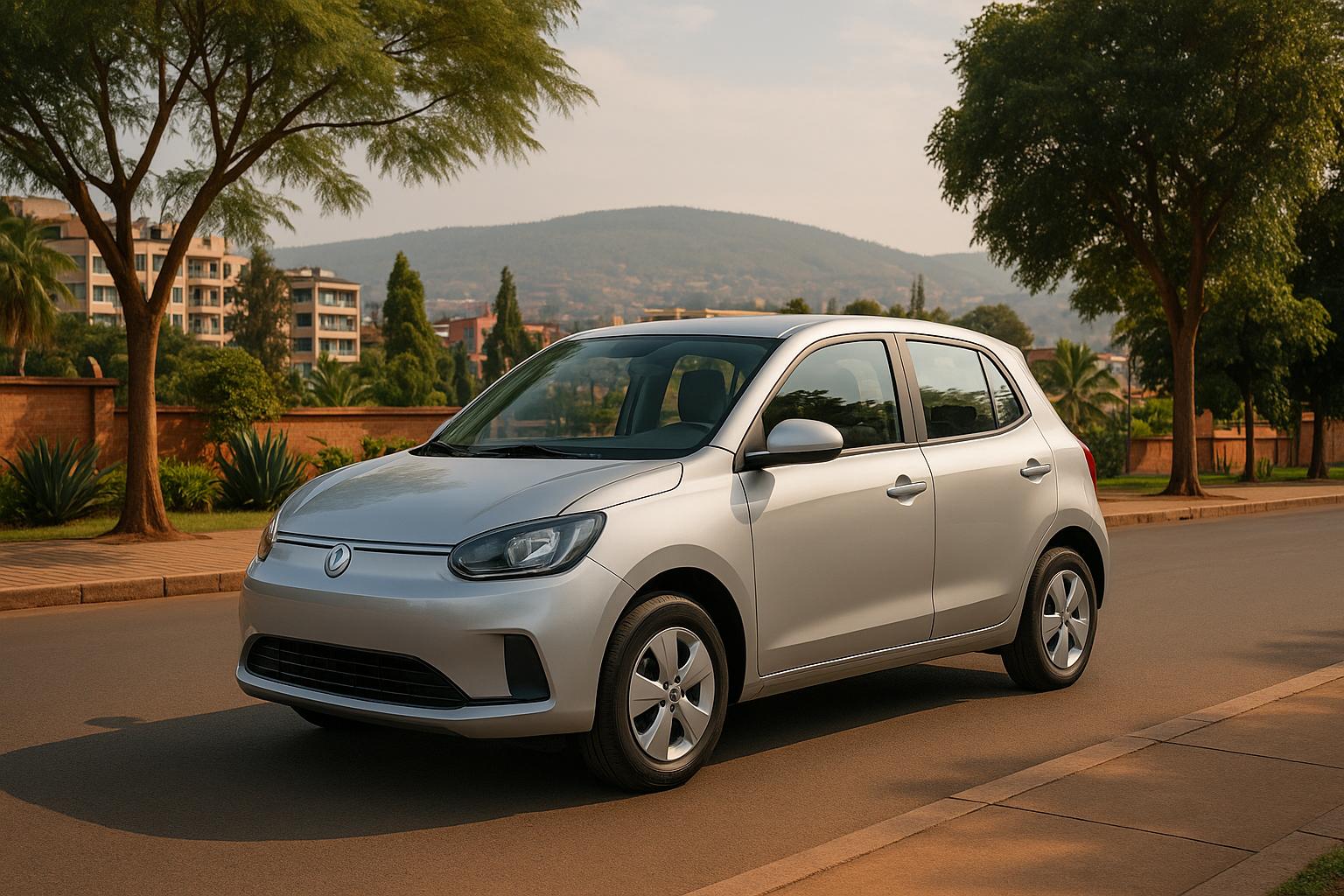
In 2025, Rwanda is offering affordable electric cars with tax exemptions, reduced import duties, and lower electricity rates. These incentives make EVs a cost-effective alternative to traditional gas-powered cars. With growing infrastructure and options tailored for city and rural use, now is the time to consider switching to electric mobility.
Key Highlights:
- Tax Incentives: EVs are exempt from VAT, import duties, and excise taxes.
- Charging Costs: Electricity is cheaper than fuel, and most charging happens at home.
- Affordable Models: Options like BYD ATTO 3, BYD Destroyer, and Low-Speed Electric Vehicles (LSEVs) cater to different budgets.
- Long-term Savings: EVs cost 20–70% less to own over five years compared to petrol cars.
Quick Overview:
| Model | Price Range | Best For | Range |
|---|---|---|---|
| BYD ATTO 3 | $27,000-$28,700 | Families, mixed terrains | Long trips |
| BYD Destroyer | Mid-range | City & rural driving | Moderate range |
| Low-Speed EVs (LSEVs) | $4,480-$4,700 | Urban errands, short trips | 50–68 miles |
Rwanda’s push toward clean energy and financial incentives makes EV ownership practical and budget-friendly. Whether you’re navigating Kigali’s streets or tackling rural roads, there’s an affordable EV option for you.
Inside KABISA: Rwanda’s EV Revolution | WIB Documentary
What to Consider Before Buying an Affordable Electric Car in Rwanda
Before purchasing an electric vehicle (EV) in Rwanda, it’s essential to think about your driving habits and the local environment. These considerations align with Rwanda’s push for cleaner and more cost-effective transportation options.
Battery Range and Charging Stations
Make sure the EV’s battery range fits your daily driving needs. While Rwanda’s charging network is growing, most public charging points are concentrated in Kigali. Interestingly, around 80-90% of EV charging typically happens at home or work. If home charging isn’t an option, check whether your workplace or public stations can accommodate your charging needs, especially for longer trips.
On a positive note, charging your EV in Rwanda has an added environmental benefit. With over 50% of the country’s electricity coming from renewable sources, you’re helping to lower your carbon footprint every time you plug in.
But charging isn’t the only factor to weigh – financial aspects are just as important.
Purchase Price vs. Long-Term Costs
While the initial price tag is a big consideration, it’s not the whole story. The Rwandan government offers appealing tax breaks to make EVs more affordable. For instance, Battery Electric Vehicles (BEVs) enjoy an 80% reduction in import duties and are exempt from Value-Added Tax (VAT). Plug-in Hybrid Electric Vehicles (PHEVs) also benefit, with a 50% import duty reduction and partial VAT exemption. These incentives make EVs competitive with traditional petrol-powered cars at the time of purchase.
The savings don’t stop there. Over five years, owning an entry-level BEV can cost 20-30% less than owning a petrol car. For mid-range EVs, the savings can climb to as much as 70% during the same period. These long-term savings mainly come from lower electricity costs and reduced maintenance, thanks to EVs having fewer moving parts.
Road Conditions and Climate Factors
Rwanda’s diverse terrain can impact how an EV performs. Cars with lower ground clearance may struggle on unpaved or rough roads, and hilly areas can cause batteries to drain faster. Be sure the EV’s range can handle these challenges.
That said, Rwanda’s moderate climate works in favor of EV batteries. However, during heavy rains, it’s wise to park in sheltered areas to prevent potential water damage. Choosing an EV that matches Rwanda’s road conditions and weather not only makes economic sense but also supports the country’s environmental initiatives.
Cheapest Electric Cars Available in Rwanda in 2025
If you’re looking for affordable electric cars in Rwanda, 2025 is shaping up to be an exciting year. With the local electric vehicle (EV) market steadily growing, several budget-friendly options are emerging that cater to Rwanda’s unique driving conditions. Below are some standout models that balance cost, features, and practicality for everyday use.
BYD ATTO 3
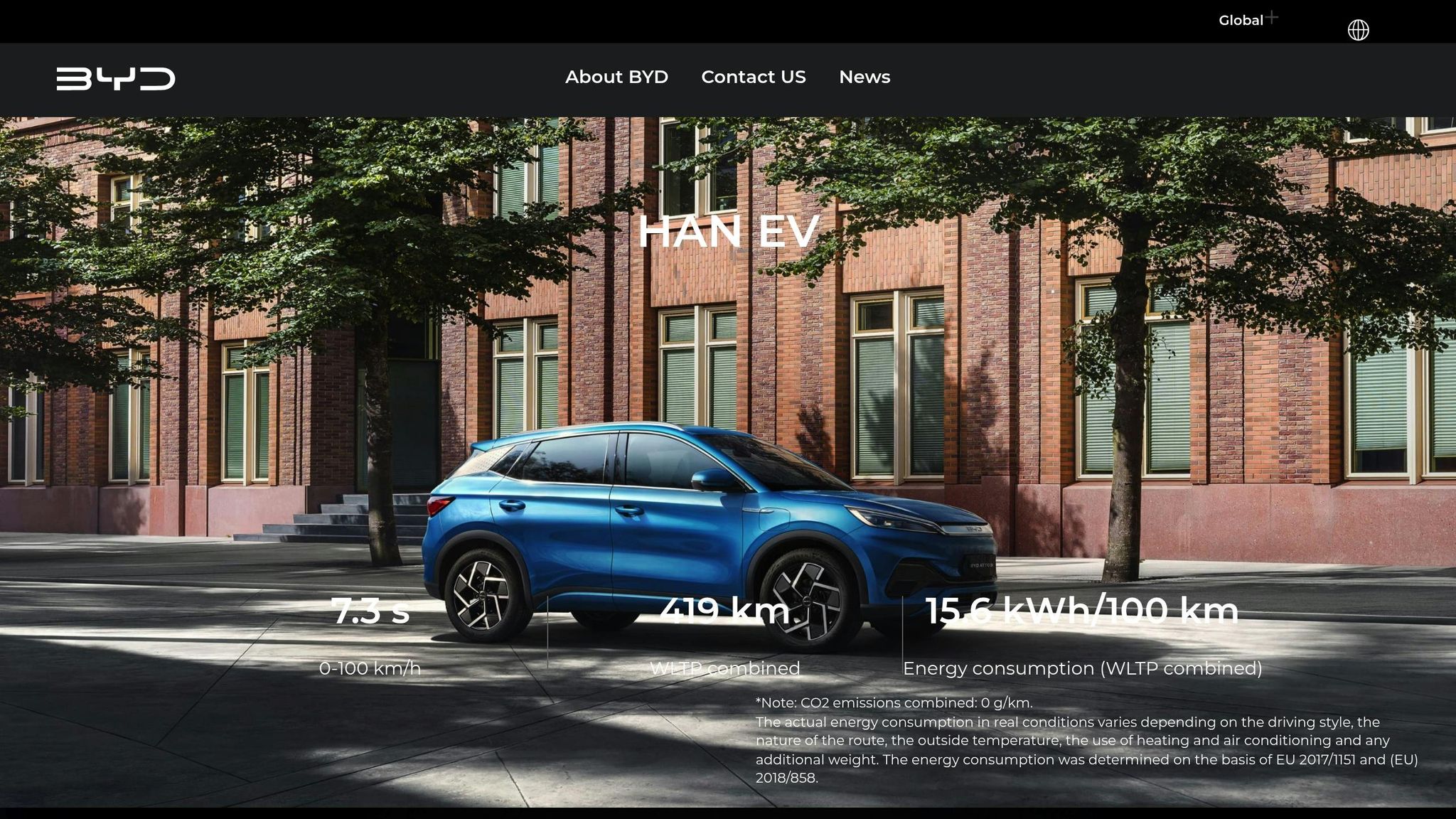
The BYD ATTO 3 is an electric SUV designed to handle Rwanda’s diverse road conditions. Its durable battery is perfect for daily commutes in Kigali as well as longer regional trips. Thanks to its higher ground clearance, it performs well on both smooth city streets and less-developed rural roads.
Inside, the ATTO 3 offers modern conveniences like a touchscreen display, climate control, and seating for five passengers. Safety is a priority too, with multiple airbags and advanced stability systems ensuring a secure ride. With competitive pricing, this SUV delivers value without compromising on quality.
If you’re after something compact and efficient, the BYD Destroyer might catch your eye.
BYD Destroyer
The BYD Destroyer is an excellent choice for those seeking an affordable, no-fuss electric car. It offers a battery range suited for both city and rural driving, making it versatile enough for Rwanda’s mixed terrain. Its compact size makes navigating Kigali’s busy streets a breeze, while its straightforward design focuses on essential comforts for daily use.
Priced slightly below more feature-packed EVs, the Destroyer is ideal for buyers looking for reliable, cost-effective transportation. For those on an even tighter budget, low-speed electric vehicles (LSEVs) might be the perfect fit.
Low-Speed Electric Vehicles (LSEVs)
LSEVs are a wallet-friendly option for anyone looking to dip their toes into electric mobility. These small, low-speed vehicles are perfect for short city trips and errands, especially in Kigali’s compact and bustling streets. With minimal operating costs and a focus on basic transportation, they’re a practical choice for urban residents.
Their utility doesn’t stop there. LSEVs are also popular among small businesses for local deliveries or as a secondary vehicle for short commutes. While they lack the extended range or higher speeds of traditional EVs, their affordability and efficiency make them a smart option for city-focused drivers.
Where to Buy and Import Electric Cars in Rwanda
Buying or importing an electric car in Rwanda doesn’t have to be complicated. Whether you’re exploring local options or considering importing from abroad, knowing your choices and the steps involved can make the process smoother and more straightforward.
Local Dealerships and Retailers
If you’re shopping locally, AUTO24.rw is a standout option. As Rwanda’s leading multi-brand electric vehicle (EV) retailer in 2025, they offer a wide range of electric and hybrid vehicles from top global manufacturers. AUTO24.rw paved the way for Rwanda’s EV market, being the first to introduce various electric models. Their showrooms allow you to compare models, take test drives, and purchase vehicles with warranties for added peace of mind.
"Rwanda is at the forefront of East Africa’s shift to electric mobility, and the conditions have never been better for buyers to go electric." – AUTO24.rw
For those interested in smaller electric vehicles, startups like Ampersand specialize in two- and three-wheeler electric motorcycles, offering an affordable way to embrace electric mobility.
Importing Your Own EV
If you’re after a specific model that isn’t available locally, importing might be your best bet. Companies like EV24.africa handle the entire process, from shipping and customs to registration. They offer flexible shipping methods, such as RoRo (Roll-on/Roll-off) and container delivery, to suit your needs. Plus, Rwanda’s government incentives make importing EVs more affordable by reducing costs significantly.
Government Incentives for EV Buyers
Rwanda has created policies to encourage the adoption of electric vehicles. Buyers of battery electric vehicles (BEVs) enjoy reduced import duties, lower VAT, and discounted annual road taxes. BEVs also qualify for priority registration, cutting down waiting times. Plug-in hybrid electric vehicles (PHEVs) receive partial duty and VAT reductions, while hybrid electric vehicles (HEVs) benefit from duty discounts.
As of December 1, 2025, Rwanda has nearly 900 locally manufactured EVs, and global brands like Volkswagen have joined the market, introducing Africa’s first electric Volkswagen.
How to Choose a Trustworthy Seller or Importer
When selecting a seller or importer, transparency is crucial. Look for businesses that provide upfront pricing, including all taxes, duties, and fees, and offer support throughout the customs clearance and registration process. Verify their warranty policies and ensure they’re knowledgeable about Rwanda’s import regulations.
Choosing experienced professionals can save you time and help you avoid unnecessary costs. The Rwandan government also supports EV buyers by offering tax exemptions on electric vehicles and their spare parts.
Documentation and Registration
Whether you’re buying locally or importing, having the right paperwork is essential. You’ll need proof of purchase, detailed vehicle specifications, and compliance certificates. Local dealerships often take care of registration as part of the sale, while importers can guide you through the process of securing the necessary clearances. BEVs, in particular, benefit from priority registration, making the process faster compared to traditional vehicles.
sbb-itb-7bc66b5
Ownership Costs: Maintenance, Charging, and Battery Life
Beyond the appealing purchase incentives, the long-term savings tied to lower operational costs make owning an electric vehicle (EV) in Rwanda a smart financial decision.
Owning an EV in Rwanda comes with distinct advantages, especially when it comes to maintenance, charging, and battery performance. These factors combine to significantly reduce the overall cost of ownership compared to traditional gasoline-powered vehicles.
Maintenance: Simpler, Cheaper Repairs
Electric vehicles have fewer moving parts, which means fewer things can break down. This simplicity translates into lower maintenance costs. On top of that, government policies in Rwanda, like duty and tax exemptions on spare parts, batteries, and charging equipment, make keeping an EV in good shape even more affordable.
Charging Costs: Saving at the Plug
Charging your EV is far cheaper than filling up a gas tank. Many EV owners enjoy even greater savings by charging their vehicles at home. This cost advantage is one of the reasons why ride-hailing services across Africa are increasingly turning to electric cars, as they help cut down operational expenses.
Battery Life: Perfect for Rwanda’s Climate
Rwanda’s moderate climate is a big plus for EV battery performance. Batteries tend to last longer in such conditions, maintaining their efficiency over time. Even in colder climates, where performance can dip, top EV models lose only about 14% of their range, while even the least efficient models lose no more than 40%. In Rwanda, this means EV batteries are likely to perform reliably for years.
The Bottom Line on Costs
With reduced maintenance needs, cheaper charging, and government support, EVs offer a cost-effective solution for long-term vehicle ownership in Rwanda. These savings make them an increasingly attractive option for individuals and businesses alike.
Price and Specifications Comparison
When exploring affordable electric cars in Rwanda, knowing what each model offers is essential for making a smart decision. Electric vehicles often come with higher upfront costs, so budget-conscious buyers need to weigh those costs against the features they prioritize. For instance, cars with larger battery capacities can travel longer distances but usually come with a heftier price tag.
To simplify the comparison, here’s a breakdown of key specifications:
Comparison Table
Although prices for specific models in Rwanda can vary due to import arrangements and availability, the table below highlights typical specification ranges:
| Specification | BYD ATTO 3 | BYD Destroyer | LSEVs |
|---|---|---|---|
| Typical Price Range | Higher-end budget segment | Mid-range budget segment | Entry-level budget segment |
| Battery Capacity | Larger capacity for extended range | Moderate capacity | Smaller capacity |
| Estimated Range | Ideal for long trips and daily commutes | Balanced for city and occasional longer trips | Best for short city trips |
| Charging Time | Standard AC charging supported | Standard AC charging supported | Typically shorter due to smaller batteries |
| Seating Capacity | Around 5 passengers | Around 5 passengers | Typically 2–4 passengers |
| Best Use Case | Families, longer commutes, versatile driving | Daily commuting, mixed urban/rural use | City errands and short-distance travel |
Use these specifications to match a model to your driving habits and budget. Whether you need a car for city errands or longer commutes, this comparison can guide your choice.
Low-Speed Electric Vehicles (LSEVs) are the most budget-friendly option. These compact cars excel in urban settings where trips are short. Their smaller batteries make them more affordable and quicker to charge, but they have a shorter range and aren’t suited for highway use.
If your driving is mostly within Kigali or other cities, an LSEV could be the most practical and cost-effective choice. However, if you need a car that can handle both city streets and occasional rural trips, mid-range models offer a good balance, albeit at a higher initial cost.
With rising fuel prices, electric vehicles are becoming an increasingly appealing alternative. While the upfront expense may seem high, Rwanda’s government offers incentives that make EVs more accessible. These include exemptions from VAT, import duties, and excise taxes on electric cars, spare parts, batteries, and charging equipment.
For the latest pricing in Rwandan Francs (RwF) or US Dollars (USD), reach out to local dealers or visit AUTO24.rw. Keep in mind that prices can fluctuate due to exchange rates, shipping fees, and stock availability, so getting up-to-date quotes is crucial for effective planning.
Financing Options and Government Incentives
In Rwanda, buying an electric car doesn’t have to mean paying the full amount upfront. With various financing options and tax breaks, the total cost can be significantly reduced. These benefits, paired with the already lower maintenance and charging expenses, make electric vehicles (EVs) an attractive choice.
Government Tax Incentives
The Rwandan government has made EV ownership more affordable by introducing tax exemptions on VAT, import duties, and excise taxes. Additionally, EV owners benefit from reduced electricity rates and zero taxes on consumables specific to electric vehicles. For those considering setting up charging stations, the government offers rent-free property, whether for home or public charging installations.
Bank Financing Programs
The Rwanda Development Bank (BRD) provides a financing option with a 12% interest rate and a repayment term of up to 12 years for EV-related purchases. While this is an accessible option, obtaining loans from commercial banks can be more challenging, as they often require significant collateral. Starting with BRD or checking with dealerships about their partnerships with financial institutions can simplify the process.
Dealer Financing and Payment Plans
Local dealerships often assist buyers by offering tailored financing or payment plans. It’s important to ask about the total cost, including interest, the repayment period, and any penalties for early payments. Some dealers may even provide promotional rates or special terms on certain models, such as low-speed electric vehicles (LSEVs) or mid-range options like the BYD Destroyer.
Combining Incentives for Maximum Savings
By combining tax exemptions, lower electricity rates, and financing options, buyers can achieve substantial savings. For instance, tax breaks eliminate VAT and import duties, while affordable electricity rates keep charging costs low. Coupled with BRD’s financing terms – 12% interest over 12 years – monthly payments can remain manageable, especially when compared to the ongoing fuel costs of gasoline or diesel vehicles.
Practical Steps to Access Financing
To get started, request quotes from dealerships for the EV model you’re interested in. With a price in hand, approach BRD or your preferred bank to discuss loan options. Be prepared with documents like income statements, employment details, and collateral information. If buying through a dealership, inquire about their partnerships with local banks, which may offer additional financing options.
With these government-backed incentives and financing programs, owning an electric vehicle in Rwanda is becoming a practical and achievable option for more people. The combination of reduced upfront costs, affordable financing, and long-term savings makes the switch to electric cars a smart financial decision.
Conclusion: Finding the Right Affordable Electric Car for Your Needs
Selecting an electric car that aligns with your driving habits and budget is key, and Rwanda’s market offers options tailored to various needs.
For city commuters on a budget, low-speed electric vehicles (LSEVs) like the JINPENG 4-seat are a practical choice. Priced between $4,480 and $4,700, these vehicles are ideal for urban errands, offering a range of 50–68 miles, a top speed of 26 mph, and overnight charging at home (8–12 hours). With minimal maintenance costs, they are perfect for drivers who stick to city streets and rarely venture onto highways, providing one of the most cost-effective ways to get around.
For families or those needing more flexibility, mid-range electric cars such as the BYD ATTO 3 or Geely RD6 EV, priced around $27,000 to $28,700, deliver greater comfort and enhanced safety features. Unlike LSEVs, these models are equipped for highway driving and can handle Rwanda’s hilly terrain with ease, thanks to better ground clearance and climbing ability. If you frequently travel between cities, need space for passengers, or plan longer trips, these vehicles make a solid investment.
For drivers with mixed-use needs, consider your weekly mileage and typical routes. If most trips are confined to Kigali, an LSEV could save you money. However, if highway driving is part of your routine, a mid-range EV might be worth the extra cost. Always test-drive your chosen model on real roads to ensure it performs well on hills, rough terrain, and in tight parking situations.
Before making your final decision, take advantage of free demo drives on your regular routes. This hands-on experience will help you confirm whether the vehicle meets your expectations in terms of performance and practicality.
For detailed reviews and the latest dealer information, visit AutoMag.RW to find the EV that perfectly suits your needs.
FAQs
What are the benefits of owning an electric vehicle in Rwanda, especially with government incentives and the local environment in mind?
Owning an electric vehicle (EV) in Rwanda brings several notable benefits, driven by government support and the country’s specific environmental characteristics.
The Rwandan government has introduced tax breaks to make EVs more accessible. These include reduced import duties, VAT exemptions, and lower annual road taxes, all of which significantly cut down the cost of buying and maintaining an EV. On top of that, since over half of Rwanda’s electricity comes from renewable sources, choosing an EV means driving in a way that helps lower carbon emissions and supports cleaner energy use.
Rwanda’s mild climate is another advantage for EV owners. The moderate temperatures contribute to better battery performance and longevity, making EVs a practical and durable option for drivers across the country.
How can I choose an electric car in Rwanda that fits my daily driving needs, especially regarding battery range and charging availability?
When choosing an electric car in Rwanda, start by looking at the battery range. Think about your daily driving habits – does the car’s range cover your typical routes without needing constant recharging? If you often take longer trips, prioritize models with extended ranges or fast-charging options.
Next, consider the charging station network in your area. Are there dependable charging points near your home, workplace, or along your usual routes? You might also want to look into installing a home charger for extra convenience.
By weighing these factors, you can find an electric car that fits seamlessly into your daily life and makes the switch to electric driving hassle-free in Rwanda.
What are the financing options for buying an electric car in Rwanda, and how can they make EV ownership more affordable?
The Rwandan government has introduced a range of tax breaks to make electric vehicles (EVs) more accessible. These include exemptions from VAT, import duties, and excise taxes on EVs, as well as on essential items like spare parts, batteries, and charging equipment.
By cutting these costs, the government significantly reduces the initial price of owning an EV, making it a more appealing option for those looking to make environmentally friendly choices. Plus, EVs come with the added bonus of lower maintenance and fuel expenses over time, which can lead to even more savings down the road.
Related Blog Posts
- Top 5 Compact EVs for Rwanda in 2025
- Electric vs Petrol cars in Rwanda
- Electric Cars in Rwanda: 2025 Guide for New Buyers
- EV Policy Updates for 2025/2025 in Rwanda