If you’re on a budget and considering importing a car to Rwanda, you’ll want to focus on affordability, fuel efficiency, and how well the vehicle handles Rwanda‘s diverse road conditions. Here’s a quick breakdown of four great options:
- Toyota Corolla: Affordable, fuel-efficient (14–18 km/l), and easy to maintain. Ideal for city driving but less suited for rough rural roads due to low ground clearance.
- Toyota RAV4: A compact SUV with high ground clearance and durability for rural terrain. More expensive upfront and higher on fuel consumption.
- Nissan X-Trail: A balance of cost and utility. Handles mixed terrains well but may have higher maintenance costs and less available spare parts locally.
- Honda Fit: Best for urban use, offering excellent fuel economy and low import duties. However, its small size and limited ground clearance make it less effective on rough roads.
Quick Comparison
| Model | Affordability | Fuel Efficiency | Road Suitability | Maintenance Costs |
|---|---|---|---|---|
| Toyota Corolla | Low | 14–18 km/l | Best for paved roads | Low |
| Toyota RAV4 | Moderate | Lower than Corolla | Great for rural/rough terrain | Moderate |
| Nissan X-Trail | Moderate | Mid-range | Versatile for mixed terrains | Moderate to High |
| Honda Fit | Lowest | Best in group | Best for urban roads | Low |
Key Takeaway: For city driving, go with the Honda Fit. If you need a car for mixed or rural terrain, the Toyota RAV4 or Nissan X-Trail are better options. The Toyota Corolla is a reliable all-rounder for paved roads. Always factor in import taxes, duties, and ongoing costs when making your decision.
1. Toyota Corolla
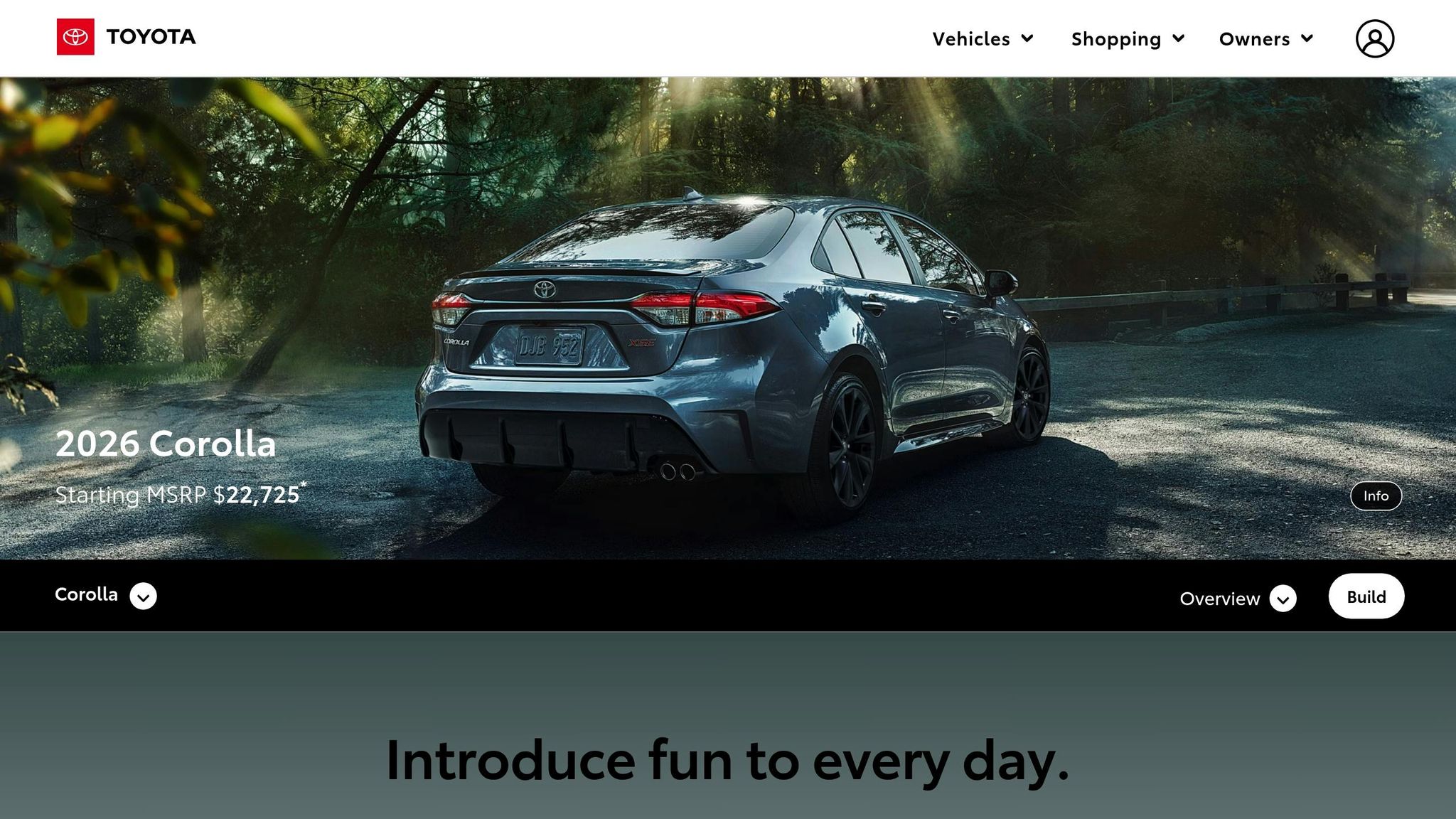
The Toyota Corolla stands out as a dependable and budget-friendly sedan, making it a popular choice for cost-conscious car buyers in Rwanda.
Affordability
One major perk of the Corolla is its strong resale value. This means that even years after purchase, it holds onto much of its worth – a key factor to consider when importing a car.
Fuel Efficiency
With a fuel efficiency of 14–18 km/l (approximately 33–42 mpg), the Corolla strikes a balance between economy and practicality. It offers excellent mileage without sacrificing interior space or comfort, making it a smart choice for everyday driving.
Maintenance Costs
Keeping a Corolla on the road doesn’t break the bank. Spare parts are easy to find in Rwanda, and repair costs remain reasonable. Plus, local mechanics are familiar with its straightforward design, which helps keep labor expenses low. On top of that, the Corolla’s sturdy build is well-suited to Rwanda’s road conditions, adding to its appeal.
Suitability for Rwandan Roads
The Toyota Corolla shines on paved roads, whether in Kigali or on highways connecting major cities. It delivers a smooth, comfortable ride – perfect for urban commutes and intercity travel. That said, its lower ground clearance makes it less ideal for rough, unpaved rural roads. For those who primarily drive in cities or on well-maintained routes, the Corolla is a solid, long-term investment.
2. Toyota RAV4
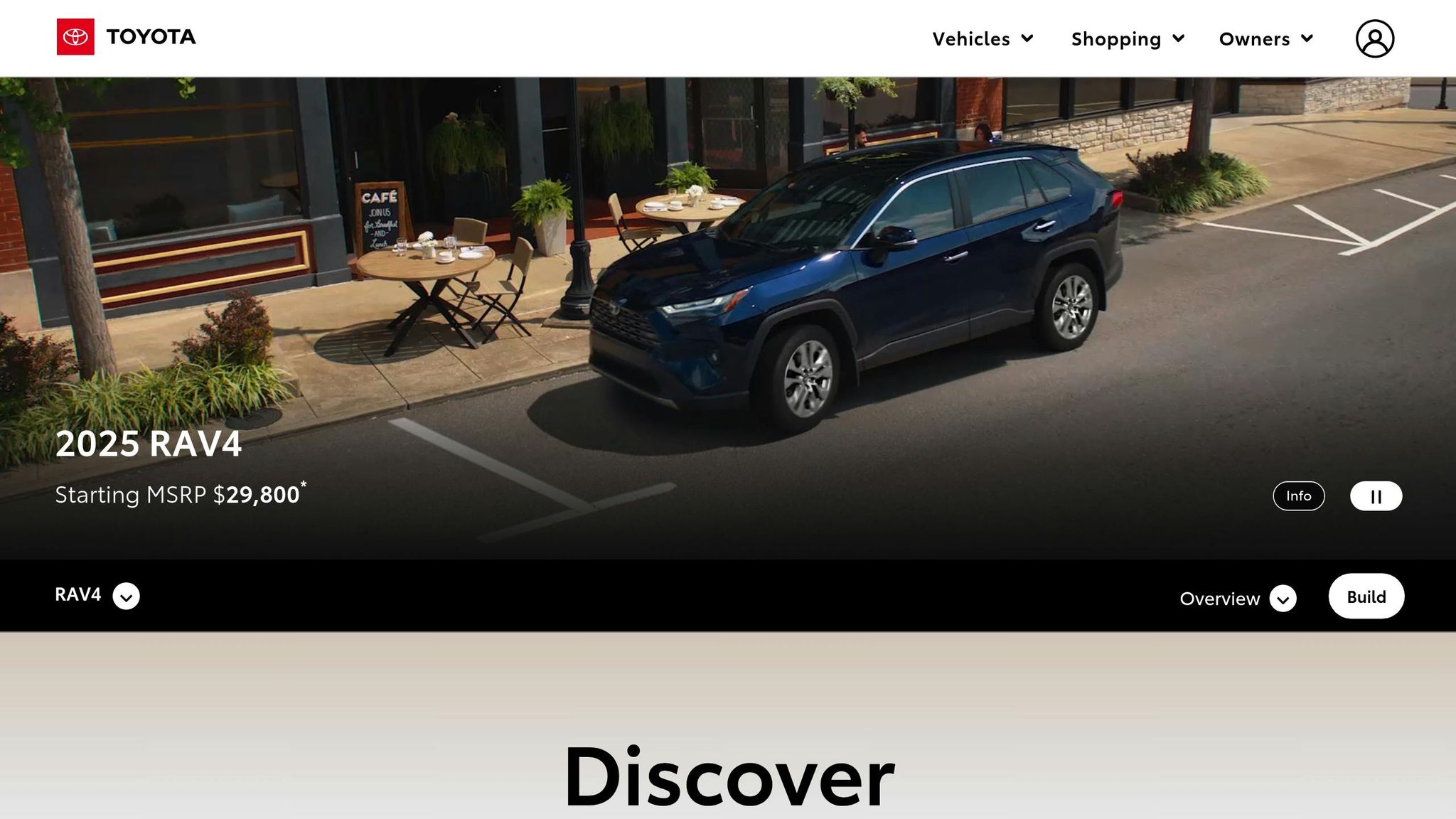
The Toyota RAV4 is a compact SUV celebrated for its dependability and versatility, making it a great match for Rwanda’s diverse landscapes. One of its key strengths is its elevated ground clearance, which comes in handy for navigating the country’s rural roads. With a sturdy build, it handles potholes, shallow water crossings, and unpaved trails with ease. Whether tackling off-road adventures or offering comfort on long drives, the RAV4 is well-suited for Rwanda’s varied terrain.
3. Nissan X-Trail
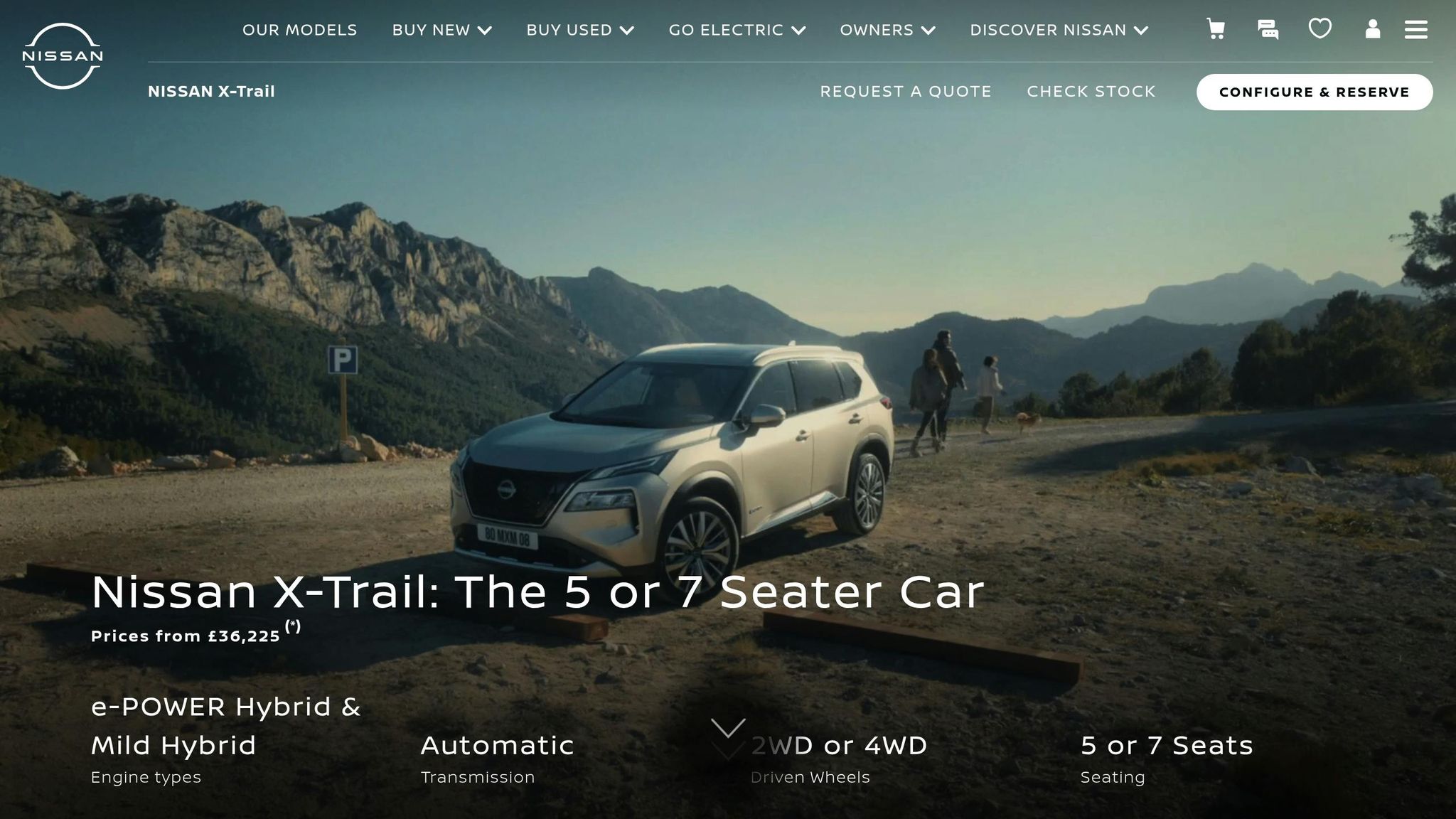
The Nissan X-Trail is a practical choice for families and small businesses in Rwanda, offering a blend of spaciousness and dependability. Its adaptability makes it a great fit for both city streets and countryside adventures. Let’s take a closer look at what makes this model stand out.
Affordability
In Kigali, you can find a 2008 Nissan X-Trail for around $6,500. This price point makes it an appealing option for those looking for a reliable vehicle without breaking the bank.
Perfect for Rwandan Roads
The Nissan X-Trail is a favorite among drivers navigating Rwanda’s diverse road conditions. Thanks to its higher ground clearance and sturdy build, it handles unpaved roads, potholes, and rough terrain with ease – making it equally at home in Kigali’s urban environment and the more rugged rural areas.
sbb-itb-7bc66b5
4. Honda Fit
While larger SUVs bring power and size, compact hatchbacks like the Honda Fit shine in urban settings, offering agility and efficiency. For budget-conscious buyers in Rwanda, the Honda Fit emerges as a practical choice for daily use. It’s no surprise that it’s ranked among the top affordable cars for Rwandan drivers in 2025.
Affordability
When considering the Honda Fit, it’s essential to factor in the purchase price along with import duties and taxes. In Rwanda, vehicles valued up to USD 60,000 are subject to a 25% Common External Tariff on the Cost, Insurance, and Freight (CIF) value.
As the second most budget-friendly car for Rwandans in 2025 – just trailing the Toyota Corolla – the Honda Fit offers great value. However, keep in mind that additional costs like duty, VAT, and clearing fees will increase the total price. To avoid surprises, it’s a good idea to consult local agents for a precise cost breakdown.
Pros and Cons
Each vehicle brings its own set of strengths and limitations. Below is a comparison of the key advantages and drawbacks for each model.
The Toyota Corolla is well-known for its dependability and fuel efficiency. With locally available parts and mechanics, maintenance costs are typically low. Plus, its lower purchase price compared to SUVs means reduced import duties. However, the sedan’s limited ground clearance can make navigating unpaved or rough roads challenging. Its smaller cargo space might also feel restrictive, especially for families or those frequently transporting goods.
The Toyota RAV4 stands out with its higher ground clearance and roomy interior, making it well-suited for various terrains. On the flip side, its higher purchase price leads to increased import taxes, and its fuel consumption – particularly in city settings – adds to long-term costs.
The Nissan X-Trail offers a solid middle ground. It’s priced more competitively than the RAV4 and provides ample interior space and comfort. Its good visibility is a bonus for city driving. However, sourcing spare parts can be more difficult compared to Toyota models, which might result in longer repair times. Maintenance costs can also rise as the vehicle ages, and its fuel economy falls somewhere between sedans and compact cars.
The Honda Fit is a compact option that prioritizes practicality. Its excellent fuel economy makes it the most cost-effective for daily use. Despite its small size, the interior is cleverly designed to maximize space, making it versatile for city living. Its low purchase price also means minimal import duties. However, its limited ground clearance struggles with rough terrain, and its smaller engine may feel underpowered when fully loaded or on steep highways.
For a quick comparison, the table below highlights the pros and cons of each model:
| Criteria | Toyota Corolla | Toyota RAV4 | Nissan X-Trail | Honda Fit |
|---|---|---|---|---|
| Affordability | Excellent – Low purchase price | Moderate – Higher initial cost | Good – Cheaper than RAV4 | Excellent – Lowest overall cost |
| Fuel Efficiency | Very Good – Great for daily commuting | Moderate – Higher in city driving | Good – Better than large SUVs | Excellent – Best in the group |
| Maintenance Costs | Low – Easy access to parts and service | Moderate – Reliable but pricier parts | Moderate to High – Parts less common | Low – Affordable and simple upkeep |
| Suitability for Roads | Fair – Struggles on rough terrain | Excellent – Handles diverse conditions | Very Good – Versatile on most roads | Fair – Ideal for urban paved roads |
For urban commuters, the Honda Fit offers unbeatable efficiency and ease of maneuvering. If your driving involves rougher roads or rural areas, the RAV4 or X-Trail will handle those conditions better. The Corolla, meanwhile, provides a balanced option for mixed driving needs without the higher cost of an SUV.
Conclusion
Selecting the right car comes down to balancing your driving needs with your budget.
For city drivers: The Honda Fit is a smart pick. Its excellent fuel economy keeps running costs low, and its compact design makes it easy to park and navigate crowded streets. Plus, its lower price tag helps reduce import duties.
For families or those needing flexibility: The Toyota Corolla is a solid option if you’re watching your budget – it’s dependable and affordable to maintain. If you need more space and versatility, the Nissan X-Trail offers decent performance on mixed terrains, but make sure replacement parts are readily available.
For rural or rugged roads: The Toyota RAV4 is your go-to choice. Its higher ground clearance and sturdy build are ideal for rough conditions, though it comes with a higher upfront cost and import taxes. For those frequently driving on challenging terrain, it’s worth the investment.
When budgeting, don’t forget to factor in import duties, shipping, insurance, fuel, and maintenance costs. A cheaper car might seem appealing at first, but it could lead to higher expenses if parts are hard to find. Weigh all costs carefully before making your decision.
FAQs
What should I look for when importing an affordable car to Rwanda?
When bringing an affordable car into Rwanda, there are a few things you should weigh carefully to make a smart decision:
- Import taxes and fees: These can add up quickly, so look for a car with manageable import duties to keep costs in check.
- Fuel efficiency: A fuel-efficient car can help you save money on gas over time, making it a practical choice.
- Spare parts availability: Make sure replacement parts are readily available in Rwanda to avoid expensive or time-consuming repairs.
- Road suitability: Choose a vehicle that can handle Rwanda’s road conditions, including hilly landscapes and uneven terrain.
Paying attention to these details can help you land a reliable car that fits both your needs and your budget.
How do import duties and taxes impact the cost of bringing a car into Rwanda?
Import duties and taxes are a key factor in the overall cost of bringing a car into Rwanda. These fees depend on several aspects, including the vehicle’s age, engine size, and its customs valuation. For instance, older cars or those with larger engines typically come with higher taxes and duties.
When planning to import a car, it’s essential to factor in these charges, as they can substantially raise the total cost. To stay ahead and avoid unexpected expenses, take the time to review Rwanda’s import tax guidelines or seek advice from an expert for precise cost estimates.
What is the best car for both city and rural driving in Rwanda?
The Toyota RAV4 shines as a practical option for navigating both city streets and rural terrain in Rwanda. Renowned for its dependability and long-lasting performance, it adapts seamlessly to the demands of urban commutes and the challenges of rougher countryside roads.
Fuel efficiency is another strong point, making it a smart choice for those looking to save on running costs. Plus, with spare parts readily accessible across Rwanda, maintaining and repairing the RAV4 is straightforward and hassle-free. Its blend of versatility and cost-effectiveness makes it a favorite for drivers with varied travel needs.
Related Blog Posts
- Car prices in Kigali this year
- Cheapest cars to maintain in Rwanda
- Car Prices in Rwanda in 2025: What to Expect This Year
- Top 5 Cars to Buy in Rwanda for Less Than $10,000