Importing a car to Rwanda can save money, but it’s risky if you’re not careful. Scammers exploit buyers by using fake listings, forged documents, and upfront payment schemes. To avoid losing money or facing legal issues, follow these steps:
- Verify sellers and documents: Check the seller’s registration with the Rwanda Development Board (RDB) and confirm the Taxpayer Identification Number (TIN) matches their ID.
- Understand import regulations: Rwanda prohibits cars older than 10 years or right-hand drive vehicles. Import taxes include 25% customs duty and 18% VAT.
- Avoid upfront payments: Use escrow services or secure payment methods to protect your money.
- Inspect vehicles: Ensure the car meets Rwanda Standards Board (RSB) safety and emissions checks.
Stay vigilant for deals that seem too good to be true, incomplete paperwork, or vague shipping details. Use trusted platforms like AutoMag.RW for verified listings and consult official resources like the Rwanda Revenue Authority (RRA) and Rwanda Investigation Bureau (RIB) if needed.
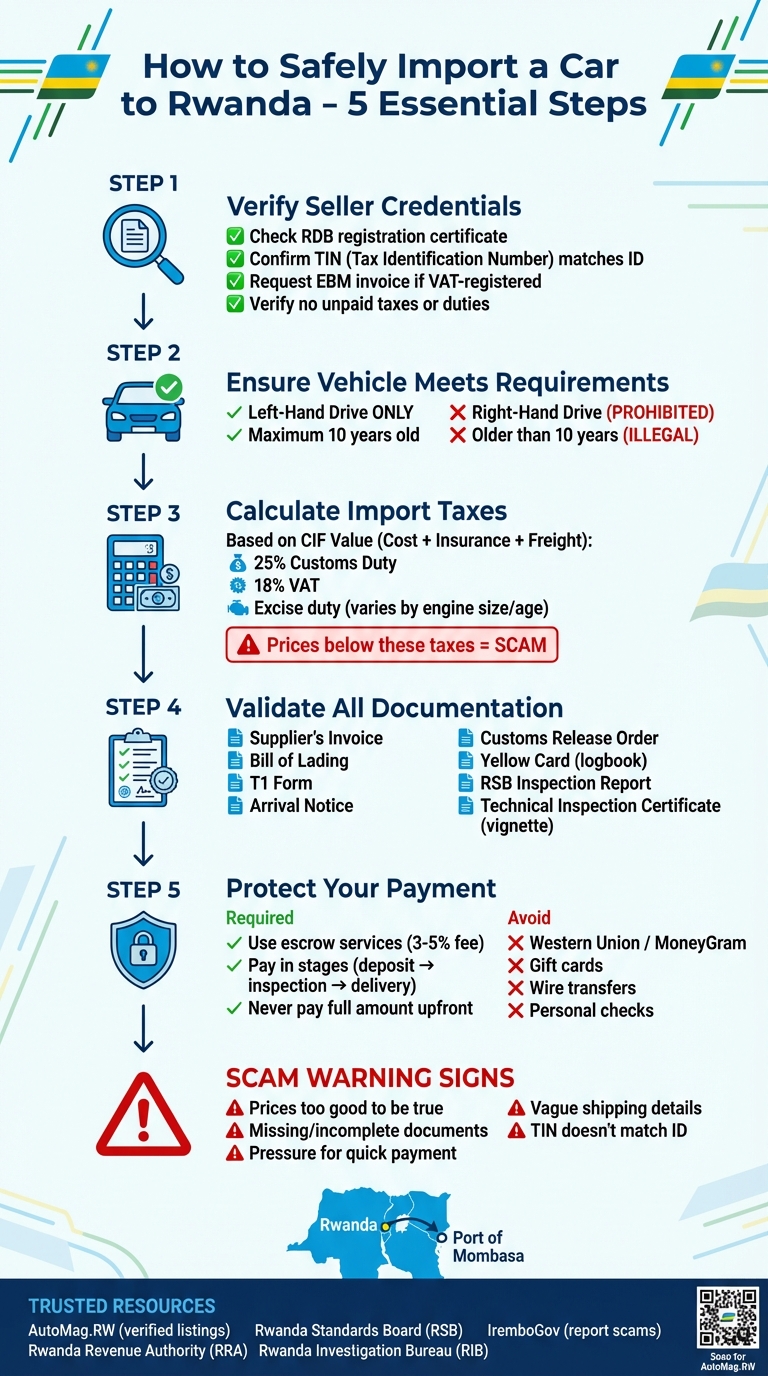
5-Step Guide to Safely Import a Car to Rwanda and Avoid Scams
Types of Car Import Scams in Rwanda
Fake Listings and Fraudulent Sellers
Scammers often create convincing websites or post enticing vehicle ads on online marketplaces, showcasing prices that seem too good to be true. These fraudulent sellers usually list cars well below market value to lure unsuspecting buyers. However, these listings are riddled with red flags – no physical address, no registration with the Rwanda Development Board (RDB), and no way to confirm the seller’s identity. Attempts to contact them often lead to unresponsive phone numbers or unverifiable companies.
Keep in mind that legitimate car imports involve mandatory costs like 25% customs duty and 18% VAT on the CIF (Cost, Insurance, and Freight) value. If a deal bypasses these taxes and offers a price that seems suspiciously low, it’s likely a scam. Another warning sign is the use of forged documentation to mislead buyers.
Forged Documents and Fake Papers
Document forgery is a common tactic in car import scams, and it’s surprisingly elaborate. Scammers produce fake registration certificates, export approvals, and logbooks that can easily fool buyers who aren’t familiar with proper verification. A key warning sign? The Taxpayer Identification Number (TIN) on the customs declaration doesn’t match the National Identity Card or Passport of the supposed owner.
Authentic car imports require specific documents stamped by the Customs department, such as the Bill of Lading, T1 form, Arrival Notice, Supplier’s Invoice, and Customs Release Order. Missing stamps or incomplete paperwork should immediately raise suspicion. Additionally, scammers often try to pass off vehicles that don’t meet Rwanda’s import regulations, such as right-hand drive cars or vehicles older than 10 years, both of which are illegal to import.
Upfront Payment Scams
This is one of the simplest yet most devastating scams. Fraudsters demand partial or full payment upfront, claiming it’s needed to cover shipping or secure the vehicle. Once the money is transferred, the seller disappears, leaving the buyer with no car, no refund, and no way to trace the scammer.
These scammers often create a false sense of urgency, pressuring buyers to act quickly before the vehicle is "sold" to someone else. To protect yourself, always use secure, escrow-based payment methods that hold funds until the car is delivered and verified.
Rwanda’s Car Import Regulations Explained
Navigating Rwanda’s car import rules is crucial if you want to avoid falling victim to scams. Fraudsters often target buyers who are unfamiliar with the regulations, offering illegal deals that can lead to serious trouble. To keep things above board, the Rwanda Revenue Authority (RRA) and Rwanda Standards Board (RSB) enforce strict guidelines that every imported vehicle must meet. Knowing these rules not only protects you from scams but also ensures your car complies with the law.
Customs Clearance and Tax Requirements
The RRA oversees customs clearance and calculates taxes based on the vehicle’s CIF value, which includes Cost, Insurance, and Freight. Here’s what to expect in terms of taxes:
- 25% customs duty
- 18% VAT
- An excise duty, determined by the car’s engine size and age
To complete the process, you’ll need specific documents: a Taxpayer Identification Number (TIN), the supplier’s invoice, an arrival notice, a bill of lading, and a T1 form. For individuals, a passport photo and ID are required, while companies must provide their RDB registration certificate. Be meticulous – your TIN must match your identification documents exactly, as discrepancies can delay the clearance process.
Most vehicles enter Rwanda through the Port of Mombasa in Kenya and are then transported overland. The RRA offers expedited clearance options in certain cases, but all taxes and inspections must still be fully settled. Once you’ve paid the necessary fees and passed all inspections, the RRA will issue your registration certificate (logbook) and license plates.
After clearing customs, your vehicle must meet Rwanda’s strict inspection standards to be deemed roadworthy.
Vehicle Inspection Standards
The Rwanda Standards Board enforces safety and emissions checks to ensure all vehicles meet the country’s regulations. Two critical rules apply: the car must be Left-Hand Drive only (Right-Hand Drive vehicles are strictly prohibited), and it cannot be older than 10 years from its manufacturing date. Scammers often try to sell Right-Hand Drive cars or older vehicles, knowing these cannot legally enter Rwanda.
When your car arrives, it undergoes an initial inspection by the RSB. Beyond that, ongoing compliance is required. The Rwanda National Police conducts regular technical inspections: personal vehicles must be inspected every 12 months, while commercial vehicles are checked every 6 months. New vehicles get a two-year grace period before their first inspection.
Passing vehicles receive a certificate called a "vignette." If your car fails inspection, you’ll have 14 days to make the necessary repairs and schedule a follow-up inspection, which costs 20% of the original fee. Appointments can be booked online, but ensure there are no unpaid traffic fines linked to the vehicle beforehand.
How to Verify Sellers and Vehicles
Before handing over any money, make sure you thoroughly verify both the seller and the vehicle. Skipping these steps can leave you vulnerable to scams, financial losses, or even legal troubles. A little diligence upfront can save you a lot of headaches later.
Check the Seller’s Credentials
Start by asking for the seller’s full RDB registration certificate. If the seller operates as an NGO or cooperative, request the relevant RGB or RCA certificate instead. Also, confirm their TIN (Tax Identification Number) and, if they’re VAT-registered, ask for their EBM invoice. A trustworthy seller should have a clean tax account, free of any unpaid central or local taxes, customs duties, or motor vehicle taxes. Missing or incomplete documentation is a major warning sign.
Validate Vehicle Documents
When it comes to the vehicle, ask for the most recent "Yellow Card" (logbook) and double-check that the plate and chassis numbers match the details in the RRA customs declaration. Ensure there are no legal restrictions or "caveats" tied to the vehicle.
For newly imported vehicles, go a step further. Review the import documents, such as the supplier’s invoice, Bill of Lading, T1 form, and Customs release order. If the sale happens outside Rwanda, make sure the international sale contracts are notarized. Once you’ve confirmed the paperwork, arrange for a professional inspection to assess the vehicle’s condition.
Get a Certified Vehicle Inspection
To ensure the vehicle is in good shape, rely on certified inspection services. Look for the RSB inspection report and confirm the technical inspection certificate (vignette) issued by the Rwanda National Police. Also, check that the vehicle has no unpaid fines or unresolved inspection issues, as these can complicate the transfer process.
Warning Signs of Car Import Scams
Catching a scam early can save you a lot of money and spare you from endless legal troubles. Below are some key indicators that can help you identify fraudulent car import deals.
Unrealistically Low Prices
Be wary of deals that seem too good to be true. If the price is significantly below the market value, it’s almost certainly a scam. To estimate the minimum legitimate price, add the mandatory taxes – 25% customs duty and 18% VAT – to the car’s international market value. Any offer below this total is a red flag. Scammers often try to justify these low prices with urgent personal stories, pushing you to make a quick deposit. As the Office of Minnesota Attorney General Keith Ellison wisely notes:
"If it sounds too good to be true, it probably is".
This advice reinforces the earlier warning about suspiciously low prices.
Missing or Incomplete Documentation
Proper documentation is non-negotiable for any car import. Essential documents include the supplier’s invoice, Bill of Lading, Arrival Notice, T1 form, Customs declaration (DMC), stamped motor vehicle registration form, Customs release order, and proof of registration fee payment. If a seller can’t provide all of these – or if the documents appear altered or inconsistent – it’s a major warning sign. Verifying the authenticity of these documents is just as important as checking the seller’s credentials. Pay close attention to the Tax Identification Number (TIN), which must match the buyer’s National ID or Passport. Additionally, be cautious with vehicles that have "IT" (International Transit) temporary plates. These require a specific conversion process, which scammers often fail to address properly.
Unclear Shipping and Delivery Terms
Vague shipping details are another red flag. Legitimate car imports to Rwanda typically go through the Port of Mombasa and follow a clearly documented transit route. Always verify shipping details directly with the shipping company using contact information from their official website – never rely on contact details provided by the seller. Scammers frequently create fake shipping or escrow websites with URLs that closely resemble those of real companies. Also, avoid payment methods like Western Union, MoneyGram, gift cards, or wire transfers, as these are untraceable and often used by scammers.
sbb-itb-7bc66b5
Trusted Resources for Safe Car Imports
Relying on verified platforms and official government resources is a smart way to minimize the risks associated with car import scams. These trusted sources ensure transparency, adherence to legal standards, and added protection for buyers.
AutoMag.RW: Verified Car Listings
AutoMag.RW is a reliable platform offering verified car listings tailored for Rwanda. By working with certified dealers, it ensures all vehicles meet local import standards. The site also provides tools to help you calculate import costs, including the 25% customs duty and 18% VAT, making the process more predictable. Additionally, AutoMag.RW shares practical advice for selecting cars suited to Rwanda’s roads.
Beyond verified listings, leveraging official financial resources can further safeguard your car import experience.
Rwanda Central Bank Blacklist
Before working with an import agent or dealer, consult the Rwanda Central Bank’s blacklist. This essential resource helps you confirm the legitimacy of financial and trading entities, reducing the risk of fraud. You can access the blacklist directly through the Rwanda Central Bank. For extra security, use the Rwanda Revenue Authority’s Electronic Single Window to verify importer TINs and ensure that clearing agents are properly registered to handle your documentation and duty payments securely.
Safe Payment and Transaction Methods
When importing a car, ensuring your funds are protected is crucial. Here’s how to handle payments securely and reduce risks.
Avoid Paying the Full Amount Upfront
Breaking payments into stages is a smart approach. Typically, this involves an initial refundable deposit (about $100 or roughly 170,000 RWF) to reserve the vehicle, a second payment after inspection or shipping confirmation, and the final payment upon delivery. Never send money to private sellers without first seeing the vehicle in person or arranging a verified live video inspection.
When it comes to customs and clearance fees, make sure all costs are agreed upon in writing with your clearing agent to avoid surprise charges. Also, double-check that the name on the bank account matches the seller’s official ID or registered business name. If you’re using a bank transfer, wait for your bank to confirm that the funds have fully cleared – this usually takes 1–3 business days – before completing the transaction, no matter what proof the seller provides.
For added peace of mind, you might want to use escrow services.
Use Escrow Services
Escrow services are a reliable way to safeguard your money. These services hold your payment securely and release it only after you’ve confirmed that the vehicle matches the description. Trusted platforms like Escrow.com specialize in vehicle transactions and typically charge a fee of 3% to 5% of the sale price.
Be cautious of escrow links provided by sellers – they’re often fraudulent and designed to steal your money. Always research and choose your own escrow service independently. Finally, avoid risky payment methods like personal checks, money orders, or digital payment apps such as Venmo or PayPal, as they offer no protection for vehicle purchases and are vulnerable to reversals.
What to Do If You’ve Been Scammed
If you’ve fallen victim to a scam, acting quickly is critical. The sooner you report the incident, the better your chances of recovering your money and stopping further fraudulent activity.
Report to the Rwanda Investigation Bureau (RIB)
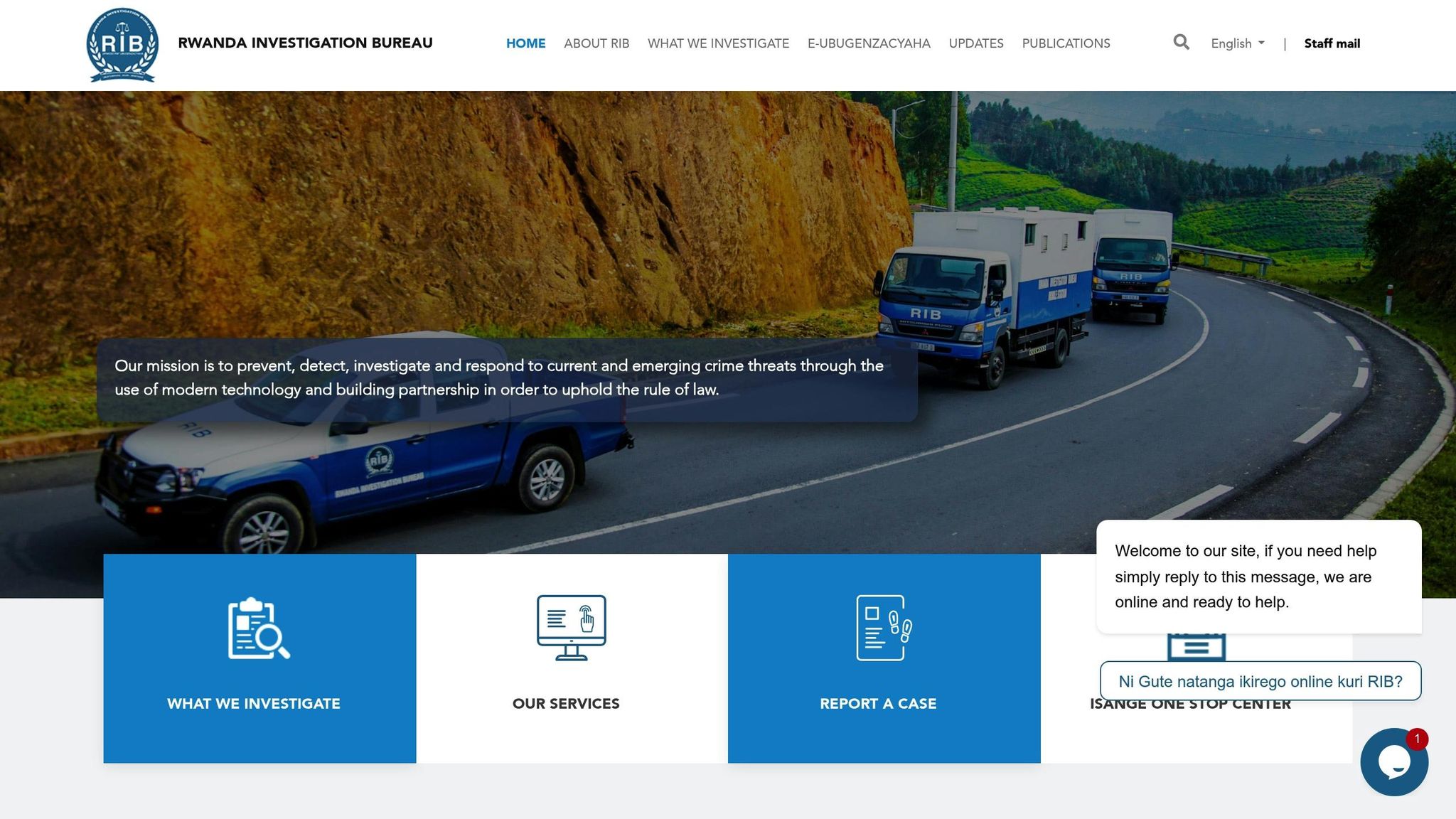
The Rwanda Investigation Bureau (RIB) handles fraud investigations in the country. You can file a complaint through IremboGov (www.irembo.gov.rw) under the "Criminal Record and Investigation" section. The process is free and usually takes about 10 days to complete.
Before submitting your complaint, gather all relevant evidence, including:
- Your National ID or Passport
- Taxpayer Identification Number (TIN)
- Payment receipts and bank confirmations
- Supplier invoices, bills of lading, and arrival notices
- The T1 form and any related communication records
Make sure to include a valid phone number and email address so you can receive updates about your case. If the scam involves an international party, additional steps will be necessary.
Report Cross-Border Fraud
For scams involving entities based outside Rwanda, file a report on econsumer.gov. This platform is a collaboration of international consumer protection agencies. According to econsumer.gov:
"Your complaints help the FTC and law enforcement agencies conduct investigations, bring lawsuits and prevent international scams."
If you suspect fraud related to vehicle registration or ownership, reach out to the Rwanda Revenue Authority (RRA). An RRA/RIED officer can verify whether the chassis number matches the registration card on record.
Conclusion
Importing a car into Rwanda involves thorough checks and careful planning to ensure a smooth and hassle-free process. Start by verifying the seller’s credentials, double-checking all documents, and avoiding full upfront payments. Make sure the vehicle meets Rwanda’s requirements, such as being left-hand drive (LHD) and no older than 10 years.
Before moving forward, take time to summarize all costs and confirm compliance with local regulations. Calculate the CIF (Cost, Insurance, and Freight) value, then add 25% Customs Duty and 18% VAT to get a clear picture of the total expense. Work exclusively with clearing agents registered with the Rwanda Revenue Authority (RRA) and ensure the vehicle passes the Rwanda Standards Board (RSB) inspection before registration.
Be cautious of deals that seem too good to be true, incomplete paperwork, or high-pressure tactics. Trusted platforms like AutoMag.RW can be invaluable, offering pre-verified listings and expert advice to guide you through the process. As one expert puts it:
"Importing a car into Rwanda can seem like a daunting process, but with the right guidance, it can be straightforward and stress-free".
If you notice any inconsistencies or red flags during the process, don’t hesitate to walk away. Taking the time to verify every detail now can save you from financial losses or legal troubles later. Stay organized, use reliable resources, and ensure all your paperwork is in order from start to finish.
FAQs
What are the most common car import scams to watch out for in Rwanda?
When importing cars in Rwanda, it’s important to be aware of common scams like odometer fraud, fake documents, and mismatched Vehicle Identification Numbers (VINs). Here’s how these scams typically play out:
- Odometer fraud: Scammers may tamper with the odometer to make the car appear less used than it really is. Watch for red flags like an overly worn interior or service records that don’t align with the displayed mileage.
- Fake or altered documents: Fraudsters often use forged registration papers, import certificates, or service histories to mislead buyers. Always double-check these documents with trusted authorities such as the Rwanda Revenue Authority to confirm their authenticity.
- Mismatched VINs: Sometimes, the VIN on the car won’t match the one in the provided paperwork. Make it a habit to compare the VIN on the vehicle itself with the documentation to avoid falling victim to this trick.
By staying cautious and thoroughly verifying all details, you can steer clear of these scams and make informed decisions when purchasing a car.
How can I make sure car import documents are genuine in Rwanda?
To confirm the legitimacy of car import documents in Rwanda, begin by checking the vehicle’s details on the Rwanda Revenue Authority (RRA) portal. Use the VIN or registration number to verify the import records, taxes, and customs declarations.
RRA also offers paid services to assist with this process. For example, you can perform a VIN lookup for approximately $5 or request document verification for about $8. These services help ensure the paperwork accurately corresponds to the vehicle. Additionally, verify the seller’s Tax Identification Number (TIN) against their official ID, and thoroughly check the proof of ownership, customs clearance, and roadworthiness certificates to ensure everything is consistent and genuine.
Lastly, keep a record of your verification steps and receipts for future reference. This can be invaluable if any issues arise later.
What do I need to legally import a car into Rwanda?
To bring a car into Rwanda legally, there are specific requirements for both the necessary documentation and the vehicle itself.
Documentation Requirements
If you’re an individual, you’ll need a valid Tax Identification Number (TIN) from the Rwanda Revenue Authority (RRA), a passport-size photo, and a copy of your national ID or passport. For businesses, a trading license or equivalent registration documents must be provided. These documents are essential for customs clearance, vehicle registration, and getting license plates.
Vehicle Requirements
Rwanda only allows left-hand-drive (LHD) vehicles, and the car must be no older than 10 years. It should comply with the country’s emission and safety standards. You’ll also need proof of ownership, such as the original logbook or title deed. Right-hand-drive (RHD) vehicles are not allowed for long-term use within the country.
Meeting these requirements is key to avoiding delays or complications during customs clearance and registration.
Related Blog Posts
- 8 Common Car Buying Scams in Rwanda
- How to avoid scams buying a car in Rwanda
- Car Buying Traps to Avoid in Rwanda
- Import a Car from Belgium to Rwanda: Complete Guide and How to Avoid Scams