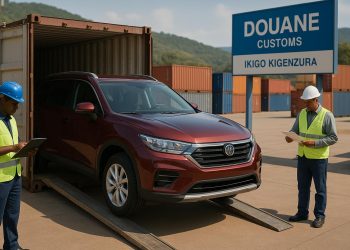
Car insurance in Rwanda is mandatory for all vehicles, with third-party liability being the minimum legal requirement. This protects against damages caused to others but doesn’t cover your own vehicle. For broader coverage, options like fire and theft or full coverage are available, which include protection for risks like accidents, natural disasters, and theft. Insurance costs vary based on your car’s value, driving history, and location, with premiums starting lower for basic plans and increasing for more inclusive coverage.
Key points:
- Third-party liability: Required by law; covers damages to others.
- Fire and theft: Adds protection for fire damage and theft.
- Full coverage: Includes protection for your vehicle, third-party damages, and more.
- Cost factors: Car value, driving record, and location influence premiums.
- Discounts: Safe driving and no-claim records can reduce costs by up to 60%.
To save, compare quotes, adjust deductibles, and explore discounts like bundling multiple policies. Maintaining a clean driving record and using technology like tracking devices can also lower premiums.
Legal Requirements for Car Insurance in Rwanda
In Rwanda, every vehicle on the road is required to have at least third-party liability insurance. Without valid insurance, you cannot legally drive or register your vehicle with the Rwanda Transport Development Agency (RTDA). The Rwanda National Police (RNP) Traffic Department enforces this law and has the authority to stop vehicles to check for an insurance certificate, vehicle registration, and a valid driver’s license. These checks are a routine part of ensuring compliance with the law.
Driving without insurance carries serious consequences, including fines, license suspension, or even imprisonment for more severe violations. If a driver accumulates 12 points within a year, their license is suspended for three months. Repeated offenses can lead to permanent license revocation.
"Rwanda has very good, focused leadership in road safety – political will is key." – Dr. Olive C. Kobusingye, Regional Advisor on Violence, Injuries and Disabilities, WHO Regional Office for Africa
This strict enforcement reflects Rwanda’s dedication to improving road safety and ensuring adherence to regulations.
For foreign drivers, an International Driving Permit is valid for up to one year. However, after three months of residency, they are required to obtain a Rwandan driver’s license. Keeping track of your permit’s expiration date is crucial to avoid driving illegally. Understanding these legal requirements will help you make informed decisions when selecting a car insurance plan.
Types of Car Insurance in Rwanda

Car Insurance Types in Rwanda: Coverage Comparison Chart
Rwanda offers a variety of car insurance options, each with its own level of coverage. Knowing what each type includes can help you make an informed decision based on your needs and situation. Below, we break down the main types of car insurance available.
Third-Party Liability
This is the minimum insurance required by law for all vehicles in Rwanda. Third-party liability insurance covers damages you may cause to someone else’s property, as well as injuries or fatalities resulting from an accident. However, it does not cover damage to your own vehicle or injuries you might sustain. This option is best suited for budget-conscious drivers or those with older vehicles who only need basic legal coverage.
Full Coverage
Comprehensive insurance offers broader protection, covering a wide range of scenarios. It includes protection for accidental damage to your vehicle, overturning, fire, theft, intentional damage, natural disasters, and third-party liabilities. Many policies also come with additional benefits like windscreen repair, coverage for stolen accessories, spare parts, and towing services. Under Rwandan law, a vehicle is deemed a "total loss" if repair costs exceed 50% of the insured value. This type of insurance is ideal for owners of newer or high-value vehicles, and it’s often required by lenders if your car is financed.
Passenger and Driver Coverage
Personal accident insurance focuses on medical expenses and injuries sustained by the driver or passengers in an accident. This type of coverage is especially important for commercial operators, such as taxi drivers, or for those who frequently transport passengers. Additionally, commercial vehicle owners must provide historical insurance details during vehicle ownership transfers.
Fire and Theft Coverage
Third Party, Fire & Theft (TP&FT) insurance provides a middle ground between basic and comprehensive coverage. It includes the standard third-party liability protection but adds coverage for your vehicle in cases of fire or theft. This option is ideal for drivers who want more than the legal minimum but don’t need full comprehensive insurance. It’s particularly useful for those in areas with higher theft risks or for mid-value cars.
| Insurance Type | Third-Party Liability | Damage to Own Vehicle | Theft & Fire | Natural Disasters |
|---|---|---|---|---|
| Third-Party Only (TPO) | Yes | No | No | No |
| Third Party, Fire & Theft | Yes | No | Yes | No |
| Comprehensive | Yes | Yes | Yes | Yes |
Car Insurance Prices in Rwanda
Car insurance costs in Rwanda can vary significantly, depending on the type of coverage you select and the insured value of your vehicle. Unlike markets with standardized pricing, Rwandan insurers offer customized premiums based on your vehicle’s value and your personal risk profile. This means two drivers with similar cars might pay different rates due to factors such as driving history, how the car is used, and the deductibles they choose. This flexibility has created a competitive and dynamic insurance market.
Market Trends: By 2025, Rwanda’s motor vehicle insurance market is expected to hit $494.82 million, with an average annual spending of $33.58 per person. The market is projected to grow steadily at 1.49% through 2030, fueled by rising vehicle ownership and stricter enforcement of insurance laws. As more drivers seek better protection, there’s a noticeable shift from basic third-party coverage to more comprehensive plans.
The type of coverage you choose significantly impacts your premium. Third-party liability insurance, which is the legal minimum, is the most budget-friendly option, covering damages you cause to others. If you want more protection, Third Party, Fire & Theft covers additional risks such as fire damage and theft but comes at a higher cost. Comprehensive insurance, while the most expensive, provides the widest protection, including coverage for accidental damage, natural disasters, and theft.
Save on Premiums: Drivers in Rwanda can lower their premiums by taking advantage of the No-Claims Discount (NCD), which can reduce costs by up to 60% for maintaining a claim-free record over several years. Fleet discounts are another way to save, especially for those insuring multiple vehicles. Some insurers also offer discounts when you bundle car insurance with other policies.
To get the best deal, compare at least three quotes from different providers. Opting for a higher deductible can also lower your premium, but make sure you’re prepared to cover the extra cost if you need to file a claim. With the growing use of digital platforms in Rwanda’s insurance industry, comparing policies and purchasing coverage online has become more convenient than ever.
sbb-itb-7bc66b5
What Affects Your Insurance Premium
Insurance companies determine your premium based on specific risk factors. Knowing these can help you make choices that might reduce your costs.
Your driving history is one of the biggest factors. A clean driving record for at least three years can help you qualify for lower premiums. Insurers also look at your claims history – if you haven’t made any claims, you might be eligible for no-claims discounts. New drivers often face higher rates because they lack a driving record, and drivers under 26 are generally considered higher risk due to their limited experience. But it’s not just your driving history that matters – your vehicle also plays a big role.
Your vehicle’s characteristics directly affect your premium. The age, model, and market value of your car set the baseline cost. Newer or more expensive cars typically cost more to insure because they are pricier to repair or replace. But where you live also has a significant impact.
Where you live can greatly influence your insurance costs. Insurers assess risks tied to your location, such as traffic levels, crime rates, and natural hazards. As The Zebra puts it:
"Every city has its own set of risks when it comes to setting insurance premiums. Imagine bustling cities with lots of traffic and, sometimes, higher crime rates. Because of these factors, insurance companies might see these places as riskier and might charge more to cover the potential extra costs".
Urban areas with dense traffic often see higher accident rates, while neighborhoods prone to theft or vandalism can drive up the cost of comprehensive coverage. For instance, in Rwanda, environmental risks like flooding and landslides in hilly regions are increasingly factored into insurance decisions. Initiatives like Britam Rwanda‘s partnership with Nyarugenge District highlight the growing importance of addressing these risks.
Modern tracking technology is also reshaping how premiums are calculated. Beyond historical data, insurers now use technology to assess risk in real time. Usage-based insurance relies on GPS tracking to monitor driving behaviors like speeding, harsh braking, and rapid acceleration. Installing a tracking device can demonstrate safe driving habits and potentially lower your rates. For example, Cartrack, operating in Rwanda, boasts a stolen vehicle recovery rate of over 90%, which can influence premiums related to theft. Additionally, completing a certified defensive driving course may qualify you for discounts, offering savings over time despite the initial cost.
How to Choose and Save on Car Insurance
When shopping for car insurance, start by comparing at least three providers. Look at their coverage options, pricing, financial stability, and how they handle claims. A provider’s reputation and ability to pay out claims when needed are critical factors to verify before making a decision.
Once you’ve narrowed down your choices, consider adjusting your deductible to find the right balance between monthly premiums and potential out-of-pocket costs. For example, increasing your deductible from $200 to $500 could lower your premiums by 15–30%, while a $1,000 deductible might reduce them by 40% or more. Just make sure you have enough emergency savings to cover the higher deductible if you need to file a claim. Another way to save is by bundling policies – combining your car insurance with home or health insurance could save you around 5% annually. Similarly, insuring multiple vehicles under the same policy might cut costs by 10% or more.
Your driving habits also play a big role in keeping premiums low. Maintaining a clean driving record is one of the most effective ways to save over time. Many insurers offer discounts for claim-free years, which can add up to as much as 60%. Additionally, ask about usage-based insurance programs that monitor your driving through GPS tracking. Installing a tracking device can showcase your safe driving habits and potentially lower your rates further.
Before finalizing any policy, take the time to double-check your vehicle details. Ensure that information like your car’s make, model, classification, and the ages of drivers is accurate – errors here could lead to overpaying. It’s also worth exploring add-ons like roadside assistance, medical expense coverage, and rental car reimbursement. These extras can provide added protection without significantly increasing your premiums. If you own more than one vehicle, ask about fleet discounts. Planning to drive outside the U.S.? Check if your coverage extends to other countries. These steps help ensure your policy meets your specific needs without unnecessary costs.
Lastly, if your car’s value is less than 10 times your annual premium, think about dropping comprehensive or collision coverage to save money. Some insurers even waive vehicle inspection fees when you renew your policy, offering another opportunity for savings.
"The key to savings is not the discounts, but the final premium you pay. A company that offers fewer discounts may still have a lower overall price".
Conclusion
In Rwanda, having third-party liability coverage isn’t optional – it’s a legal requirement. When selecting insurance, consider your vehicle’s value, financial situation, and how much risk you’re comfortable with. If your vehicle is financed, comprehensive coverage is often a must.
Insurance premiums in Rwanda are shaped by clear, data-backed variables. Companies rely on predictive modeling and data analysis to assess risks, taking into account factors like age, gender, driving history, and regional claim trends. This means two drivers with the same car might pay different premiums based on their personal profiles and where they live. To stay compliant, always carry your original driver’s license, insurance certificate, and vehicle registration to avoid penalties during police checks.
These pricing models highlight the importance of making informed choices. Regularly reviewing and updating your policy ensures it keeps pace with your needs. If you’re thinking about switching to an electric vehicle, you can take advantage of full tax exemptions as part of Rwanda’s initiative to promote green mobility.
The insurance market here is undergoing a transformation, with continuous data collection improving the accuracy of risk assessments. This shift means that while policies are priced more fairly, your personal driving habits play a bigger role in determining your premiums. A clean driving record can help lower costs, while violations not only result in fines but could also lead to higher insurance rates.
As the market evolves, staying proactive is essential. Comparing quotes and thoroughly checking policy details can help you secure coverage that aligns with your needs without overspending.
FAQs
What happens if you drive without car insurance in Rwanda?
Driving without car insurance in Rwanda isn’t just risky – it’s against the law. If caught, you could face hefty fines, legal penalties, or even have your vehicle impounded. On top of that, getting into an accident without insurance could leave you personally responsible for all damages, which might lead to overwhelming financial burdens.
The solution? Make sure you have at least the minimum coverage required by law. It’s not just about staying legal – it’s about safeguarding yourself and others whenever you’re on the road.
What are the best ways to lower car insurance costs in Rwanda?
Lowering car insurance costs in Rwanda starts with reducing your risk profile and tailoring your coverage to suit your needs. If saving money is a priority, you might want to go with third-party liability coverage. This option is generally cheaper than comprehensive insurance, though it only covers damage to others and doesn’t protect your own vehicle.
To keep premiums low, focus on maintaining a clean driving record and consider driving a car with a solid safety rating. Choosing a model known for fewer accidents can also help you avoid higher insurance rates. Don’t forget to ask your insurer about possible discounts for low mileage, completing defensive-driving courses, or installing anti-theft devices – these small steps can add up to significant savings.
Another tip is to increase your deductible, which can lower your annual premium. Just remember, you’ll need to cover more out-of-pocket costs if you ever file a claim. You can also explore options like bundling your policies (such as combining car and home insurance) or paying your premium annually to avoid extra processing fees. Finally, take the time to regularly review your policy and compare quotes from local providers. This ensures you’re getting the best deal while still meeting Rwanda’s legal insurance requirements.
What affects the cost of car insurance in Rwanda?
The cost of car insurance in Rwanda is influenced by a variety of factors. One of the biggest considerations is the type and model of your vehicle. For instance, vehicles like Mitsubishi Fuso and HOWO trucks generally come with higher premiums due to their higher involvement in accidents. On the other hand, high-capacity buses often enjoy lower rates.
Accident trends also play a crucial role in determining rates. With accidents increasing from 4,160 in 2020 to 8,660 in 2022, insurance premiums have risen to account for the growing number of claims.
The cost of vehicle repairs is another significant factor. As global prices for spare parts climb, insurers adjust their rates to keep up with these repair costs. Finally, insurers evaluate risk based on past claims and losses. For example, when claims payouts jumped from RWF 2.6 billion to over RWF 4 billion, both comprehensive and third-party insurance rates saw increases. Together, these elements shape the price of car insurance in Rwanda.
Related Blog Posts
- Car insurance costs in Rwanda
- Comprehensive car insurance in Rwanda: What you need to know in 2025
- How much does comprehensive car insurance cost in Rwanda?
- How to Get the Best Car Insurance Deal in Rwanda