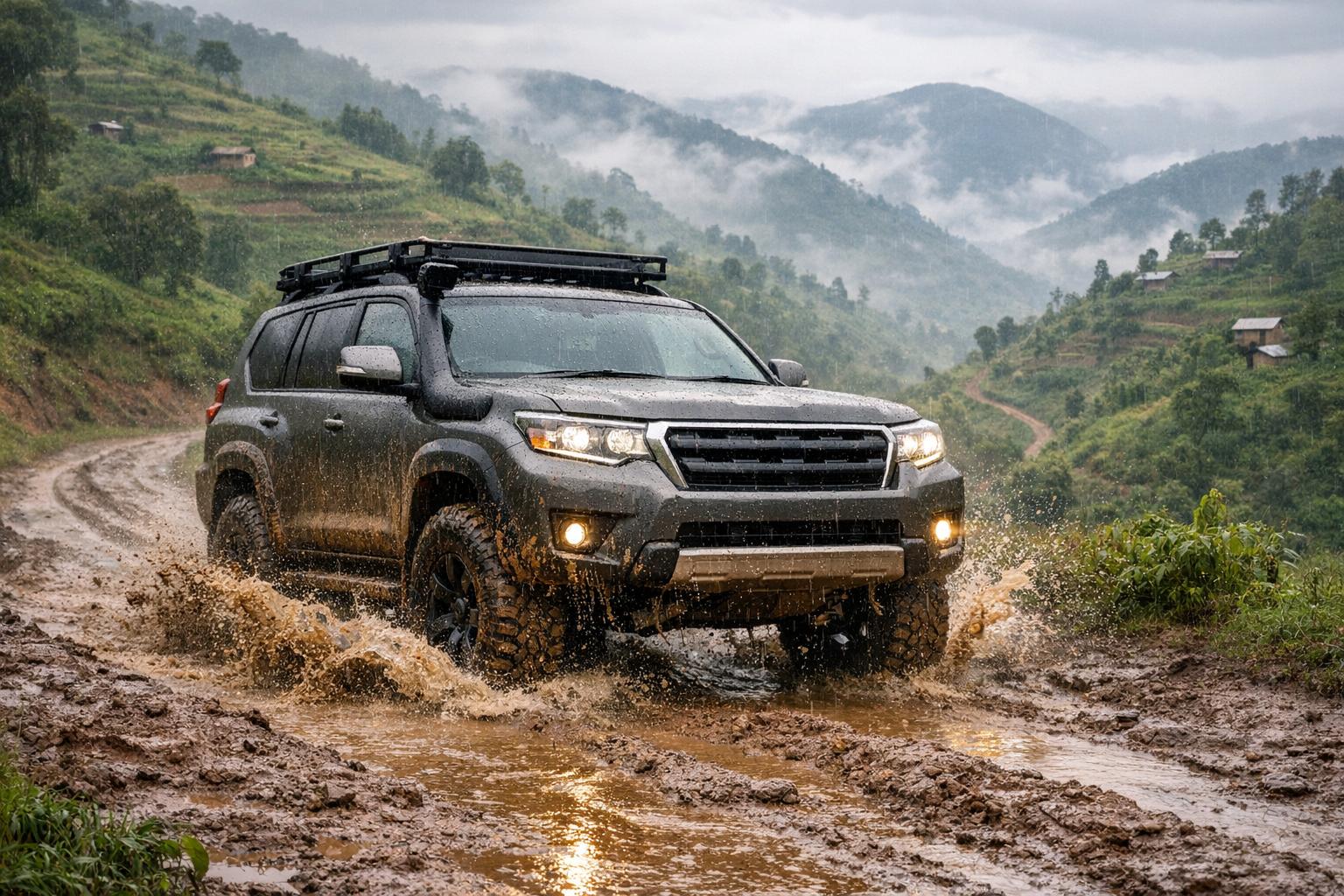
Rwanda’s hilly terrain, unpredictable rainy seasons, and rugged rural roads demand vehicles that can handle steep inclines, slippery paths, and tough conditions. Whether you’re navigating Kigali‘s paved streets, crossing muddy rural tracks, or climbing mountainous regions, a reliable 4×4 is essential. Key factors to consider include:
- Ground Clearance: 8.3 to 12.2 inches is ideal to avoid damage on rough roads.
- Drivetrain: 4WD with low-range gearing is better for off-road and muddy conditions, while AWD suits urban and light gravel roads.
- Durability: Vehicles with ladder-frame chassis and widely available parts, like Toyota models, are easier to maintain.
- Fuel Efficiency: Hybrid models like the Toyota RAV4 Hybrid offer impressive fuel savings for long trips.
Top Picks for 2026:
- Toyota Land Cruiser Prado – Durable, reliable, and perfect for steep hills and slippery roads.
- Toyota Land Cruiser V8 (LC300) – A powerhouse for rugged terrain with advanced off-road features.
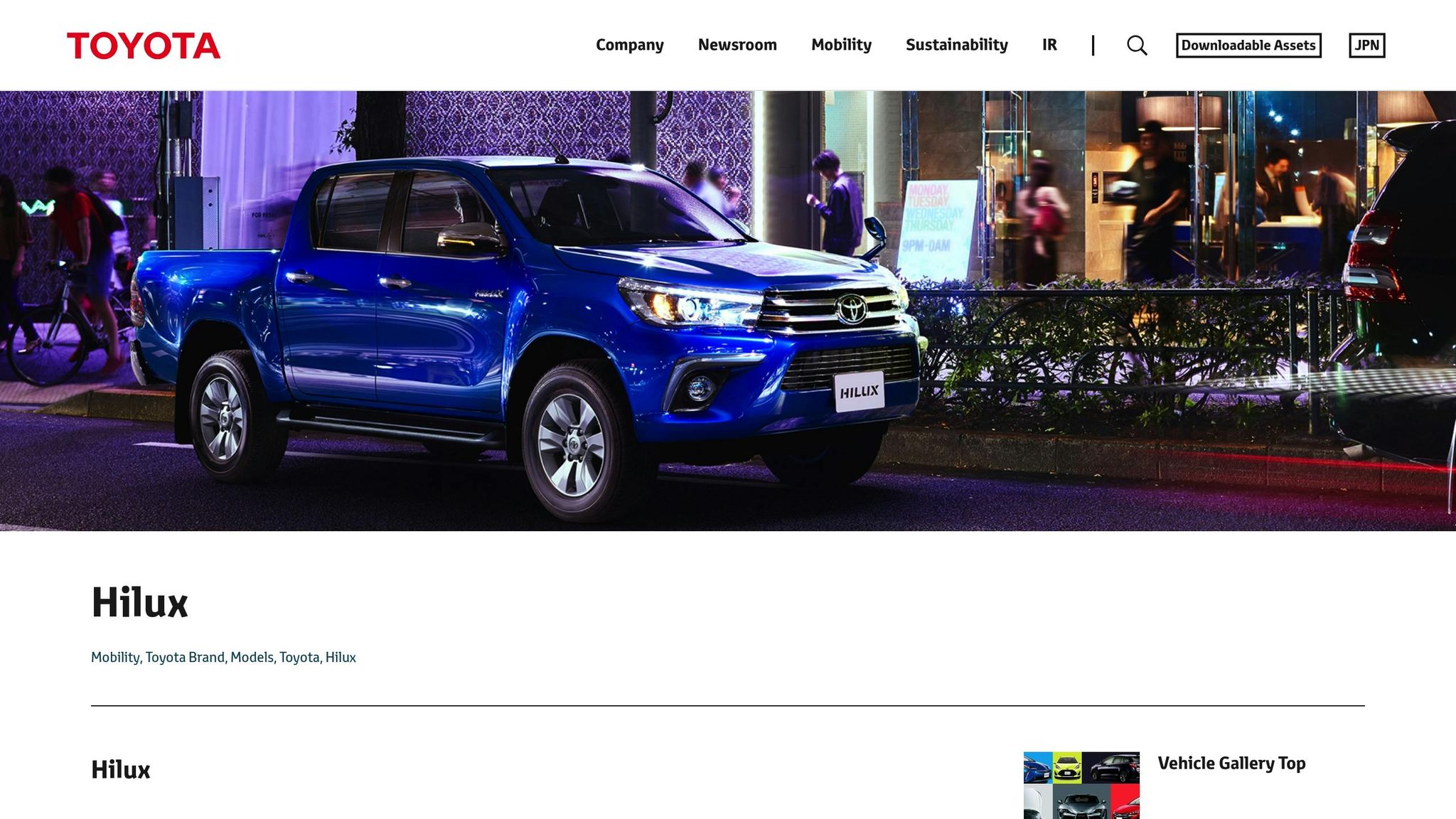
- Toyota Hilux – Excellent ground clearance and reliability for rural regions.
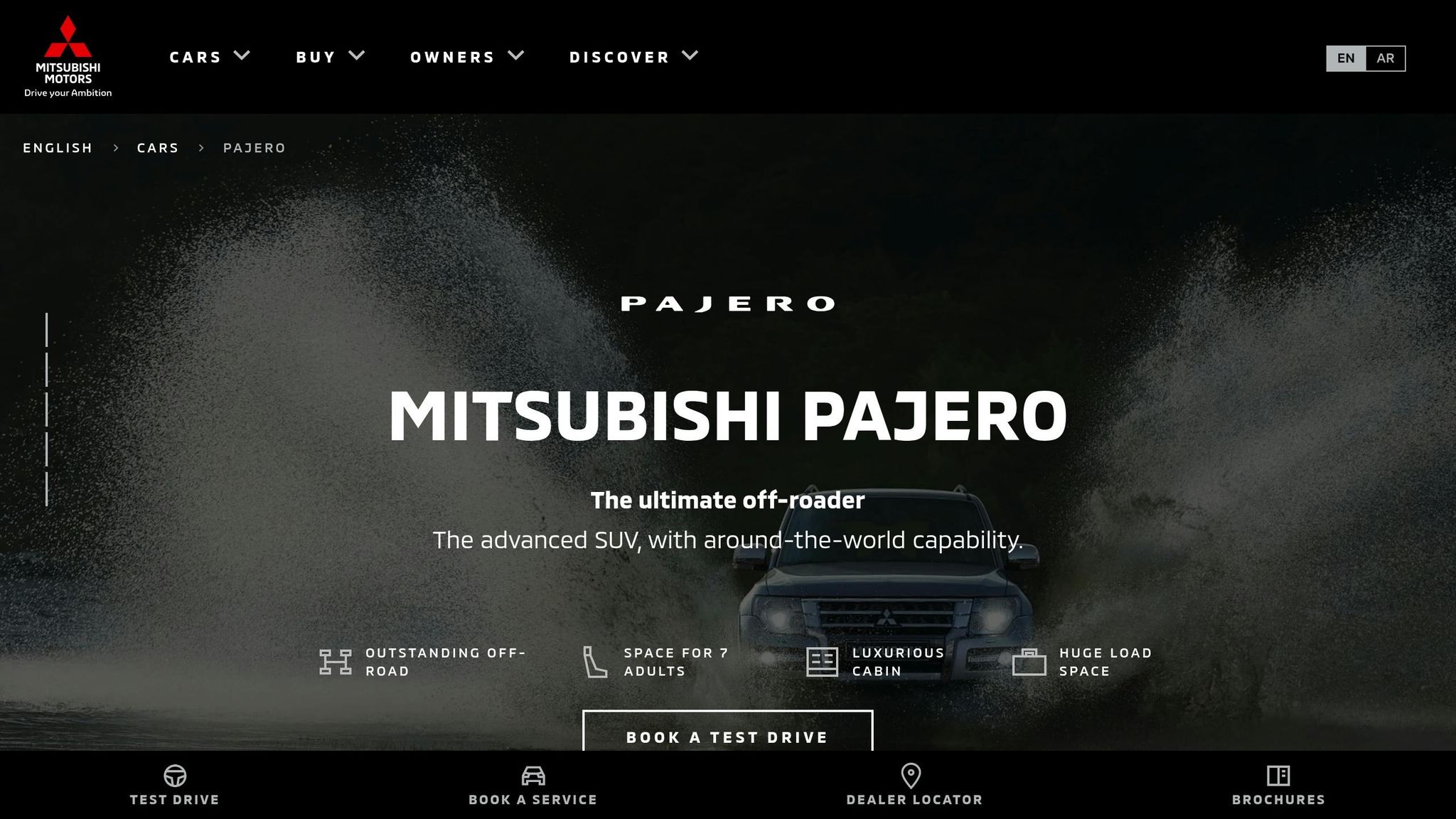
- Mitsubishi Pajero – A solid choice for transitioning between urban and off-road environments.
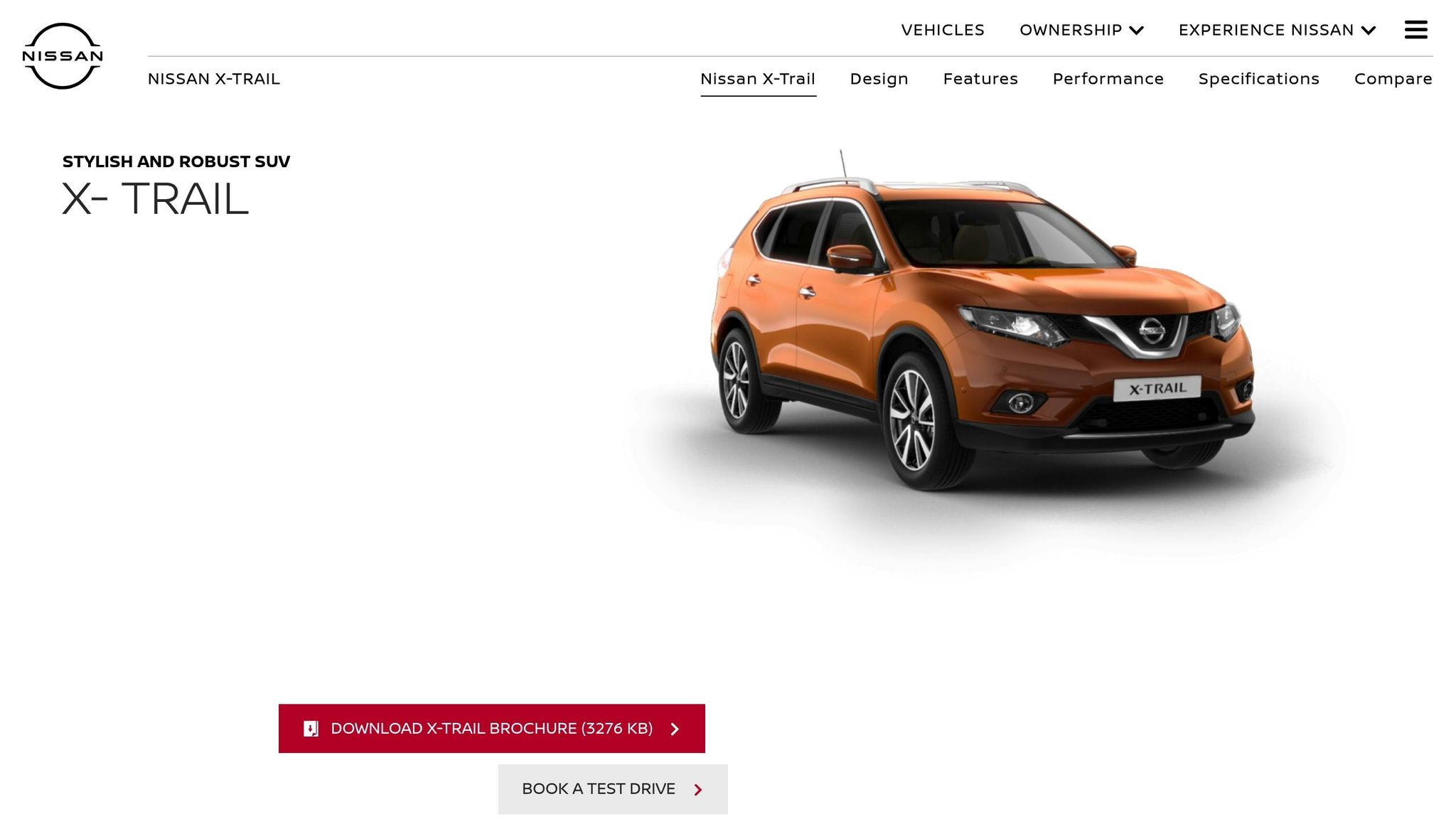
- Nissan X-Trail – Great for light off-road and family trips.
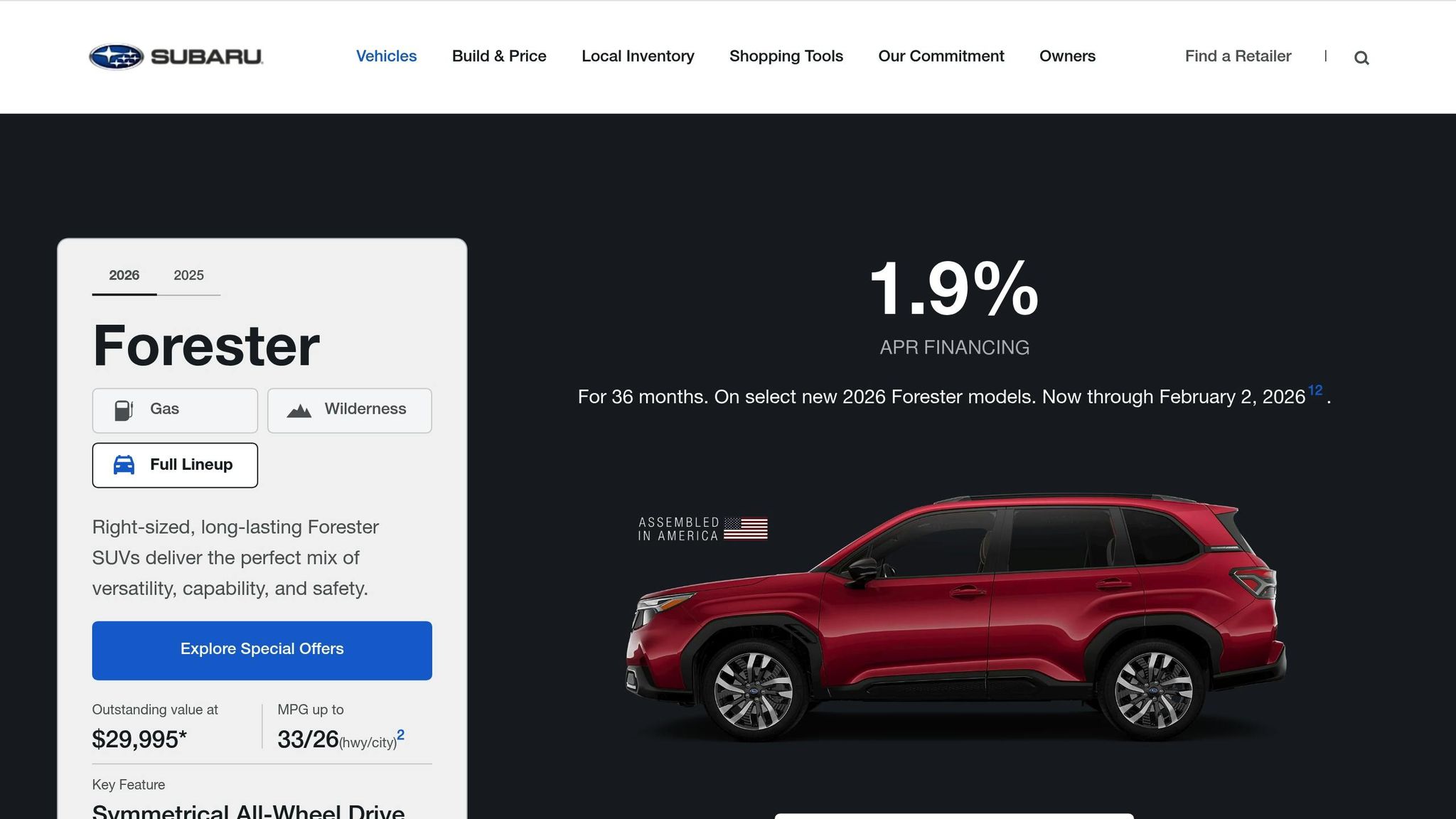
- Subaru Forester – AWD and X-MODE for wet and hilly conditions.
- Toyota RAV4 – Fuel-efficient hybrid with AWD for mixed use.
- Isuzu D-MAX – Built for heavy-duty tasks and tough landscapes.
- Ford Ranger – Off-road-ready with specialized trims like the Raptor.
- Toyota Land Cruiser 76/79 Series – Rugged and reliable for extreme conditions.
Quick Comparison Table:
| Vehicle | Ground Clearance | Drivetrain | Fuel Efficiency (MPG) | Price (USD) | Best For |
|---|---|---|---|---|---|
| Toyota Land Cruiser Prado | 8.3–8.5 in | Full-time AWD | 23–27 | $55,000–$75,000 | Hills, mud, reliability |
| Toyota Land Cruiser V8 (LC300) | 9.3 in | Full-time AWD | 23 | $85,000–$110,000 | Rugged terrain, luxury |
| Toyota Hilux | 11.5–12.2 in | Part-time 4WD | 24–28 | $35,000–$50,000 | Rural roads, heavy-duty tasks |
| Mitsubishi Pajero | 8.6 in | Full-time AWD | 24–26 | $40,000–$55,000 | Urban-to-off-road versatility |
| Nissan X-Trail | 8.2 in | AWD | 26–30 | $32,000–$42,000 | Light off-road, family trips |
| Subaru Forester | 8.7–9.3 in | AWD | 28–33 | $30,000–$38,000 | Wet roads, hilly terrain |
| Toyota RAV4 | 8.6 in | AWD/Hybrid AWD | 28–41 | $32,000–$45,000 | Fuel efficiency, mixed use |
| Isuzu D-MAX | 9.4 in | Part-time 4WD | 23–26 | $38,000–$48,000 | Heavy loads, rugged conditions |
| Ford Ranger | 9.3–10.7 in | Part-time 4WD | 19–28 | $36,000–$50,000 | Off-road, towing |
| Toyota Land Cruiser 76/79 | 9.1 in | Part-time 4WD | 21.5–27 | $43,000–$97,000 | Extreme off-road, durability |
Whether you’re tackling rough rural roads or cruising Kigali’s streets, these 4x4s are built for the job. Keep reading for detailed insights into each model.
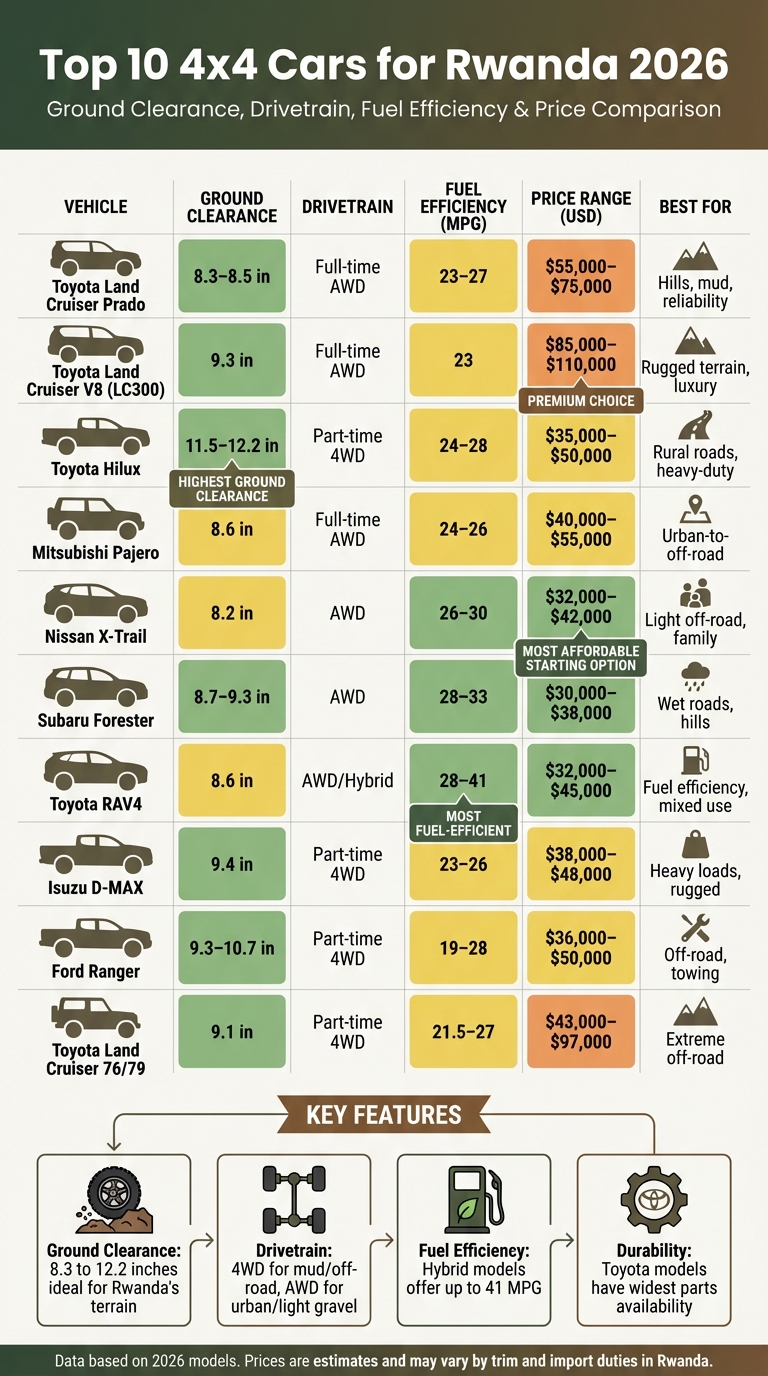
Top 10 4×4 Cars for Rwanda 2026: Ground Clearance, Fuel Efficiency & Price Comparison
What to Look for in a 4×4 for Rwanda
Picking the right 4×4 for Rwanda requires careful consideration of a few key factors to ensure your vehicle can handle the country’s rugged and varied terrain.
Ground clearance is a top priority. For Rwanda’s steep hills and rough roads, you’ll want a vehicle with a clearance between 11.0 inches (279 mm) and 12.2 inches (310 mm). For instance, the Toyota Hilux offers clearance from 11.6 inches (294 mm) to 12.2 inches (310 mm). This ensures the undercarriage stays safe from rocks and uneven surfaces. But clearance is just one piece of the puzzle.
Drivetrain type is equally important, especially during the rainy season when roads can turn into muddy challenges. A four-wheel drive (4WD) system with low-range gearing and locking differentials is ideal. These features help distribute power effectively, allowing the vehicle to tackle deep mud and steep, slippery slopes. Darren Moss, Deputy Digital Editor at What Car?, explains:
"A low range gearbox… can multiply the engine’s torque, allowing the vehicle to crawl slowly and powerfully up steep inclines or through thick sludge without stalling".
On the other hand, all-wheel drive (AWD) systems are better suited for paved roads or light gravel but lack the power needed for tougher off-road conditions. Beyond performance, practical considerations like maintenance also matter.
Parts availability is a critical factor when driving in remote areas. Toyota’s widespread presence in Rwanda ensures spare parts are easy to find, and vehicles with simple mechanical designs, like ladder-frame chassis, are far easier to repair in the field compared to more intricate systems like air suspensions.
Fuel consumption is another aspect to keep in mind, especially with local fuel prices. The 2025 RAV4 Hybrid, for example, offers an impressive efficiency of 5.5 L/100 km (around 2.3 gallons per 100 miles) while maintaining AWD functionality.
Finally, build quality and durability are essential for handling Rwanda’s demanding conditions. Regular maintenance, such as oil changes every 7,000–10,000 km, helps keep your vehicle in top shape. Models like the Toyota Hilux are built to endure heavy dust in regions like Nyagatare and the wear and tear of hilly, winding roads. These features ensure your 4×4 can handle whatever Rwanda throws at it.
sbb-itb-7bc66b5
1. Toyota Land Cruiser Prado
Ground Clearance and Off-Road Capability
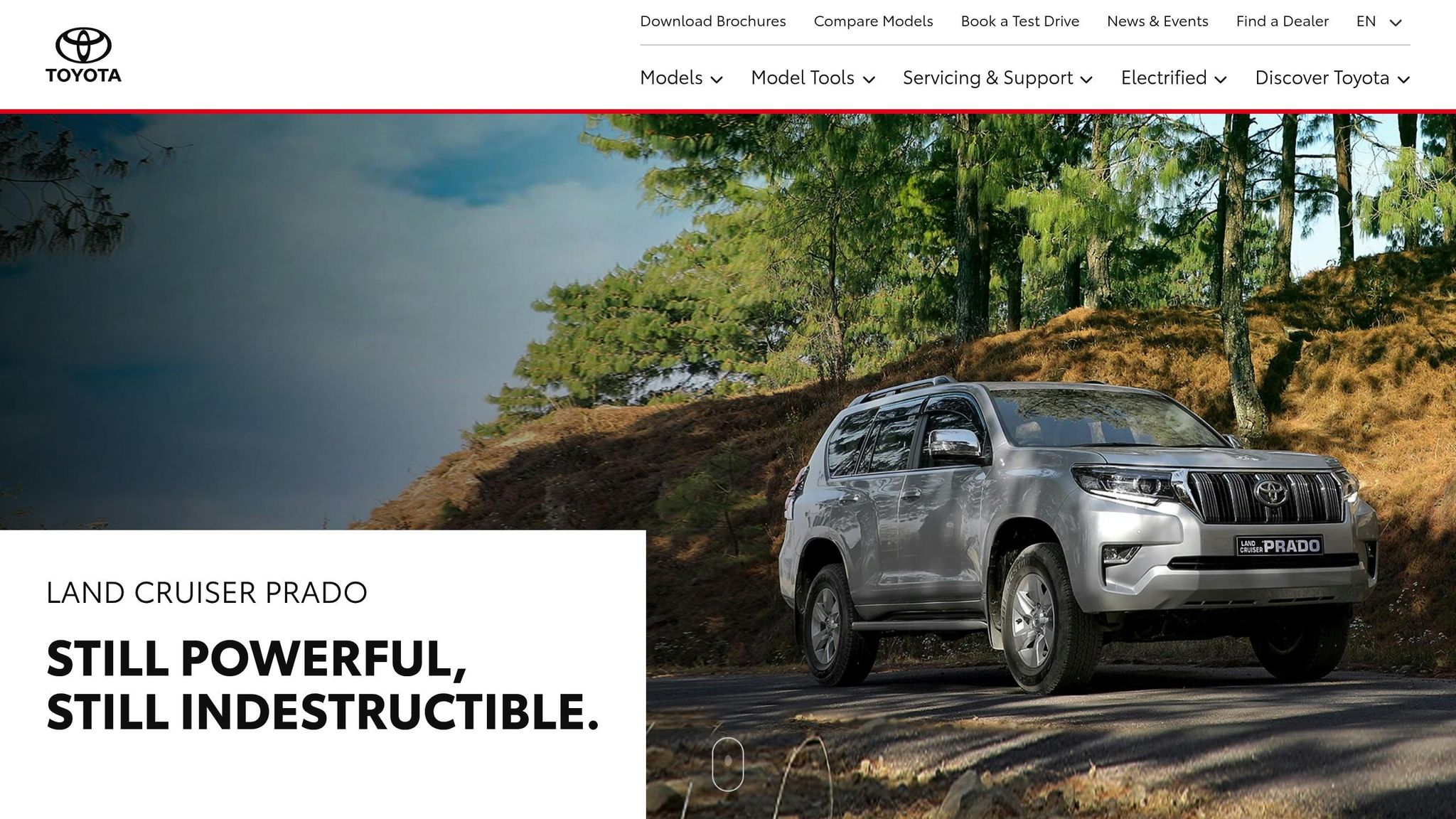
With a ground clearance ranging between 210–215.3 mm (8.3–8.5 in), the Toyota Land Cruiser Prado is built to handle rugged terrains with ease. Whether navigating volcanic soils or rocky trails near Volcanoes National Park, the Premium and Adventure trims are designed to maximize clearance. The Prado’s 32° approach angle and 23° breakover angle ensure it can conquer steep slopes and sharp transitions without risking damage to the undercarriage. Its all-time 4×4 system, combined with a two-speed transfer case and locking differentials, provides reliable traction on loose or wet surfaces.
Traction and Drivetrain Performance in Wet and Hilly Conditions
Powered by a 2.8L turbo diesel engine, the Prado delivers an impressive 500 Nm of torque between 1,600 and 2,800 RPM, offering strong low-end performance. Features like Multi-Terrain Select, Crawl Control, and Downhill Assist Control work automatically to manage throttle and braking, ensuring consistent traction on challenging surfaces like mud, sand, or rock. Additionally, the Kinetic Dynamic Suspension System (E-KDSS) enhances wheel articulation, making it easier to navigate uneven terrain. As Toyota Rwanda highlights:
"The new Land Cruiser Prado reflects the values of durability and reliability that have made it a success for over 70 years."
Durability and Reliability for Rwandan Terrain
Built on the same heavy-duty ladder frame as the 300 Series Land Cruiser, the fifth-generation Prado (J250) boasts a 50% increase in frame strength and 30% higher overall rigidity. This robust construction ensures durability for Rwanda’s diverse landscapes. Toyota’s extensive local network supports owners with readily available parts and warranty coverage of up to 10 years or 100,000 miles. For extended travel, the Prado is equipped with an 80L main fuel tank and a 30L auxiliary tank, providing a combined capacity of 110 liters.
Fuel Efficiency and Maintenance Costs
The 2026 Prado achieves an EPA-estimated 23 MPG combined, making it a practical choice for both city and off-road driving. Its Drive Mode Select system includes an Eco mode, which optimizes fuel consumption during urban commutes, such as in Kigali. Regular maintenance is essential to keep the vehicle in peak condition. In the U.S., pricing starts at approximately $57,345 for the base model and goes up to $76,345 for the top-tier trims. For Rwanda’s challenging terrains, especially in the North and West provinces, the Adventure and Premium trims are ideal. These models come equipped with features like an electronic locking rear differential and Multi-Terrain Select, making them well-suited for demanding off-road conditions. These capabilities firmly establish the Prado as a top choice for navigating Rwanda’s toughest landscapes.
2. Toyota Land Cruiser V8
Ground Clearance and Off-Road Capability
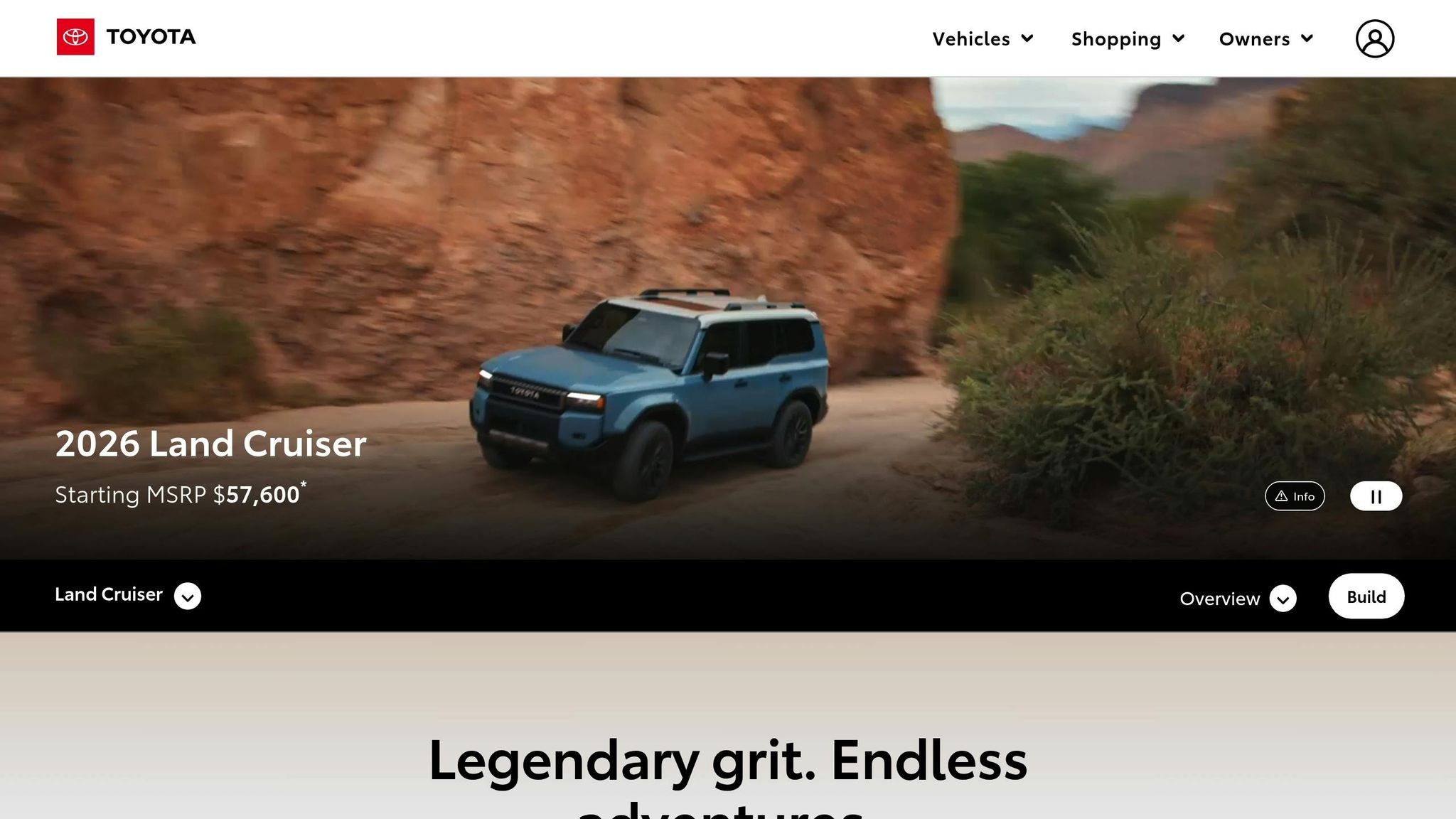
The Toyota Land Cruiser V8, now rebranded as the LC300 Series, boasts an impressive ground clearance of 235 mm (9.3 in). This feature is a game-changer when tackling Rwanda’s rugged volcanic terrain or navigating deep ruts during heavy rains. Models like the GR-S and VX-R trims are equipped with a 32° approach angle, while the advanced Electronic Kinetic Dynamic Suspension System (E-KDSS) ensures all four wheels maintain contact with uneven surfaces. This makes it a reliable choice for everything from park trails to rural roads. With such a sturdy setup, the Land Cruiser is ready to take on any challenge.
Traction and Drivetrain Performance in Wet and Hilly Conditions
Under the hood, the 3.3L V6 turbo diesel engine delivers an impressive 700 Nm of torque between 1,600 and 2,600 RPM. Paired with a 10-speed automatic transmission and full-time 4WD, this setup provides dependable performance on steep and muddy paths. The Multi-Terrain Select system, featuring an automatic mode, adjusts seamlessly to changing surfaces, while Active Traction Control minimizes wheel spin in slippery conditions. As Rent Car Rwanda puts it:
"The Toyota Land Cruiser V8 is renowned for its power, reliability, and luxurious comfort. Whether you’re navigating the bustling streets of Kigali or venturing off-road to explore Rwanda’s national parks, this vehicle offers a seamless driving experience."
Durability and Reliability for Rwandan Terrain
With a legacy built on 70 years of off-road expertise, the Land Cruiser V8 is designed to handle Rwanda’s harsh landscapes. Its ladder-frame construction and high-quality materials ensure durability, while Toyota’s reputation for reliability speaks volumes. In fact, Toyota ranks as the second most reliable brand for used vehicles aged 5 to 10 years, achieving a reliability score of 73 out of 100. The 110-liter dual fuel tank provides extended range for remote adventures, and the vehicle’s 3,500 kg (about 7,700 lbs) towing capacity is perfect for heavy-duty tasks. Consumer Reports‘ Steven Elek highlights Toyota’s dependability:
"Our data consistently shows over time that cars from those brands [Toyota] are reliable when new, and they continue to be reliable as they age."
Fuel Efficiency and Maintenance Costs
The LC300’s V6 turbocharged engines offer better fuel efficiency compared to earlier models, all while delivering the essential 700 Nm of torque needed for challenging hill climbs. In the U.S., comparable 2026 Land Cruiser models are priced between $59,095 and $63,940. However, Rwandan-spec LC300 models often come with higher price tags due to enhanced features and import duties. Toyota’s widespread service network in Rwanda further supports long-term reliability. With seating for seven, the Land Cruiser V8 is also ideal for family outings and group tours through Rwanda’s breathtaking national parks.
3. Toyota Hilux
Ground Clearance and Off-Road Capability
The Toyota Hilux is designed to handle tough terrains with ease, boasting a ground clearance of 11.5–12.2 inches (293–310 mm). The Double Cab "Adventure" and "Executive" trims offer the highest clearance at 12.2 inches, making them perfect for tackling Rwanda’s rugged roads and deep ruts, especially during heavy rains. With an approach angle of 29° and a departure angle of 26°, this pickup easily manages steep inclines and declines without risking undercarriage damage. The part-time manual 4×4 system, combined with a manual locking rear differential, ensures reliable traction on slippery surfaces. Plus, the Hill-start Assist Control feature prevents the vehicle from rolling backward on steep hills.
Traction and Drivetrain Performance in Wet and Hilly Conditions
The Hilux isn’t just about clearance – it’s built for performance in challenging conditions. Its 2.8L turbo-diesel engine produces an impressive 500 Nm of torque at 1,600–2,800 rpm, making steep climbs a breeze. For the rainy season, the Multi-Terrain Select system offers modes tailored for Mud, Sand, and Rock, while Active Traction Control minimizes wheel slip on both axles. On slippery descents, the updated Downhill Assist Control operates at a steady pace of 1.9–2.5 mph (3–4 km/h), offering better stability and control. As Road Test Editor John Law from Chasing Cars remarked:
"The slippery rutted-out climb was child’s play… These changes and polish in calibration help keep the Hilux handily at the pointy end of off-roading in the ute segment."
Durability and Reliability for Rwandan Terrain
Built on the IMV ladder-frame chassis, the Hilux is engineered to endure Africa’s tough conditions. Marketed by Toyota Rwanda as "Made in Africa, for Africa," it’s designed to handle high temperatures and remote, rural environments. The suspension system, featuring front coil springs and rear leaf springs, supports heavy payloads while maintaining durability on uneven roads. With a braked towing capacity of 7,700 lbs (3,500 kg), the Hilux is ready for heavy hauling across Rwanda’s districts. Piers Ward, an Opinion Columnist for Autocar, highlights its dependability:
"Toyota has built up a reputation of rarely being the cause of those sort of life-or-death situations, and that’s why Africans continue to buy the Hilux in vast quantities."
This durability is paired with impressive performance, which we’ll explore next.
Fuel Efficiency and Maintenance Costs
The Hilux balances power and practicality with manageable running costs. Toyota’s extensive service network across Rwanda ensures that local technicians are well-equipped to handle these vehicles. Routine oil changes are recommended every 4,350–6,200 miles (7,000–10,000 km). The 21-gallon (80 L) fuel tank offers a good range for long journeys, while the diesel engine’s efficiency makes it ideal for frequent trips between Kigali and mountainous regions like Musanze. In many African markets, the Hilux commands over 40% market share due to its unmatched reliability in remote areas where roadside assistance is scarce.
4. Mitsubishi Pajero
Ground Clearance and Off-Road Capability
The Mitsubishi Pajero Sport boasts an impressive 8.6 inches (218 mm) of ground clearance, paired with a 30° approach angle and a 24.2° departure angle. Its Super Select II 4WD system includes a 4LLc mode designed for tackling steep and extreme off-road terrains, delivering the torque needed to conquer Rwanda’s mountainous regions. Unlike simpler part-time systems, the Pajero Sport’s 4H mode can be safely used on dry pavement, making it perfect for transitioning between Kigali’s paved streets and the rugged paths leading to Nyungwe Forest. Additionally, it handles water crossings with ease, thanks to its 27.6-inch (700 mm) wading depth. This combination of features ensures a smooth transition between urban roads and challenging rural trails.
Traction and Drivetrain Performance in Wet and Hilly Conditions
Under the hood, the Pajero Sport is powered by a 2.4-liter MIVEC turbo-diesel engine, which delivers 133 kW of power and 430 Nm of torque. Paired with an 8-speed automatic transmission, it’s well-suited for a variety of driving scenarios. During Rwanda’s rainy season, the Super Select II system provides essential traction. Josh Nevett, Deputy Marketplace Editor at CarExpert, highlights its advantage:
"Unlike rivals like the Isuzu MU-X and Toyota Fortuner, the four-wheel drive system in the Pajero Sport can be operated on sealed surfaces without risk of differential binding. That means when it rains, you have the added security of four-wheel drive traction."
For steep and slippery slopes, Hill Descent Control takes over to automatically regulate speed. With a braked towing capacity of 6,834 lbs (3,100 kg), the Pajero Sport is also equipped to tow heavy loads across Rwanda’s diverse terrain.
Durability and Reliability for Rwandan Terrain
Built for tough conditions, the Pajero Sport features a rugged ladder-frame chassis that easily handles uneven roads. Its reinforced frame and heavy-duty suspension are designed to absorb high-impact shocks, making it ideal for the harsh environments often encountered in Rwanda. Mitsubishi supports this durability with a conditional 10-year or 124,274-mile (200,000 km) warranty, provided the vehicle is serviced at authorized dealerships. Nevett adds:
"Everything appears hard-wearing, which fits the rugged, workmanlike character of the car."
Fuel Efficiency and Maintenance Costs
The Pajero Sport strikes a balance between power and fuel economy, achieving a claimed combined fuel efficiency of 8.0 L/100 km (29.4 mpg), which is competitive for a seven-seat off-roader. Its 18-gallon (68 L) fuel tank offers a reasonable range for traveling between major cities. Maintenance is straightforward, with service intervals set at every 12 months or 9,321 miles (15,000 km). Over a 10-year period, servicing costs are estimated at $7,490. Its 2.4-liter engine incorporates advanced technology to optimize combustion and reduce emissions.
5. Nissan X-Trail
Ground Clearance and Off-Road Capability
The Nissan X-Trail comes equipped with an Intelligent 4×4 (All-Mode 4×4-i) system, making it well-suited for Rwanda’s diverse and often unpredictable terrain. This system uses direct coupling to seamlessly shift power between the front and rear wheels whenever extra traction is required. Its elevated ground clearance ensures it can handle uneven surfaces, perfect for light off-road excursions. Tackling Rwanda’s steep hills is made easier with Hill Start Assist, which holds the vehicle steady for 3 seconds on inclines, and the Auto Hold function, capable of maintaining braking for up to 3 minutes. For added comfort on rough roads, the Active Ride Control system subtly applies braking to smooth out bumps and vibrations. This combination of features ensures a more stable and enjoyable ride, even on rural roads.
Traction and Drivetrain Performance in Wet and Hilly Conditions
Rwanda’s rainy season can make driving a challenge, but the X-Trail’s All-Mode 4×4-i system rises to the occasion. This intelligent system constantly monitors road conditions and automatically redistributes power between the front and rear axles for better stability. Nissan highlights its rapid power transfer, which enhances grip on slippery surfaces. The vehicle also offers five drive and terrain modes, allowing drivers to adapt to various situations, from wet roads to uneven trails. On dry Kigali streets, drivers can opt for the full-time 2WD mode to save fuel, switching to Auto Mode when the weather takes a turn. For those needing towing capabilities, the X-Trail delivers with a braked towing capacity of up to 4,409 lbs (2,000 kg).
Durability and Reliability for Rwandan Terrain
Beyond its impressive handling, the Nissan X-Trail is built to endure Rwanda’s challenging landscapes. Its 2.5L engine, paired with an Xtronic CVT (Continuously Variable Transmission), ensures smooth power delivery while keeping RPMs low for efficient cruising. In Rwanda, Nissan vehicles have earned a reputation for long-term reliability, offering a combination of durability, high resale value, and lower maintenance costs compared to many European brands. This makes the X-Trail a dependable choice for those navigating rugged environments.
Fuel Efficiency and Maintenance Costs
The X-Trail strikes a balance between performance and efficiency. Its aerodynamic design helps reduce fuel consumption on highways, while the CVT transmission optimizes engine performance by maintaining low RPM during cruising. Maintenance is straightforward, thanks to Nissan’s well-established service networks in the region. Designed with practical durability in mind rather than excessive luxury, the X-Trail appeals to drivers who prioritize reliable performance and manageable upkeep costs.
6. Subaru Forester
Ground Clearance and Off-Road Capability
The 2026 Subaru Forester comes equipped with Symmetrical All-Wheel Drive, which automatically directs power to the wheels with the best grip. Standard models feature 8.7 inches of ground clearance, while the Wilderness trim boosts this to 9.3 inches. This added clearance makes it easier to tackle ruts, rocks, and other obstacles often encountered on Rwanda’s unpaved roads.
The Wilderness trim also benefits from a revised gearing system with a 4.11:1 final-drive ratio, enhancing its ability to climb inclines as steep as 40%. Its improved approach angle of 23.5 degrees and departure angle of 25.5 degrees minimize the chances of scraping on steep terrain. Additionally, the X-MODE system, paired with Hill Descent Control, ensures optimal traction and controlled braking during steep and slippery descents. Together, these features make the Forester an excellent choice for navigating Rwanda’s rugged and often rainy landscapes.
Traction and Drivetrain Performance in Wet and Hilly Conditions
The Forester’s AWD system excels in wet conditions, delivering consistent traction. The Symmetrical AWD system, mounted along the vehicle’s centerline, ensures balanced weight distribution. For 2026, Subaru has refined the system to lock the center differential more quickly, reducing wheelspin and improving stability during wet turns by using steering-angle data.
The dual-function X-MODE system offers specialized settings for "Deep Snow" and "Mud", allowing for extra wheel slip when needed in challenging conditions. Caleb Miller, Associate News Editor at Car and Driver, praised the Wilderness trim, stating:
"The Forester Wilderness proved to be the real deal, demonstrating an ability to handle tricky terrain and the daily commute".
The Wilderness trim also comes with Yokohama Geolandar all-terrain tires, which enhance grip on slippery roads.
Durability and Reliability for Rwandan Terrain
The Forester is built to handle the demands of Rwanda’s tough driving conditions. Subaru’s reputation for durability is backed by the fact that 96% of Forester vehicles sold in the last 10 years are still on the road. Subaru was also named the "Most Reliable Automotive Brand" for 2025 by Consumer Reports, and the Forester received a 5-star overall vehicle score from the National Highway Traffic Safety Administration.
The Wilderness trim is particularly rugged, featuring front underbody skid plates and protective exterior cladding to guard against scrapes on uneven trails. Inside, the StarTex upholstery is water-repellent and easy to clean, making it perfect for muddy adventures. Additionally, the Wilderness trim has a towing capacity of 3,500 pounds, doubling the standard model’s limit of 1,500 pounds.
Fuel Efficiency and Maintenance Costs
Standard Forester models achieve up to 33 MPG on the highway, while the Wilderness trim offers around 28 MPG on the highway due to its specialized gearing and all-terrain tires. Pricing for the 2026 Forester ranges from $29,995 for the base model to $41,595 for the Touring trim, with the Wilderness trim starting at $38,385. The vehicle is backed by a 3-year/36,000-mile warranty and a 5-year/60,000-mile powertrain warranty. These features make the Forester a practical and cost-effective option for Rwanda’s challenging driving conditions.
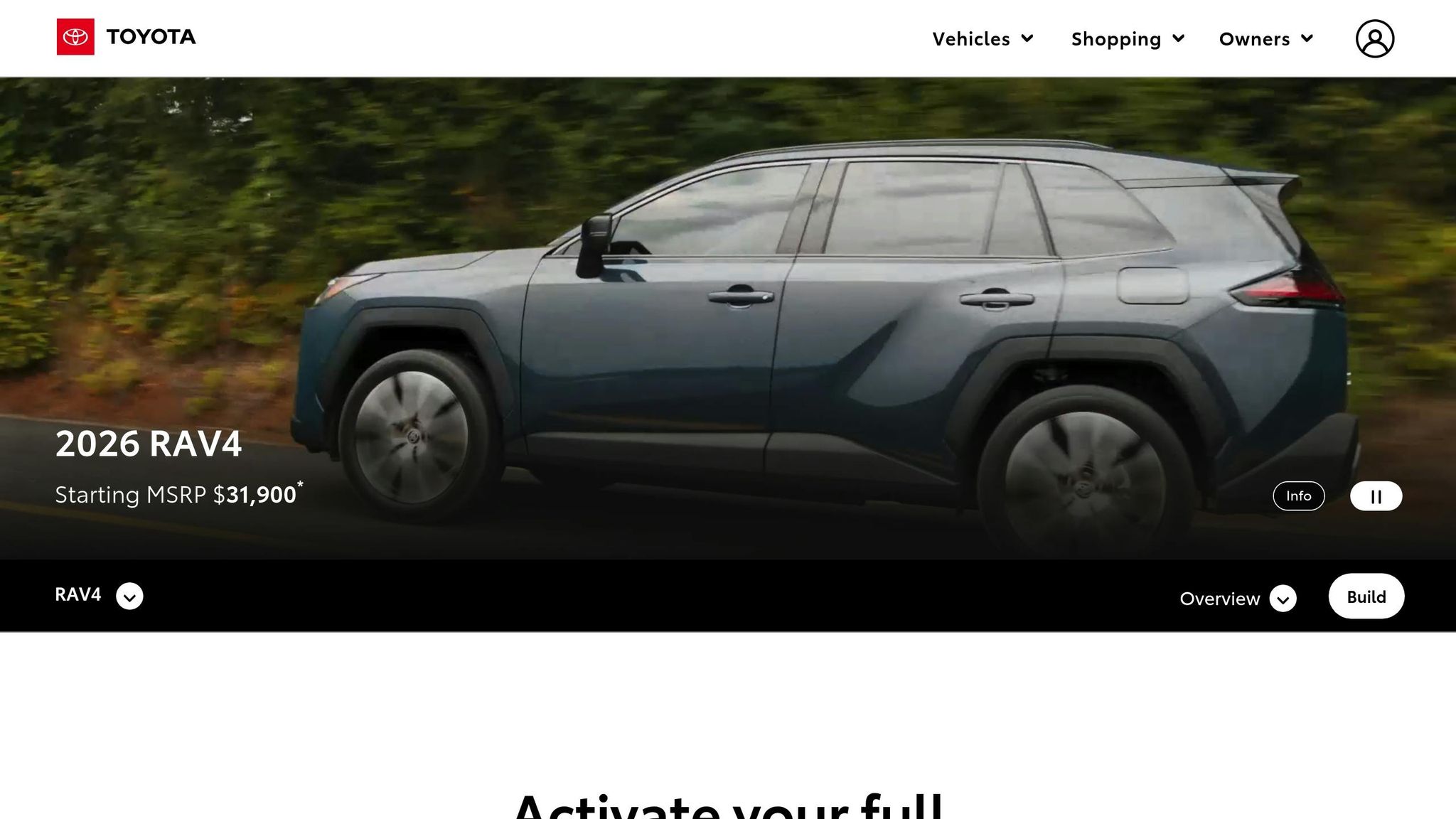
7. Toyota RAV4
Ground Clearance and Off-Road Capability
The 2026 Toyota RAV4 is built to handle Rwanda’s hilly landscapes with ease, thanks to its improved ground clearance and AWD system. If you’re looking for the most rugged option, the Woodland trim is the standout choice. It comes equipped with 18-inch matte metallic gray alloy wheels paired with all-terrain tires, offering better grip on uneven surfaces than the standard models. Plus, integrated LED fog lights improve visibility when you’re navigating through dusty or rainy conditions.
This model has become a favorite for self-drive tours and safaris in Rwanda, making it a reliable companion for trips to spots like Volcanoes National Park or Lake Kivu. With up to 37.8 cubic feet of cargo space, the RAV4 is designed for extended journeys, offering plenty of room for gear and luggage. Its sturdy build ensures strong traction and dependable performance, even in tough driving conditions.
Traction and Drivetrain Performance in Wet and Hilly Conditions
The RAV4 is available in both part-time automatic 4×4 and all-time 4×4 configurations, featuring advanced systems like Vehicle Stability Control (VSC), Hill-start Assist, and Downhill Assist to keep you steady on slippery or steep inclines. It also boasts an approach angle of 17.5 degrees and a departure angle of 20 degrees, helping to avoid scrapes on challenging terrain.
"The 4×4 option ensures optimal safety and comfort during off-road excursions."
Under the hood, the 2.0L petrol engine generates 173 HP and 203 Nm of torque, providing the power you need to conquer Rwanda’s hills. And with a combined fuel efficiency of 6.8 L/100 km (35 MPG), it strikes a balance between performance and economy.
Durability and Reliability for Rwandan Terrain
Toyota’s reputation for reliability shines through in the RAV4, making it a dependable choice for Rwanda’s demanding roads. The brand’s extensive network ensures spare parts are easy to find across the country. Routine maintenance is simple, with oil changes recommended every 7,000–10,000 km.
The Woodland trim takes durability a step further with raised black roof rails and a rugged exterior designed for adventure. Hybrid models require a battery check every six months. For towing needs, the RAV4 can handle up to 3,500 lbs – perfect for small trailers or equipment. Overall, the RAV4 is crafted to tackle Rwanda’s diverse terrains with confidence.
Fuel Efficiency and Maintenance Costs
Fuel efficiency is another strong point for the 2026 RAV4. Hybrid models deliver up to 47 MPG in the city and 40 MPG on the highway. The Woodland trim, built for tougher conditions, still achieves a respectable 41 MPG city and 35 MPG highway, despite its all-terrain tires and additional features.
Pricing starts at $31,900 for the base LE model, while the more luxurious Limited trim is priced at $43,300. For those drawn to off-road adventures, the Woodland trim comes in at $39,900. With its blend of efficiency, capability, and durability, the RAV4 is a practical choice for exploring Rwanda.
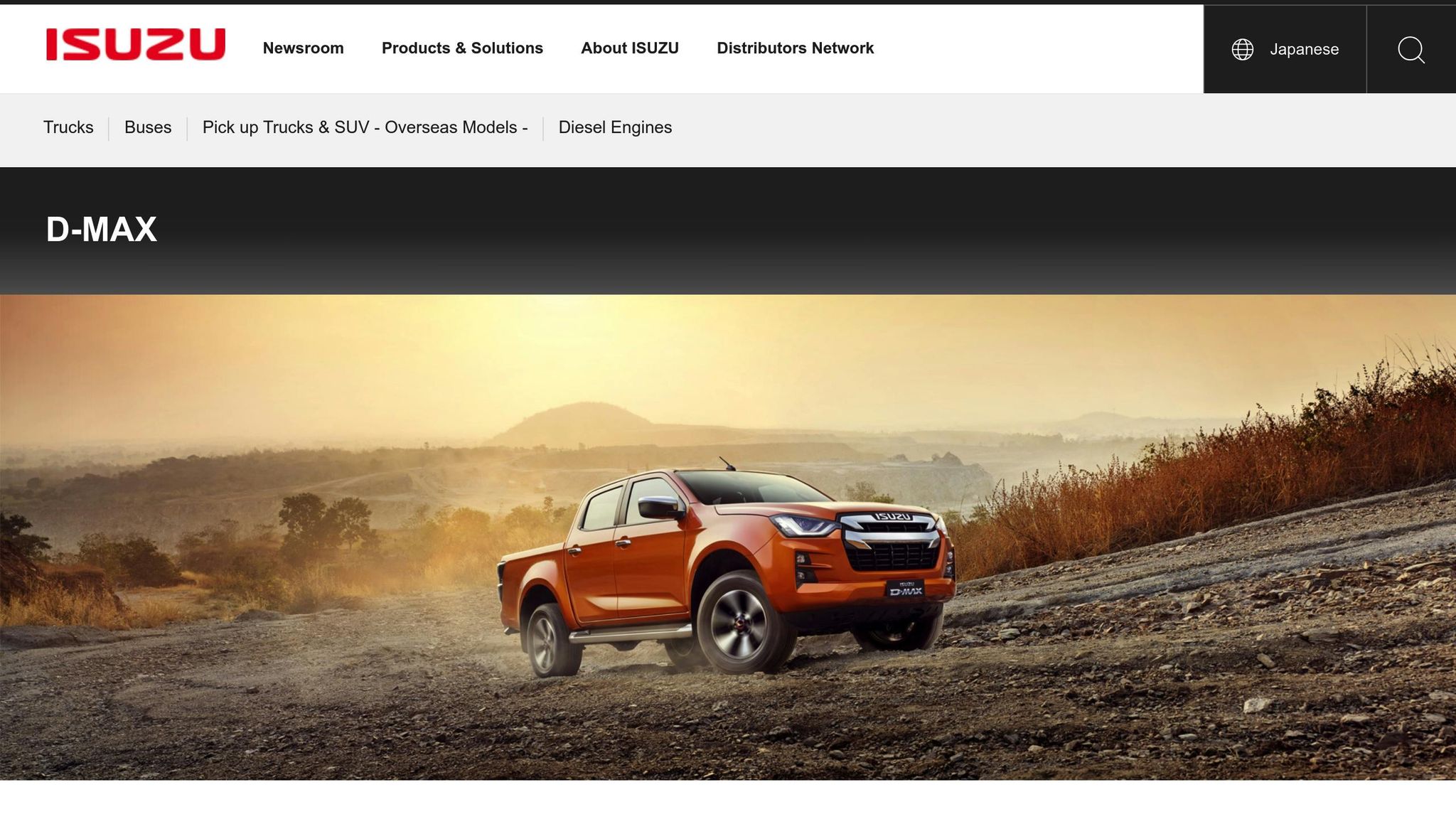
8. Isuzu D-MAX
Ground Clearance and Off-Road Capability
The Isuzu D-MAX boasts an impressive ground clearance of 240 mm (9.4 in), with approach and departure angles of 30.5° and 23.5°, respectively. Built under Isuzu’s "Made for Africa" initiative, this vehicle is tailored to tackle rugged terrains and steep gradients. It’s available in both Single Cab and Double Cab 4×4 configurations, making it ideal for heavy-duty tasks. With a towing capacity of 3,500 kg (7,716 lbs) and a payload exceeding 1,200 kg (2,645 lbs) in Single Cab models [58,66], the D-MAX is built on a ladder-frame chassis with leaf-spring rear suspension, ensuring it can handle Rwanda’s challenging hilly landscapes. Its 800 mm (31.5 in) wading depth is a standout feature, allowing it to navigate flooded roads and river crossings during the rainy season [62,67]. These capabilities make it a reliable choice for navigating Rwanda’s tough driving conditions.
Traction and Drivetrain Performance in Wet and Hilly Conditions
Equipped with a 4×4 Terrain Command system, the D-MAX allows seamless switching between 2WD and 4WD modes. For added traction on slippery or loose surfaces, a rear differential lock comes in handy. Its 3.0L turbo-diesel engine generates 450 Nm (332 lb-ft) of torque at just 1,600 rpm, ensuring enough low-end power for climbing steep hills even under heavy loads [62,64]. Hill Descent Control provides automatic braking on steep, slippery slopes, offering a controlled descent experience. A 6-speed transmission with sequential shift further optimizes power delivery across varied terrains. For better grip on unpaved roads during the rainy season, models fitted with 265/60 R18 All-Terrain tires are recommended.
Durability and Reliability for Rwandan Terrain
The D-MAX is designed with African driving conditions in mind, and its diesel engines are known for their long-lasting durability. It holds a 5-star ANCAP safety rating and comes with a 5-year/125,000-mile warranty [61,67]. Features like underbody armor protect critical components from rocks and debris on rough roads, while the dual-mass flywheel in manual variants minimizes engine vibrations, extending the life of the transmission. Maintenance costs are kept manageable through Isuzu’s "Periodical Maintenance" program, making the D-MAX a cost-effective option for long-term use in Rwanda’s demanding driving conditions.
Fuel Efficiency and Maintenance Costs
The D-MAX delivers solid fuel efficiency, averaging between 7.7 and 8.0 L/100 km (29–31 MPG). Its 3.0L engine produces 190 HP at 3,600 rpm while maintaining strong torque output [64,66]. With a 76-liter (20-gallon) fuel tank, it offers a good range between refueling stops. In East Africa, the D-MAX is priced between KSh 6,949,000 ($48,300) for the 1.9L manual 4×4 model and KSh 8,996,000 ($62,600) for the high-spec 3.0L automatic 4×4 variant. Thanks to its high payload capacity and competitive pricing, the D-MAX is a popular choice for fleet owners and those needing a dependable vehicle for Rwanda’s challenging roads.
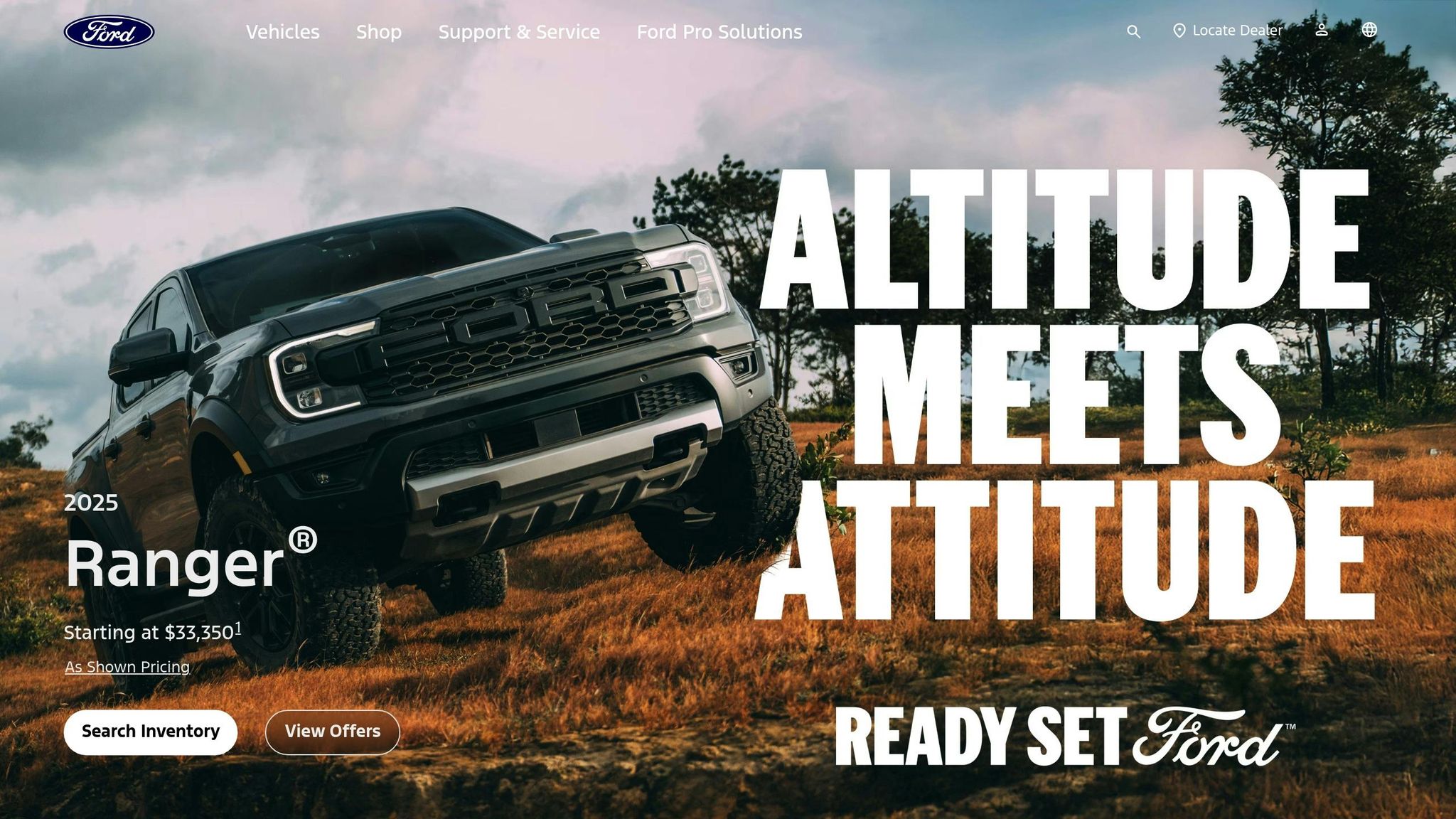
9. Ford Ranger
Ground Clearance and Off-Road Capability
The 2026 Ford Ranger offers 9.3 inches of ground clearance on its standard models, which increases to 10.7 inches on the Raptor trim. This makes it well-suited for tackling rocky or uneven terrain. Thanks to its mid-size build, the Ranger is easier to maneuver on tight trails and narrow mountain paths compared to larger, full-size trucks.
For those who crave off-road adventures, the FX4 Off-Road Package and Tremor variant bring specialized gear like off-road-tuned shocks, exposed steel bash plates, and electronic-locking rear differentials to maintain grip on steep inclines. The Raptor takes it a step further with 33-inch BFGoodrich KO3 all-terrain tires and Fox 2.5-inch internal bypass shocks featuring Live Valve technology. With a 7,500-lb towing capacity and a 1,788-lb payload, the Ranger is built to haul heavy loads across rugged landscapes. These features make it a dependable choice for challenging terrains.
Traction and Drivetrain Performance in Wet and Hilly Conditions
The Ranger’s drive modes are tailored to handle a variety of conditions. The "Slippery" mode adjusts gear shifts to maintain traction on wet roads, while the "Mud/Ruts" mode (available with the FX4 package) is designed for navigating muddy and rutted paths during heavy rains. Additionally, the electronic-locking rear differential, standard on the Raptor and optional on other trims, ensures power is directed to the wheels with the most grip.
Under the hood, the Ranger’s 2.7L EcoBoost V6 engine delivers 315 horsepower and 400 lb-ft of torque, providing the low-end power needed to climb slippery hills. For off-road enthusiasts, Trail Control acts like low-speed cruise control (under 20 mph), managing acceleration and braking so drivers can focus on steering through tough terrain. The "Tow/Haul" mode also comes in handy, using engine braking to ease downhill descents while towing, reducing strain on the brakes. These features make the Ranger a reliable companion for wet, hilly, and unpredictable landscapes.
Durability and Reliability for Rwandan Terrain
The 2026 Ford Ranger includes a revised 2.0-liter turbo-diesel engine designed for improved durability. Heavy-duty suspension is now standard on work-focused trims like the XLT double cab-chassis, ensuring it can handle heavy loads and rough, unpaved roads common in Rwanda’s hilly regions. The Tremor trim is equipped with a front steel bash plate and Bilstein position-sensitive dampers with external reservoirs, ideal for absorbing impacts on rocky trails.
"The Ford Ranger has always set the standard for capability and versatility, and now we’re raising the bar again. We’re giving customers more value, more power, and the trusted, clever features they rely on, whether they’re on a job site or heading out for a weekend adventure." – Ambrose Henderson, Marketing Director, Ford Australia
The Ranger has earned accolades, including a 9/10 rating from Car and Driver and the title of "North American Truck of the Year". It also comes with a 3-year/36,000-mile limited warranty and a 5-year/60,000-mile powertrain warranty.
Fuel Efficiency and Maintenance Costs
The four-cylinder 4WD model achieves an EPA estimate of 19 mpg in the city and 26 mpg on the highway. Pricing starts at $35,245 for the standard 2026 Ranger, while the Raptor trim begins at $58,965. The V6 engine paired with a 4×4 drivetrain ensures the torque needed to conquer steep, muddy hills. However, Ford does not offer complimentary scheduled maintenance.
10. Toyota Land Cruiser 76/79 Series
Ground Clearance and Off-Road Capability
The Land Cruiser 76/79 Series stands apart from the sleeker Prado and V8 models, sticking to its rugged, off-road roots. With 9.1 inches (230 mm) of ground clearance, approach angles of 33°–35°, and departure angles of 23°–25°, it’s built to handle steep, rocky terrain without breaking a sweat. Its heavy-duty ladder frame, combined with front coil-spring live axles and rear leaf-spring live axles, provides the toughness needed for navigating Rwanda’s uneven roads. A factory-installed snorkel allows it to ford through water up to 27.6 inches (700 mm) deep, while the 34.3-gallon (130 L) fuel tank offers an impressive range of 746 to 870 miles (1,200–1,400 km). Plus, with seating for 9–10 passengers and a braked towing capacity of 7,716 lbs (3,500 kg), this vehicle is ready for almost anything.
Traction and Drivetrain Performance in Wet and Hilly Conditions
Equipped with a part-time 4×4 system and manual locking differentials on both axles, the 76/79 Series is built to handle muddy and challenging terrain. Its 2.8L turbo diesel engine delivers 369 lb-ft (500 Nm) of torque at low RPMs (1,600–2,800), making it a powerhouse for climbing hills or navigating slippery slopes. Safety features like Active Traction Control, Hill-start Assist, and Downhill Assist add an extra layer of confidence when tackling steep or wet conditions.
Durability and Reliability for Rwandan Terrain
Designed with mechanical simplicity in mind, the 76/79 Series minimizes the risk of breakdowns in extreme environments. Instead of relying on complex electronics, it uses tried-and-tested mechanical systems. Its shared components with other Toyota models, like the Hilux and Fortuner, mean parts are easy to find, and local mechanics are familiar with its design. AutoTrader describes these models as:
"The Land Cruiser 76 and 79… are the so-called ‘hard-core’ off-roaders in the Cruiser range. These are the Land Cruisers that have their roots way back in 1951."
With a durability rating of 4.7/5 from AutoTrader, these vehicles are built to last. They also welcome aftermarket upgrades, such as bull bars, winches, and heavy-duty roof racks capable of carrying up to 441 lbs (200 kg).
Fuel Efficiency and Maintenance Costs
The 2.8L turbo diesel engine offers decent fuel efficiency, achieving between 21.5 and 27.0 mpg (8.7–10.9 L/100 km). Pricing varies by region: in Kenya, new or nearly-new AX models cost between KES 10.5M and 12.5M ($81,000 to $97,000), while in South Africa, base 4.2L diesel models start at R 802,300 ($43,000). For those renting, daily rates throughout East Africa typically fall between $145 and $155.
Vehicle comparison table
Here’s a breakdown of 10 vehicles evaluated for their performance in Rwanda’s rugged landscape. The table below highlights key metrics such as hill performance, handling during the rainy season, and overall durability.
| Vehicle | Ground Clearance | Drivetrain Type | Engine Options | Fuel Consumption | Hill Performance | Rain Season Capability | Durability Rating | Est. Purchase Price (USD) | Annual Maintenance Cost (USD) |
|---|---|---|---|---|---|---|---|---|---|
| Toyota Land Cruiser Prado | 8.7 in (220 mm) | Full-time AWD | 2.8L turbo diesel | 24.0–27.0 mpg (8.7–9.8 L/100 km) | Excellent | Excellent | 4.8/5 | $55,000–$75,000 | $1,200–$1,800 |
| Toyota Land Cruiser V8 | 8.9 in (225 mm) | Full-time AWD | 3.5L twin-turbo V6 | 23.0 mpg (~10.2 L/100 km) | Excellent | Excellent | 4.9/5 | $85,000–$110,000 | $1,500–$2,200 |
| Toyota Hilux | 8.7 in (220 mm) | Part-time 4×4 | 2.8L turbo diesel | 24.0–28.0 mpg (8.4–9.8 L/100 km) | Excellent | Excellent | 4.7/5 | $35,000–$50,000 | $800–$1,200 |
| Mitsubishi Pajero | 8.7 in (220 mm) | Full-time AWD | 2.4L turbo diesel | 24.0–26.0 mpg (9.0–9.8 L/100 km) | Very Good | Very Good | 4.5/5 | $40,000–$55,000 | $1,000–$1,500 |
| Nissan X-Trail | 8.2 in (210 mm) | AWD | 2.5L petrol | 26.0–30.0 mpg (7.8–9.0 L/100 km) | Good | Good | 4.3/5 | $32,000–$42,000 | $900–$1,300 |
| Subaru Forester | 8.7 in (220 mm) | Symmetrical AWD | 2.5L petrol | 26.0–29.0 mpg (8.1–9.0 L/100 km) | Very Good | Excellent | 4.6/5 | $30,000–$38,000 | $850–$1,200 |
| Toyota RAV4 | 8.6 in (219 mm) | AWD / Hybrid AWD | 2.5L petrol / Hybrid | 28.0–41.0 mpg (5.5–8.4 L/100 km) | Good | Very Good | 4.5/5 | $32,000–$45,000 | $750–$1,100 |
| Isuzu D-MAX | 9.1 in (230 mm) | Part-time 4×4 | 3.0L turbo diesel | 23.0–26.0 mpg (9.0–10.2 L/100 km) | Excellent | Excellent | 4.6/5 | $38,000–$48,000 | $900–$1,400 |
| Ford Ranger | 9.0 in (228 mm) | Part-time 4×4 | 2.0L turbo diesel | 24.0–28.0 mpg (8.4–9.8 L/100 km) | Excellent | Very Good | 4.4/5 | $36,000–$50,000 | $950–$1,500 |
| Toyota Land Cruiser 76/79 Series | 9.1 in (230 mm) | Part-time 4×4 | 2.8L turbo diesel | 21.5–27.0 mpg (8.7–10.9 L/100 km) | Excellent | Excellent | 4.7/5 | $43,000–$97,000 | $1,100–$1,700 |
The Toyota RAV4 Hybrid stands out as the most fuel-efficient option, offering up to 41 mpg. For rough, uneven roads, models like the Isuzu D-MAX and Land Cruiser 76/79 Series shine with their high ground clearance of 9.1 inches. Vehicles equipped with part-time 4×4 systems, such as the Hilux and Ford Ranger, balance off-road capability with fuel economy, making them ideal for both rural and urban use. Meanwhile, all-wheel drive systems, like those in the Subaru Forester, provide excellent grip and stability on steep or slippery roads, especially during Rwanda’s rainy season. These features highlight the adaptability needed for the country’s diverse terrain and weather conditions.
Conclusion
Choosing the right 4×4 in Rwanda depends entirely on how you plan to use it. If you’re tackling rugged rural terrains or working in NGO field operations, the Toyota Land Cruiser 76/79 Series is a standout choice. With features like a factory-installed snorkel, a massive 130-liter fuel tank, and seating for up to 10 passengers, it’s well-suited for remote fieldwork and heavy-duty transport needs. Another strong contender for rough roads is the Toyota Hilux, boasting a 935 kg payload capacity and an impressive 310 mm of ground clearance, making it perfect for unpaved roads.
For professionals or executives traveling between Kigali and provincial centers, the Toyota Land Cruiser Prado offers a balance of durability and advanced features. Equipped with Multi-Terrain Select and hill-start assist, it’s designed to handle steep climbs and varied road conditions while maintaining comfort and reliability.
City commuters and families, on the other hand, may prioritize versatility and efficiency. The Toyota RAV4 Hybrid fits the bill perfectly, blending a petrol engine with electric power to achieve fuel consumption as low as 5.5 L/100 km. With 580 liters of boot space, it’s ideal for daily urban commutes and family trips between districts. As Jean Baptiste Habumugisha from AutoMag.RW explains:
"The RAV4 Hybrid blends a petrol engine with electric power for maximum efficiency… This makes the RAV4 ideal for both city commuters and families who frequently travel between districts".
Whether you’re navigating Kigali’s streets or exploring Rwanda’s rural landscapes, AutoMag.RW provides reliable automotive advice tailored to the country’s unique conditions, ensuring your safety and value on every journey.
FAQs
What should I look for when choosing a 4×4 vehicle for Rwanda’s hills and rainy seasons?
When choosing a 4×4 to tackle Rwanda’s rugged terrain, off-road performance should be your top priority. Look for features like high ground clearance to clear obstacles, locking differentials for better traction, and a low-range gearbox to manage steep inclines, rocky trails, and muddy roads – especially during the rainy season. A sturdy suspension system and solid axle articulation are also crucial for handling the uneven landscapes you’ll encounter.
Pay attention to the engine’s torque and reliability. A powerful engine with strong low-end torque will make climbing steep grades much easier. Since long journeys through remote areas can be fuel-intensive, it’s wise to strike a balance between performance and fuel efficiency. Practicality is another factor to weigh: ensure the vehicle has enough interior space, seating, and cargo capacity to meet your needs, whether for family outings or work-related tasks. Lastly, think about maintenance – choose a vehicle with accessible service options and a warranty that covers potential issues to keep things hassle-free.
Which of the top 4×4 models offers the best fuel efficiency?
Fuel efficiency differs quite a bit among the leading 4×4 models available in Rwanda. The 2025 Toyota RAV4 Hybrid takes the lead with impressive mileage, making it a budget-friendly option for both urban commutes and off-road adventures. Meanwhile, models such as the Toyota Land Cruiser, Land Rover Discovery, and Nissan Navara provide a balanced approach, offering decent fuel efficiency while delivering robust performance. For those seeking a fuel-free choice, the Dongfeng M HERO – an all-electric SUV – presents an environmentally conscious alternative that completely eliminates fuel expenses.
What is the best 4×4 vehicle for both city driving and rural roads in Rwanda?
The 2025 Toyota RAV4 is a great fit for both city and countryside driving in Rwanda. Thanks to its high ground clearance and optional part-time 4×4 system, it handles Kigali’s well-paved streets with ease while being equally capable on the rugged, hilly roads of the countryside.
Its fuel efficiency and roomy interior make it an ideal choice for families and daily commuters alike. Whether you’re driving through the rainy season or climbing steep hills, the RAV4 delivers the dependability and flexibility needed to tackle Rwanda’s diverse landscapes.
Related Blog Posts
- Ultimate Guide to Off-Road Driving in Rwanda
- Best cars for weekend adventures in Rwanda: SUVs, compacts & more
- Best Cars to Import to Rwanda for Budget Buyers