If you are driving a turbocharged vehicle in Rwanda, you aren’t just navigating the “thousand hills”—you are also dealing with high altitudes and high cylinder pressures. For performance enthusiasts and daily drivers alike, one of the most overlooked aspects of engine maintenance is the spark plug gap.
When a turbocharger forces more air into your engine, it creates a denser environment that is harder for a spark to penetrate. In Rwanda’s high-altitude regions like Musanze or the outskirts of Kigali, the thinner atmospheric air outside makes the high-pressure environment inside your cylinders even more challenging for your ignition system. Here is your technical guide to getting the gap just right in 2026.
Why the Spark Plug Gap Matters for Turbos
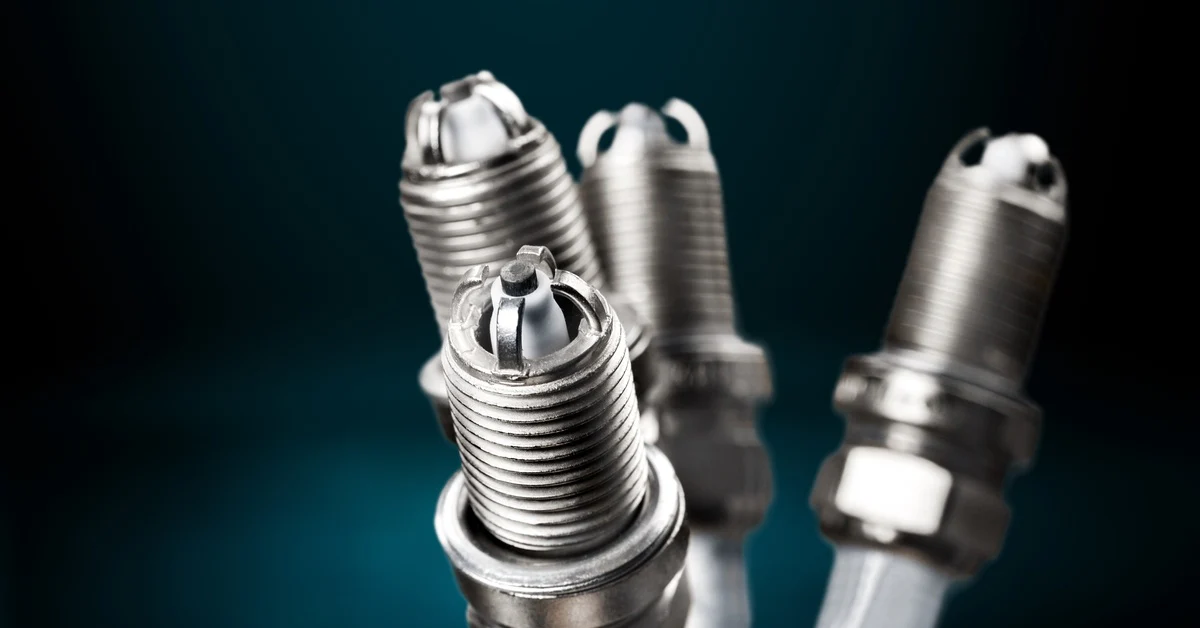
The “gap” is the precise distance between the center and ground electrodes of the spark plug.
- Spark Blow-Out: In turbocharged engines, the extreme pressure (boost) can literally “blow out” the spark before it ignites the fuel, leading to misfires and loss of power.
- The Rwanda Factor: At higher altitudes, ignition system voltages can behave differently. While the thinner air generally requires a slightly different air-fuel mix, the forced induction of a turbocharger remains the dominant factor. To ensure a consistent spark under 15–20 psi of boost, a tighter gap is often necessary.
Step-by-Step: How to Adjust Your Gap
1. Gather the Right Tools
You will need a spark plug socket, a torque wrench, and most importantly, a feeler gauge or a dedicated spark plug gapping tool. Avoid using the cheap “coin-style” gauges for precious metal plugs (Iridium or Platinum), as they can snap the delicate center electrode.
2. Find Your Target Specification
For a standard naturally aspirated car, gaps are often set between 0.035″ and 0.045″. However, for turbocharged Rwandan cars, tuners often recommend tightening this to 0.028″ or 0.032″.
- Rule of Thumb: If you have increased your boost levels beyond factory settings, you may need to decrease the gap by roughly 0.004″ for every 50 horsepower added.
3. Measure and Adjust
- To Narrow the Gap: Gently tap the ground electrode against a firm surface or use a gapping tool to press it closer to the center.
- To Widen the Gap: Use the notched end of your gapping tool to pry the ground electrode upward. Never pry against the center electrode.
Finding the Right Parts in Rwanda
Maintaining a turbocharged engine starts with high-quality components. To find second-hand cars suitable for these conditions—such as a BMW 335i or a Volkswagen Golf GTI visible on their local site—check out auto24.rw. Buying from a trusted local platform ensures you start with a vehicle that has been vetted for Rwandan road and fuel conditions.
For drivers looking to explore sustainable mobility, EV24.africa offers import options for electric cars, expanding choices in vehicles that don’t require spark plugs at all, eliminating ignition maintenance entirely!
Practical Car Care Tips for Rwandan Drivers
- Use Colder Plugs for Modified Turbos: If you have remapped your ECU for more power, consider moving to a “one-step colder” spark plug. This helps dissipate heat faster, preventing pre-ignition (knock).
- Inspect Every 20,000 km: Turbocharged engines are harder on plugs than standard engines. Don’t wait for a misfire to check them.
- Dielectric Grease is Your Friend: Apply a small amount of dielectric grease to the inside of the spark plug boot. This prevents the boot from “baking” onto the plug in the high-heat environment of a turbo engine.
- Stay Informed: For the latest automotive news, detailed car reviews, and local driving guides, visit automag.rw. It’s the ultimate resource for Rwandan enthusiasts looking to keep their engines in peak condition.
Conclusion
Adjusting your spark plug gap is a small tweak that yields massive results in engine smoothness and fuel efficiency. By narrowing the gap slightly to account for high boost and high altitude, you ensure your Rwandan “hill climber” has the spark it needs to perform.
You can read more here for a list of recommended mechanics in Kigali or discover additional tips on how to troubleshoot common turbo lag issues.