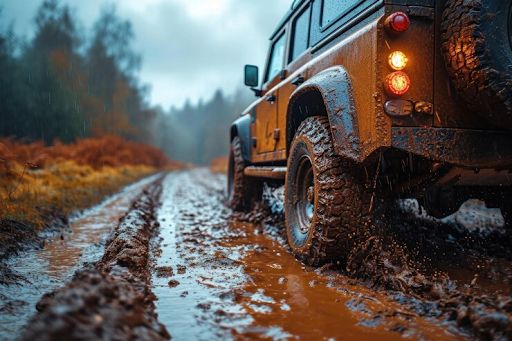
Rwanda’s breathtaking mountain landscapes offer some of East Africa’s most scenic driving routes, but the rainy seasons bring significant challenges. From March to May and October to December, heavy rainfall transforms beautiful hillside roads into potential hazards, with mudslides posing serious risks to vehicles and drivers. Understanding how to protect your car and navigate these conditions safely is essential for anyone driving through Rwanda’s elevated terrain.
Whether you’re commuting through Kigali’s surrounding hills or traveling to destinations like Musanze, Nyungwe, or Rubavu, these practical tips will help you minimize risks and keep your vehicle safe during Rwanda’s rainy seasons.
Understand Rwanda’s Mudslide-Prone Areas
Rwanda’s mountainous topography means many roads traverse steep slopes where soil erosion and mudslides are common during heavy rains. The Western Province, Northern Province, and areas around Lake Kivu are particularly vulnerable. Roads connecting major cities often wind through these regions, making awareness crucial for daily commuters and occasional travelers alike.
Before planning trips during rainy seasons, check weather forecasts and local advisories. The Rwanda Meteorology Agency provides updates on heavy rainfall warnings, which can help you avoid traveling during peak risk periods. Familiarize yourself with alternative routes, as some roads may be temporarily closed due to mudslide activity or flooding.
Choose the Right Vehicle for Mountain Driving
Vehicle selection plays a significant role in safely navigating Rwanda’s challenging terrain. All-wheel drive (AWD) or four-wheel drive (4WD) vehicles offer superior traction on slippery, muddy surfaces. SUVs and pickup trucks with higher ground clearance can navigate debris-strewn roads more effectively than sedans.
If you’re considering a vehicle purchase specifically for Rwanda’s conditions, platforms like auto24.rw feature a range of suitable options including Toyota RAV4, Mitsubishi Pajero, and Nissan Patrol models that combine reliability with off-road capability. These vehicles are popular among Rwandan drivers precisely because they handle mountain roads and adverse weather conditions confidently.
Inspect Your Vehicle Before Rainy Season
Preventive maintenance becomes even more critical during rainy periods. Before the season begins, conduct a thorough vehicle inspection focusing on systems that impact safety and control. Check your tire tread depth, as worn tires dramatically reduce traction on wet, muddy surfaces. Replace tires showing less than 3mm of tread depth.
Inspect your braking system to ensure optimal stopping power. Test windshield wipers and replace blades that leave streaks or miss sections of your windshield. Clean all lights and ensure they function properly, as visibility becomes crucial during heavy rain and muddy conditions. Verify that your battery connections are clean and tight, preventing electrical failures in challenging conditions.
Master Defensive Driving Techniques
When driving through areas prone to mudslides, defensive driving takes on heightened importance. Reduce your speed significantly, allowing more time to react to unexpected obstacles or sliding debris. Maintain increased following distance from vehicles ahead, giving yourself space to maneuver if they encounter problems.
Watch for warning signs of potential mudslides, including small rocks or soil on the road surface, water flowing across pavement, and cracks or bulges in hillsides adjacent to the road. If you notice these indicators, exercise extreme caution or consider turning back. For comprehensive driving tips tailored to Rwanda’s unique conditions, automag.rw regularly publishes guides covering seasonal driving challenges and safety recommendations.
Recognize Active Mudslide Danger Zones
Active mudslides present immediate danger and require quick decision-making. If you see mud, rocks, or debris flowing across the road ahead, stop immediately at a safe distance. Never attempt to drive through an active mudslide, regardless of how slowly material appears to be moving. Even shallow mud flows possess tremendous force capable of pushing vehicles off roads.
Listen for unusual sounds like rumbling or cracking from nearby hillsides, which may indicate an impending mudslide. If you’re stationary and hear these sounds, move away from the slope side of the road if possible. Park away from cliffs, overhangs, and steep slopes when stopping along mountain roads.
Navigate Through Mud Safely
Sometimes you’ll encounter mud on the road without active sliding occurring. In these situations, assess the depth and consistency before proceeding. Shallow, firm mud is generally passable with caution, while deep or flowing mud requires different considerations.
If you must proceed through mud, maintain steady momentum without accelerating aggressively. Aggressive acceleration causes wheel spin, reducing traction and potentially getting you stuck. Use lower gears to maintain control and avoid sudden braking, which can cause skidding. Steer smoothly and avoid sharp turns that might cause loss of control.
Know What to Do If You Get Stuck
Despite precautions, you might find your vehicle stuck in mud. First, don’t panic or continue accelerating, as this digs you deeper. Turn off your engine to prevent damage and assess the situation. If possible, place branches, rocks, or floor mats under your drive wheels to create traction.
Rock the vehicle gently by alternating between forward and reverse gears, building momentum gradually. If this doesn’t work, dig mud away from your wheels and undercarriage. For serious situations, call for professional recovery assistance rather than risking vehicle damage or personal injury. Many drivers in Rwanda’s rural areas keep basic recovery equipment like tow straps and shovels in their vehicles during rainy seasons.
Protect Your Vehicle’s Undercarriage
Mud and debris scraping your vehicle’s undercarriage can damage critical components including the exhaust system, fuel lines, and transmission. While some exposure is unavoidable, you can minimize damage through careful driving and regular cleaning.
After driving through muddy conditions, wash your vehicle’s undercarriage thoroughly. Many car wash facilities in Kigali and other cities offer undercarriage cleaning services. This prevents mud from hardening and trapping moisture against metal surfaces, which accelerates corrosion. Inspect underneath periodically for damage or loose components that might have been affected by rough terrain.
Consider Insurance and Emergency Preparedness
Comprehensive vehicle insurance becomes particularly valuable during rainy seasons when accident risks increase. Review your policy to understand coverage for weather-related incidents, including mudslide damage. Some policies exclude certain natural disaster scenarios, so clarification prevents unpleasant surprises.
Prepare an emergency kit for your vehicle including a first aid kit, flashlight, basic tools, reflective warning triangles, water, and non-perishable snacks. Add a charged power bank for your phone, ensuring you can call for help if needed. Store emergency contact numbers for roadside assistance, insurance, and local authorities.
Plan Your Travel Schedule Strategically
Timing your travel can significantly reduce mudslide risks. Avoid driving through mountain areas during or immediately after heavy rainfall when slopes are saturated and unstable. If possible, schedule trips during dry spells between rainstorms.
Monitor weather patterns and consider postponing non-essential travel when forecasts predict heavy rainfall. Morning departures often provide better conditions than afternoon or evening travel, as daily rain typically intensifies later. Building flexibility into your schedule allows you to adapt to changing weather conditions without feeling pressured to drive in dangerous situations.
Understand Ground Clearance Requirements
Ground clearance determines your vehicle’s ability to navigate debris and uneven surfaces without damage. Sedans typically offer 150-180mm of clearance, while SUVs provide 200-250mm or more. During mudslide-prone periods, higher clearance offers significant advantages in clearing obstacles and avoiding undercarriage damage.
If you frequently travel through challenging terrain, investing in a vehicle with appropriate clearance makes sense. The selection on auto24.rw includes various ground clearance options, from practical crossovers like the Honda CR-V to rugged options like the Toyota Land Cruiser. For those interested in environmentally conscious alternatives with good clearance, EV24.africa offers import options for electric SUVs, expanding choices for Rwandan drivers looking to combine capability with sustainable mobility.
Maintain Proper Tire Pressure and Type
Tire performance dramatically affects your ability to navigate muddy conditions safely. Maintain manufacturer-recommended tire pressures, checking them weekly during rainy seasons. Underinflated tires reduce handling precision and increase hydroplaning risk, while overinflated tires decrease the contact patch, reducing traction.
Consider tire type when replacing worn sets. All-terrain tires provide better grip on muddy surfaces than standard highway tires, making them worthwhile investments for drivers regularly traversing Rwanda’s mountain roads. The tread pattern matters significantly, with deeper, more aggressive patterns clearing mud more effectively and maintaining grip.
Stay Informed Through Local Resources
Knowledge is your best defense against mudslide hazards. Follow local news outlets and government communications regarding road conditions and weather warnings. Many Rwandan communities use WhatsApp groups and social media to share real-time information about road conditions and hazards.
Connect with other drivers through online forums and social groups where members share experiences and warnings about specific routes. Automag.rw provides travel guides and seasonal driving updates that help you stay informed about conditions across different regions. This collective knowledge helps you make better decisions about when and where to travel.
Frequently Asked Questions
What should I do if I encounter a mudslide while driving?
Stop immediately at a safe distance and do not attempt to drive through active mudslides. Turn around if possible and find an alternative route. If you cannot turn around safely, stay in your vehicle with your seatbelt fastened unless you see clear danger of being hit by debris, in which case exit and move to higher ground away from the slide path.
Which vehicles are best for Rwanda’s mudslide-prone mountain roads?
Vehicles with all-wheel drive or four-wheel drive, high ground clearance (200mm or more), and good approach/departure angles perform best. Popular choices include Toyota RAV4, Mitsubishi Pajero, Nissan Patrol, Toyota Land Cruiser, and Subaru Forester. These combine the traction and clearance needed for challenging conditions.
How can I tell if a road section is dangerous during rainy season?
Warning signs include small rocks or soil on the pavement, water flowing across the road, visible cracks in adjacent hillsides, fresh scarring on slopes, leaning trees or utility poles, and reports from other drivers. If you notice multiple indicators, exercise extreme caution or choose an alternative route.
Should I drive through standing water on mountain roads?
Avoid driving through standing water when you cannot determine its depth. Water deeper than your vehicle’s ground clearance can flood the engine, causing expensive damage. Water also conceals road damage, potholes, or washouts that could immobilize your vehicle or cause accidents.
How often should I clean my vehicle during rainy season?
Clean your vehicle, especially the undercarriage, at least once weekly during heavy rainy periods. More frequent cleaning may be necessary if you regularly drive through muddy conditions. Prompt cleaning prevents mud from hardening and causing corrosion or component damage.
Are there specific insurance considerations for mudslide damage?
Review your comprehensive insurance policy to understand natural disaster coverage. Some policies exclude or limit coverage for mudslide damage. Contact your insurance provider to clarify coverage details and consider additional protection if you regularly drive through high-risk areas.