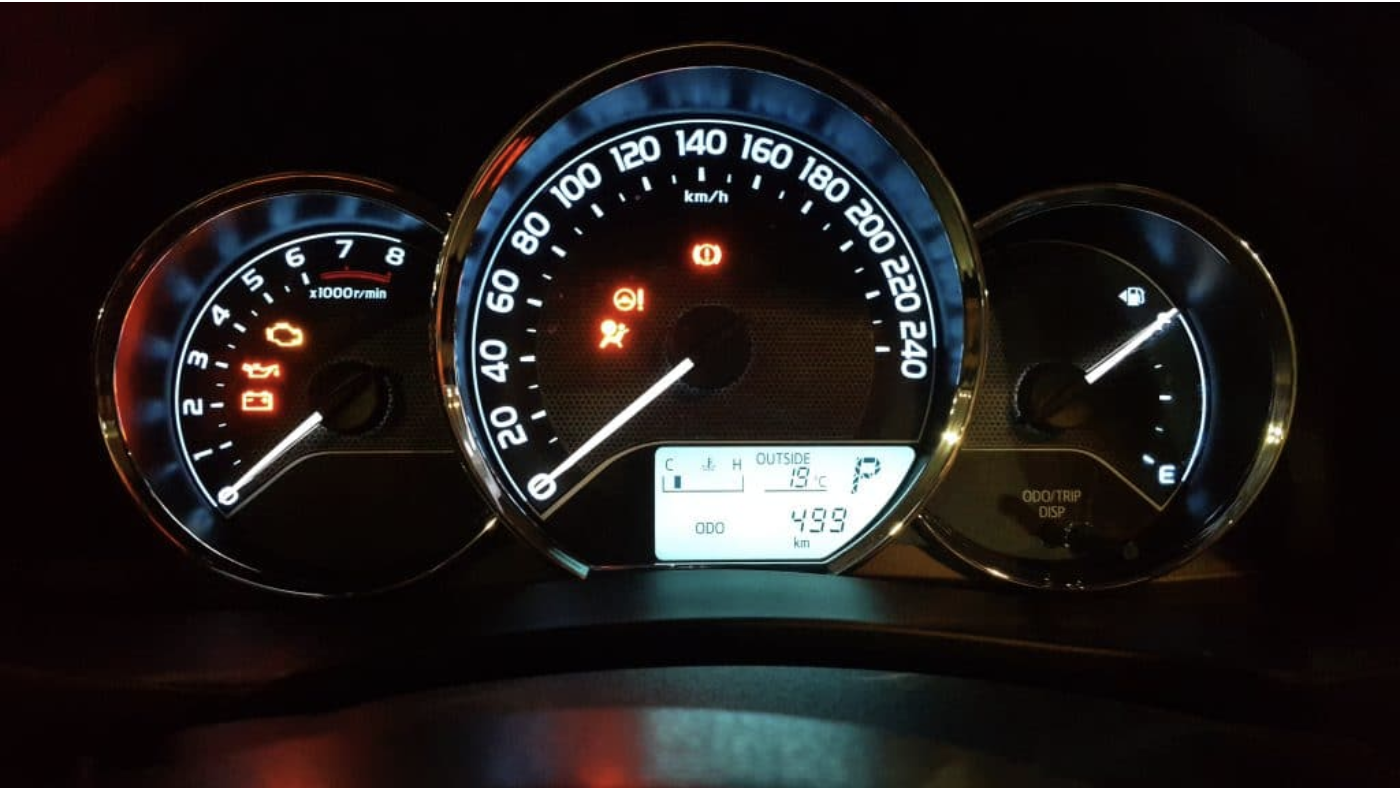
Modern vehicles rely on sophisticated computer systems to monitor and control virtually every aspect of operation. The Engine Control Unit (ECU), also called the Engine Control Module (ECM), serves as your car’s brain, managing everything from fuel injection timing to emissions control. When dashboard warning lights illuminate without apparent cause, or when your vehicle behaves erratically despite no mechanical issues, an ECU reset might provide the solution you need.
For Rwandan drivers dealing with persistent check engine lights, transmission warnings, or sensor errors, understanding ECU reset procedures can save time and money while restoring your vehicle to proper operation. These techniques prove particularly valuable when diagnostic scans reveal stored error codes that no longer reflect actual problems.
Understanding Your Vehicle’s ECU System
The ECU constantly monitors hundreds of parameters through various sensors positioned throughout your vehicle. It receives data about engine temperature, oxygen levels in exhaust gases, throttle position, airflow, and dozens of other variables. Using this information, the ECU makes real-time adjustments to optimize performance, fuel efficiency, and emissions.
When sensors detect values outside normal ranges, the ECU stores diagnostic trouble codes (DTCs) and typically illuminates dashboard warning lights. Sometimes these codes persist even after the underlying problem has been resolved, creating confusion and unnecessary concern. Other times, temporary electrical glitches or sensor anomalies trigger warnings that don’t indicate actual mechanical failures.
Common Dashboard Errors That ECU Resets Can Fix
Several dashboard warnings respond well to ECU reset procedures. The check engine light frequently illuminates due to minor issues like a loose fuel cap or temporary sensor readings outside normal parameters. After addressing the root cause, the light often remains on until the ECU system is reset.
Transmission warning lights sometimes appear when the transmission control module detects shift timing variations that fall within acceptable ranges but trigger conservative warning thresholds. ABS and traction control warnings occasionally result from wheel speed sensor contamination or temporary electrical interference. Airbag system warnings might stem from connector issues or seat sensor calibration problems that resolve with system resets.
The Battery Disconnect Method
The simplest ECU reset method involves disconnecting your vehicle’s battery. This procedure clears temporary memory in the ECU, erasing stored error codes and returning various systems to default settings. Start by turning off your vehicle and removing the key from the ignition. Locate your battery in the engine bay or trunk, depending on your vehicle model.
Using appropriate tools, loosen the negative terminal clamp (marked with a minus sign and typically black) and carefully remove it from the battery post. Ensure the cable doesn’t contact the battery terminal or any metal surfaces. Wait 15-20 minutes to allow the ECU’s capacitors to fully discharge. Some mechanics recommend waiting longer, up to 30 minutes, for certain vehicle models.
Reconnecting After Battery Disconnect
After the waiting period, reconnect the negative terminal first, ensuring a tight, secure connection. Start your vehicle and let it idle for several minutes. The ECU begins relearning idle characteristics and sensor baselines during this period. Some vehicles require a specific drive cycle to complete the relearning process.
Take a test drive covering varied conditions including city driving, highway speeds, and different throttle positions. This allows the ECU to relearn your driving patterns and recalibrate various systems. Don’t be alarmed if the vehicle feels slightly different initially, as the ECU needs time to optimize settings based on current conditions.
The Fuse Removal Method
An alternative reset method involves removing specific fuses rather than disconnecting the entire battery. This approach preserves radio presets, clock settings, and other convenience features while still resetting the ECU. Consult your vehicle’s owner manual to identify the ECU fuse location, typically found in the engine bay fuse box.
With the ignition off and keys removed, use fuse pullers or needle-nose pliers to remove the ECU fuse. Wait 15 minutes before reinserting the fuse, ensuring it seats properly. This method provides similar results to battery disconnection but with less inconvenience regarding electronic settings that would otherwise need reprogramming.
Using OBD-II Scan Tools
On-Board Diagnostics II (OBD-II) scan tools offer the most sophisticated reset capability. These devices plug into the OBD-II port, usually located under the dashboard near the steering column. Basic scan tools cost 15,000-50,000 RWF and allow you to read error codes, view live sensor data, and clear stored codes.
Connect the scan tool with the ignition off, then turn the ignition to the “on” position without starting the engine. Navigate through the scan tool menu to read stored codes, which helps you understand what triggered warning lights. After addressing any identified issues, use the “clear codes” function to reset the ECU and extinguish dashboard warnings.
Advanced Diagnostic Equipment
Professional-grade diagnostic equipment provides deeper ECU access and functionality. These systems allow complete ECU reprogramming, adaptation value adjustments, and component coding. While such equipment costs thousands of dollars and requires training to operate, many automotive shops in Kigali and major Rwandan cities offer diagnostic services using this technology.
If basic reset procedures don’t resolve your dashboard errors, professional diagnostics might be necessary. Technicians can determine whether errors stem from actual component failures requiring repair or from ECU calibration issues that advanced tools can address. This prevents unnecessary parts replacement and ensures accurate problem resolution.
Performing the Pedal Dance Reset
Some vehicles respond to a specific sequence of pedal movements and ignition cycling called a “pedal dance.” This manufacturer-specific procedure varies by make and model but typically involves pressing the accelerator pedal while cycling the ignition. Research your specific vehicle’s reset procedure, as performing incorrect sequences might trigger additional error codes.
For many Nissan models, the pedal dance involves turning the ignition on and off while pressing the accelerator pedal fully to the floor a specific number of times within time limits. Toyota vehicles often use different sequences. Online automotive forums and automag.rw provide model-specific reset procedures contributed by experienced mechanics and vehicle owners throughout Rwanda.
When to Seek Professional Help
While ECU resets resolve many dashboard errors, some warnings indicate genuine mechanical or electrical problems requiring professional attention. If warning lights return immediately after resetting, or if they reappear within a few driving cycles, underlying issues need diagnosis and repair. Ignoring persistent warnings risks component damage or safety system failures.
Critical warnings including brake system failures, steering problems, or engine overheating indicators should never be dismissed through reset procedures alone. These warnings protect you from dangerous conditions and always warrant thorough inspection. When purchasing used vehicles, verification that all systems function properly helps avoid inheriting unresolved electronic issues. Platforms like auto24.rw feature various models including Honda Fit, Toyota Vitz, and Nissan Note, and reputable sellers provide documentation of any dashboard warnings and their resolution.
Preventive Maintenance to Avoid False Errors
Regular maintenance reduces the likelihood of dashboard errors, whether legitimate or false. Keep battery terminals clean and tight, as poor electrical connections cause numerous sensor reading anomalies. Replace your battery proactively when it shows signs of weakness, typically after three to five years of service.
Maintain clean air filters and ensure proper engine oil levels, as these factors affect sensor readings and ECU calculations. Address small oil leaks promptly, as oil contamination on sensors triggers errors. Follow manufacturer-recommended service intervals for spark plugs, oxygen sensors, and other components that directly impact ECU functionality.
Understanding ECU Learning Periods
After any ECU reset, your vehicle enters a learning period where the computer recalibrates various systems based on real-world operation. During this period, fuel economy might temporarily decrease, idle quality may vary, and transmission shift points could feel different. These variations are normal and typically resolve within 50-100 kilometers of varied driving.
Avoid aggressive driving during the learning period, as the ECU uses initial data to establish baseline parameters. Gentle acceleration, smooth braking, and varied operating conditions help the ECU develop optimal calibration more quickly. Some vehicles complete learning cycles faster than others, with more sophisticated systems requiring longer relearning periods.
ECU Resets and Emissions Testing
In Rwanda, as vehicle emissions standards evolve and testing becomes more prevalent, understanding ECU readiness becomes important. After a reset, the ECU marks various emissions-related monitors as “not ready” until the vehicle completes specific drive cycles. Attempting emissions testing too soon after a reset might result in failure simply because monitors haven’t completed their checks.
If you need emissions testing, avoid ECU resets for at least a week before your appointment. If you’ve recently reset your ECU, complete several drive cycles including city and highway driving, cold starts, and sustained cruising to ensure all monitors show “ready” status. Professional technicians can verify monitor readiness using diagnostic scan tools.
Exploring Modern Vehicle Technologies
As automotive technology advances, ECU systems become increasingly sophisticated. Modern vehicles often feature multiple control modules managing specific systems including transmission, ABS, airbags, and climate control. These modules communicate through CAN (Controller Area Network) bus systems, requiring more complex diagnostic approaches when problems arise.
For drivers interested in the latest automotive technology including advanced ECU systems and enhanced diagnostic capabilities, EV24.africa offers import options for modern electric vehicles. These vehicles feature cutting-edge control systems and often include remote diagnostics that identify and sometimes resolve issues through wireless updates, representing the future of automotive electronic management.
Creating an ECU Reset Maintenance Schedule
Incorporate periodic ECU health checks into your maintenance routine. Every three months or 5,000 kilometers, consider having a technician scan for stored error codes even if no warning lights illuminate. This proactive approach identifies developing issues before they trigger dashboard warnings or affect performance.
Document any ECU resets you perform, noting the date, mileage, and reason for the reset. This record proves valuable for tracking recurring issues and provides useful information if you later need professional diagnostics. If specific errors repeat despite resets, this pattern helps technicians diagnose root causes more efficiently.
Frequently Asked Questions
Will resetting my ECU erase important vehicle data?
ECU resets clear diagnostic trouble codes and some learned parameters like idle speed and fuel trim values, but they don’t erase critical data like odometer readings or permanent emission-related codes. The ECU will relearn operating parameters during normal driving after the reset. Radio presets and clock settings may reset with battery disconnection but can be easily reprogrammed.
How long does it take for the ECU to relearn after a reset?
Most vehicles complete basic relearning within 50-100 kilometers of varied driving. However, some systems like transmission adaptive learning might require several hundred kilometers and specific driving conditions. Drive normally through city and highway conditions, including cold starts and various throttle positions, to expedite the learning process.
Can I damage my vehicle by performing an ECU reset?
No, properly executed ECU resets cannot damage your vehicle. The procedures simply interrupt power to the control module, causing it to clear temporary memory and restart. However, ensure you follow correct procedures including disconnecting the negative terminal first and reconnecting it last to prevent electrical shorts.
Why did my check engine light return after I reset it?
If warning lights return immediately or within a few driving cycles after resetting, an underlying problem still exists. The ECU re-detects the issue and re-illuminates the warning. In this case, you need proper diagnosis and repair of the actual problem rather than repeated resets. Persistent warnings should never be ignored.
Do all vehicles respond to the same reset procedures?
While most vehicles respond to battery disconnect and fuse removal methods, some manufacturers use vehicle-specific reset procedures. European vehicles often require specific tool-based procedures, while Japanese vehicles might respond to pedal dance sequences. Always research your specific make and model for the most effective reset method.
Should I reset my ECU before selling my car?
No, resetting the ECU before selling could be considered deceptive if done to hide existing problems. Ethical selling requires full disclosure of any vehicle issues. Buyers often conduct pre-purchase inspections that include diagnostic scans, and recently cleared codes combined with “not ready” emissions monitors raise red flags about concealed problems.