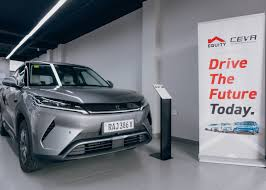
Rwanda’s shift to electric vehicles (EVs) just got a massive boost. On March 24, 2026, Equity Bank Rwanda partnered with China Electric Vehicle Rwanda (CEVR) through a Memorandum of Understanding (MoU) to provide affordable loans for EV purchases. This deal targets salaried workers, taxi operators, and small businesses, offering financing at up to 16% interest over six years for CEVR models starting at RWF 25 million (about $18,000).
With fuel prices soaring and EV charging costs a fraction of petrol expenses—like RWF 12,000 for 500km versus RWF 200,000–300,000—this partnership breaks down the biggest barrier: upfront costs. It’s a win for Rwanda’s green mobility goals, making cleaner rides accessible on Kigali streets and beyond.
Breaking Down the Equity Bank-CEVR MoU
The MoU streamlines EV ownership by fast-tracking loan approvals and tailoring terms for everyday Rwandans. Salaried employees can secure financing based on payroll deductions, while taxi drivers and entrepreneurs benefit from flexible repayments suited to cash flow. CEVR’s lineup, including compact sedans and SUVs, qualifies fully, with loans covering up to 80-90% of the vehicle price.
This isn’t just paperwork—it’s practical. Imagine a matatu operator in Nyabugogo switching to an EV: Monthly repayments around RWF 500,000 become manageable, offset by fuel savings that pay off the loan faster. Early adopters report charging at home or public stations for pennies per kilometer, turning high initial costs into long-term gains.
Pro tip for new EV owners: Monitor tire pressure weekly (aim for 35-40 PSI) to extend range by 10-20% on Rwanda’s hilly routes—underinflated tires sap battery life quickly.
[For the latest automotive news, car reviews, driving tips, and travel guides tailored for Rwandan drivers and enthusiasts, visit
.]
Massive Savings: EVs vs. Fuel Cars in Rwanda
Users are raving about the numbers. Charging a CEVR model for 500km costs just RWF 12,000 using off-peak home solar or grid power, compared to RWF 200,000+ for a similar distance in a petrol car amid current fuel hikes. Over a year, that’s RWF 2-3 million saved—enough to cover insurance or a service.
Rwanda’s EV incentives amplify this: Zero customs duty and VAT exemptions on qualifying imports until 2028 keep new prices competitive. For taxi fleets in Kigali or long-haul to Musanze, regenerative braking on descents recoups energy, boosting efficiency further.
Actionable advice: Install a Level 2 home charger (RWF 1-2 million) for overnight top-ups, cutting public station queues. Clean battery terminals monthly to prevent corrosion from humid rainy seasons, ensuring peak performance.
Who Benefits Most from This Financing?
- Salaried Workers: Quick approvals via salary slips mean driving home a new EV by week’s end.
- Taxi Operators: Six-year terms match high-mileage demands, with savings funding fleet expansions.
- Businesses: Bulk financing for company cars reduces operational costs, aligning with Rwanda’s sustainability mandates.
This targeted approach addresses Rwanda’s unique needs—urban congestion, rural hauls, and rising energy access. Transitioning fleets cut emissions and noise in crowded areas like Remera markets.
Maintenance edge: EVs need less upkeep—no oil changes. Just rotate tires every 10,000 km and software-update via app for optimal battery health in East Africa’s climate.
Shopping Smart: Used and New EV Options
While new CEVRs shine, blending with used markets expands choices. Platforms like
auto24.rw features second-hand EVs and hybrids, such as pre-owned Nissan Leafs or BYD compacts under RWF 20 million—ideal starters for testing electric life before financing a CEVR upgrade.
For drivers looking to explore sustainable mobility, EV24.africa offers import options for electric cars, expanding choices in Rwanda’s growing green scene.
FAQs: EV Financing and Ownership in Rwanda
What are the loan terms from Equity Bank-CEVR?
Up to 16% interest over six years, with fast approvals for salaried workers, taxis, and businesses—covering CEVR models from RWF 25 million.
How much can I save on fuel with an EV?
RWF 12,000 for 500km charging vs. RWF 200,000–300,000 petrol—annual savings hit RWF 2-3 million for high-mileage users.
Who qualifies for these EV loans?
Salaried employees, taxi operators, and SMEs; payroll or business docs speed things up.
What maintenance tips for Rwanda’s roads?
Check tire pressure weekly, clean terminals monthly, and rotate tires every 10,000 km to maximize range and safety.
Are there tax breaks for EVs?
Yes—duty and VAT exemptions on EVs over $60,000 CIF until June 2028, plus no excise or fuel levies.
Where to find used EVs locally?
Browse auto24.rw for inspected models like Nissan Leafs suited to Rwandan drives.