In a continent where rapid urbanization often comes hand-in-hand with traffic congestion, soaring fuel costs, and deteriorating air quality, Rwanda has positioned itself as a lighthouse for sustainable urban mobility. Driven by its ambitious Vision 2050 goals, the country, particularly its capital Kigali, is rolling out a comprehensive green transport strategy that is not just changing how Rwandans move, but offering a powerful, actionable blueprint for other African cities facing similar challenges.
This strategy moves beyond mere promises, focusing on tangible, policy-backed shifts in infrastructure, vehicle fleets, and public behavior. Here are the key pillars of Rwanda’s green transport revolution that are setting a new standard for the continent.
1. The E-Mobility Revolution: Powering a Green Fleet
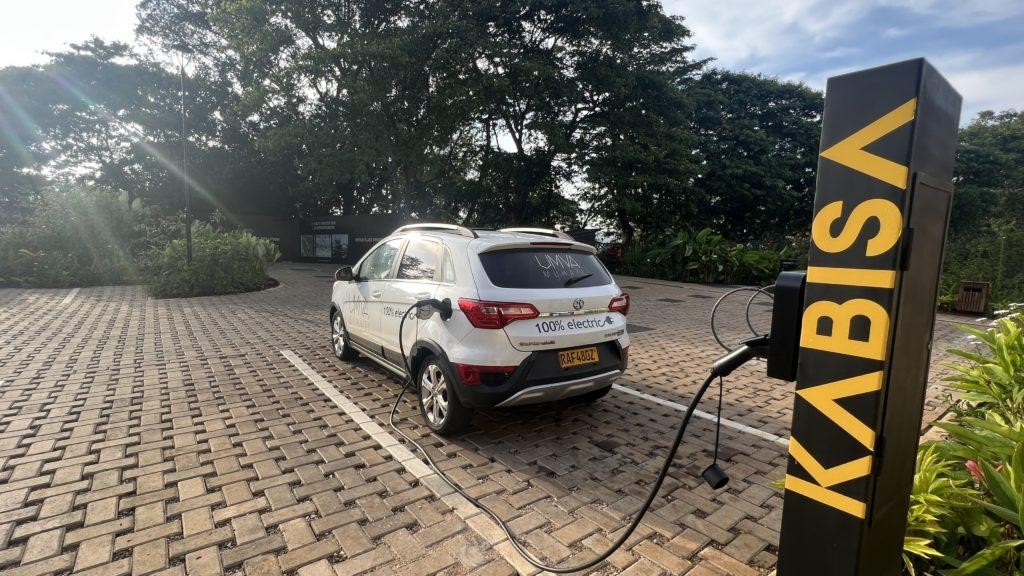
The most visible sign of Rwanda’s commitment is the aggressive push toward electric mobility. Recognizing that imported fossil fuels drain national reserves and pollute cities, the government has created an ecosystem to make electric vehicles (EVs) not only viable but preferable.
The Blueprint in Action: Rwanda has rolled out tax exemptions on imported EVs and EV charging equipment. This, coupled with investments in a national network of charging stations (often powered by the country’s growing renewable energy mix), makes the transition economically attractive. This focus on building the infrastructure first ensures that early adopters do not face ‘range anxiety,’ a key deterrent in other markets.
Practical Insight for Drivers: For drivers looking to explore sustainable mobility, EV24.africa offers import options for electric cars, expanding choices in compact city cars and robust SUVs alike.
Actionable EV Maintenance Tip: While EVs require less maintenance than conventional cars, ensure you regularly check the battery’s state of health (SOH) and keep the charging port clear of dust and moisture. A clean connection ensures efficient power transfer, which is crucial in humid climates. For more tailored advice on adapting to EV ownership in Rwanda, you can Discover additional tips on our platform.
2. Phasing Out Polluters: A Sustainable Import Policy
Rwanda has taken decisive steps to curb the importation of high-emission, older vehicles, a common source of urban pollution across Africa. The strategy focuses on transitioning to newer, more fuel-efficient, and cleaner technology over a structured timeframe.
The Blueprint in Action: By discouraging the import of vehicles past a certain age, Rwanda is proactively managing its carbon footprint. This policy signals to importers and consumers that the country is serious about air quality, pushing the market toward newer used cars that adhere to higher European emission standards (Euro 4 or higher). This policy provides a model for other nations to improve air quality without a sudden, economically disruptive ban.
Actionable Advice for Buyers: When purchasing a second-hand vehicle, focus not just on the price, but on the engine’s efficiency rating and age. A slightly higher initial investment in a cleaner, newer vehicle can lead to significant long-term savings on fuel and maintenance. To find second-hand cars suitable for these conditions, including reliable models like the Toyota Yaris or Mazda Demio, check out auto24.rw.
Actionable Fuel Efficiency Tip: Even with a combustion engine vehicle, a simple car care tip is to check your tire pressure monthly. Under-inflated tires increase rolling resistance, forcing your engine to work harder and wasting fuel. Maintaining the correct PSI (as listed on the driver’s side doorjamb or in the manual) can improve mileage by up to 3%.
3. Prioritizing People: Non-Motorized Transport and Public Transit
A truly green transport strategy recognizes that the most sustainable trip is the one that doesn’t use a private car. Rwanda’s plan makes public transportation and non-motorized transport (NMT) the backbone of urban movement.
The Blueprint in Action: Kigali’s famous car-free zones are a physical embodiment of this vision, dedicating central areas to pedestrians and cyclists, promoting health, and reducing localized congestion. Furthermore, the systematic upgrading of public bus routes and the introduction of higher-capacity, lower-emission public transit vehicles demonstrates a clear prioritization of collective transport over individual car use.
Practical Insight for Urban Planners: The success of car-free days in Kigali proves that with proper planning and communication, urban centers can reclaim space for citizens, boosting local commerce and community health. It’s a low-cost, high-impact policy that can be replicated in major cities across the continent.
Internal Link: To understand more about the economic impact of efficient public transit systems, Read more here.
4. Investing in Green Infrastructure: Beyond Electric
While EVs get the headlines, Rwanda is also looking to diversify its green energy sources for transport. This includes exploring Compressed Natural Gas (CNG) and biogas options for buses and heavy commercial vehicles—areas where full electrification is often slower to adopt.
The Blueprint in Action: Diversification is key to resilience. By researching and implementing pilot projects for alternative fuels, Rwanda ensures that its entire fleet, from small taxis to large goods haulers, has a path to lower emissions. This commitment to an all-encompassing strategy is what distinguishes Rwanda’s approach from single-focus initiatives elsewhere.
Actionable Maintenance Tip for CNG/Biogas Vehicles: Alternative fuel systems require specialized care. The biggest difference is the need for regular inspection of the gas lines and pressure regulators for leaks or corrosion. Never attempt to service these high-pressure systems yourself; always use a certified technician. For the latest local insights on vehicle maintenance and green technology advancements, be sure to visit automag.rw, your local source for automotive news and reviews.
5. Incentives and Collaboration: A Regulatory Framework for Change
The final, and perhaps most crucial, pillar is the creation of a supportive and collaborative regulatory environment. Change is not mandated; it is incentivized.
The Blueprint in Action: Rwanda has successfully collaborated with international partners and private companies to accelerate the transition. This includes providing land, tax incentives, and streamlined licensing to companies setting up EV assembly plants, battery swapping stations, and charging infrastructure. By fostering a supportive business climate, the government ensures that the market, not just the government, drives the transition.
Actionable Advice for Businesses: For logistics and transport companies in other African urban centers, Rwanda’s strategy demonstrates that engaging with policymakers and exploring public-private partnerships (PPPs) can unlock significant incentives, making the switch to a greener fleet more affordable and competitive. Look for grants and tax relief programs aimed at reducing your fleet’s carbon footprint.
Conclusion
Rwanda’s Vision 2050 on Wheels is far more than an environmental plan—it’s an economic and infrastructural development strategy. By prioritizing e-mobility, cleaner imports, public transit, and a supportive regulatory framework, Rwanda has created a functional, replicable blueprint. As African urban centers grapple with the dual pressures of growth and sustainability, Kigali’s road map provides a clear direction: that achieving a clean, efficient, and modern transport system is not a luxury, but a necessity for the future.