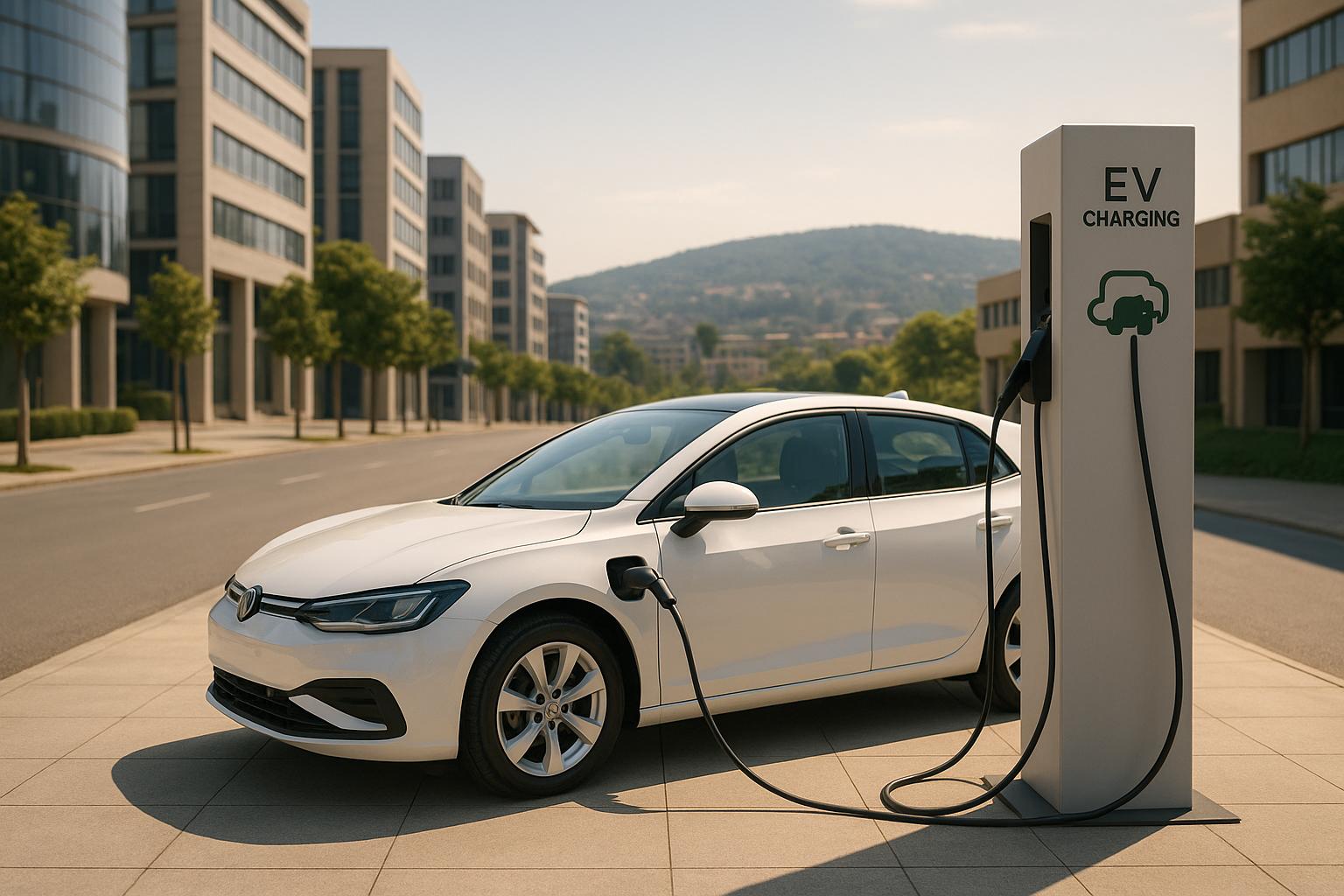
Rwanda is leading the charge in promoting electric vehicles (EVs) with a policy that eliminates import duties, VAT, and excise taxes on EVs, batteries, and charging equipment. The government also offers reduced corporate tax rates for EV businesses, rent-free land for charging stations, and lower electricity rates for EV charging. These measures aim to reduce emissions, cut fuel imports, and support local EV manufacturing and infrastructure.
Key highlights:
- Zero VAT, import duties, and excise taxes on EVs and charging equipment.
- 15% reduced corporate tax for EV-related businesses.
- Incentives for local assembly: Tax exemptions on machinery and raw materials.
- Charging infrastructure support: Rent-free land and capped electricity rates at $0.10/kWh.
- Target: 20% of buses to be electric by 2030, cutting 72,000 tons of CO₂ annually.
Rwanda’s policy not only encourages EV adoption but also supports local industries, job creation, and long-term economic growth. While challenges like high upfront costs and limited rural charging infrastructure exist, the country’s approach sets a strong example for electric mobility in East Africa.
Understanding Rwanda’s journey to e-mobility
Tax Benefits for EV Buyers and Importers
Rwanda has introduced tax policies aimed at making fully electric vehicles (EVs) and charging equipment more affordable. These incentives apply to both individuals and businesses, but it’s worth noting that hybrids no longer qualify for these benefits. Here’s a closer look at how these policies translate into savings.
Zero VAT on EV Imports
One of the most notable perks is the elimination of Value-Added Tax (VAT) on fully electric vehicles and charging station equipment. This exemption significantly reduces the overall cost for both personal and commercial imports, making EVs a more attractive option.
No Import Duties on EVs and Parts
Import duties, which often add a significant cost to vehicles, have been set at zero for electric vehicles in Rwanda. This exemption also covers key components like batteries and charging equipment, further reducing the landed cost of EVs.
Excise Duty Waiver
In addition to VAT and import duty exemptions, Rwanda has removed excise duties on electric vehicle imports. This move underscores the government’s commitment to encouraging the adoption of fully electric vehicles over hybrids or traditional fuel-powered options.
Incentives for EV Manufacturers and Assemblers
Rwanda has introduced financial incentives aimed at attracting businesses in the electric vehicle (EV) sector. These measures are designed to encourage manufacturers, assemblers, and operators to establish a presence in the country’s growing e-mobility market. The government’s initiatives go beyond import benefits, reflecting a strong commitment to building a thriving local EV industry.
Reduced Corporate Income Tax Rates
Companies operating in the EV sector benefit from a reduced corporate tax rate of 15%. This preferential rate applies to businesses in energy, ICT, and mass transport sectors. By easing the tax burden, Rwanda aims to attract more investment in areas like vehicle assembly and charging infrastructure, fostering growth within the e-mobility ecosystem.
Support for Local Assembly and Production
To promote local production, vehicles assembled within Rwanda are exempt from excise duties. Additionally, VAT exemptions apply to machinery, capital assets, and raw materials used in the EV sector until June 30, 2026. These policies align with the country’s broader goals of industrial development, job creation, and skill-building.
EV Companies Operating in Rwanda
During the April 2021 E-Mobility Technology Showcase in Kigali, several companies presented their EV innovations, including Volkswagen Rwanda, Ampersand, Guraride, Victoria Motors, Rwanda Electric Motorcycles, and Safi Universal Links. Ampersand, for instance, focuses on electric motorcycles tailored for the motorcycle taxi market, a vital part of Rwanda’s urban transport system. In addition to showcasing their products, these companies benefit from incentives like zero taxes on EV consumables, rent-free property for charging stations, and reduced electricity rates.
Charging Infrastructure Development Incentives
Building a reliable charging network is key to encouraging the adoption of electric vehicles (EVs). To support this, Rwanda has introduced several measures that tackle both the costs of setting up infrastructure and the need for a dependable nationwide network. These efforts are part of the country’s broader EV policy and aim to make it easier for businesses to establish charging stations. Below are some of the key financial incentives driving this initiative.
Tax Exemptions on Charging Equipment
Rwanda offers substantial tax relief on importing EV charging equipment. This includes exemptions from Value Added Tax (VAT), import duties, excise duties, and withholding tax. A Gazette Notice issued on May 29, 2025, extended VAT exemptions on imported fully electric vehicles and charging equipment until June 30, 2028. These tax breaks significantly reduce the initial costs for operators looking to set up charging facilities, making the business more accessible and attractive.
Reduced Electricity Rates for Charging Stations
In addition to tax relief, Rwanda has introduced measures to lower operational costs for charging stations. Electricity tariffs for these stations are capped at the industrial rate of about $0.10 per kilowatt-hour (kWh), a significant drop from the previous rate of nearly $0.20 per kWh. This reduction not only makes running a charging station more affordable but also helps keep charging prices competitive for EV owners. Moreover, charging station operators can access government land rent-free, further reducing expenses.
In April 2025, Kabisa EV House opened in Kigali as a hub for e-mobility services. This facility includes charging stations, tech-enabled maintenance services, meeting spaces, and solar-powered off-grid charging infrastructure installed by Meshpower. That same month, Kabisa launched an ultra-fast charging station at SP’s Kanombe location in Kigali. With chargers offering up to 240 kW, most vehicles can fully recharge in just 15 to 25 minutes – much quicker than the standard 7.43 kW to 22 kW chargers.
National Charging Network Targets
Rwanda has ambitious plans for its charging infrastructure, aiming to ensure that charging stations are no more than 31 miles (50 kilometers) apart, with a strong emphasis on rural areas. The Ministry of Infrastructure is currently working on an EV charging master plan to strategically guide the development and placement of stations across the country. As of October 2022, Kigali alone had nearly 200 operational EV charging stations, showcasing the rapid pace of progress in the capital.
"E-mobility is one of the transport decarbonization initiatives the government has undertaken." – François Zirikana, e-mobility specialist, City of Kigali
Public-private partnerships play a critical role in expanding Rwanda’s charging network. The government is actively collaborating with private companies to leverage their expertise and investments. For example, in April 2025, Volkswagen Mobility Solutions Rwanda piloted e-tractor projects that contributed to the growth of charging infrastructure. Meanwhile, startups like Kabisa focused on expanding EV charging solutions for four-wheelers, and Ampersand worked on scaling battery-swapping stations for electric motorbikes. To ensure sustainable growth, the government is also integrating EV charging provisions into building codes and urban planning, ensuring that future developments include charging infrastructure from the outset.
sbb-itb-7bc66b5
Challenges to EV Adoption in Rwanda
Rwanda has made strides to encourage the transition from traditional vehicles to electric ones, largely through government incentives. But despite these efforts, several obstacles continue to slow progress. Let’s take a closer look at the main challenges standing in the way of widespread EV adoption.
Limited Charging Infrastructure
While Kigali has seen some development in charging infrastructure, rural areas remain underserved. The government has plans to expand this network across the country, but progress outside the capital has been sluggish. This uneven distribution creates "range anxiety" – the fear of running out of charge without access to a nearby station – which discourages many potential EV buyers.
High Initial Purchase Costs
Even with tax exemptions, the upfront cost of an electric vehicle remains a significant barrier for most Rwandans. Without affordable financing options, EVs are simply out of reach for many. In fact, around 80% of four-wheeler sales in Sub-Saharan Africa consist of used vehicles, driven by affordability. In Rwanda, this trend is no different. Although government incentives help reduce the price of new EVs, they still struggle to compete with the lower costs of used internal combustion engine (ICE) vehicles. To make matters more complicated, experts predict that an accessible supply of used EVs won’t emerge until after 2035, leaving a long gap where ICE vehicles dominate. Bridging this affordability gap will require creative financing solutions, alongside efforts to educate consumers about the value of EVs.
Public Awareness and Education Gaps
A lack of understanding about how EVs work and their long-term benefits creates hesitation among many Rwandans. Misconceptions about maintenance, charging, and reliability often lead potential buyers to stick with traditional gasoline or diesel vehicles. To counter this, both the government and private sector need to invest in well-targeted awareness campaigns. These efforts should focus on different groups – individual consumers, fleet managers, taxi operators, and rural communities – ensuring that the information is relevant and accessible. Without addressing these knowledge gaps, even the most generous incentives might fail to convince people to make the switch. Consumers need to see EVs as a practical and cost-effective choice for their transportation needs.
Rwanda’s Role in Regional and Global EV Efforts
Rwanda is carving out a prominent spot in Africa’s transition to electric mobility. With a mix of forward-thinking tax policies and infrastructure projects, the country is using its strategies to influence both regional and global electric vehicle (EV) developments.
How Rwanda’s Policies Compare to Regional Neighbors
In East Africa, Rwanda’s approach to EV adoption stands out. While other countries in the region have introduced incentives, Rwanda takes things further by addressing the entire ecosystem needed to support electric mobility.
Take Kenya, for example. Kenya has implemented specific measures like zero-rated supplies for electric buses and bicycles, along with excise duty exemptions for imported and locally assembled motorcycles. The country has also set a clear goal: by 2025, 5% of newly registered vehicles should be electric. Kenya’s strategy focuses on public transport and two-wheelers as a starting point before expanding to private vehicles.
Rwanda’s strategy, however, is more comprehensive. The country offers sweeping tax breaks, exempting electric cars, batteries, spare parts, and charging station equipment from VAT, import duties, and excise duties. Beyond that, Rwanda provides reduced electricity rates, zero taxes on EV-related consumables, and even rent-free land for charging station development. This all-encompassing approach tackles multiple challenges at once, rather than targeting specific vehicle categories.
What sets Rwanda apart is its integration of energy infrastructure, smart charging solutions, and battery waste management alongside vehicle incentives. This interconnected framework acknowledges that making EVs affordable is only part of the equation – building a robust support system is equally critical.
Rwanda has also taken a bold stance to ensure efficiency. By discouraging the import of outdated hybrid vehicles, the country avoids becoming a dumping ground for less effective technologies. This policy underscores its commitment to full electrification, rather than settling for half-measures.
Other East African nations, such as Seychelles, Zambia, and Mauritius, have also reduced or waived taxes for EVs. However, Rwanda’s mix of incentives, infrastructure planning, and regulatory foresight places it ahead in the region’s push for electric mobility. This holistic strategy reflects Rwanda’s ambition to create a well-rounded EV ecosystem that aligns with both local and regional goals.
Lessons from Global EV Leaders
Rwanda is learning from global EV leaders while tailoring those lessons to its own economic and social landscape. Although the contexts differ, certain strategies from countries with successful EV adoption are proving valuable.
One key takeaway is the importance of smart charging infrastructure. Rwanda’s plans include time-of-use tariffs that encourage charging during off-peak hours, which helps reduce strain on the electrical grid. This mirrors approaches used in mature EV markets, where managing grid demand is crucial to scaling adoption.
Another forward-thinking move is mandating EV-ready infrastructure in new construction projects. By requiring buildings to include charging capabilities from the start, Rwanda avoids the higher costs of retrofitting later. This proactive planning ensures the country is ready for future growth in EV adoption.
Rwanda is also addressing battery waste management early on. By implementing Extended Producer Responsibility schemes, the country aims to sidestep the environmental issues that have troubled other nations lacking proper disposal plans. This ensures that Rwanda’s shift to electric mobility remains environmentally responsible.
The government’s active role in driving change is another lesson drawn from global leaders. For instance, Ecofleet Solutions, a state-owned enterprise focused on transforming public transport, demonstrates how public initiatives can kick-start private sector involvement. Instead of waiting for the market to catch up, Rwanda is taking the lead in showcasing the viability of electric public transport.
Rwanda’s Position in East African E-Mobility
Rwanda’s comprehensive policy framework and ambitious goals solidify its leadership in East Africa’s electric mobility movement. The country has pledged to electrify 20% of its bus fleet by 2030, with all new buses in Kigali set to be electric. These concrete targets underline Rwanda’s commitment to making tangible progress.
This leadership role has ripple effects. If Rwanda can successfully implement electric public transport, complete with the necessary infrastructure and economic adjustments, it could serve as a model for neighboring nations.
Rwanda’s focus on building energy infrastructure, crafting clear policies, and exploring innovative financing options highlights a strategy that goes beyond just incentivizing vehicles. By addressing charging networks, grid management, battery recycling, and public transport electrification, Rwanda is creating a blueprint for sustainable EV adoption.
Conclusion
Rwanda has laid out a well-rounded and ambitious plan to reshape its transportation landscape. By removing major taxes and encouraging local production and infrastructure development, the country is tackling both environmental and economic challenges head-on. This strategy is designed to make electric vehicles (EVs) more accessible while fostering a supportive ecosystem for their adoption.
Instead of simply cutting purchase costs, Rwanda’s government has taken a broader approach, addressing every stage of the EV value chain. By setting clear goals and implementing policies that nurture a lasting EV ecosystem, the country is ensuring long-term progress in the sector.
This approach benefits not just individual consumers but also investors and businesses. For companies, the reduced corporate income tax rates and operational support create profitable opportunities in the EV market. Meanwhile, consumers enjoy immediate savings through zero VAT, excise tax exemptions, and the elimination of import duties. At the same time, the expanding network of charging stations and growing public awareness help remove existing barriers to EV adoption.
In the East African context, Rwanda’s approach stands out as a model for sustainable e-mobility. The country’s success isn’t just about offering financial incentives – it’s about building a system that works. Through strategic policies, infrastructure investment, and a strong commitment to environmental goals, Rwanda is setting a powerful example for others to follow in the transition to electric transportation.
FAQs
What incentives and tax benefits are available under Rwanda’s EV policy for individuals and businesses?
Rwanda has introduced full tax exemptions for fully electric vehicles (EVs), covering VAT, customs duties, excise duties, and withholding taxes. These exemptions are available until June 30, 2028, significantly lowering the cost of owning an EV for both individuals and businesses.
For hybrid vehicles, the government offers a 25% reduction on import duties. However, other taxes, including VAT, withholding taxes, and excise duties, still apply. The excise duty rate depends on the vehicle’s age, ranging between 5% and 15%.
These initiatives are part of Rwanda’s push to encourage cleaner transportation options and reduce its environmental footprint, making EVs a more practical choice for many.
What is Rwanda doing to make electric vehicles more affordable and improve charging infrastructure?
Rwanda is addressing the steep initial costs of electric vehicles by introducing tax breaks, including reduced import duties and exemptions. These initiatives are making EVs more accessible to everyday consumers while also attracting investment into the growing EV market.
To tackle the issue of scarce charging infrastructure, the government is collaborating with private companies to establish a robust network of charging stations. This partnership is focused on making EV ownership practical and convenient, aligning with Rwanda’s push for greener and more sustainable transportation solutions.
How does Rwanda’s EV policy promote local manufacturing and create jobs in the electric vehicle industry?
Rwanda’s approach to electric vehicles (EVs) is all about boosting local manufacturing and creating jobs. For investors in the e-mobility sector, the government offers a 15% corporate income tax rate, a clear incentive to attract businesses. On top of that, companies making large investments in EV manufacturing may benefit from tax holidays, making the industry even more enticing.
The government is also putting emphasis on local assembly and production of EVs. This not only creates job opportunities but also helps build a skilled workforce within the country. These efforts tie into Rwanda’s larger vision for sustainable development and economic progress.
Related Blog Posts
- Rwanda EV Import Duty Exemptions Explained
- Rwanda’s EV Incentives: What Drivers Need to Know
- Rwanda’s EV Tax Exemptions Explained
- EV Policy Updates for 2025/2025 in Rwanda