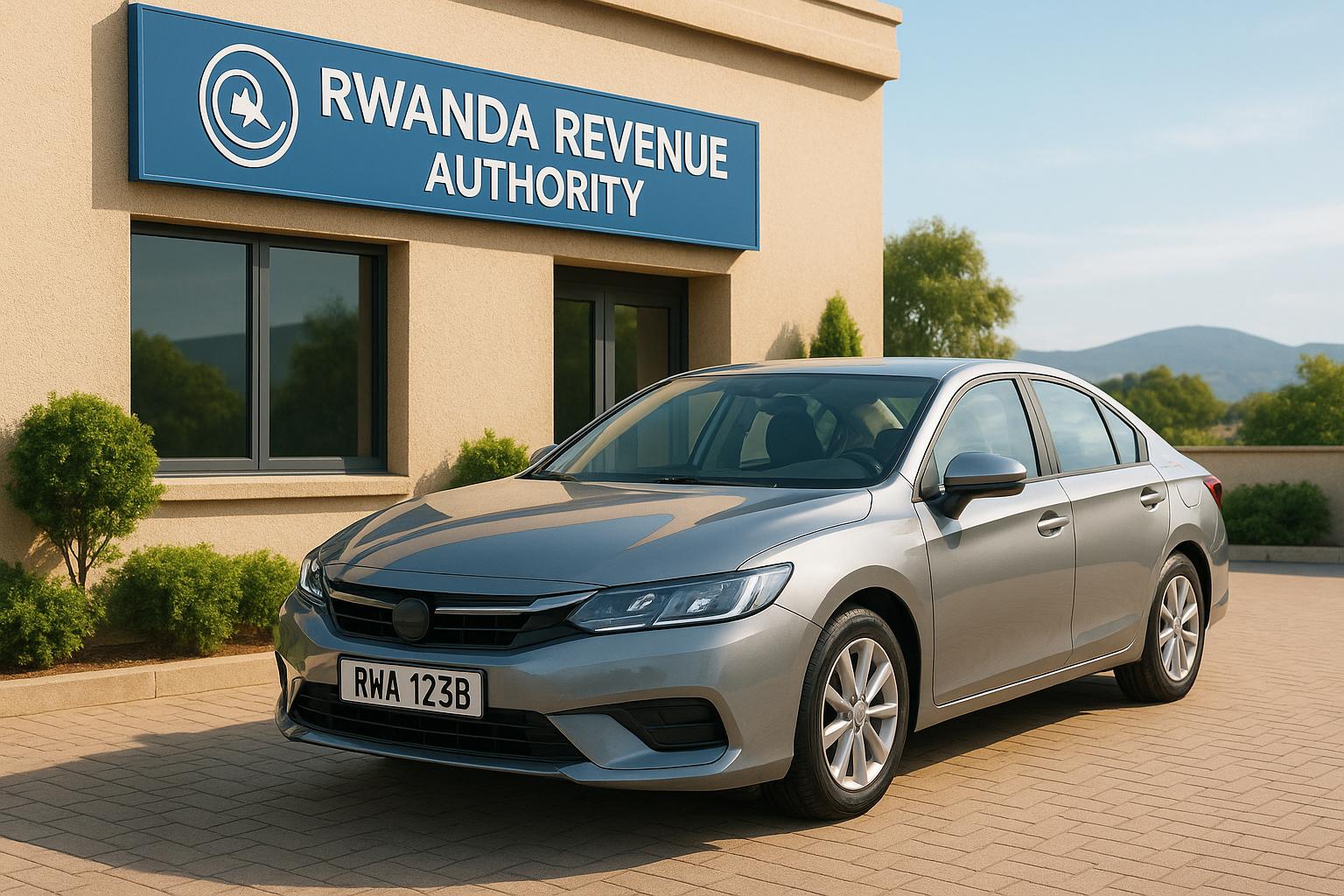
Registering an imported car in Rwanda is a straightforward but essential process. Here’s what you need to know:
- Prepare Documents: Gather key paperwork like the car’s title, purchase invoice, shipping documents, and proof of residence.
- Clear Customs: Pay import duties, taxes, and complete vehicle inspections at the customs office.
- Visit Rwanda Revenue Authority (RRA): Submit customs clearance, proof of tax payment, and ID to register the car and get license plates.
- Complete Inspection: Ensure the car passes safety and emissions checks by the Rwanda Standards Board (RSB).
- Get Insurance: Purchase mandatory vehicle insurance before driving.
Key Tip: Double-check all details on your documents to avoid delays. Arriving early at RRA offices can help you save time.
Follow these steps to stay compliant and legally drive your imported car in Rwanda.
Rwanda’s Vehicle Import and Registration Rules
If you’re planning to bring a car into Rwanda, knowing the import and registration rules can save you a lot of time and hassle. These guidelines ensure your vehicle is legally roadworthy and meets the country’s standards.
Vehicle Import Rules
Rwanda has specific requirements for imported vehicles, and understanding them upfront can help you avoid unnecessary complications. First, vehicles must be configured for Rwanda’s right-side driving system, meaning the driver’s seat should be on the left. Importing a car with the driver’s seat on the right can lead to issues during registration.
The age of the vehicle is another key factor. Rwanda restricts the import of older passenger vehicles to reduce emissions and improve road safety. While the exact age limits depend on the type of vehicle, it’s wise to check the latest regulations before proceeding.
Your car must also be in good working condition. Functional brakes, lights, and seat belts are non-negotiable. If the vehicle is damaged, incomplete, or salvaged, it may face stricter inspections or even rejection.
Customs clearance is a critical step in the process. This involves submitting the necessary documents, paying the required duties and taxes, and undergoing inspections. Vehicles must also comply with emission standards – cars with high pollution levels may need modifications or could be denied entry altogether.
Once your car has cleared customs and met all the requirements, it’s time to move on to the official registration process.
Registration Authorities
After clearing customs, the next step is to register your vehicle with the Rwanda Revenue Authority (RRA). The RRA is responsible for issuing license plates, registration cards, and maintaining the vehicle registration database. They also handle the collection of registration fees.
In Kigali, most importers complete customs clearance at the Gikondo customs facility. Once that step is done, you’ll need to visit the appropriate RRA office to finalize your vehicle’s registration.
While the RRA has made strides in modernizing its services, including offering online resources for preliminary information, the registration process typically requires an in-person visit. Make sure to set aside enough time to visit both the customs facility and the RRA office.
Smooth coordination between Rwanda Customs and the RRA is essential for completing the process without delays. Customs handles the import clearance and tax collection, while the RRA takes care of registration and license plate issuance. With these steps in mind, you’re ready to move forward with registering your vehicle. Details on the registration process are covered in the next section.
How to Register an Imported Car: Step-by-Step
Once you’ve got a handle on the rules for importing a car into Rwanda, it’s time to tackle the registration process. Here’s a breakdown of the steps to make sure your vehicle is properly registered.
Step 1: Gather Your Import Documents
Before your car even arrives in Rwanda, make sure you’ve collected all the necessary paperwork. Typically, you’ll need:
- The original title or certificate of ownership for the vehicle
- A purchase invoice or sales receipt with details like the car’s make, model, year, and identification number
- Shipping documents that confirm the vehicle’s transport to Rwanda
- A valid passport or national ID along with proof of residence
- Export clearance certificates from the country where the car was purchased
It’s a good idea to keep photocopies of these documents handy to avoid any delays.
Step 2: Clear Customs
Once your car lands in Rwanda, it has to go through customs. Head to the designated customs facility with your shipping and import documents. You’ll need to complete inspections, pay any required import taxes, and meet all other customs requirements.
When everything is in order, you’ll receive a customs clearance certificate. This certificate confirms that your vehicle complies with Rwanda’s import regulations, and you’ll need it for the next step.
Step 3: Register Your Vehicle with the Rwanda Revenue Authority
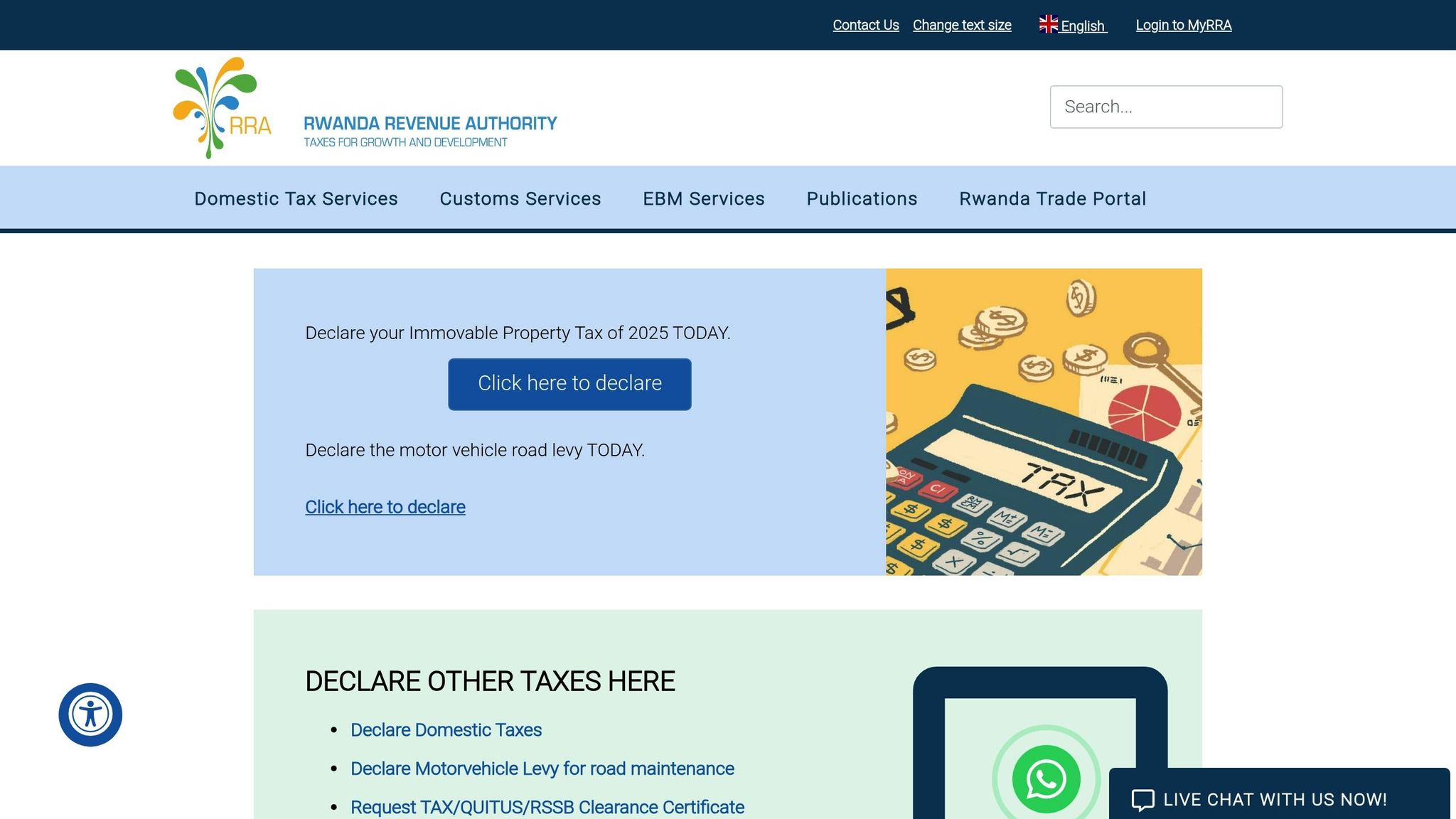
With your customs clearance certificate ready, head to your nearest Rwanda Revenue Authority (RRA) office to register the car. At the RRA, you’ll need to submit the following:
- Your customs clearance certificate
- Proof of tax payment
- A valid form of identification
You’ll also need to fill out a registration form and pay a registration fee, which depends on your vehicle’s specifications.
Once processed, the RRA will issue your registration card and license plates. Make sure to attach the plates securely to your vehicle – this step is essential for driving legally on Rwandan roads.
Additional Requirements: Inspection, Insurance, and Roadworthiness
Before your vehicle can officially hit the road in Rwanda, it needs to pass an inspection and have valid insurance in place.
Vehicle Inspection and Roadworthiness Certificate
To ensure your imported car is safe and meets national standards, it must undergo a safety and emissions inspection conducted by the Rwanda Standards Board (RSB). This inspection is typically done when the vehicle arrives in Rwanda and before you complete the registration process. During the inspection, key components such as brakes, tires, lights, exhaust emissions, and the vehicle’s overall structural condition are thoroughly checked. If your car meets the required safety standards, the RSB will issue a certificate, which is a crucial document for registration. However, if issues like worn brakes, faulty lights, or high emissions are detected, you’ll need to address these problems and schedule a re-inspection.
Insurance
Insurance is mandatory for all vehicles in Rwanda, including imported ones. To register your car with the Rwanda Revenue Authority (RRA), you’ll need to present proof of insurance. Local insurance providers offer two main types of coverage: third-party insurance, which covers liability, and comprehensive insurance, which includes broader protection. To get insured, contact a licensed provider and provide documents like your customs clearance certificate and vehicle registration details. Many insurers offer flexible payment plans, allowing you to choose between monthly, quarterly, or annual renewals. Keep in mind, valid insurance is required before driving, and it’s a good idea to always carry proof of coverage while on the road.
sbb-itb-7bc66b5
Tips for a Smooth Registration Process
Getting through the vehicle registration process in Rwanda can feel much simpler when you’re prepared and know what to expect. These tips will help you sidestep common issues and save yourself some time along the way.
Double-Check Your Vehicle and Document Details
Errors or mismatched information in your paperwork are some of the most common reasons for delays. For instance, your Taxpayer Identification Number (TIN) needs to match the details you provided during the customs declaration.
Make sure to review all your documents – like the VIN, engine number, names, addresses, and ID numbers – against your bill of sale, customs clearance certificate, and insurance papers. Consistency is key. Missing or incomplete documents are another frequent issue, so it’s a good idea to prepare a checklist of everything you’ll need before heading to the Rwanda Revenue Authority (RRA) office.
If you’re buying a second-hand imported vehicle, take the extra step of checking its history. This can save you from inheriting unpaid fines or unresolved legal problems from the previous owner.
Arrive Early at RRA Offices
Even though the Rwanda Revenue Authority has improved its online registration services, there are still steps that require you to show up in person. Vehicle and motorcycle registration is managed at the RRA Gikondo office and the Dubai Port office in Masaka. Arriving early can help you avoid long lines, especially during busy times.
Before you visit, double-check that your payment method is ready to go and that you have enough funds to cover any fees.
Whenever possible, use RRA’s online platform to handle parts of the process in advance. It’s a great way to cut down on the number of trips you’ll need to make to their offices.
Conclusion
Registering an imported car in Rwanda involves a series of steps that, once understood, can be navigated with ease. Start by ensuring all your import documents are in order – this includes items like the bill of lading, invoice, arrival notice, and customs declaration. After that, clear customs by paying the required import taxes and duties to obtain your customs release order. Once you’ve settled these fees, proceed to register the vehicle with the Rwanda Revenue Authority (RRA) to get your license plates and registration. Before hitting the road, double-check that your inspection, roadworthiness certificate, and insurance are valid and up to date.
Following these steps can save you from unnecessary delays, fines, or repeated trips to customs or RRA offices. For U.S. readers, think of Rwanda’s RRA as similar to the DMV. When planning your budget, converting registration fees from Rwandan francs to U.S. dollars can give you a rough idea of costs, though you’ll need to rely on official Rwandan figures for actual payments.
It’s crucial that details like your VIN, engine number, make, model, and year match across all documents, from import paperwork to customs forms and RRA registration. Errors, missing information, or unpaid fees can lead to delays or even rejection, so reviewing everything carefully before your appointment is a smart move.
Owning a registered vehicle also means staying on top of ongoing responsibilities, such as renewing insurance, scheduling periodic inspections, and updating registration details if you sell the car. Regulations and fees can change over time – like the 2025 Ministerial Order that updated registration fees and replaced the 2009 order – so it’s wise to keep an eye on any new requirements that might affect your vehicle.
To stay informed, AutoMag.RW is a helpful resource. It provides up-to-date information on import duties, registration fees, and changes in regulations. Whether you’re deciding which car to import or have already completed the registration process, AutoMag.RW keeps you in the loop about policy updates, fee adjustments, and other automotive news, helping you prepare for any future costs or compliance needs.
FAQs
Are there any age restrictions for importing passenger vehicles into Rwanda?
Rwanda doesn’t have strict age limits for importing used passenger vehicles. However, the vehicle must meet the country’s roadworthiness and emissions standards to align with local regulations.
To ensure a smooth process, gather all necessary documents beforehand. This includes proof of ownership and inspection certificates, which are essential to prevent delays during registration.
How can I make sure my imported car meets Rwanda’s emissions and safety standards before shipping it?
To make sure your car meets Rwanda’s emissions and safety regulations, you’ll need a Pre-export Verification of Conformity (PVoC). This document certifies that the vehicle adheres to all necessary standards before being shipped.
You’ll need to collaborate with an authorized inspection agency in the exporting country to handle the PVoC process. These agencies will check critical factors such as emissions levels, safety features, and overall compliance with Rwandan requirements. Having this certification in hand can save you from delays or extra charges during customs clearance in Rwanda.
What should I do if my car doesn’t pass the inspection by the Rwanda Standards Board?
If your car doesn’t pass the inspection by the Rwanda Standards Board (RSB), don’t panic – there’s a clear path to fix the issues and try again. Start by carefully reviewing the inspection report from RSB, which will outline the specific reasons for the failure. These could include issues like emissions, brakes, lights, or other safety-related requirements.
Once you know what needs fixing, take your car to a qualified mechanic or service provider to handle the necessary repairs or adjustments. After everything is resolved, schedule a re-inspection with RSB. Be aware that re-inspection usually comes with additional fees, so budget for this cost.
To keep things moving smoothly, make sure you have all the required documents ready before heading back for the re-inspection. This includes the original inspection report and proof of completed repairs. Acting quickly to address the issues will help you get your car back on the road without unnecessary delays.
Related Blog Posts
- How to register a used car in Rwanda
- Rwanda Vehicle Registration: Tax and Duty Breakdown
- 6 Documents You Need to Register a Car in Rwanda
- Import a Car from France to Rwanda: Costs, Duties, and Tips for Kigali