Kigali’s skyline is changing, and so is the sound of its streets. As we move further into 2026, the familiar roar of petrol engines is being replaced by the silent efficiency of electric motors. While tax exemptions and environmental goals have set the stage, the real “engines” of this transformation are two high-tech pillars: Battery Swapping and Smart Grids.
For the average Rwandan driver or “moto-taxi” operator, these aren’t just buzzwords—they are the technologies making car and motorcycle ownership cheaper, faster, and more reliable than ever before.
The Rise of the “Swap and Go” Economy
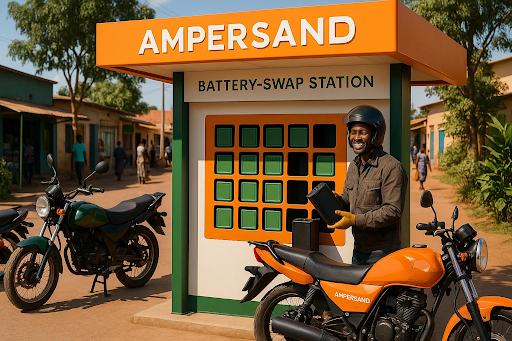
In 2026, the most significant barrier to EV adoption—charging time—has been virtually eliminated for commercial riders. Battery swapping has emerged as the gold standard for Rwanda’s transport sector. Instead of waiting hours for a plug-in charge, drivers pull into a station, exchange a depleted battery for a fresh one in under two minutes, and continue their journey.
1. Massive Infrastructure Expansion
Companies like Spiro and Ampersand are leading the charge. Recently, Spiro announced plans to double its network to 1,000 swap stations across all 30 districts of Rwanda. This expansion is a direct response to the high demand from moto-taxi operators who need zero downtime to maintain their daily earnings.
2. Standardized Platforms
A major shift this year is the opening of private swap networks to global manufacturers. Ampersand, for instance, now allows other EV makers to use their trusted battery infrastructure. This means more variety for consumers; you can now choose different bike or car models that all “plug into” the same reliable Rwandan energy network.
Smart Grids: The Invisible Powerhouse
Scaling up to thousands of electric vehicles puts immense pressure on the national electricity grid. To prevent blackouts and manage peak demand, Rwanda has integrated Smart Grid technology into its energy strategy.
- Smart Charging: By using digital monitoring, Rwanda Energy Group (REG) can balance the load, encouraging charging during “off-peak” hours when electricity demand is lowest.
- Grid Stability: The latest SCADA/DMS projects (to be fully automated by 2027) allow for real-time adjustments, ensuring that a surge in EV charging in Nyarugenge doesn’t affect power quality in Musanze.
- V2G (Vehicle-to-Grid): Pilot programs are now exploring how parked EVs can actually “give back” power to the grid during emergencies, turning every electric car into a mobile battery for the nation.
Bringing the Tech to Your Garage
While battery swapping dominates the commercial motorcycle space, personal car owners are also benefiting from the tech leap. For drivers looking to explore sustainable mobility, EV24.africa offers import options for electric cars, expanding choices in high-range vehicles that can leverage Rwanda’s growing network of home and public smart-chargers.
If you aren’t ready for a brand-new import, the secondary market is more tech-savvy than ever. To find second-hand cars suitable for these conditions—such as the Volkswagen e-Golf or even the Tesla Model 3 visible on local listings—check out auto24.rw. Buying locally through trusted platforms ensures your “new-to-you” car is compatible with the local charging standards and grid requirements.
Pro Car Care: Maintaining Your High-Tech Ride
Owning a tech-heavy vehicle in 2026 requires a slightly different approach to maintenance:
- Software Health is Mechanical Health: Just like your smartphone, your EV needs regular software updates to optimize battery management and smart-grid communication. Ensure your vehicle’s firmware is current.
- Cooling System Checks: Batteries generate heat during rapid charging and heavy climbs up Rwanda’s hills. Always check that your battery’s thermal management system (coolant levels) is functioning properly.
- Connector Maintenance: For those using swap stations or home plugs, ensure the contact points are free of dust and debris. A clean connection prevents energy loss and overheating.
- Stay Informed: The tech moves fast. For the latest automotive news, car reviews, and guides on how to navigate the evolving smart-grid landscape, visit automag.rw.
The Road Ahead
The integration of battery swapping and smart grids has turned Rwanda into a global case study for e-mobility. It’s no longer just about “saving the planet”; it’s about a more efficient, data-driven way of moving people and goods.
Whether you are a moto-taxi rider swapping a battery in Kigali or a family man charging a premium SUV at home, the infrastructure is now there to support you. You can read more here about upcoming charging hub locations or discover additional tips on maximizing your EV’s resale value in the Rwandan market.