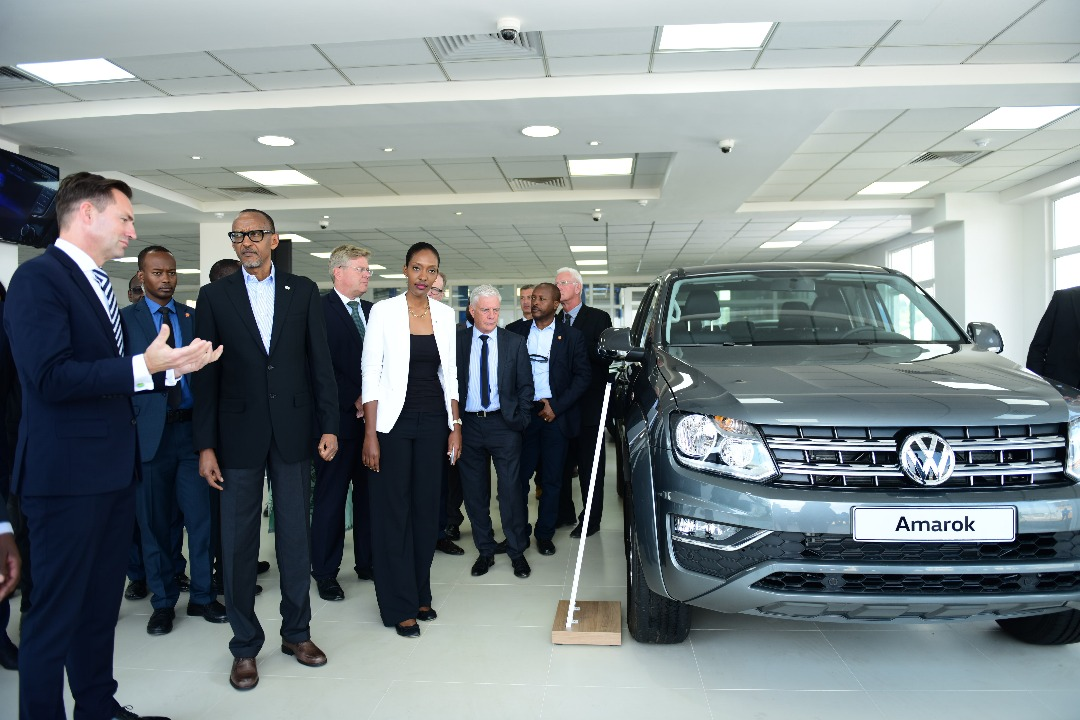
Rwanda’s automotive landscape is heating up with major developments from global giants like Volkswagen and Chery. On March 24, 2026, Volkswagen quashed rumors of pulling out of the market, opting instead for a bigger facility in a Special Economic Zone starting April 1. A misleading March 19 YouTube report had fueled fears of a plant shutdown, but official word confirms VW’s steadfast dedication. Meanwhile, Chery is set to kick off local EV and hybrid assembly by late 2026, aligning perfectly with the “Buy Rwandan” push to bolster homegrown manufacturing.
This news isn’t just corporate chatter—it’s a game-changer for everyday Rwandan drivers navigating Kigali’s bustling streets, Muhanga’s winding hills, or long hauls to Gisenyi. With EV incentives, import tax tweaks, and local production on the rise, affordability and sustainability are within reach. Let’s break it down for you.
Volkswagen Clears the Air on Exit Rumors
The buzz started with a March 19 YouTube video claiming Volkswagen was shuttering its Rwanda operations, sending ripples of concern through car dealerships, mechanics, and owners of popular models like the Polo Vivo and Amarok pickups. Just days later, on March 24, VW Rwanda issued a strong denial, emphasizing their long-term roots in the country.
Instead of retreat, they’re upgrading: relocating to a spacious new site in a Special Economic Zone from April 1, 2026. This strategic shift promises expanded assembly lines, more service bays, and faster parts delivery—crucial for a market where roads mix smooth tarmac with gravel stretches that test any vehicle’s durability.
For Rwandan VW drivers, this means peace of mind. Keep your ride in top shape with these actionable tips: Rotate tires every 8,000-10,000 km to handle uneven surfaces, and check brake pads quarterly during rainy seasons when hydroplaning risks spike. Regular fluid top-ups prevent overheating on climbs like those toward Volcanoes National Park.
[For the latest automotive news, car reviews, driving tips, and travel guides tailored for Rwandan drivers and enthusiasts, visit automag.rw.
Why VW’s Commitment Matters for Rwandan Drivers
Volkswagen’s move underscores Rwanda’s appeal as an East African auto hub. Earlier in March 2026, they rolled out Africa’s first VW electric vehicle here, leveraging tax breaks like zero customs duty on EVs over $60,000 CIF value until mid-2028. This dovetails with national goals to slash fuel imports—petrol at RWF 1,600+ per liter makes EVs a smart switch for taxi drivers and families alike.
Think about daily commutes: A VW ID.4 could save RWF 200,000 monthly on fuel for 2,000 km, versus a diesel equivalent. Maintenance stays simple—monitor battery health via the app, precondition the cabin to cut charge times, and park in shade to combat equatorial sun. Rwanda’s expanding charging network, from Kigali malls to highways, makes it feasible.
Owners of current VWs should audit suspension bushings yearly; potholes around Nyagatare accelerate wear. Read more on year-round reliability here to avoid surprises.
Chery’s Local EV and Hybrid Push
Chery isn’t sitting idle. By late 2026, they’ll start assembling EVs and hybrids in Kigali, championing the “Buy Rwandan” initiative that prioritizes local jobs and cheaper wheels. Expect models like the Tiggo 8 Pro hybrid SUV, tailored for matatu fleets or adventure seekers tackling Akagera safaris.
Local production cuts shipping delays and costs, potentially trimming RWF 2-5 million off sticker prices. Hybrids shine here: Regenerative braking recoups energy on descents from Musanze, while electric modes suit urban stop-go. Pro tip: Use eco-mode daily, clean air filters monthly against red dust, and align wheels after 15,000 km to preserve hybrid battery life.
This duo—VW and Chery—sparks healthy rivalry, driving innovations like ADAS for safer night drives on unlit roads.
Navigating the Market: Where to Shop Smart
With factories ramping up, Rwanda’s used car scene is thriving. Check auto24.rw for second-hand gems like used VW Polos (under RWF 15 million) or Tiguan SUVs ready for local conditions—many listings show low-mileage imports perfect for “Buy Rwandan” without the new-car premium.
For eco-conscious shifts, EV24.africa offers electric car import options, from affordable compacts to long-range SUVs expanding Rwanda’s green fleet. Pair with internal reads on charging setups here for seamless transitions.
Discover additional tips on EV readiness here to future-proof your garage.
FAQs: Your Volkswagen and Chery Questions Answered
Is Volkswagen really leaving Rwanda?
No—March 24 statements confirm they’re expanding into a larger Special Economic Zone facility from April 1, debunking the March 19 YouTube claims.
When does Chery start local assembly?
Late 2026, focusing on EVs and hybrids to support “Buy Rwandan” and cut import reliance.
What EV incentives apply in Rwanda?
EVs over $60,000 CIF dodge 25% duty and 18% VAT until June 2028; smaller ones get partial breaks. Hybrids skip duty but pay VAT.
How do I maintain a VW on Rwandan roads?
Rotate tires every 10,000 km, check suspension yearly, and service brakes before rains for pothole-proof performance.
Are Chery hybrids good for Rwanda?
Yes—efficient for hills and traffic; maintain with monthly filter checks and synthetic oils for dust/heat.
Where to buy used VWs locally?
Browse auto24.rw for inspected Polos and SUVs suited to local drives.