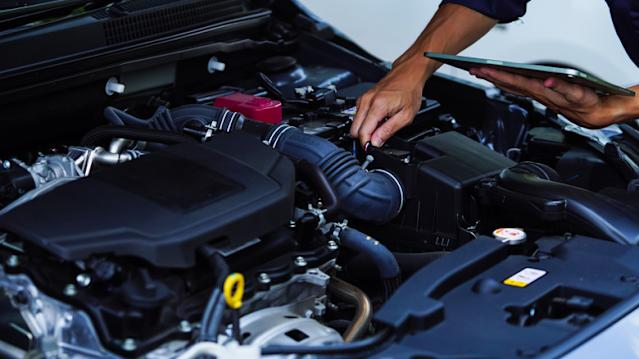
Your car’s engine is its heart — and just like any heart, it sends warning signals long before it gives out completely. The problem is, most drivers in Rwanda (and across the world) ignore or miss these early signs until they’re stranded on the side of the road in Kigali or facing a repair bill that could have bought them a different car altogether.
Whether you drive a Toyota RAV4, a Suzuki Swift, a Nissan X-Trail, or any other vehicle navigating Rwanda’s roads — from Kigali’s busy streets to the winding hills of the Eastern Province — this guide is for you. We’ll walk you through the hidden, easy-to-miss warning signs that your engine might be on its last legs, and what you can do about it before things get catastrophic.
Why Engine Failure Sneaks Up on You
Most engines don’t just stop working overnight. They send quiet distress signals — unusual sounds, subtle smells, and small performance changes — weeks or even months before complete failure. The challenge is that many of these signs are easy to dismiss as “normal wear and tear” or something that “can wait until next service.”
In Rwanda’s climate, where dust, high humidity, and hilly terrain put extra stress on vehicles, engines tend to wear faster than in flatter, cooler environments. That means paying close attention to what your car is telling you isn’t just smart — it’s essential.
For the latest automotive news, expert reviews, and driving tips tailored to Rwandan drivers, Automag.rw is one of the best resources to bookmark.
1. The Check Engine Light — Don’t Ignore It
This is the most obvious sign on the list, but it’s also the most ignored. Many drivers in Rwanda see the check engine light come on and assume it’s a minor sensor issue or something that will “go away on its own.”
It won’t.
The check engine light is your car’s onboard computer telling you something is off. It could be anything from a loose fuel cap to a misfiring cylinder. While not every trigger is catastrophic, some are — and you cannot tell the difference without a diagnostic scan.
What to do: Visit a certified mechanic who has an OBD-II diagnostic scanner. Many modern garages in Kigali offer this service. Don’t drive for extended periods with the light on, especially if it’s flashing — a flashing light usually means active engine misfiring, which can damage your catalytic converter rapidly.
2. Unusual Engine Noises — Knocking, Ticking, or Rattling
A healthy engine hums smoothly. When you start hearing knocking, ticking, or rattling sounds coming from under the hood, something is wrong.
- Knocking or pinging sounds often point to issues with your engine’s combustion timing or low-quality fuel. In Rwanda, where fuel quality can occasionally vary between stations, this is worth paying close attention to.
- Ticking sounds at startup that go away after warming up usually indicate low oil pressure or worn valve train components.
- Loud rattling on startup that fades after a few seconds may signal a failing timing chain — one of the more expensive engine repairs you can face.
These noises tend to get louder and more frequent over time. Addressing them early almost always saves you money and trouble down the road.
3. White, Blue, or Black Smoke from the Exhaust
Your exhaust can tell you a lot about your engine’s health. Occasional light steam or vapour on a cold morning is completely normal — but coloured smoke is a red flag.
- White smoke (thick and persistent): This usually means coolant is leaking into the combustion chamber, which can point to a cracked head gasket or a warped cylinder head. Left unchecked, this leads to overheating and complete engine failure.
- Blue smoke: Blue or greyish-blue smoke means your engine is burning oil. This is often caused by worn piston rings or valve seals. Not only does it damage the engine over time, but it also pollutes more — a concern in Rwanda’s increasingly eco-conscious environment.
- Black smoke: This typically indicates a fuel-rich mixture — your engine is burning too much fuel. It could be a clogged air filter, a faulty fuel injector, or a failing oxygen sensor.
If you notice any of these colours from your exhaust, don’t wait for your next scheduled service. Get the car inspected immediately.
4. Engine Oil That Looks Milky, Gritty, or Very Dark
Checking your engine oil is something every driver should do at least once a month — it takes less than five minutes and tells you a lot.
- Milky or creamy oil is a serious warning. It means coolant has mixed with the oil, almost always caused by a blown head gasket. This combination destroys engine bearings and can cause catastrophic failure fast.
- Very dark, almost black, gritty oil that smells burnt indicates the oil is overdue for a change AND that there may be metal particles circulating through the engine — a sign of internal wear.
- Low oil level when you haven’t noticed any leaks could mean your engine is burning oil internally (see blue smoke above), which points to worn internal components.
Pro tip: The colour of clean oil should be amber to light brown. Change it and the filter at the intervals your car manufacturer recommends — or more frequently if you drive on dusty Rwandan rural roads regularly.
5. The Engine Overheating — A Crisis in Slow Motion
If your temperature gauge regularly climbs toward the red zone, or if you see “TEMP” warnings on your dashboard, your engine is overheating. This is one of the fastest ways to destroy an engine completely.
Overheating can be caused by:
- A leaking or low coolant level
- A failing thermostat
- A blocked radiator
- A broken water pump
- A failing head gasket (which can also cause white exhaust smoke)
Rwanda’s hilly terrain means your engine works harder than it would on flat roads. Long climbs — especially in stop-and-go Kigali traffic — put your cooling system under real stress. If you notice your temperature gauge creeping up, pull over safely, turn off the engine, and let it cool down before investigating. Never open the radiator cap on a hot engine.
6. Loss of Power or Poor Acceleration
Does your car feel sluggish when you press the accelerator? Does it struggle on hills it used to climb easily? This gradual loss of power is a common sign of engine trouble that drivers often attribute to “old age” and accept as normal.
It isn’t.
Loss of power can point to:
- Clogged fuel injectors
- A failing fuel pump
- A dirty or clogged air filter
- Worn spark plugs or faulty ignition coils
- A compression problem in one or more cylinders
All of these are diagnosable and most are fixable without a full engine rebuild — but only if caught early. Ignoring power loss often leads to the underlying problem worsening until the engine fails entirely.
7. Excessive Fuel Consumption
If you’re filling up more often than usual without any change in your driving habits, your engine may be struggling. A healthy engine burns fuel efficiently. When internal components wear or sensors fail, fuel consumption rises — sometimes sharply.
Common causes of increased fuel consumption include:
- Faulty oxygen sensors
- A stuck-open fuel injector
- A leaking fuel pressure regulator
- Engine running too rich (burning excess fuel)
Keep a rough mental note of how far you normally travel on a full tank. If that range drops noticeably, it’s worth having your mechanic run a diagnostic check.
8. Vibrations or Rough Idling
When your engine is running well, it should idle smoothly and quietly. If your car vibrates excessively at a stoplight, or if the engine seems to “shudder” or run roughly at low speeds, something is off.
This can indicate:
- Misfiring spark plugs
- Dirty fuel injectors
- A vacuum leak in the intake system
- Worn engine mounts (though this is more of a mounting issue, it’s often linked to engine problems)
Rough idling that gets worse over time often leads to stalling and, eventually, difficulty starting the car at all.
9. Frequent Stalling or Difficulty Starting
If your car stalls while idling or takes multiple attempts to start — especially when it used to start first time, every time — your engine is sending you a clear message.
Difficulty starting can point to a failing battery or starter motor, but when combined with other symptoms on this list, it’s more likely an engine-related issue: low compression, a failing crankshaft position sensor, or fuel delivery problems.
In Rwanda, where many drivers rely on their cars for business, commuting, or travel between provinces, being stranded by a stalling engine is far more than an inconvenience. Don’t wait for the complete breakdown.
10. A Strange Smell — Burning, Sweet, or Sulphuric
Your nose is a surprisingly effective diagnostic tool. Unusual smells from your engine bay or exhaust can give you early warning of serious problems.
- Burning smell (like hot plastic or rubber): Could mean an oil leak dripping onto hot engine components, or electrical wiring issues.
- Sweet, syrupy smell: This is almost always coolant leaking — either externally from a hose or internally past a gasket. Don’t ignore this one.
- Rotten egg or sulphur smell: Often caused by a failing catalytic converter or an engine running too rich. It can also signal a charging system issue.
Any persistent unusual smell should be investigated promptly. It’s your car’s way of waving a red flag before visible symptoms appear.
What to Do When You Notice These Signs
If you’ve spotted one or more of the warning signs above, here’s a simple action plan:
Step 1 — Don’t panic, but don’t ignore it either. Some symptoms are urgent (overheating, smoke, knocking); others give you a bit more time. Assess the severity.
Step 2 — Visit a trusted mechanic. In Rwanda, there are reputable garages in Kigali and other major towns. Ask for a proper diagnostic scan (OBD-II) rather than guesswork.
Step 3 — Get a written estimate before any work is done. If the repair cost approaches the value of the car, consider whether it’s worth fixing or whether finding a better vehicle makes more financial sense.
Step 4 — Consider whether the car is worth saving. Sometimes, especially with high-mileage vehicles, the engine damage is too advanced. If that’s the case, it might be smarter to invest in a more reliable used car.
If you’re in the market for a reliable second-hand car in Rwanda, auto24.rw is a great place to start — they list certified used vehicles including popular models like the Toyota C-HR, the Suzuki Swift, and the BYD Dolphin, making it easier to find a well-maintained car without the guesswork.
Preventive Maintenance: Your Best Insurance Against Engine Failure
The best way to avoid all of the above? Regular, consistent preventive maintenance. Here’s what that looks like in practice:
- Change your engine oil every 5,000–10,000 km (or as per your car’s manual), and always use the correct grade.
- Check your coolant level monthly and flush the system every two years.
- Replace spark plugs at the manufacturer’s recommended interval — usually every 30,000–50,000 km.
- Change your air filter every 15,000–20,000 km, more often if you drive on dusty roads.
- Inspect drive belts and hoses for cracks and wear at every major service.
- Run diagnostic scans regularly, even when no warning lights are on.
Preventive maintenance is far cheaper than engine repair. A full engine rebuild in Rwanda can cost anywhere from RWF 500,000 to RWF 3,000,000 or more, depending on the vehicle. A basic service costs a fraction of that.
A Note on Electric Vehicles and Engine Maintenance
It’s worth noting that electric vehicles (EVs) eliminate most of the engine-related problems discussed in this article — no oil changes, no timing chains, no combustion-related wear. Rwanda’s government has shown growing interest in green mobility, and EV adoption is steadily rising in Kigali.
For drivers looking to explore sustainable mobility and leave engine failure worries behind, EV24.africa offers import options for electric cars, expanding choices for Rwandan drivers who want to transition away from combustion engines entirely. It’s an option worth exploring, especially as charging infrastructure in Rwanda continues to grow.
Final Thoughts
Engine failure rarely happens without warning. The signs are almost always there — you just need to know what to look for and take them seriously when they appear. Whether it’s a persistent check engine light, an unusual smell on your morning commute, or a subtle loss of power on Kigali’s hills, these are your engine’s way of asking for help before it’s too late.
Stay proactive, maintain your vehicle regularly, and don’t underestimate the small signs. Your engine — and your wallet — will thank you.
For more expert automotive content tailored to Rwandan drivers, car reviews, and practical driving tips, visit Automag.rw and stay ahead of the road.