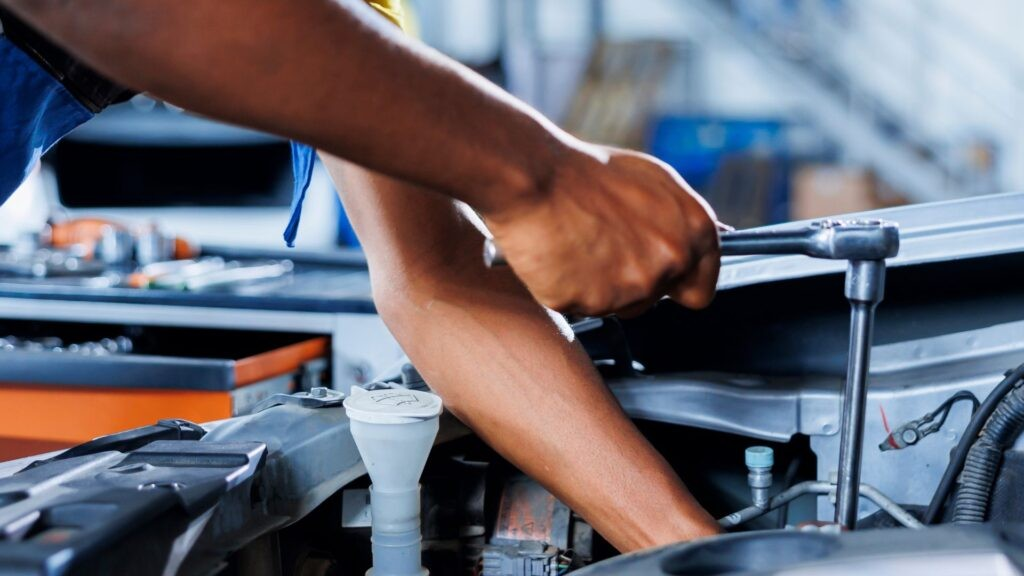
Hybrid ownership is rising in Rwanda. Here’s how to actually maintain one on Rwanda’s hills — and where to get it serviced right here.
How to Maintain a Hybrid Car in Rwanda 2026
Rwanda’s hills have a reputation for wearing out brakes and transmissions — but if you’re driving a hybrid, those same hills are quietly working in your favor. Regenerative braking means every descent through Kigali’s slopes helps recharge your battery instead of just burning through brake pads. That said, a hybrid isn’t maintenance-free just because it’s smarter than a regular petrol car, and getting hybrid maintenance in Rwanda right in 2026 means knowing a few things most owners don’t figure out until something goes wrong.
Why Rwanda’s terrain actually suits a hybrid
Constant climbing and descending is genuinely hard on a normal car’s brakes and cooling system — that’s true regardless of what you drive here. But a hybrid’s regenerative braking captures a meaningful chunk of that energy instead of turning it entirely into heat and worn pads. The catch: this only works as intended if the hybrid battery and braking system are both in good health, which brings us to the actual maintenance steps.
1. Get a proper hybrid health check, not just a regular service
Toyota Rwanda, through CFAO, runs a dedicated Hybrid Health Check that includes free diagnostics and a free battery check — worth booking specifically if you drive a Prius, RAV4 Hybrid, or Camry Hybrid, rather than defaulting to a generic oil-and-filter service that skips the battery system entirely.
2. Use a specialist for anything battery-related
Not every mechanic in Kigali is set up to handle high-voltage hybrid battery work safely. Safe Auto Garage, running since 2016, was Rwanda’s first shop to specialize specifically in EV and hybrid vehicles, and now services brands ranging from Toyota and Lexus hybrids to Nissan Leaf, Honda Insight and Jazz Hybrid, BYD, and Mitsubishi PHEVs. A genuinely useful shift for local owners: hybrid battery diagnostics and repair no longer require shipping the car abroad, since certified local technicians and genuine parts are now available here.
3. Don’t skip brake fluid and coolant checks
Regenerative braking reduces wear on your brake pads, but it doesn’t eliminate the hydraulic brake system or the cooling loop that keeps your hybrid battery at a safe operating temperature. Both still need standard fluid checks — skipping these because “the brakes barely wear” is a common and avoidable mistake.
4. Keep battery cooling vents and filters clear of dust
Dustier rural routes and unpaved stretches are common outside central Kigali, and hybrid battery packs rely on airflow to stay cool. A quick vent and filter check during routine service prevents dust buildup from quietly overheating the battery system over time.
5. Have your AC system checked by someone who understands hybrid-specific cooling
Hybrid vehicles often integrate battery cooling with the AC system design more closely than a standard petrol car does. Garages offering dedicated AC recharge, compressor repair, and full system replacement — alongside hybrid expertise specifically — are a safer bet than a general AC shop unfamiliar with that overlap.
6. Plan bigger service visits around Umuganda
If you’re booking a longer service appointment that involves dropping the car off and picking it up later the same day, keep in mind that on the last Saturday of every month, from 8 am to 11 am, most traffic nationwide pauses for Umuganda, Rwanda’s mandatory community service morning. Scheduling drop-off just after 11 am on that day avoids an unnecessary wait.
How long do hybrid batteries actually last?
This is the question almost every hybrid owner eventually asks. [VERIFY: exact warranty terms for hybrid batteries sold through CFAO/Toyota Rwanda specifically] — but generally, hybrid batteries maintained properly (regular health checks, not letting the car sit unused for long stretches, avoiding extreme heat exposure) tend to outlast most owners’ expectations by a wide margin. The real risk isn’t the battery wearing out on schedule — it’s neglect accelerating wear well before its time.
If you’re shopping for a hybrid rather than maintaining one
If you’re weighing a used hybrid purchase instead, auto24.rw is worth browsing for current listings, since resale hybrids with a documented service history are generally a safer bet than one with no maintenance records at all. And if you’re specifically comparing a hybrid against going fully electric, EV24.africa is a useful resource for exploring EV import options, given how favorably Rwanda’s incentive structure treats fully electric vehicles compared to hybrids.
The bottom line
A hybrid in Rwanda genuinely benefits from the country’s hills rather than suffering from them — but only for owners who treat hybrid maintenance as its own thing, not a slightly fancier version of a regular oil change. The Rwanda EV vs hybrid buying guide can help if you’re still deciding between the two. For more ongoing coverage of what’s actually working for hybrid owners here, automag.rw will keep tracking it.