Volkswagen just denied Rwanda exit rumors while relocating its Kigali plant. Here’s what buyers and dealers need to know about 2026’s auto regulations.
Rwanda Auto Industry News 2026: What Buyers and Dealers Need to Know
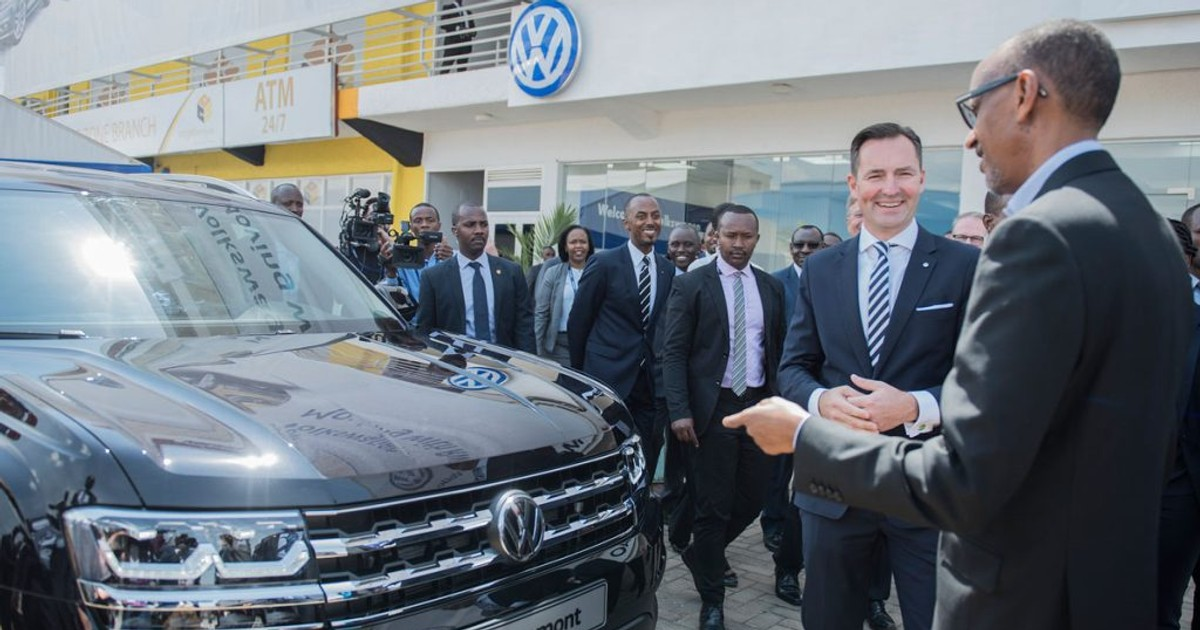
Volkswagen spent late March 2026 doing damage control. On March 24, the German automaker issued a public statement calling online rumors of a Rwanda exit “incorrect and unfounded,” reassuring customers and dealers that it has no plans to cease operations in the country. If anything, the opposite is true: Volkswagen Mobility Solutions Rwanda, operating in-country since 2018, is relocating to larger premises inside Kigali’s Special Economic Zone on April 1, 2026, specifically to support expansion — not retreat.
Why the rumor mattered in the first place
Volkswagen’s Kigali plant isn’t a small operation. It launched in June 2018, producing the Polo, and demand has since pushed it into assembling the Passat, Tiguan, Amarok, and Teramont as well, with a stated target of 5,000 vehicles from the facility. CFAO Mobility handles exclusive distribution. For a market where Suzuki, Toyota, Nissan, BYD, Kia, and Volkswagen collectively account for most vehicle sales, any hint of a major player pulling out understandably rattled dealers and buyers alike. The bigger premises and expansion framing suggest Rwanda’s assembly ambitions are still very much intact.
The regulatory side: Euro 4 is now required
Buyers shopping the import market need to know about a rule that’s been quietly reshaping what can legally enter the country. Since August 2025, Rwanda’s Ministry of Environment has required all newly imported vehicles to meet Euro 4 emission standards, with an exception carved out for brand-new cars under two years old. In practice, this means older, higher-emission vehicles are getting squeezed out of the pipeline, and every import now needs proper emissions documentation — either an official inspection certificate for new vehicles, or a compliance statement tied to the manufacture year for older ones. Dealers handling used imports should expect this to add a documentation step that wasn’t required before.
EVs remain the cheapest vehicles to bring into the country
On the electric side, the incentive picture keeps getting more generous, not less. Electric vehicles and electric motorcycles remain fully exempt from import duties despite sitting in the 25% tariff band that would otherwise apply — and this exemption has now been extended through June 2028, giving importers and buyers real long-term certainty rather than a policy that could vanish year to year. There’s also a lesser-known exemption for vehicles valued above $60,000, aimed at supporting high-end tourism and business use, which has been extended into the 2025/26 fiscal year. Between the two, Rwanda’s duty structure now clearly rewards either going fully electric or going premium — it’s the vehicles in the middle that face the steepest costs. If you’re weighing an EV import specifically, EV24.africa is a useful place to explore options built around exactly this kind of incentive landscape.
New costs dealers and owners should budget for
It’s not all exemptions, though. New annual road levies took effect May 29, 2025, ranging from 50,000 to 150,000 RWF depending on vehicle type, and a separate 15% road maintenance levy now applies specifically to petrol and diesel vehicles. Combined with the emissions requirement, the overall direction is unmistakable: Rwanda is making combustion vehicles progressively more expensive to own and import, while keeping EVs cheap by comparison.
Customs is actually getting faster
One piece of good news buried in the regulatory changes: clearance itself is quicker than it used to be. The Rwanda Revenue Authority has been modernizing its customs infrastructure, including opening a new bonded warehouse in Rubavu and rolling out an upgraded Electronic Single Window system built on ASYCUDA World. According to trade authorities, these changes have cut average import clearance times by roughly 40%, with export clearance improving even more. For dealers managing inventory and import timing, that’s a meaningful operational shift — vehicles are reaching showroom floors faster than they were even a year ago.
What this means if you’re buying or selling right now
Put together, 2026 is shaping up as a year where Rwanda’s auto industry keeps its major foreign players in place while tightening the screws on older, high-emission imports and rewarding electric adoption more clearly than ever. If you’re shopping the used-vehicle market and want to see what’s actually available and compliant right now, auto24.rw is worth checking for a current snapshot of listings. And whatever direction you’re leaning — new, used, electric, or premium — automag.rw will keep tracking how these policies play out as the year continues.