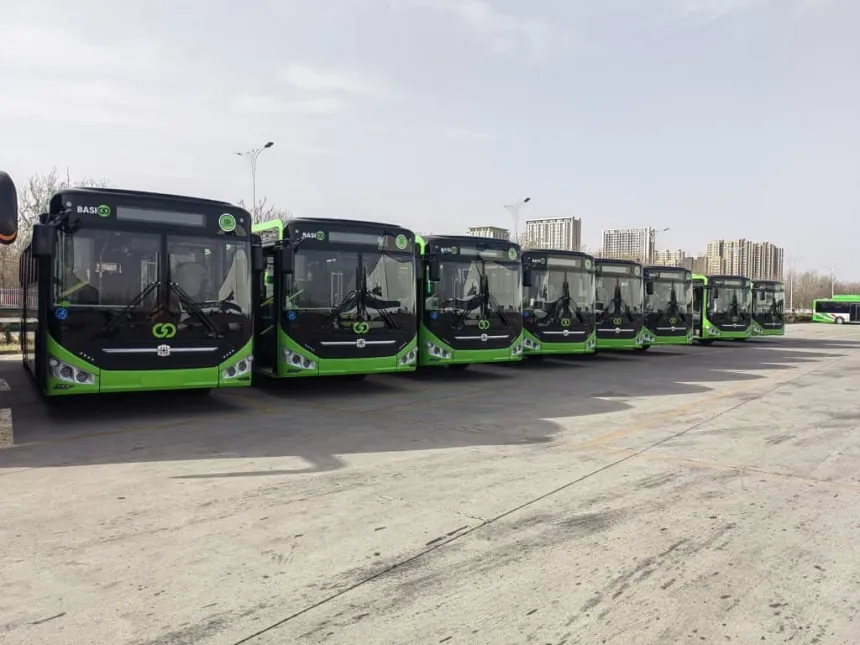
Kigali’s commitment to electrifying its public transport fleet is gaining serious momentum, driven by a powerful partnership between a pioneering private company, BasiGo, and the newly established state-owned transport operator, Ecofleet Solutions. This collaboration is at the forefront of the ambitious plan to rapidly deploy 100 electric buses across Rwanda, fundamentally changing the daily commute for thousands of citizens.
This is more than just a bus purchase; it’s an innovative, risk-sharing model designed to make the high upfront cost of electric buses viable for public transport operators, ensuring that Rwanda meets its target of having a fully electric fleet by the end of 2026.
1. The BasiGo Model: Making E-Buses Affordable
The single biggest hurdle to electrifying bus fleets globally is the initial price tag. Electric buses are significantly more expensive than their diesel counterparts, primarily due to the cost of the lithium-ion battery. BasiGo’s solution, known as the “Pay-As-You-Drive” model, tackles this challenge directly.
This model works by separating the bus purchase from the battery purchase. Operators buy the electric bus chassis at a price comparable to a diesel bus, while BasiGo charges a predictable daily fee for the battery, charging, and full maintenance package. This eliminates the financial risk associated with battery life and replacement, making electric buses a more attractive, predictable, and profitable choice for local operators.
2. Ecofleet Solutions: The Public Sector Accelerator
The private sector push by BasiGo is perfectly complemented by the government’s strategic reforms. The creation of Ecofleet Solutions signals a centralized, performance-driven approach to public transport management in Kigali.
Ecofleet’s role is not just operational; it is strategic. They are the entity responsible for implementing the new “airline-style” scheduling system, ensuring timely departures, reducing bottlenecks, and leasing out the electric fleet to the local Public Transport Companies (PTCs). By leasing electric buses from or through partners like BasiGo, Ecofleet ensures the new, centralized system begins with clean, modern vehicles, aligning perfectly with the national climate goals.
The partnership ensures:
- Standardization: The deployment of a standardized fleet of electric buses makes maintenance and spare parts management easier and more efficient.
- Infrastructure: Ecofleet is key to coordinating the necessary charging infrastructure development, ensuring adequate charging depots are available across the city for the 100+ buses.
Practical Tip: Maximizing Electric Bus Range
For fleet managers and drivers, understanding how to manage an electric bus effectively is crucial to profitability.
Actionable Advice on Driving Style: Aggressive driving (rapid acceleration and heavy braking) is the single biggest drain on an electric bus’s range. Training drivers to use a smooth, gentle driving style is vital. This maximizes the efficiency of the vehicle and enhances the regenerative braking system, which captures energy during deceleration and returns it to the battery, thereby extending the route range and saving on brake pad wear.
To find more detailed guides and the latest news on electric vehicle standards and maintenance in Rwanda, make sure you visit .
3. The Broader Impact on Clean Mobility
The introduction of 100 electric buses dramatically reduces the operational carbon footprint of Kigali’s public transport. Each electric bus replaces a diesel counterpart that typically emits hundreds of tonnes of CO2 over its lifespan. Furthermore, the buses offer a quieter, smoother, and healthier ride for passengers and urban residents, reducing air and noise pollution.
For drivers looking to explore sustainable mobility options beyond public transport, offers import options for electric cars, expanding choices in Rwanda’s growing sustainable transport market, and completing the picture of clean mobility from private to public sectors.
4. Market Transition: From Diesel to EV
While the focus is on public transport, this massive push for electrification influences the entire Rwandan automotive market. As charging infrastructure grows and the price of electricity remains stable, the cost efficiency of electric vehicles becomes undeniable. This long-term trend makes investing in older, less-efficient diesel vehicles increasingly risky.
For many Rwandan consumers, however, the used car market continues to offer reliable, cost-effective transport. Models known for their ruggedness and fuel efficiency, such as the Toyota Land Cruiser Prado and the Suzuki Ertiga, remain staples. To find second-hand cars that offer a balance of price and durability for Rwanda’s diverse road conditions, check out the listings at .
The BasiGo-Ecofleet partnership stands as a powerful example of how public policy and private innovation can overcome financial barriers to create a sustainable, high-quality public transport system for Africa’s future cities.