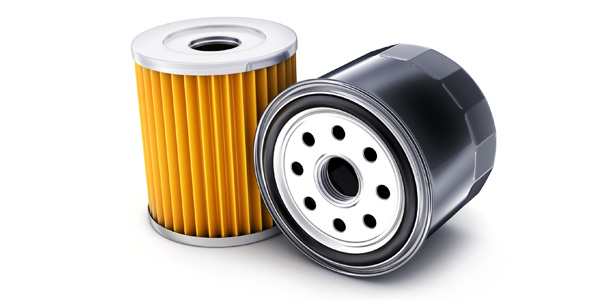
Walk into any car parts shop in Kigali and you will be faced with two decisions that confuse a surprising number of drivers: which oil filter should I buy, and does it really matter whether I use synthetic or conventional oil? These seem like simple choices — after all, oil is oil, and a filter is a filter, right?
Wrong. The oil filter and the type of engine oil you use are two of the most consequential maintenance decisions you make for your vehicle. Get them right, and your engine runs cleanly, efficiently, and for far longer than average. Get them wrong — or mix up the priorities — and you are accelerating wear, increasing fuel consumption, and shortening the life of one of the most expensive components in your car.
In this article, we put the oil filter and synthetic oil head-to-head — explaining what each one does, how they interact, and crucially, what the right combination is for your vehicle and Rwanda’s driving conditions. Whether you drive a Toyota Premio, a Subaru Outback, a Mitsubishi Pajero, or a Honda Fit, this guide has practical answers for you.
For more car care guides, vehicle reviews, and automotive news designed for Rwandan drivers, visit automag.rw — Rwanda’s leading automotive resource for drivers and enthusiasts.
Understanding the Two Players: What Each One Actually Does
Before we can compare them, we need to understand what an oil filter and synthetic oil each bring to the table — because they are not rivals. They are partners. The confusion usually comes from drivers wondering which one to prioritise when budgets are tight. The answer requires understanding both.
What Engine Oil Does
Engine oil is the lifeblood of your engine. Its primary job is lubrication — creating a thin film of oil between every moving metal surface inside the engine so that metal never actually contacts metal directly. Without this film, the friction between components like pistons, camshafts, crankshaft bearings, and valve train components would generate catastrophic heat within seconds.
But engine oil does much more than just lubricate:
• Cooling: Oil absorbs heat from engine components that coolant cannot reach, carrying it back to the oil sump where it dissipates.
• Cleaning: Detergent additives in modern oils lift sludge, carbon deposits, and combustion by-products from engine surfaces and hold them in suspension until the oil is drained.
• Corrosion protection: Anti-corrosion additives coat metal surfaces to prevent rust and oxidation, particularly important during cold starts and when a vehicle sits unused.
• Sealing: Oil fills microscopic gaps between components like piston rings and cylinder walls, helping maintain compression and reducing blow-by.
• Pressure maintenance: The oil pump circulates oil under pressure to ensure every part of the engine receives adequate lubrication at all times, including during high-RPM driving.
What the Oil Filter Does
As engine oil circulates, it picks up the contaminants it is designed to collect — metal particles worn off engine surfaces, soot from combustion, dust that has entered through the air intake, and breakdown products from the oil itself. If these contaminants were allowed to circulate indefinitely, they would become abrasive particles that accelerate wear on every surface they pass through.
The oil filter is the engine’s cleaning system. It removes these particles from the oil before it returns to lubricate the engine again. A quality filter catches particles as small as 20 to 40 microns — far smaller than the human eye can see — while allowing clean oil to pass through freely.
The filter also contains a critical safety component: a bypass valve. When the filter element becomes clogged — either because it is overdue for replacement or because the engine is cold and oil is temporarily thicker than normal — the bypass valve opens and allows unfiltered oil to reach the engine rather than starving it of lubrication entirely. This is why a severely overdue filter is so damaging: the bypass valve means the engine keeps running, but on unfiltered oil.
�� The Partnership: Engine oil and the oil filter are a system, not two separate choices. High-quality synthetic oil without an adequate filter will carry contaminants through the engine unchecked. A premium oil filter filled with degraded conventional oil is filtering contaminated fluid that cannot do its job properly. Both must be right for the system to work.
Round One: Synthetic Oil vs. Conventional Oil
This is where most of the debate lives. Synthetic oil costs more — sometimes two to three times as much as conventional mineral oil in Rwanda’s market — and many drivers question whether the difference is worth it. Let us break down exactly what separates them.
How They Are Made
Conventional (mineral) oil is refined directly from crude oil extracted from the earth. The refining process removes many impurities and produces a lubricant that works acceptably across a range of temperatures and engine types. However, because it comes from a natural source, its molecular structure is irregular — a mix of hydrocarbon chains of varying lengths and properties.
Synthetic oil, by contrast, is engineered from scratch. Chemists design and construct uniform, optimised molecular structures that are tailored specifically for lubrication performance. The result is a fluid with more consistent properties across a wider range of temperatures, significantly better thermal stability (resistance to breaking down under heat), and greater resistance to oxidation over time.
Full synthetic oil is made entirely from engineered base stocks. Semi-synthetic (or synthetic blend) oil combines synthetic and conventional base stocks — offering performance between the two at a price point between them.
Performance Differences That Matter in Rwanda
Several of synthetic oil’s technical advantages translate directly into real-world benefits for drivers in Rwanda’s conditions:
• Cold-start protection: At low temperatures, oil thickens. Synthetic oil flows faster to engine components in the seconds after a cold start — when the majority of engine wear occurs — than conventional oil of the same grade. In Kigali’s cooler nights, this matters.
• High-temperature stability: On mountain routes, in stop-and-go Kigali traffic, and during high-load driving, engines generate significant heat. Synthetic oil maintains its viscosity (thickness) and protective film at high temperatures better than conventional oil, which can thin excessively and break down.
• Oxidation resistance: Conventional oil oxidises and forms sludge faster than synthetic oil. Sludge blocks oil passages and reduces lubrication effectiveness — particularly dangerous in engines that run hot or are not serviced on strict schedules.
• Longer service intervals: Full synthetic oil is generally rated for 10,000 to 15,000 km service intervals, compared to 5,000 to 7,500 km for conventional oil. Over the life of a vehicle, this can offset much of the higher per-litre cost of synthetic oil.
• Fuel economy: Synthetic oil’s lower internal friction translates to a measurable improvement in fuel economy — typically 1 to 3 percent. In a country where fuel costs are a significant running expense, this adds up over time.
When Conventional Oil Is Still Acceptable
Despite synthetic oil’s advantages, there are situations where conventional oil remains appropriate:
• Older, high-mileage engines with larger tolerances: Very old engines — particularly those from the 1980s and early 1990s, which are still in service in parts of Rwanda — were designed for thicker conventional oil. Their wider internal clearances may actually perform better with conventional oil, and the lower cost makes frequent changes more economical.
• Engines that are already consuming oil: An engine with worn piston rings or valve seals may consume synthetic oil faster than conventional oil due to synthetic oil’s lower viscosity. In this case, a conventional or semi-synthetic oil is often the more practical choice until the underlying issue is repaired.
• Very tight budgets and frequent change schedules: If budget constraints mean the difference between changing conventional oil on schedule versus skipping a synthetic oil change because it is too expensive, the regularly-changed conventional oil is the better outcome for engine health.
Round Two: Oil Filter Quality – Does It Really Matter?
Yes — more than most drivers realise. The oil filter market spans from premium OEM-quality units to extremely cheap counterfeit or low-grade filters that look similar on the outside but perform very differently on the inside.
What Separates a Good Filter from a Poor One
When you look at two oil filters side by side, they appear almost identical. The differences are entirely internal, and they are significant:
• Filter media quality: Premium filters use synthetic or cellulose-synthetic blended filter media that captures finer particles more effectively and maintains flow more consistently as the filter loads up. Cheap filters often use basic cellulose media that becomes saturated faster and may allow more contaminants to pass through.
• Filtration efficiency: Measured as the percentage of particles of a given size captured on a single pass. A quality filter rated at 98% efficiency for 30-micron particles will catch almost all damaging particles in that size range. A poor-quality filter may have a published rating but deliver far less in practice.
• Anti-drain-back valve quality: This valve prevents oil from draining back out of the filter into the sump when the engine is switched off. A quality anti-drain-back valve means oil is immediately available at the filter outlet when the engine restarts, reducing the dry-start period. A poor valve allows oil to drain back, meaning every engine start is a momentary dry start.
• Bypass valve calibration: The bypass valve opens under specific pressure conditions. A poorly calibrated bypass valve in a cheap filter may open too easily — routing unfiltered oil around the filter element under normal operating conditions — or too reluctantly, risking oil starvation if the filter clogs.
• Housing and seal quality: The filter canister must withstand engine oil pressure without deforming, and the gasket must seal perfectly against the engine block. Cheap housings can fail under sustained heat and pressure cycles, causing oil leaks that range from messy to catastrophic.
OEM vs. Aftermarket vs. Counterfeit
Oil filters fall into three broad categories in the Rwandan market:
• OEM (Original Equipment Manufacturer) filters: Made by or to the exact specifications of the vehicle manufacturer. These are typically the most expensive option but are guaranteed to match the engine’s filtration requirements. Brands like Toyota Genuine, Honda, or Denso for Japanese vehicles represent this tier.
• Quality aftermarket filters: Made by reputable third-party manufacturers like Mann+Hummel, Bosch, NGK, Mahle, or Fram (higher tier). These match or approach OEM specifications and are often available at lower cost. They are a legitimate and cost-effective choice for most drivers.
• Counterfeit or very cheap filters: Rwanda’s parts market, like many African markets, has a counterfeit problem. Filters that look like genuine or quality aftermarket products but are manufactured with substandard materials are a real risk. The only reliable protection is purchasing from reputable suppliers and being suspicious of any filter priced dramatically below market rate.
⚠️ Counterfeit Warning: A counterfeit oil filter that fails — either by allowing unfiltered oil to circulate, or by physically failing and leaking — can destroy an engine that would otherwise have lasted many more years. The price difference between a genuine quality filter and a counterfeit is often just RWF 3,000 to RWF 8,000. The price difference between a working engine and a seized one is measured in millions.
The Real Question: Which Combination Is Right for You?
Now that we understand both components, we can address the actual question most drivers are asking: given that both matter, what is the right combination for my vehicle and my situation?
The Ideal Combination for Most Rwandan Drivers
For the majority of drivers in Rwanda — particularly those with modern Japanese or Korean vehicles that make up most of the country’s fleet — the best combination is full synthetic oil paired with a quality OEM or reputable aftermarket oil filter. Here is why this combination makes the most sense:
• Rwanda’s varied terrain demands high-performance lubrication: From Kigali’s hills to the mountain routes of the Northern Province to long highway runs toward the borders, Rwandan driving covers a wide temperature and load range. Synthetic oil handles this range better than conventional oil.
• Extended intervals reduce the cost gap: Synthetic oil’s longer service life (up to double the interval of conventional oil) means you are not paying more per year — you are paying more per change but changing less often.
• A quality filter protects the investment in synthetic oil: It makes no sense to fill your engine with premium synthetic oil and then run it through a filter that allows contaminants to pass. The filter’s job is to keep that oil clean so it can keep protecting the engine.
When a Semi-Synthetic + Quality Filter Combination Works
Semi-synthetic oil — a blend of synthetic and conventional base stocks — is a genuine middle-ground option. It offers meaningfully better performance than full conventional oil at a more accessible price point. For drivers with:
• Moderate driving conditions without extreme temperature swings or sustained mountain driving
• Vehicles that are older but in good mechanical condition
• Budget constraints that make full synthetic difficult to sustain
…a semi-synthetic oil changed at the manufacturer’s recommended interval, paired with a quality filter, is a responsible and effective maintenance approach.
Matching Oil Grade to Your Engine
Beyond synthetic vs. conventional, the oil grade — expressed as numbers like 5W-30, 10W-40, or 0W-20 — must match your engine’s specifications. The first number (with the W, for winter) describes how the oil flows when cold; the second describes its viscosity at operating temperature. Using the wrong grade — even if it is a premium synthetic — can reduce lubrication effectiveness.
Always find the recommended oil grade in your vehicle’s owner’s manual or on the oil filler cap. In Rwanda’s climate, where temperatures are moderate rather than extreme, the standard recommended grade for your vehicle is almost always the right choice year-round.
Practical Tips for Oil and Filter Maintenance in Rwanda
• Service more frequently if you drive on unpaved or dusty roads: Routes to rural areas, construction zones, and unpaved tracks introduce more dust into the engine than highway driving. Shorten your service interval by 20 to 30 percent if unpaved driving is a regular part of your routine.
• Do not extend synthetic oil intervals beyond the manufacturer’s maximum: Synthetic oil can last longer than conventional oil — but it does not last forever. The additives that clean the engine and protect against corrosion deplete over time regardless of the oil’s base stock. Follow the manufacturer’s maximum interval, not a best-case estimate.
• Change the filter every time you change the oil: Some drivers try to save money by running the same filter through two oil changes. This is a false economy — a clogged or contaminated filter negates much of the benefit of fresh oil, and the cost of a quality filter is a small fraction of an oil change.
• Check the oil level monthly: All engines consume some oil between services. Checking the dipstick monthly and topping up if needed (with the same grade and type as what is in the engine) ensures the engine always has adequate lubrication.
• Watch for oil leaks: After any service, check underneath your parked car after the first few days for fresh oil drips. A filter that was cross-threaded or incorrectly torqued, or a drain plug that was not properly reinstalled, can leak slowly and dangerously deplete your oil level without triggering a warning light until it is too late.
• Buy from reputable suppliers: Purchase oil filters and engine oil from established automotive shops with known supply chains. Reputable dealers are significantly less likely to stock counterfeit products than roadside vendors or informal markets.
What Does This Cost in Rwanda? A Realistic Breakdown
Let us make this tangible with approximate cost figures for the Rwandan market. These are general ranges — actual prices vary by vehicle, supplier, and brand:
• Conventional mineral oil (per litre): RWF 4,000 – RWF 7,000
• Semi-synthetic oil (per litre): RWF 7,000 – RWF 12,000
• Full synthetic oil (per litre): RWF 12,000 – RWF 22,000
• Basic/budget oil filter: RWF 3,000 – RWF 6,000
• Quality aftermarket filter (Mann, Bosch, Mahle): RWF 6,000 – RWF 15,000
• OEM filter (Toyota Genuine, Honda, etc.): RWF 10,000 – RWF 25,000
• Labour for oil and filter change: RWF 5,000 – RWF 20,000 at most garages
A typical 4-cylinder engine takes 3.5 to 5 litres of oil. Running the numbers: a full synthetic oil change with a quality aftermarket filter on a 4-cylinder vehicle costs approximately RWF 60,000 to RWF 130,000 all in — but at a synthetic interval of 10,000 to 15,000 km versus a conventional interval of 5,000 to 7,500 km, the annual cost difference narrows considerably.
Oil and Filter Choices When You Buy a Used Car
One situation that catches many buyers off guard is the oil and filter condition of a recently purchased used car. Even if the seller claims the car has been serviced recently, you cannot know the quality of oil that was used, whether the filter is genuine, or whether the service history is accurate.
As a rule of thumb, one of the best first investments in any used car purchase is a fresh oil and filter change — with the oil grade and filter type properly matched to your specific vehicle — immediately after purchase. This gives you a clean baseline, removes any uncertainty about the oil’s condition or age, and lets you observe the engine’s behaviour with known-fresh lubrication.
If you are currently in the market for a quality used vehicle in Rwanda, auto24.rw is an excellent place to browse. Their listings include popular and well-regarded models like the Toyota Axio, Mazda Demio, Subaru Legacy, Honda Fit, and Nissan Note — all vehicles with good parts availability in Rwanda and straightforward oil service requirements. Knowing which vehicle you are buying also lets you research the correct oil specification and filter part number before the car even arrives.
A Different Kind of Oil Conversation: Electric Vehicles
It is worth briefly noting that electric vehicles change this conversation entirely. EVs have no internal combustion engine, which means no engine oil, no oil filter, and no oil changes. The lubrication requirements of an EV are limited to small amounts of oil in gear reduction units and, on some vehicles, in electric motor bearings — none of which require the frequent servicing that a petrol engine demands.
For drivers looking to explore sustainable mobility and leave oil changes behind entirely, EV24.africa offers import options for electric cars, expanding choices for eco-conscious drivers across Africa. As Rwanda’s EV infrastructure develops and more models become available, the economic case for switching continues to strengthen — particularly for drivers who currently spend significant amounts on frequent oil services.
The Verdict: Oil Filter vs. Synthetic Oil – Who Wins?
Here is the honest answer: neither wins, because they are not competing.
The framing of ‘oil filter vs. synthetic oil’ is a false choice. Both are essential. Both must be right for your engine to be properly protected. The question is never which one matters more — it is how to choose the right version of each for your specific vehicle, your driving conditions, and your budget.
If forced to give a single most important piece of advice, it would be this: use the oil grade your manufacturer specifies, choose synthetic or semi-synthetic if your budget allows, and never compromise on the filter. The filter is the cheaper of the two components, and skimping on it to afford premium oil is exactly the wrong trade-off. A quality filter protecting good oil is the foundation of engine longevity.
Frequently Asked Questions (FAQs)
Q: Can I switch from conventional to synthetic oil without any problems?
Yes, on any modern engine in good condition. The old belief that switching to synthetic oil on a high-mileage engine would cause leaks or problems has been largely disproved. Modern synthetic oils are compatible with the seals and gaskets in virtually all engines made in the last 30 years. If a switch to synthetic oil is followed by an oil leak, the leak was already present — the synthetic oil’s cleaning action may have removed sludge that was previously blocking a small gap, but it did not create the leak.
Q: How do I know if my oil filter is genuine or counterfeit?
Genuine filters from reputable brands have consistent quality markings, correct weight and construction, and are sold through authorised suppliers. Counterfeits often have printing that is slightly off in colour or font, lighter-than-expected weight (indicating cheaper internal materials), and suspiciously low prices. When in doubt, purchase from the vehicle manufacturer’s authorised dealer or a well-established auto parts supplier with a known reputation.
Q: My car’s manual says 10W-40 — can I use 5W-40 synthetic instead?
The W rating describes cold-temperature flow — 5W flows better than 10W when cold, which is generally an advantage for cold-start protection. The second number (40) should match. So 5W-40 synthetic is generally a safe and often preferable substitute for 10W-40 conventional in engines that specify 10W-40, as long as the second number matches. However, always verify with your mechanic or manufacturer recommendation before switching, as some engines have specific requirements.
Q: How can I tell if my oil is due for a change without a service schedule?
Pull the dipstick and wipe it on a white cloth. Fresh oil is amber-coloured and translucent. Oil that is dark brown, black, or opaque has accumulated contaminants and should be changed. Oil that smells burnt or appears very thick and gummy is overdue. Oil that looks milky or frothy indicates coolant contamination — a serious problem requiring immediate attention. If in doubt about the last change date, change it — the cost is modest and the peace of mind is worthwhile.
Q: Is it okay to top up with a different brand of oil as long as the grade is the same?
Generally yes, for topping up. Modern engine oils of the same grade from reputable brands are formulated to be compatible with each other. However, avoid topping up a synthetic oil engine with conventional oil if you can help it — you are diluting the synthetic’s performance. For a small top-up between services, a half-litre of the same grade conventional or semi-synthetic will not cause damage, but keep it to a minimum and change the oil on schedule rather than repeatedly topping up without changing.
Q: Does it matter which brand of oil filter I use as long as it fits my car?
The thread fitting and size mattering is the minimum requirement — but fitting is not the same as performing. Two filters that both fit your engine can have dramatically different filtration efficiency, bypass valve calibration, and anti-drain-back valve quality. Fitting is necessary but not sufficient. Always choose a filter from a brand with a documented track record of quality — OEM, Mann, Bosch, Mahle, NGK, or equivalent reputable aftermarket brands — not just any filter that threads onto your engine.
Final Thoughts: Make Every Service Count
Your engine oil and oil filter are changed at every service — which makes every service an opportunity to either protect your engine properly or let it down quietly. The choices you make at each service interval accumulate over the life of your vehicle. Drivers who consistently use quality oil of the right grade and pair it with a genuine quality filter consistently get more kilometres, fewer repairs, and higher resale value from their vehicles than those who cut corners on what seems like a routine job.
It is not about spending the most money — it is about spending the right money on the right products. That understanding is what separates drivers who get 200,000 km out of an engine from those who face an expensive rebuild at 100,000 km.
For more in-depth car care guides, road tips, and automotive insights for Rwandan drivers, visit automag.rw. And if you are looking for a well-priced used car in Rwanda to apply all this knowledge to, check out the current listings on auto24.rw — where you can find reliable vehicles like the Toyota Axio, Mazda Demio, and Honda Fit with the detail and transparency you need to buy with confidence.