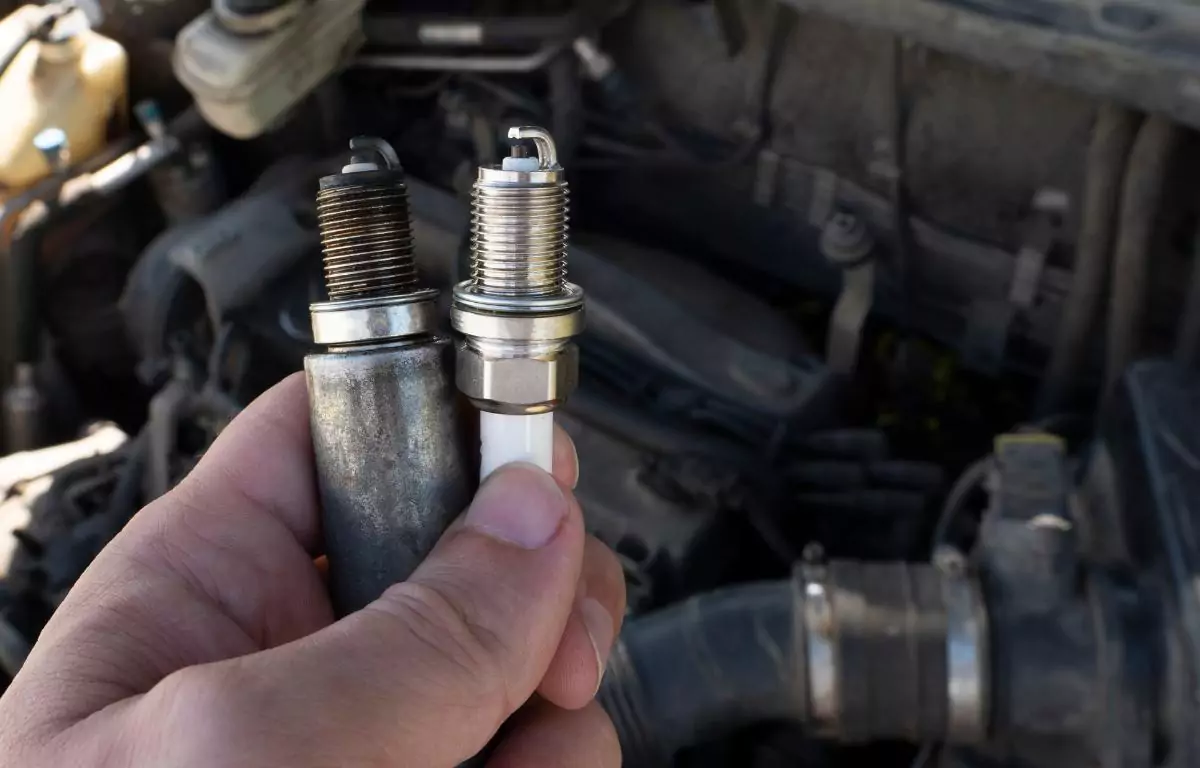
If your car has been feeling sluggish lately — struggling to start on cold mornings, guzzling fuel a little faster than usual, or just not delivering that punch it used to — there is a good chance your spark plugs are overdue for a change. The good news? Replacing spark plugs is one of the most beginner-friendly car maintenance tasks you can do at home, and it can save you a significant amount of money compared to visiting a mechanic.
In this guide, we walk you through everything you need to know: what spark plugs do, when to replace them, what tools you need, and a clear step-by-step process. Whether you are driving a Toyota Premio, a Subaru Forester, or any other popular car in Rwanda, this guide has got you covered. For the latest automotive tips and news tailored to drivers in Rwanda, be sure to check out automag.rw — a trusted resource for car reviews, driving guides, and much more.
What Are Spark Plugs and Why Do They Matter?
Spark plugs are small but mighty components inside your engine. Their job is simple but critical: they produce an electrical spark that ignites the air-fuel mixture inside each cylinder. This controlled explosion is what pushes the pistons down, turning the crankshaft and ultimately powering your wheels.
When spark plugs are working correctly, your engine runs smoothly, fuel burns efficiently, and emissions stay low. When they wear out, everything goes in the opposite direction — rough idling, poor acceleration, hard starts, and increased fuel consumption.
Think of spark plugs as the tiny fire-starters of your engine. They need to be in top shape for everything else to work well.
Signs That Your Spark Plugs Need Replacing
Not sure if your spark plugs are due for a change? Watch out for these common warning signs:
• Engine misfires or rough idling — your car shakes or stutters at a standstill
• Difficulty starting the engine, especially in the morning
• Poor fuel economy — you are filling up more often than usual
• Lack of acceleration — the car feels sluggish when you press the gas pedal
• The check engine light has come on
• A noticeable drop in overall engine performance
As a general rule of thumb, standard copper spark plugs should be replaced every 30,000 km, while iridium or platinum plugs can last up to 100,000 km. Check your owner’s manual for your vehicle’s specific recommendation.
Tools and Materials You Will Need
Before you get started, gather the following tools. Most of these are affordable and available at automotive shops across Rwanda:
• New spark plugs (matched to your vehicle’s specifications)
• Spark plug socket wrench (usually 16mm or 21mm — check your manual)
• Ratchet wrench and extension bar
• Torque wrench
• Spark plug gap tool
• Anti-seize lubricant (optional but recommended)
• Dielectric grease
• A clean rag or compressed air
• Owner’s manual (to confirm plug specs and torque settings)
Pro tip: Always buy the exact spark plugs recommended for your car model. Using the wrong type can lead to engine damage. If you are unsure which plugs to buy, check your owner’s manual or ask at your nearest auto parts shop.
Step-by-Step: How to Change Your Spark Plugs
Step 1: Let the Engine Cool Down
Never work on a hot engine. If you have just driven your car, give it at least 30 minutes to cool down. Working on a hot engine can cause burns and may warp or damage spark plug threads.
Step 2: Locate the Spark Plugs
Open the bonnet and locate the spark plugs. They are usually connected to thick black cables called spark plug wires (or ignition coils in modern vehicles). Most 4-cylinder engines have four spark plugs, one per cylinder, typically lined up in a row along the top or side of the engine.
Step 3: Remove the Spark Plug Wire or Ignition Coil
Work on one spark plug at a time to avoid mixing up the wires. If your car has spark plug wires, grip the boot (the rubber end), twist gently, and pull it off — never yank by the wire itself. If your car uses coil-on-plug ignition coils, remove the coil bolt and lift the coil straight out.
Step 4: Clean Around the Plug Area
Use a clean rag or compressed air to remove any dirt or debris around the spark plug hole. This prevents foreign material from falling into the cylinder when the plug is removed — a small piece of grit inside the engine can cause serious damage.
Step 5: Remove the Old Spark Plug
Attach your spark plug socket to the ratchet wrench (with an extension if needed). Place the socket over the spark plug and turn counter-clockwise to loosen and remove it. Keep the old plug — you can inspect it to learn about your engine’s health. A tan or grey plug is normal; a black sooty plug may indicate a rich fuel mixture, while a white chalky plug can signal overheating.
Step 6: Check and Set the Gap on the New Plug
Using a spark plug gap tool, check that the new plug’s electrode gap matches your vehicle’s specification (usually listed in the owner’s manual or on a sticker under the bonnet). Gently bend the side electrode if adjustment is needed. Incorrect gap size can affect performance and engine efficiency.
Step 7: Install the New Spark Plug
Thread the new spark plug in by hand first — this prevents cross-threading. Once hand-tight, use your torque wrench to tighten to the manufacturer’s recommended torque setting (typically 20–30 Nm, but always confirm in your manual). Over-tightening can damage the threads; under-tightening can cause the plug to loosen and blow out.
Optional: Apply a tiny amount of anti-seize lubricant to the plug threads before installing (except if the plug already has a coating on its threads). This makes future removal easier.
Step 8: Reattach the Wire or Ignition Coil
Push the spark plug wire boot firmly back onto the plug until you feel (and sometimes hear) it click. If you removed an ignition coil, slide it back over the plug and tighten the bolt securely. Apply a small amount of dielectric grease to the inside of the boot to help with sealing and future removal.
Step 9: Repeat for Each Cylinder
Repeat steps 3 through 8 for each remaining spark plug. Remember to work one plug at a time so you never confuse the wiring order. Systematic patience here saves you from headaches later.
Step 10: Start the Engine and Test
Once all the spark plugs are replaced, start the engine. It should fire up smoothly and idle cleanly. Take the car for a short test drive and pay attention to acceleration, smoothness, and fuel consumption over the next few days. You should notice a positive difference almost immediately.
Practical Tips for Rwanda Drivers
Driving conditions in Rwanda — from the smooth tarmac of Kigali to the more demanding roads in rural areas — can influence how quickly your spark plugs wear out. Here are a few context-specific tips:
• If you frequently drive in hilly terrain or carry heavy loads, your engine works harder, which can accelerate spark plug wear. Check your plugs a bit earlier than the standard mileage interval.
• Dust and humidity can affect engine components, so keeping your air filter clean also helps your spark plugs last longer.
• If your car has been sitting unused for a long time — common with second-hand imports — always inspect the spark plugs as part of your post-purchase check.
• When buying a used car, always ask about the last service history. Neglected spark plugs are a common issue with pre-owned vehicles.
Speaking of used cars, if you are in the market for a reliable second-hand vehicle in Rwanda — whether a Toyota Fielder, Honda Fit, Subaru Legacy, or Nissan Note — auto24.rw is one of the best places to browse quality pre-owned options. Each listing comes with detailed specs so you know exactly what you are getting before you commit.
A Note for Forward-Thinking Drivers: Going Electric
One of the big advantages of electric vehicles is that they have no spark plugs at all — or combustion engines, for that matter. For drivers looking to explore sustainable mobility and say goodbye to spark plug changes forever, EV24.africa offers import options for electric cars, expanding choices for eco-conscious drivers across Africa. It is worth exploring if you are considering making the switch in the coming years.
Common Mistakes to Avoid
Even simple jobs can go wrong if you are not careful. Watch out for these common pitfalls:
• Cross-threading the plug: Always thread by hand first before using the wrench.
• Over-tightening: Use a torque wrench. Cracked insulators or stripped threads are costly repairs.
• Mixing up ignition wires: Work one plug at a time and reconnect before moving to the next.
• Skipping the gap check: A gap that is even slightly off can affect combustion and performance.
• Using the wrong plug type: Consult your owner’s manual or a trusted mechanic if unsure.
How Much Does It Cost to Change Spark Plugs in Rwanda?
Doing it yourself is significantly cheaper than visiting a garage. Here is a rough cost estimate:
• Standard copper spark plugs: RWF 3,000 – RWF 8,000 per plug
• Iridium or platinum plugs: RWF 10,000 – RWF 25,000 per plug
• Mechanic labor (if you choose not to DIY): RWF 10,000 – RWF 30,000 for a 4-cylinder engine
By doing the job yourself, you pay only for the parts — and you get valuable hands-on knowledge about your vehicle in the process.
When Should You Call a Professional Instead?
Changing spark plugs is beginner-friendly, but there are situations where it is better to hand things over to a professional:
• If a spark plug is seized in the cylinder head and will not turn — forcing it can snap the plug and require drilling it out
• If you have a V6 or V8 engine where some plugs are difficult to access without removing other components
• If you notice oil on the plug threads, which could indicate a deeper engine problem
• If the engine still misfires after new plugs — the issue may lie elsewhere, such as the ignition coil or fuel injectors
Final Thoughts
Changing your own spark plugs is one of the most rewarding DIY maintenance tasks a car owner can take on. It saves money, builds confidence, and keeps your engine running at its best. With the right tools, a bit of patience, and this guide in hand, you are well equipped to do the job properly.
For more car care tips, vehicle reviews, and automotive news relevant to Rwandan drivers, visit automag.rw — your go-to resource for everything automotive in Rwanda. And if you are shopping for a reliable used car before your next maintenance project, head over to auto24.rw for a wide selection of vetted pre-owned vehicles.