Rwanda is currently witnessing a historic shift in its automotive landscape. What was once a niche market for early adopters has rapidly transformed into a national priority. From the arrival of premium new energy vehicles to a massive government-led charging rollout, the infrastructure for electric mobility is finally catching up with the country’s green ambitions.
Whether you are a daily commuter in Kigali or a fleet manager planning for the future, the latest developments in the EV sector are designed to make the transition smoother and more affordable than ever.
Premium Tech Meets Local Finance: The Deepal Launch
In a landmark move for the local market, Rwanda Motors has officially partnered with I&M Bank to introduce the Deepal brand to Rwandan roads. These aren’t just standard electric cars; they represent the cutting edge of New Energy Vehicles (NEVs).
The lineup includes:
- Battery Electric Vehicles (BEVs): Purely electric cars for those looking to eliminate fuel costs entirely.
- Range-Extender Electric Vehicles (EREVs): These models feature a small petrol generator to charge the battery on the go, effectively removing “range anxiety” for those traveling to remote provinces.
Perhaps the most exciting part of this launch is the financial accessibility. Through the partnership with I&M Bank, buyers can access collateral-free financing, making it easier for professionals and businesses to upgrade to a premium NEV without the heavy upfront capital typically required. For a deeper dive into the specs of these new models, you can check the latest updates on automag.rw, which hosts the latest automotive news and car reviews tailored for Rwandan drivers.
Powering the Journey: 200 New Charging Stations
One of the biggest hurdles to EV adoption has been the question: “Where do I charge?” The government is answering this with a comprehensive EV Infrastructure Master Plan.
The plan outlines the installation of nearly 200 charging stations strategically placed across Kigali and along major highway routes. This network ensures that driving from Kigali to Musanze or Rubavu in an electric car is no longer a logistical challenge but a routine trip. This public infrastructure boost is expected to encourage more residents to consider electric options, knowing that a quick top-up is always within reach.
Affordable Entry Points: The Pre-owned EV Market
While premium models grab the headlines, the used car market is where most Rwandans find their perfect match. Auto24 Rwanda is leading the charge in making sustainable driving affordable by promoting pre-owned EVs.
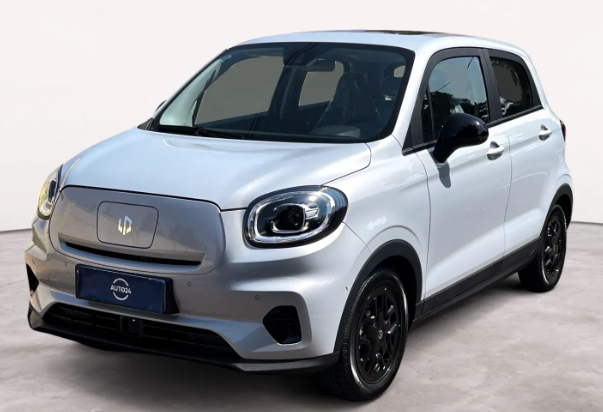
A standout example currently gaining traction is the Leapmotor T03, a compact, tech-savvy electric city car that is perfect for Kigali’s traffic. To find second-hand cars suitable for these conditions, check out auto24.rw. Beyond the Leapmotor, you can often find reliable used hybrids and EVs like the Hyundai Ioniq or Volkswagen ID.4 on their platform, providing a budget-friendly gateway into the world of electric mobility.
For drivers looking to explore sustainable mobility through custom imports, EV24.africa offers import options for electric cars, expanding choices in high-spec models that might not be available locally yet.
Practical Tips for Your EV Transition
Switching to an electric vehicle requires a slight shift in how you maintain your car. Here are some actionable tips to keep your EV running efficiently:
- Manage Your State of Charge (SoC): For daily use, try to keep your battery between 20% and 80%. Consistently charging to 100% or letting it drop to 0% can degrade the battery chemistry over time.
- Tire Pressure is Critical: EVs are generally heavier than petrol cars due to the battery weight. Check your tire pressure monthly to ensure you aren’t losing range to unnecessary rolling resistance.
- Brake Maintenance: Because EVs use regenerative braking (using the motor to slow down), your physical brake pads will last much longer. However, they should still be inspected for rust or debris, especially after the rainy season.
To learn more about maximizing your vehicle’s lifespan, you can Discover additional tips on our maintenance blog or Read more here about the latest government incentives for EV owners.
Frequently Asked Questions (FAQs)
1. What is the difference between a BEV and an EREV?
A Battery Electric Vehicle (BEV) runs entirely on electricity stored in a battery and has no petrol engine. A Range-Extender Electric Vehicle (EREV) is also driven by an electric motor, but it carries a small petrol generator that kicks in to charge the battery if it runs low, allowing for much longer trips without stopping to plug in.
2. Can I afford an EV in Rwanda?
Yes! With the new partnership between Rwanda Motors and I&M Bank, you can access collateral-free financing for premium models. If you are looking for a more budget-friendly entry point, check out auto24.rw for affordable pre-owned options like the Leapmotor T03 or Samsung SM3.
3. Where can I charge my electric car in Kigali?
The government is currently implementing a master plan to install nearly 200 charging stations across the city and along major transit routes. Many hotels, malls, and fuel stations are already equipped with charging points. For a list of the latest charging locations, visit automag.rw.
4. How long does an EV battery last?
Most modern EV batteries are designed to last between 10 to 15 years, or roughly 150,000 to 200,000 kilometers, before they see a significant drop in capacity. Following proper care tips—like avoiding extreme heat and keeping the charge between 20% and 80%—can help extend this lifespan.
5. Can I import a specific EV model to Rwanda?
Absolutely. For drivers looking to explore sustainable mobility with specific requirements, EV24.africa offers import options for electric cars, expanding choices in international models that are tailored for various driving needs and budgets.
6. Do EVs perform well on Rwanda’s hills?
Electric vehicles are actually excellent for hilly terrain. They provide “instant torque,” meaning they have more power to climb steep hills immediately compared to petrol engines. Additionally, when driving downhill, the regenerative braking system recharges your battery for free!