If you own or drive a vehicle in Rwanda, the technical inspection — known locally as visite technique — is one of those processes you simply cannot ignore. It is mandatory, it is recurring, and it plays a direct role in whether your vehicle is legally allowed on the road. Yet despite how important it is, many drivers in Rwanda still approach it with confusion, anxiety, or last-minute scrambling.
This guide changes that. Whether you’re going through your first inspection, preparing a vehicle you’ve just purchased, or simply trying to understand what inspectors actually look for, this is your complete, plain-language reference for everything related to vehicle technical inspection in Rwanda.
What Is the Vehicle Technical Inspection?
The vehicle technical inspection — or visite technique — is a mandatory periodic assessment of a motor vehicle’s roadworthiness. It is carried out at authorised inspection centres and is designed to verify that a vehicle meets the minimum safety and environmental standards required for legal operation on Rwandan public roads.
Think of it as a health check for your car. Just as you visit a doctor to confirm your body is functioning properly, your vehicle undergoes a structured examination to confirm its brakes, lights, tyres, steering, emissions, and other critical systems are in good working order.
The inspection is not about aesthetics or comfort — it is purely about safety and compliance. A vehicle that passes is certified as roadworthy. A vehicle that fails must have its defects corrected before it can be cleared.
Who Oversees Technical Inspections in Rwanda?
Vehicle technical inspections in Rwanda are administered under the authority of the Rwanda Transport Development Agency (RTDA), which operates under the Ministry of Infrastructure. RTDA sets the standards, authorises inspection centres, and ensures the process is consistent and credible across the country.
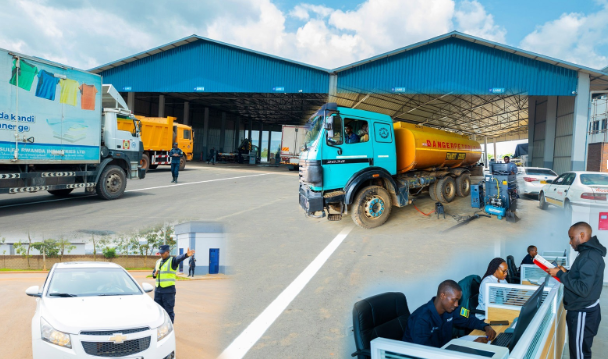
Inspections are carried out at RTDA-approved vehicle inspection centres located in Kigali and in various provinces. Only centres holding valid authorisation from RTDA are legally permitted to issue inspection certificates. Certificates obtained from unauthorised sources are invalid and illegal.
Which Vehicles Are Required to Undergo Technical Inspection?
The short answer is: virtually all motor vehicles registered and operating in Rwanda. This includes:
- Private passenger cars
- Commercial vehicles (trucks, pickups, lorries)
- Public transport vehicles (buses, minibuses, taxis)
- Motorcycles (motos)
- Three-wheelers and motorised tricycles
- Agricultural and special-purpose vehicles
Whether your vehicle is new or old, imported or locally assembled, if it carries Rwandan registration plates and operates on public roads, technical inspection applies to it.
How Often Must Your Vehicle Be Inspected?
Inspection frequency in Rwanda depends on the type and age of the vehicle:
| Vehicle Type | Inspection Frequency |
| New private vehicles (first 2–3 years) | Less frequent initially |
| Older private vehicles | Annually |
| Commercial vehicles | Every 6 months |
| Public transport vehicles (buses, taxis) | Every 6 months or more frequently |
| Motorcycles | Annually |
As a general rule, private vehicles undergo annual inspections while commercial and public transport vehicles are inspected more frequently due to the higher usage intensity and greater public safety stakes involved.
Always confirm the applicable frequency for your specific vehicle category with RTDA or your nearest authorised inspection centre, as requirements can be updated.
Why Technical Inspection Matters: The Bigger Picture
It’s easy to view the visite technique as a bureaucratic hurdle — another box to tick, another fee to pay. But the reality is that vehicle inspections serve a genuinely important purpose in Rwanda’s road safety framework.
Road safety is a national priority. Rwanda has made significant strides in reducing road traffic fatalities, but vehicle defects remain a contributing factor in accidents across the country. Faulty brakes, worn tyres, malfunctioning lights, and compromised steering systems are not just MOT failures — they are genuine threats to human lives on the road.
Emissions and environmental responsibility. Rwanda has ambitious environmental goals, and vehicle emissions are a measurable contributor to urban air pollution, particularly in Kigali. The technical inspection helps ensure that vehicles operating in the country are not excessively polluting.
Legal compliance and insurance. A valid inspection certificate is required for road tax renewal and is closely linked to your vehicle’s legal standing. In the event of an accident, driving a vehicle that has failed its inspection — or one whose certificate has expired — can significantly complicate insurance claims and legal proceedings.
What Does the Technical Inspection Check?
The inspection is thorough and covers every major system of the vehicle. Here is what inspectors typically assess:
1. Braking System
This is one of the most critical areas. Inspectors check the effectiveness of the main braking system, the handbrake, brake fluid levels, brake pads and disc condition, and the overall hydraulic integrity of the system. A vehicle that cannot stop reliably is an immediate danger.
2. Steering and Suspension
The steering system is checked for play, responsiveness, and mechanical wear. Suspension components — including shock absorbers, springs, and ball joints — are assessed for condition and function. Poor suspension not only affects handling but also increases stopping distances.
3. Tyres and Wheels
All four tyres (plus the spare on some inspections) are checked for tread depth, sidewall condition, even wear, and correct inflation. Tyres below the legal minimum tread depth are a common failure point. Wheels are checked for damage, secure fitment, and correct specification.
4. Lights and Electrical Systems
All external lights are tested: headlights (including beam alignment), rear lights, brake lights, indicators, hazard lights, reverse lights, and number plate illumination. A single non-functional bulb can result in a failed inspection.
5. Engine and Emissions
The engine compartment is visually checked for obvious leaks, fluid levels, and general condition. Emissions are tested to ensure they fall within acceptable limits — excessive smoke output from the exhaust is a common emission failure.
6. Fuel System
The fuel system is inspected for leaks and secure fitment of all components. A leaking fuel system is both a fire hazard and an environmental concern.
7. Body and Chassis
The vehicle’s body and chassis are checked for structural integrity — significant rust, cracks in load-bearing components, or damage that compromises the vehicle’s structural strength can result in failure. Sharp edges or exposed metal that could injure occupants or pedestrians are also flagged.
8. Windscreen and Mirrors
The windscreen is checked for cracks or chips that obscure the driver’s vision. All required mirrors — driver’s side, passenger side, and interior — must be present, intact, and properly adjusted.
9. Seatbelts
All seatbelts must be present, functional, and undamaged. This applies to front and rear seating positions. Missing or inoperative seatbelts are a straightforward failure.
10. Horn
The horn must function correctly. It’s a basic but non-negotiable safety item.
11. Exhaust System
The exhaust system is checked for leaks, secure mounting, and condition. A damaged exhaust is a noise nuisance, an emissions issue, and — in cases of leaks into the cabin — a genuine health hazard.
12. Windows and Windscreen Wipers
Wipers must function and make effective contact with the windscreen. Windows must open and close properly, and tinting must fall within legal limits.
How to Prepare Your Vehicle for Technical Inspection
Preparation is everything. Drivers who arrive at inspection centres without basic checks in place are the ones who leave with failure certificates and additional costs. Here’s how to give your vehicle the best chance of passing first time:
Check All Your Lights
Walk around your vehicle and test every external light. Ask someone to sit in the car and apply the brakes while you check rear lights. Test indicators, hazards, and reverse lights. Replace any blown bulbs before your inspection — it’s a quick, inexpensive fix that could save you a failed inspection.
Inspect Your Tyres Carefully
Check tread depth across all four tyres using a coin or tread depth gauge — in Rwanda, the legal minimum is 1.6mm, though 3mm is the recommended safe minimum. Look for sidewall bulges, cuts, or uneven wear patterns, which can indicate suspension issues. Ensure all tyres are inflated to the manufacturer’s recommended pressure.
Check Fluid Levels
Top up engine oil, brake fluid, coolant, power steering fluid (if applicable), and windscreen washer fluid. Low fluid levels won’t always cause a direct failure, but they signal a poorly maintained vehicle and can reveal underlying problems that might.
Test Your Brakes
If your brakes feel soft, slow to respond, or make unusual noises, address this before your inspection — not after. Brake issues are among the most common failure points and the most important safety item.
Verify All Seatbelts Work
Pull each seatbelt out fully, check the locking mechanism, and ensure the buckle clicks and releases correctly. Check rear seatbelts too — they are checked during inspection.
Address Any Obvious Damage
Cracked windscreens, broken mirrors, and significant body rust are all inspected. If your windscreen has a crack in the driver’s line of sight, replace it before attending.
Clean Your Vehicle
A clean vehicle allows inspectors to do their job more effectively and signals a well-cared-for vehicle. It won’t guarantee a pass, but a vehicle coated in mud or grease, obscuring components, can slow the process.
Service Your Engine if Overdue
If your vehicle is due for a service — oil change, air filter replacement, spark plugs — completing this before your inspection improves your chances of passing the emissions test and reduces the risk of a mechanical issue being flagged.
For more detailed vehicle maintenance advice tailored to Rwandan roads and conditions, automag.rw offers practical guides, car care tips, and expert reviews to help you keep your vehicle in top condition year-round.
The Inspection Process: What to Expect on the Day
Knowing what to expect removes the anxiety from the process. Here’s a typical flow at an RTDA-authorised inspection centre in Rwanda:
1. Arrival and Document Verification: Present your vehicle registration certificate (Carte Rose) and national ID. Your vehicle details will be confirmed in the system.
2. Payment of Inspection Fee Pay the applicable inspection fee — amounts vary by vehicle category. Payment is typically accepted via Mobile Money or at a cashier point at the centre.
3. Vehicle Check-In Your vehicle is recorded into the inspection queue. Some centres operate on a first-come, first-served basis, so arriving early reduces waiting time.
4. Physical Inspection Your vehicle passes through the inspection bay where technicians assess each system methodically — from lights and tyres to underneath the vehicle (using a pit or ramp to check the chassis, exhaust, and suspension).
5. Emissions Test A probe is inserted into the exhaust to measure emission levels against allowable limits.
6. Results and Certificate If your vehicle passes, you receive a valid inspection certificate and a windscreen sticker confirming the validity period. If it fails, you receive a detailed report of the defects identified.
7. Re-Inspection After Failure If your vehicle fails, you have a defined period in which to carry out the necessary repairs and return for a re-inspection. Some centres charge a reduced fee for re-inspection; others charge the full fee. Confirm the policy at your specific centre.
What Happens If Your Vehicle Fails the Technical Inspection?
A failed inspection is not the end of the world — it is simply the system working as intended. The failure report tells you exactly what needs to be fixed. Take it to a qualified mechanic, address every item listed, and return for re-inspection.
What you must not do is continue driving the vehicle as if it passed. A vehicle with a failed inspection is not legally roadworthy, and driving it on public roads exposes you to fines, impoundment, and — most importantly — genuine risk of causing an accident due to the very defect the inspection identified.
Technical Inspection and Buying a Second-Hand Vehicle
If you’re in the market for a used car, the technical inspection history of a vehicle is an important factor to consider. A vehicle with a current, valid inspection certificate is a reassuring sign — it means the vehicle has been assessed recently and met the minimum roadworthiness standard.
Before purchasing any used vehicle, always:
- Ask to see the current inspection certificate and verify its validity date
- Check whether the vehicle has any outstanding inspection failures
- Consider commissioning an independent mechanical assessment in addition to the standard inspection
Platforms like auto24.rw feature a wide range of quality second-hand vehicles across Rwanda — from family saloons like the Toyota Allion and Nissan Sylphy to SUVs like the Toyota Harrier and Subaru Outback — all listed with details that allow you to make an informed decision before visiting a seller. Combining a platform like this with a thorough pre-purchase inspection is the smartest way to buy used.
Technical Inspection for Electric Vehicles
As electric vehicles become a growing presence on Rwandan roads, it’s worth understanding how the technical inspection applies to them. EVs are subject to the same mandatory inspection requirement as conventional vehicles, but certain elements of the inspection differ given the absence of a combustion engine.
For electric vehicles, inspectors assess:
- High-voltage system safety — ensuring the battery and electrical components are safely insulated and mounted
- Braking system — including regenerative braking functionality
- Tyres, lights, steering, and body — all checked to the same standard as conventional vehicles
- Emissions — EVs produce zero tailpipe emissions, which means this portion of the test is effectively passed by default
For drivers interested in importing electric vehicles into Rwanda and navigating the associated regulatory requirements, EV24.africa is a dedicated platform offering electric vehicle import services across Africa — a useful starting point for understanding both the vehicle options and what to expect when bringing an EV through Rwanda’s technical inspection process.
Common Reasons Vehicles Fail Technical Inspection in Rwanda
Based on the types of defects most frequently identified at inspection centres, here are the issues that cause the most failures — and that you should therefore prioritise before attending:
- Worn or illegal tyres — the single most common failure reason
- Non-functional lights — headlights, brake lights, or indicators not working
- Brake system defects — worn pads, soft pedal feel, or imbalanced braking
- Excessive exhaust emissions — usually due to a poorly maintained engine
- Faulty or missing seatbelts — particularly rear seatbelts that owners often neglect
- Cracked windscreens — chips or cracks in the driver’s field of vision
- Suspension and steering wear — loose or worn components
- Body rust affecting structural integrity — particularly on older vehicles
Addressing these areas before your inspection dramatically increases your chances of passing first time.
Practical Tips for Staying Inspection-Ready Year-Round
Rather than scrambling to fix problems in the days before your inspection, the smarter approach is to maintain your vehicle consistently throughout the year so it is always close to inspection-ready.
Schedule a service two months before your inspection is due. This gives you time to identify and fix any issues without the pressure of an imminent deadline.
Check your tyre tread every month. Tyres wear gradually, and it’s easy to miss the point at which they cross below the legal minimum. A quick monthly check keeps you aware.
Replace bulbs as soon as they blow. Don’t wait for your inspection — a non-functional brake light is a road safety issue every day it remains unaddressed.
Listen to your brakes. Squealing, grinding, or a soft pedal are signs that your braking system needs attention. Act on these sounds immediately.
Keep a vehicle maintenance log. Recording service dates, fluid changes, and repairs gives you a clear history of your vehicle’s maintenance and helps you spot patterns or recurring issues.
Frequently Asked Questions (FAQs)
Q: Where can I get my vehicle inspected in Rwanda? A: At any RTDA-authorised inspection centre. These are located in Kigali and across the provinces. Always confirm that the centre you visit holds current RTDA authorisation.
Q: How much does the technical inspection cost in Rwanda? A: Fees vary by vehicle category. Contact your nearest inspection centre or check the RTDA website for current applicable fees.
Q: Can I drive my vehicle while waiting for inspection if the certificate has expired? A: An expired inspection certificate means your vehicle is technically not cleared for road use. Avoid driving until your vehicle has been inspected and cleared, or consult with the Rwanda National Police on how to handle the transitional period.
Q: How long is a technical inspection certificate valid? A: Validity depends on your vehicle category — typically one year for private vehicles and six months for commercial or public transport vehicles.
Q: Do motorcycles need a technical inspection? A: Yes. Motorcycles registered in Rwanda are subject to periodic technical inspection requirements.
Q: What if I disagree with the inspection result? A: If you believe your vehicle was incorrectly assessed, you can raise a formal concern with RTDA. However, inspection outcomes are based on objective technical measurements, and most disputes arise from misunderstandings about what was assessed rather than genuine errors.
Q: Is the inspection different for imported vehicles? A: Newly imported vehicles go through a separate customs and import clearance process that includes a technical assessment. Once registered in Rwanda, they then follow the standard periodic inspection cycle.
Q: Can I get my vehicle inspected early, before the certificate expires? A: Yes. You can present your vehicle for inspection before your current certificate expires, and the new certificate period will typically begin from that date. It is always better to inspect early than to let your certificate lapse.
Final Thoughts
The vehicle technical inspection exists for one fundamental reason: to keep Rwanda’s roads safer for everyone who uses them. It is not a tax, a revenue exercise, or an administrative inconvenience — it is a genuine safety mechanism that identifies dangerous vehicles before they cause harm.
The smartest approach any Rwandan driver can take is to stop thinking of the visite technique as something that happens to them once a year and start thinking of it as the annual confirmation of what should already be true: that their vehicle is well-maintained, safe, and fit for the road.
Maintain your vehicle consistently, prepare thoroughly, and approach your inspection with confidence. The roads of Rwanda — and everyone travelling on them — will be better for it.
For ongoing vehicle maintenance tips, car care guides, and the latest automotive news relevant to Rwandan drivers, visit automag.rw — your trusted resource on wheels.