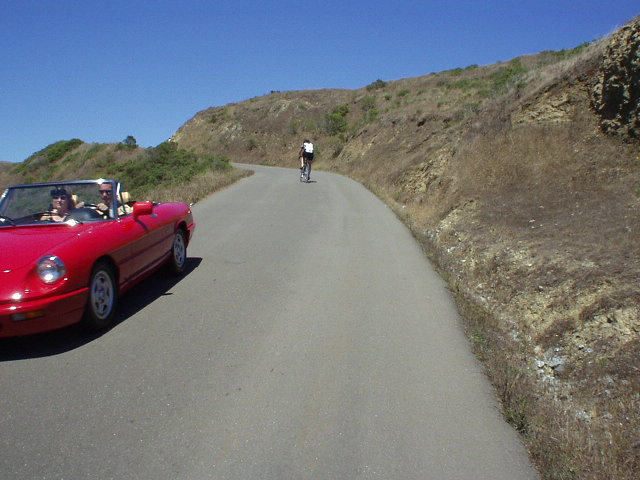
Rwanda Hilly Roads Driving on Rwanda’s hilly roads requires careful speed control, strong brakes, good tyres, and proper vehicle maintenance on steep climbs and descents.
Car Tips: How to Handle Steep and Hilly Roads Safely in Rwanda
Rwanda’s mountainous landscape makes steep climbs, winding roads, and long descents part of everyday driving. These conditions require motorists to pay close attention to speed, braking, tyres, and overall vehicle condition. Rwanda National Police continues to emphasize vehicle roadworthiness and regular technical inspection as important parts of road safety.
For drivers, Rwanda Hilly Roads Driving is not simply about choosing a powerful vehicle. Good braking performance, appropriate speed, and careful observation are equally important.
Control Your Speed on Descents
Long downhill sections can quickly increase a vehicle’s speed if the driver relies entirely on the accelerator and brakes. Drivers should reduce speed before entering a descent and select an appropriate lower gear where the vehicle allows it.
Using engine braking can help control speed and reduce continuous pressure on the brakes. Sudden heavy braking should be avoided because it can make vehicle control more difficult, particularly around bends.
Leave More Following Distance
Extra space is useful on Rwanda’s winding roads because traffic can slow unexpectedly near bends, steep sections, or pedestrian crossings.
For Rwanda Hilly Roads Driving, drivers should be especially cautious near blind corners and hill crests where approaching traffic cannot be seen clearly. Maintaining a safe distance also gives the driver more time to react to sudden changes in traffic.
Check the Brakes Before a Long Trip
Steep roads place greater demands on a vehicle’s braking system. Worn brake pads, damaged discs or other mechanical problems can become more noticeable during repeated downhill driving.
Rwanda National Police’s current technical inspection process checks important areas including braking performance, shock absorbers, tyre condition and other mechanical components.
Motorists planning a long journey through mountainous areas should have the brakes inspected if they notice squealing, vibration, reduced braking performance or other warning signs.
Keep Tyres in Good Condition
Tyres provide the grip needed to accelerate, steer and stop safely. Incorrect tyre pressure, worn tread and damaged sidewalls can reduce handling, particularly when roads become wet.
For Rwanda Hilly Roads Driving, checking tyre pressure before a journey is a simple maintenance step that can improve stability and handling. Drivers should also inspect the tyres for uneven wear, cuts, or other visible damage before starting a long trip.
Take Extra Care During Rain
Rain can make steep and winding roads considerably more demanding. Wet surfaces reduce tyre grip, while heavy rainfall can affect visibility and create puddles or slippery sections.
Drivers should reduce speed when visibility deteriorates and increase the distance from vehicles ahead. If rainfall becomes severe, waiting for conditions to improve can be safer than continuing through difficult sections.
Choose a Vehicle for the Roads You Actually Use
Vehicle choice can also influence the driving experience. Ground clearance, tyre size, braking equipment, and drivetrain configuration may be relevant for motorists who regularly travel outside Kigali or across mountainous routes.
Drivers comparing different vehicles and specifications can explore AfriCarGroup Auto24 when researching models for Rwanda’s varied road conditions.
Maintain the Vehicle Regularly
A vehicle that performs adequately on flat urban roads may reveal mechanical weaknesses when subjected to repeated climbs and descents. Steering, suspension, brakes, tyres, fluids, and other important components should be maintained according to the manufacturer’s recommendations.
Rwanda National Police states that personal-use motor vehicles require technical inspection every year, while a brand-new vehicle requires its first inspection two years from the date of manufacture.
Regular maintenance can help identify problems before they become more serious on a steep road. The current inspection system specifically examines components such as brakes, tyres, suspension and steering, making these checks particularly relevant for drivers who regularly use hilly routes.
Conclusion
Rwanda Hilly Roads Driving requires careful speed management, reliable brakes, healthy tyres, and a properly maintained vehicle. Drivers should reduce speed before steep descents, use appropriate gears, leave additional following distance, and take extra care when rain reduces visibility or road grip.
The safest approach is to adapt driving habits to the terrain rather than relying on vehicle power alone.
Have you driven across Rwanda’s steep and winding roads? What is the biggest challenge you face: long climbs, downhill braking, sharp bends, or rainy conditions? Share your experience in the comments and tell us which driving tip has helped you most on Rwanda’s hilly roads.