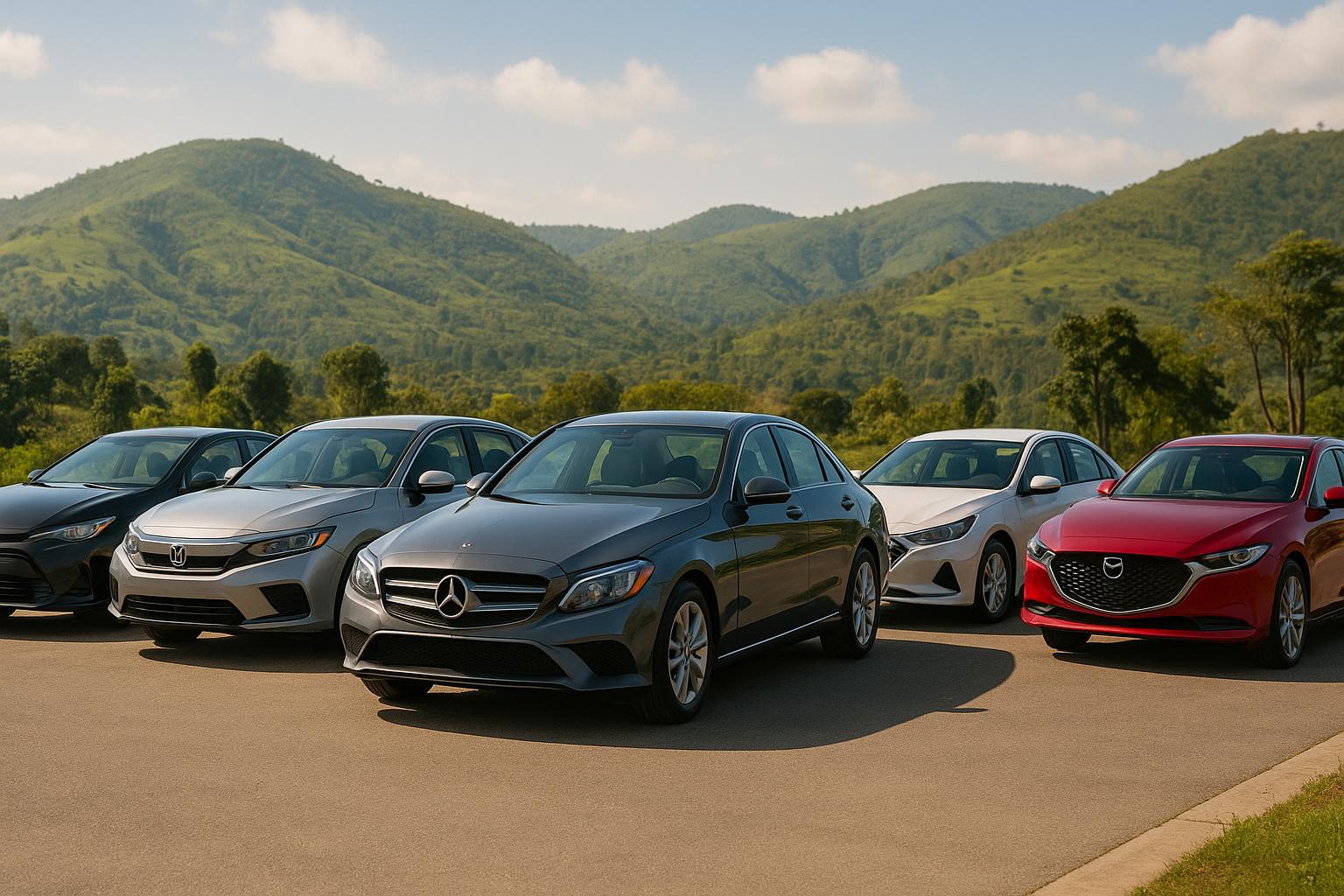
Looking for a car that performs well in Rwanda’s demanding conditions? Here’s the rundown of the top 5 most reliable car brands in 2025, based on durability, maintenance costs, spare parts availability, and customer satisfaction:
- Toyota: Known for rugged durability, affordable maintenance, and an extensive parts network. Perfect for long-term ownership.
- Mitsubishi: Budget-friendly with solid performance on both city roads and rough terrains.
- Ford: Offers sturdy builds and balanced pricing, though its parts network is still growing.
- Nissan: Reliable for short- to medium-term use, with reasonable maintenance costs and good parts availability.
- Honda: Durable and efficient, with low maintenance costs and strong resale value.
Quick Comparison:
| Brand | Durability | Maintenance Costs | Spare Parts Availability | Customer Satisfaction |
|---|---|---|---|---|
| Toyota | High | Moderate | Excellent | Very High |
| Mitsubishi | High | Low | Good | High |
| Ford | Moderate | Moderate | Improving | Good |
| Nissan | Moderate | Reasonable | Adequate | Moderate |
| Honda | High | Low | Strong | Very High |
Toyota and Honda lead the pack for long-term reliability, while Mitsubishi is ideal for budget-conscious buyers. Ford and Nissan offer solid alternatives depending on your needs. Evaluate based on your driving habits, budget, and access to spare parts.
Want to Move to Rwanda? What About Your Car Options?
1. Toyota
Toyota stands out as Rwanda’s most dependable car brand, offering models that perform exceptionally well under a variety of conditions.
Durability
Toyota vehicles, such as the Land Cruiser and RAV4, are built to handle Rwanda’s tough terrain and changing altitudes, including Kigali’s elevation of 4,921 feet and higher. These cars are designed with durability in mind, focusing on long-lasting performance rather than unnecessary extras. Their engines are particularly suited to the country’s altitude variations, requiring fewer repairs and keeping maintenance costs manageable.
Maintenance Costs
One of Toyota’s biggest advantages in Rwanda is its low maintenance costs. Routine servicing is reasonably priced, especially at authorized service centers. Toyota vehicles are engineered with simplicity in mind, avoiding overly complex electronic systems that might need specialized tools or advanced technician training.
Scheduled maintenance is spaced out effectively, with major services typically required every 6,000 to 10,000 miles, depending on the model. This reduces the frequency of garage visits, saving time and money. Affordable servicing and fewer repair needs add to Toyota’s strong appeal in the local market.
Spare Parts Availability
Toyota boasts one of the best parts distribution networks in Rwanda. Genuine Toyota parts are easy to find through authorized dealers in major cities. Many common parts are stocked locally, cutting down on the delays that often come with importing components.
For frequently replaced items like brake pads, filters, and belts, availability is widespread. This ensures that even older Toyota models experience minimal downtime, making the brand a practical choice for both individual and commercial use.
Customer Satisfaction
Toyota owners in Rwanda consistently express high levels of satisfaction, thanks to the brand’s reliability and longevity. Its vehicles are known for maintaining their value over time, which is a significant factor for many buyers.
Fleet operators, including taxi services and delivery companies, often rely on Toyota for its dependable performance and lower overall ownership costs. This reliability has earned Toyota a loyal customer base in Rwanda’s automotive market, solidifying its reputation as a trusted choice.
2. Mitsubishi
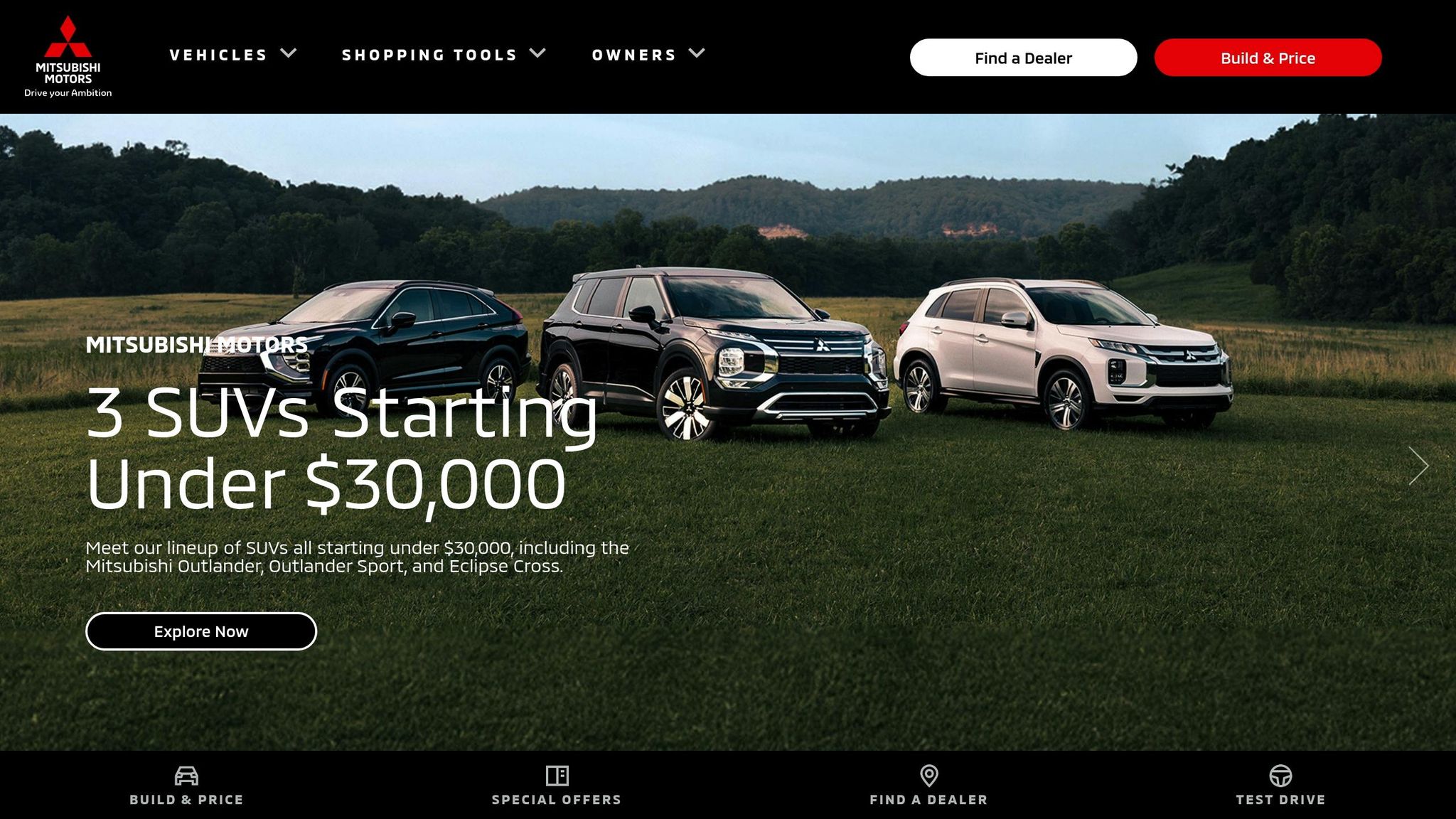
Mitsubishi holds the second spot in Rwanda for reliability, offering solid performance both in city settings and on challenging terrains.
Durability
Models like the Outlander and Pajero are designed to handle Rwanda’s diverse landscapes, from the bustling streets of Kigali to rugged, mountainous trails. With a sturdy chassis, enhanced suspension, and all-wheel drive, these vehicles are built to tackle rough roads and withstand heavy rains. This resilience not only ensures fewer service interruptions but also helps keep maintenance costs manageable.
Maintenance Costs
Mitsubishi vehicles are known for their simple engineering, which translates to affordable servicing. Routine maintenance is budget-friendly, and labor fees remain reasonable.
Spare Parts Availability
Mitsubishi has established a dependable spare parts network within Rwanda. Genuine components are readily available, making it easy to handle routine repairs and minimizing vehicle downtime.
Customer Satisfaction
Mitsubishi owners often highlight the brand’s balance of capability and affordability. Whether for urban commuting or commercial use, drivers appreciate its reliability and the responsive support provided by local dealers.
3. Ford
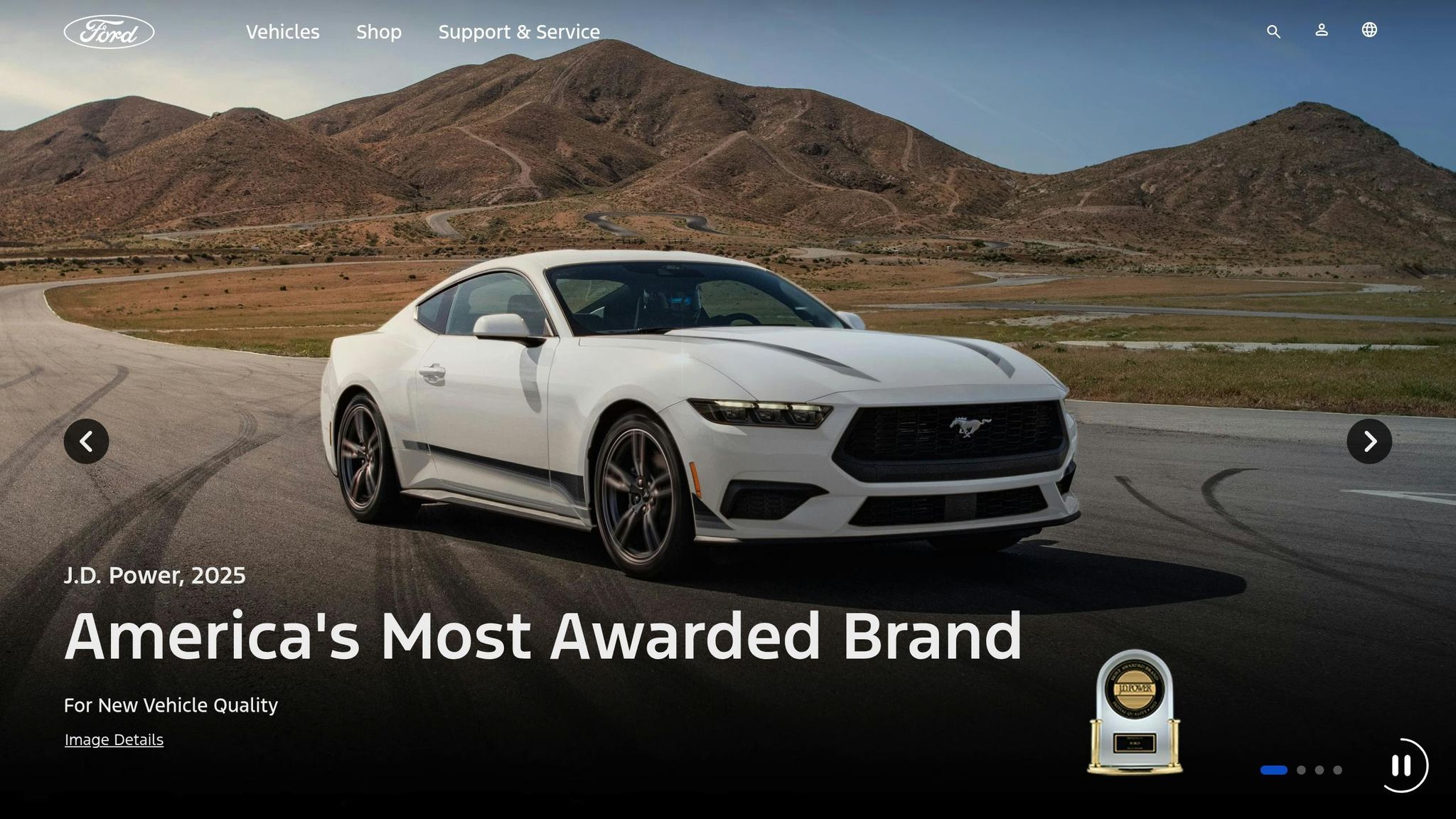
Ford takes the third spot in Rwanda’s reliability rankings, offering vehicles known for their sturdy performance and practical designs.
Durability
Ford vehicles are built to handle Rwanda’s diverse terrain. The Ford Ranger, for example, is especially praised for its reinforced frame, making it a reliable choice for both navigating Kigali’s urban streets and tackling rugged rural roads. Models like the EcoSport and Escape also perform well in the country’s high-altitude conditions.
The brand emphasizes durability over luxury, which aligns perfectly with the needs of Rwandan drivers. Whether for personal or commercial use, Ford vehicles are designed to endure heavy usage, making them a popular choice. This focus on resilience helps cement Ford’s reputation in the market, supported by balanced maintenance options and parts availability.
Maintenance Costs
Ford’s simpler mechanical systems, paired with well-spaced service intervals, help keep maintenance costs manageable. Many local mechanics are familiar with Ford models, which further reduces labor expenses. These factors make routine upkeep more affordable for owners.
Spare Parts Availability
Ford has established a reliable network for spare parts, with genuine components available through authorized dealers. Common items like brake pads, filters, and belts are generally easy to find, ensuring that regular repairs are straightforward.
The Ford Ranger’s popularity ensures that parts for this model are widely available. However, for more specialized components, there might be occasional delays as these may need to be ordered, potentially extending repair times.
Customer Satisfaction
Rwandan Ford owners appreciate the brand’s ability to balance performance and affordability. Many highlight the vehicles’ capability to handle demanding conditions while keeping operating costs reasonable. The Ranger, in particular, receives glowing feedback from owners who rely on it for both work and family needs.
Ford’s reputation for building tough, dependable vehicles resonates strongly with Rwandan buyers who value reliability and practicality over luxury features. Customers also note the responsive support provided by local dealers, which adds to the overall ownership experience.
sbb-itb-7bc66b5
4. Nissan
Nissan holds the fourth spot in Rwanda’s 2025 rankings, combining dependable Japanese engineering with practical features that suit a variety of needs.
Durability
Nissan vehicles are built to handle Rwanda’s diverse road conditions and weather with ease. Take the X-Trail, for instance – its all-wheel-drive system makes it a great choice for navigating different terrains. Meanwhile, the Patrol is a favorite among commercial operators, thanks to its toughness and ability to endure heavy use. Many Nissan models are also designed to handle prolonged exposure to rain and humidity, making them a reliable option for the local climate.
Maintenance Costs
Maintaining a Nissan is relatively affordable, with service centers in Kigali and other areas offering professional support. However, like many modern vehicles, some of Nissan’s advanced models may occasionally require specialized attention, which could slightly increase costs.
Spare Parts Availability
Finding spare parts for Nissan vehicles is generally straightforward, especially for popular models like the X-Trail and Sentra. Authorized service centers across Rwanda stock essential parts, ensuring quick replacements when needed. That said, parts for newer, tech-heavy models might sometimes need to be sourced from regional suppliers. This efficient supply chain helps keep owners satisfied.
Customer Satisfaction
Nissan owners in Rwanda often praise the brand for its fuel-efficient engines, comfortable ride quality, and practical interiors – ideal for both families and long-distance travel. Local dealerships also earn high marks for their responsive customer service and dependable warranty support, further solidifying Nissan’s reputation as a trusted choice.
5. Honda
Honda secures its spot in the top five, known for offering dependable vehicles that hold their value over time.
Durability
Honda cars are built to last. Models like the Civic and Accord are renowned for their reliability, while the CR-V stands out with its sturdy design, making it a great fit for Rwanda’s varied road conditions. This durability means fewer breakdowns and lower repair needs over the years.
Maintenance Costs
Honda’s smart engineering keeps maintenance expenses manageable. Routine services like oil changes and brake replacements are typically budget-friendly. Thanks to the brand’s well-designed engines, most repairs can be handled without requiring specialized tools. Plus, local dealerships provide warranty options that cover a range of services, offering peace of mind.
Spare Parts Availability
In Rwanda, Honda enjoys a strong network for spare parts, ensuring that genuine components are easy to find for popular models. This steady availability reduces delays in repairs and helps keep vehicles running smoothly.
Customer Satisfaction
Honda drivers appreciate the brand for its fuel efficiency, strong resale value, and practical design. Local dealerships earn praise for their transparent pricing and clear communication, making it easier for customers to stay on top of maintenance and make confident decisions about their vehicles.
Brand Comparison: Strengths and Weaknesses
Here’s a breakdown of each brand’s strengths and areas to consider, specifically tailored to the Rwandan market:
| Brand | Durability | Maintenance Costs | Spare Parts Availability | Customer Satisfaction |
|---|---|---|---|---|
| Toyota | Proven reliability and long-lasting performance | Moderate to high, with predictable servicing | Excellent network of genuine parts | Very high, with strong resale value |
| Mitsubishi | Strong build quality | Low to moderate, noted for affordability | Good availability for popular models | High, reflecting value for money |
| Ford | Good build quality | Moderate, offering competitive pricing | Growing network with improving availability | Good overall, providing balanced features |
| Nissan | Moderate reliability with potential for high mileage | Reasonable and accessible | Adequate supply for common models | Moderate to good, driven by competitive pricing |
| Honda | Outstanding durability and long-term value | Low to moderate with efficient engineering | Robust network of genuine parts | Very high, supported by top reliability ratings |
Let’s take a closer look at how each brand performs in terms of reliability and tradeoffs:
Toyota: With a reliability score of 78/100, Toyota continues to be a trusted choice in Rwanda. Its reputation for long-lasting performance and excellent parts availability makes it a dependable, albeit slightly more expensive, option for buyers who value durability.
Honda: Known for its exceptional reliability, Honda holds a 4/5 rating from Repair Pal and ranks at the top among 31 brands. Its efficient engineering not only ensures long-term value but also keeps maintenance costs manageable for Rwandan drivers.
Mitsubishi: A solid choice for budget-conscious buyers, Mitsubishi boasts a reliability rating of 90.8% and ranked 7th in the 2017 J.D. Power Dependability Survey. This combination of affordability and dependability makes it a practical option for many in Rwanda.
Ford: Ford strikes a balance across various features, offering solid build quality and competitive pricing. While its spare parts network is still expanding in Rwanda, it’s becoming a more viable option for those seeking a middle ground between cost and performance.
Nissan: Nissan’s models are priced competitively and can achieve impressive mileage – up to 195,593 miles before losing all value. However, a reliability rating of 52.7% suggests it may not match the long-term dependability of some competitors, making it a more suitable option for short- to medium-term use.
Final Recommendations
After thoroughly examining durability, maintenance, and the availability of parts, here’s what we recommend. Toyota and Honda stand out in Rwanda’s market, thanks to their reputation for lasting reliability, widespread spare parts availability, and manageable maintenance costs. These qualities make them excellent choices for long-term ownership.
Honda is known for its efficient engineering and consistent performance, which helps keep maintenance costs low, even on Rwanda’s mix of urban and rural roads.
Mitsubishi shines as a budget-friendly option, offering dependable performance at a reasonable price – perfect for buyers looking for affordable used vehicles.
Ford strikes a balance between performance and pricing while steadily improving its spare parts network, making it a solid contender.
Nissan appeals to those seeking upfront affordability and short- to medium-term use. However, for long-term ownership, potential buyers should carefully evaluate maintenance requirements.
When deciding, it’s crucial to consider the total cost of ownership, which includes maintenance and spare parts. These factors play a significant role in ensuring long-term reliability. Japanese brands, especially Toyota, continue to dominate due to their dependability and their ability to handle both city streets and rugged rural terrain effectively.
FAQs
Why is Toyota considered one of the most reliable car brands in Rwanda?
Toyota has built a strong reputation in Rwanda as one of the most dependable car brands, thanks to its consistent quality, long-lasting durability, and budget-friendly options. Its vehicles are well-suited to handle the country’s tough road conditions while keeping maintenance costs manageable – qualities that make them a popular choice for Rwandan drivers.
On top of that, Toyota provides outstanding customer support, including generous warranties and easy access to spare parts. Paired with the brand’s history of reliable engines and efficient performance, these factors have fostered deep trust and loyalty among customers in Rwanda.
How does Mitsubishi compare to other car brands in affordability and performance for Rwanda’s roads?
Mitsubishi has earned a reputation for blending cost-effectiveness with solid performance, making it a favorite among drivers in Rwanda. Vehicles like the Outlander SUV and Mirage sedan stand out as practical choices, thanks to their ability to handle the country’s varied terrain while keeping maintenance costs manageable.
As of 2025, Mitsubishi continues to strengthen its standing by offering reliable vehicles designed to tackle Rwanda’s roads with confidence. For those looking for dependable performance at a reasonable price, Mitsubishi remains a sensible and appealing option.
Should I choose a Ford or a Nissan for short- to medium-term use in Rwanda?
When choosing between Ford and Nissan for short- to medium-term use in Rwanda, Nissan often stands out as the more dependable option in 2025. Models like the Nissan Rogue are well-regarded for their reliability, affordability, and ability to handle Rwanda’s diverse road conditions. Additionally, Nissan vehicles typically come with lower maintenance costs and better availability of spare parts, making them a practical choice for everyday use.
Ford, by contrast, shines in durability and off-road capabilities, particularly with models like the Ford Ranger. These vehicles are built to handle rugged terrains and demanding tasks, but they come with higher maintenance costs. This makes Ford a better choice for heavy-duty needs rather than regular commuting. If keeping costs low and ensuring reliability are your main priorities, Nissan is likely the smarter pick, whereas Ford is better suited for challenging environments and tougher jobs.
Related Blog Posts
- Cheapest cars to maintain in Rwanda
- Top car brands in Rwanda
- 5 Reasons Toyota Cars Dominate in Rwanda
- Best used SUVs to buy in Rwanda in 2025