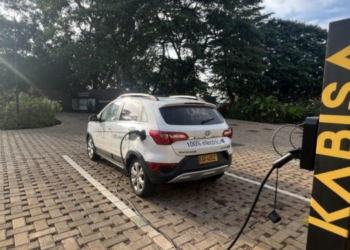
The iconic sight of the motorcycle taxi, or “moto-taxi,” weaving through Kigali’s hilly streets is rapidly changing. Once powered exclusively by noisy, polluting petrol engines, this essential mode of transport is undergoing a rapid, silent revolution. Driven by ambitious government policy and innovative private sector solutions, the electric moto-taxi (e-moto) is now the face of Rwanda’s green transition, with the key technology being the simple, yet brilliant, concept of battery swapping.
This shift is not just an environmental choice; it is a financial lifeline for riders and a major economic boost for the country.
1. The Policy and Economic Accelerator
Rwanda’s government has laid a clear path for the total electrification of its moto-taxi fleet, recognizing the immense environmental and economic impact of the estimated 30,000 commercial motorbikes operating in Kigali alone.
This blend of regulatory push and economic pull is what makes the Kigali model so effective. It balances the need for green growth with the immediate livelihood of the riders.
2. The Engine of Change: The Battery Swap Network
The single biggest barrier to mass EV adoption—long charging times—is solved for e-motos by the battery swapping model.
Instead of plugging in and waiting for 3-4 hours, a moto-taxi rider pulls into a designated swap station, exchanges their depleted battery for a fully charged one, and is back on the road in under two minutes. Companies like Ampersand and Spiro have established extensive networks of these swap stations across Kigali’s key commercial hubs, managing thousands of swaps daily.
How the Swap System Works
- Subscription Model: Riders typically purchase the electric motorbike chassis but rent the battery from the e-mobility company on a pay-per-use basis. This dramatically lowers the initial purchase price, making the e-moto competitive with petrol bikes.
- Digital Integration: Riders use mobile apps to monitor battery life and locate the nearest swap station.
- Quick Turnaround: A technician handles the swap, often utilizing locally made trolleys. Payment is digital and based on the energy consumed.
This efficient process increases the rider’s income by maximizing their time on the road (productivity can increase by 100%) and virtually eliminates range anxiety.
For drivers looking to explore sustainable mobility options beyond two wheels, offers import options for electric cars, expanding choices in Rwanda’s growing sustainable transport market.
3. Practical Tips for E-Moto Riders
For those transitioning from petrol to electric, the maintenance demands change significantly.
Tip 1: Focus on the Motor and Software
Electric motorbikes have fewer moving parts, eliminating the need for oil changes, spark plugs, and frequent gearbox maintenance.
- Motor Health: Pay attention to the motor controller and wiring harness. While durable, these are the new critical components. Avoid riding through deep water to protect the electronics.
- Software Updates: The performance and efficiency of the e-moto are often managed by its software. Ensure you regularly update the rider app and accept any firmware updates recommended by your provider (like Ampersand or Spiro) to maintain optimal battery performance and motor efficiency.
Tip 2: Brake Management
E-motos often feature regenerative braking, which uses the motor to slow the bike down, recapturing energy back into the battery.
- Use Regen to Your Advantage: In Kigali’s hilly terrain, use regenerative braking settings to gently slow down on inclines. This saves your mechanical brake pads and boosts your effective range.
- Check Mechanical Brakes Less Often: Because regenerative braking does most of the work, your physical brake pads will last significantly longer than on a petrol moto. Still, check them seasonally for safety.
To stay current on the latest trends and maintenance guides for both traditional and electric vehicles, consult the experts at .
4. The Broader Impact on Personal Mobility
The success of the e-moto sector is serving as a blueprint for the entire Rwandan automotive market. It proves that clean, efficient, and economically viable mobility is possible now. This success story is already influencing other transport segments, including electric buses and private electric cars.
While the future is electric, the transition is gradual. The used car market remains essential for many families and businesses. Reliable SUVs and sedans, such as the Toyota RAV4 and Kia Sorento, remain popular for their established durability and comfort. If you are looking to buy or sell quality second-hand cars in this dynamic market, you can browse verified listings at .
The electric moto-taxi, powered by a simple swap, is more than just a bike; it is the most visible symbol of Rwanda’s commitment to a sustainable, economically empowering future.