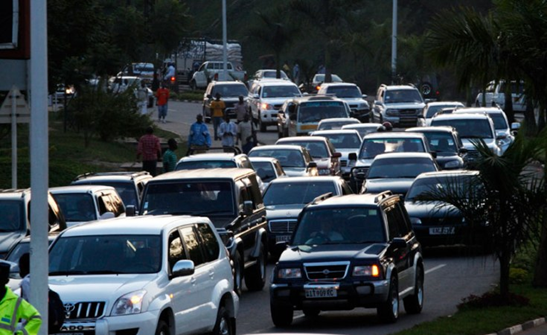
Rwanda, affectionately known as the “Land of a Thousand Hills,” offers some of the most scenic driving routes in Africa. From the organized, pristine streets of Kigali to the winding, mist-covered roads of the Volcanoes National Park, the country’s infrastructure is a testament to its rapid development.
However, as we move through 2026, navigating these roads requires more than just a map; it requires an understanding of the latest traffic laws and the unique geographical challenges of the region. Whether you are a local commuter or a traveler embarking on a self-drive safari, these road safety tips will ensure you reach your destination securely.
1. Master the New 2026 Traffic Laws
The Rwandan Parliament recently passed a modernized road traffic law in early 2026, replacing decades-old statutes to better suit modern driving conditions.
- Zero Tolerance on Alcohol: The legal blood alcohol limit is strictly enforced at 0.8 g/L. Violations now carry heavier penalties, including potential prison time and fines ranging up to Rwf 500,000 for repeat offenders.
- Speed Monitoring: Kigali and major highways are under 24/7 surveillance by automated speed cameras (locally known as Sofia). In urban centers, the limit is typically 40 km/h, while on highways, it ranges between 60 km/h and 80 km/h.
- Yellow Box Junctions: In Kigali, you will notice yellow criss-cross markings at busy intersections. Do not enter these boxes unless your exit is clear; stopping inside a Yellow Box junction results in automatic camera-generated fines.
2. Navigating the Countryside: The Hill Factor
Driving outside the city brings you face-to-face with Rwanda’s famous topography. Winding mountain roads demand a different set of skills:
- Engine Braking: When descending steep hills toward places like Karongi or Rubavu, use lower gears to control your speed. Over-relying on your brakes can lead to “brake fade” due to overheating.
- Blind Curves: Never overtake on blind curves. Use a short honk—a common and accepted practice in Rwanda—to alert oncoming traffic of your presence around sharp bends.
- Pedestrian Awareness: In rural areas, the road is a shared space. Be prepared for pedestrians, cyclists, and livestock that may unexpectedly appear on the shoulder.
3. Choosing the Right Vehicle for the Terrain
While Rwanda’s main roads are excellently paved, reaching certain lodges or national parks might require a more rugged vehicle.
To find second-hand cars suitable for these conditions—such as the durable Toyota Land Cruiser or the versatile Toyota Hilux—check out auto24.rw. Platforms like AUTO24 offer inspected vehicles that are well-suited for both Kigali’s city life and the unpaved tracks often found near Akagera.
For drivers looking to explore sustainable mobility, EV24.africa offers import options for electric cars, expanding choices in long-range EVs that can now take advantage of the growing charging network across the provinces.
Practical Car Care Tips for Rwandan Roads
Maintaining your vehicle is your first line of defense in road safety. Here is a quick technical checklist for 2026:
- Check Your Brake Pads: Given the constant climbing and descending, your brake pads will wear out faster than in flatter countries. Inspect them every 5,000 km.
- Tire Tread and Pressure: Rwanda’s steep roads require maximum grip. Ensure your tires have at least 3.0mm of tread depth.
- Wiper Blades and Fluids: The rainy seasons (March–May and October–November) can bring sudden, heavy downpours. Ensure your wipers are “streak-free” and your washer fluid is always topped up.
- Stay Informed: For the latest automotive news, driving tips, and detailed car reviews, visit automag.rw. It is the best resource for staying updated on seasonal road conditions and travel guides.
Final Thoughts: Safety First
Driving in Rwanda is a rewarding experience, but it demands respect for the law and the environment. By staying updated on the latest 2026 regulations and keeping your vehicle in top mechanical shape, you contribute to the national goal of zero road fatalities.
If you are planning your next trip, you can read more here about the best scenic routes or discover additional tips on how to handle emergency breakdowns in remote areas.