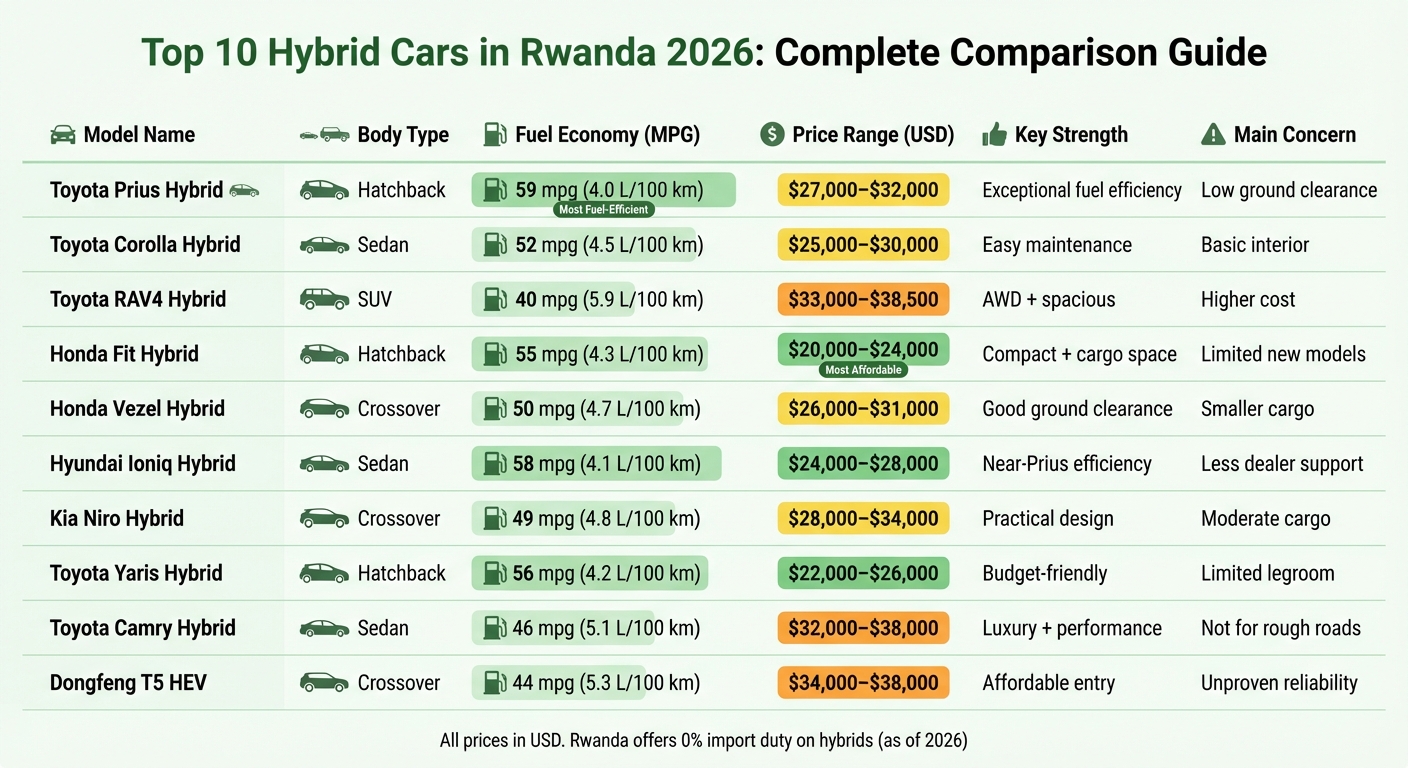
Hybrid cars are becoming a popular choice in Rwanda, thanks to their lower fuel consumption and compatibility with the country’s infrastructure. From city-friendly sedans to rugged SUVs, there’s something for everyone. Here’s a quick breakdown of the top 10 hybrid models for 2026:
- Toyota Prius Hybrid: Fuel-efficient (59 mpg) and reliable, ideal for city use. Prices start at $27,000.
- Toyota Corolla Hybrid: Affordable and easy to maintain, offering 52 mpg. Costs range from $25,000–$30,000.
- Toyota RAV4 Hybrid: A versatile SUV with 40 mpg and all-wheel drive. Priced between $33,000–$38,500.
- Honda Fit Hybrid: Compact and efficient (55 mpg), great for urban drivers. Prices start at $20,000.
- Honda Vezel Hybrid: A crossover offering 50 mpg and good ground clearance. Costs range from $26,000–$31,000.
- Hyundai Ioniq Hybrid: A sedan with 58 mpg, priced around $24,000–$28,000.
- Kia Niro Hybrid: A practical crossover with 49 mpg, available for $28,000–$34,000.
- Toyota Yaris Hybrid: Budget-friendly with 46.5 mpg, priced between $22,000–$26,000.
- Toyota Camry Hybrid: A mid-size sedan offering comfort and 46 mpg, priced at $32,000–$38,000.
- Dongfeng T5 HEV: A Chinese compact crossover with 44 mpg, priced at $34,000–$38,000.
Each model has its strengths, from fuel savings to handling Rwanda’s hilly terrain. Whether you’re commuting in Kigali or exploring rural areas, these hybrids cater to various needs and budgets. Use the information above to find the best fit for your lifestyle and driving habits.
Top 10 Hybrid Cars in Rwanda 2026: Fuel Economy, Price & Features Comparison
How to Choose the Right Hybrid for Rwanda
Rwanda’s hybrid vehicle market is growing fast, and picking the right one depends on a few key factors, including road conditions, government policies, and available support services.
First, consider Rwanda’s tax incentives and tariffs. Currently, hybrids benefit from a 0% import duty, while petrol vehicles face a 25% tariff. However, as of July 1, 2025, hybrids will be subject to VAT, which could affect affordability.
Next, think about the terrain. Rwanda’s hilly roads require vehicles with sufficient ground clearance. While sedans like the Toyota Prius (≈4L/100km) excel in fuel efficiency, they might not handle rougher roads well. Hybrid SUVs, such as the Toyota RAV4 Hybrid and Kia Niro, offer better ground clearance. The RAV4 Hybrid even includes an AWD-i system, which improves traction on challenging terrain.
Access to local service and spare parts is another critical factor. Toyota has a strong presence across East Africa, ensuring skilled mechanics and readily available parts. Local dealerships, like Akagera Motors in Kicukiro, frequently stock Toyota and Kia hybrids. With hybrids now accounting for nearly 45% of vehicle imports, the support network for these vehicles is expanding rapidly.
Finally, weigh the cost and features of different model years. For example, a 2021 Toyota RAV4 Hybrid LE AWD costs approximately RWF 36,041,700 (US$26,500), while the 2025 model is priced at around RWF 42,834,900 (US$31,500). Newer models often come with updated technology and better fuel efficiency, but earlier versions might provide greater value for your budget. Don’t forget to account for VAT and drivetrain options like all-wheel drive when making your decision.
1. Toyota Prius Hybrid
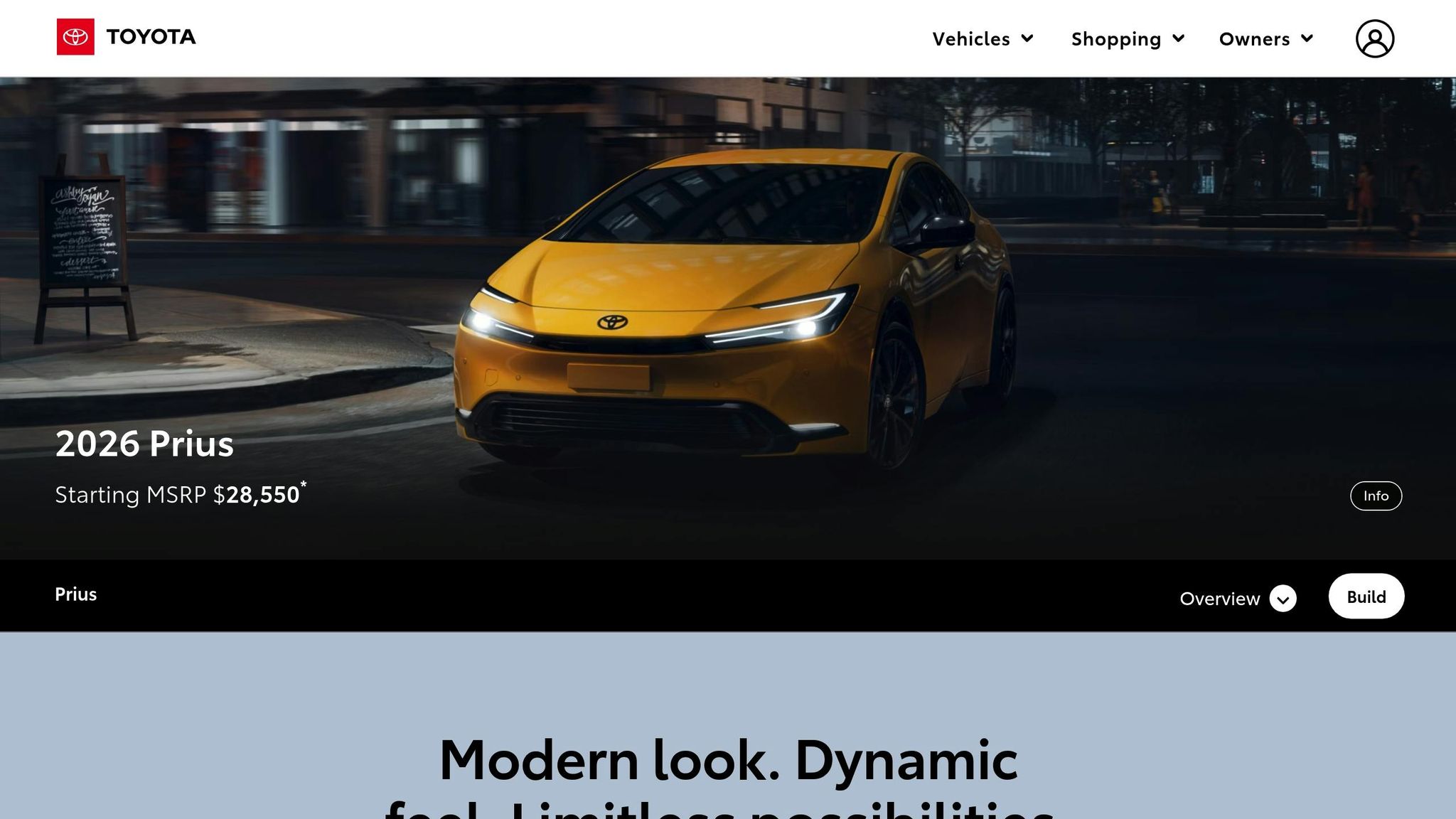
The 2026 Toyota Prius is a standout choice for those seeking a fuel-efficient hybrid, offering significant savings at the pump – a crucial benefit given current fuel prices. This fifth-generation model pairs a 2.0L 4-cylinder engine with Toyota’s hybrid technology, producing up to 196 net combined horsepower while keeping fuel consumption impressively low. But how does this translate to everyday driving?
On Kigali’s city streets, these features shine. The Prius’s regenerative braking system and drive modes, including ECO and EV, are tailored for stop-and-go urban driving. Its low center of gravity and aerodynamic design enhance efficiency, but the trade-off is reduced ground clearance, making it better suited for smooth, paved roads rather than rugged terrain. For those who occasionally venture off the beaten path, the available AWD option adds an extra layer of confidence.
Another key advantage lies in maintenance. Thanks to Toyota’s strong presence in Rwanda, local mechanics are well-versed in hybrid systems, and spare parts are readily available through dealerships.
As for pricing, the 2026 Prius starts at $28,550 USD for the base LE trim, though landed costs in Rwanda vary depending on the model year and condition . With its efficient fuel system, the Prius can cover up to 644.1 miles on a single tank, making it a practical and economical option for daily use.
2. Toyota Corolla Hybrid
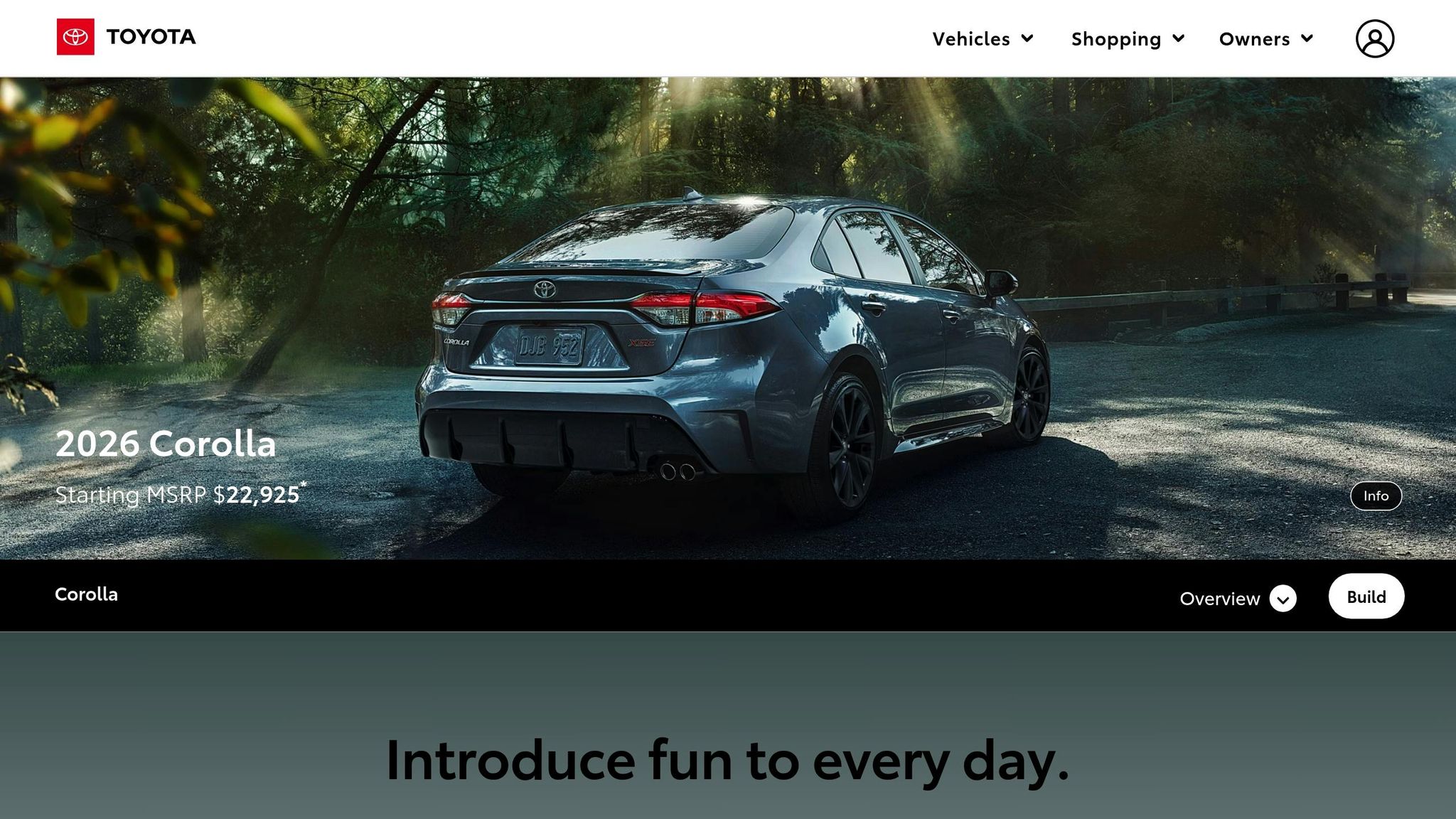
The Toyota Corolla Hybrid stands out with its excellent fuel efficiency, delivering approximately 4.5 L/100 km (about 52.3 mpg). This places it ahead of larger hybrids like the RAV4 (47 mpg) and Honda CR-V (44.4 mpg), though it falls short of the Prius’s 58.8 mpg. Whether you’re navigating Kigali’s city streets or heading out on the highway, these numbers translate to noticeable savings at the pump.
When it comes to handling different road conditions, ground clearance is worth noting. The standard Corolla Hybrid sedan sits lower to the ground, making it ideal for smooth, paved roads. On the other hand, the Corolla Cross Hybrid offers 8.1 inches of clearance, making it a better choice for tackling rougher terrain or unpaved roads often found outside urban areas. For primarily city driving, though, the sedan’s nimble handling and comfortable ride deliver a great experience.
Another big plus is Toyota’s extensive service network, which ensures maintenance is both easy and affordable – an important consideration for buyers looking for reliability and convenience.
In Rwanda, the Corolla Hybrid is priced between $19,500 and $35,000 USD, depending on the model year, trim level, and condition. This makes it a solid mid-range option, combining Toyota’s reputation for durability and low maintenance with long-term value – perfect for families and daily commuters alike.
3. Toyota RAV4 Hybrid
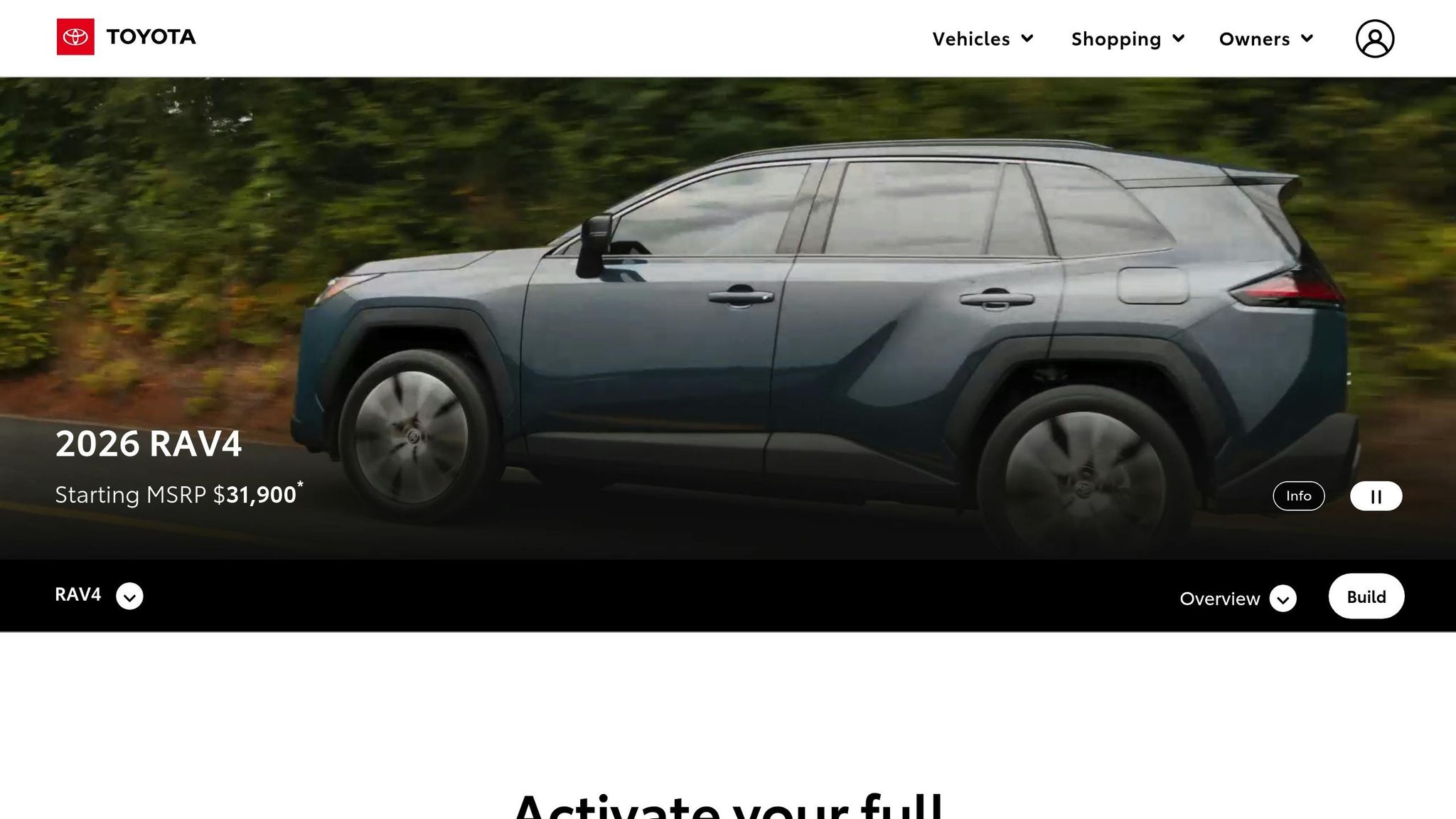
The Toyota RAV4 Hybrid stands out with impressive fuel efficiency, delivering 41 mpg in the city, 38 mpg on the highway, and 40 mpg combined (approximately 5.7–6.2 L/100 km). This makes it a cost-effective choice for drivers navigating Kigali’s stop-and-go traffic, where its electric motor shines by optimizing performance. The hybrid system, combining a 2.5-liter engine with electric motors, generates 219 horsepower, providing plenty of power to handle Kigali’s hilly terrain without sacrificing fuel economy.
This hybrid SUV is well-suited for Rwanda’s diverse road conditions. With Electronic On-Demand All-Wheel Drive (AWD-i) as a standard feature and 8.1 inches of ground clearance, the RAV4 Hybrid transitions smoothly from Kigali’s paved streets to rugged gravel roads in rural areas. Plus, Toyota’s strong service network in Rwanda ensures easy access to spare parts and knowledgeable mechanics, simplifying maintenance.
When it comes to cost, pricing depends on the model year and condition. Pre-owned models start at around $18,800 USD, while 2021–2023 versions are typically priced between $26,000 and $29,700 USD. If you’re eyeing the latest options, the 2025 models start at $31,000 USD for the LE AWD trim and go up to $38,600 USD for the Limited AWD trim. With its blend of performance, efficiency, and adaptability, the RAV4 Hybrid is a strong contender for Rwanda’s varied driving needs. Up next, we’ll dive into another competitive option.
4. Honda Fit Hybrid
The Honda Fit Hybrid offers impressive fuel efficiency, achieving 49.7 mpg in the city and 52.9 mpg on the highway (around 4.73–4.44 L/100 km), which translates to noticeable savings at the pump. Its 1.5-liter engine delivers an average of 21.15 km/L, making it particularly cost-effective for drivers in urban areas like Kigali.
This hybrid thrives in city settings thanks to its efficient design. However, it has some drawbacks when it comes to navigating Rwanda’s diverse terrain. Unlike SUVs like the RAV4 Hybrid, the Fit Hybrid has a lower ground clearance, which makes it ideal for smooth, paved roads but less suitable for rough, unpaved rural areas. If most of your driving takes place in Kigali or on highways, the Fit Hybrid is an excellent option. But for those who frequently travel to rural regions, a vehicle with greater ground clearance might be a better fit.
Aside from its performance, the Fit Hybrid also stands out for its practical features and ownership costs. Honda provides access to genuine parts, although maintenance expenses may be slightly higher. One standout feature is its "Magic Seats", which can be folded into various configurations. This makes it an incredibly practical choice for transporting goods, whether you’re navigating Kigali’s bustling markets or running errands in business districts.
When it comes to pricing, the Honda Fit Hybrid is an appealing choice for urban drivers. In Rwanda, mid-range models are priced between $18,500 and $33,000 USD, with duty-paid versions reaching up to $38,000 USD. Entry-level models start at approximately $11,000 USD. Moreover, buyers benefit from Rwanda’s 30% import duty reduction on hybrid vehicles, making it an attractive option for budget-conscious, city-based drivers.
5. Honda Vezel Hybrid

The Honda Vezel Hybrid stands out for its impressive fuel efficiency. The 2015 model boasts a fuel economy of 26.0 km/L (about 3.85 L/100 km or 61.15 mpg), while the 2018 all-wheel drive version offers 23.2 km/L (roughly 4.31 L/100 km or 54.57 mpg). These figures make it more efficient than larger competitors like the Toyota RAV4 Hybrid. With a 40-liter fuel tank, the Vezel Hybrid ensures you can cover long distances without frequent refueling.
Its design also makes it a great match for Rwanda’s diverse road conditions. The SUV body style provides higher ground clearance, making it suitable for everything from city streets to rural gravel roads. Buyers can choose between front-wheel drive and full-time all-wheel drive options, with the AWD version offering better traction on slippery or uneven surfaces.
Under the hood, the Vezel Hybrid is powered by a 1.5-liter engine paired with a 7-speed automatic transmission, delivering a good balance of fuel efficiency and reliable performance.
When it comes to pricing, the Honda Vezel Hybrid offers solid value for an SUV with such efficiency. Used models from 2015 to 2018 are typically priced between $20,000 and $28,000 USD, depending on the year, trim level, and mileage. Combined with Rwanda’s import duty reductions, the Vezel Hybrid becomes an attractive choice for both urban and rural drivers.
6. Hyundai Ioniq Hybrid
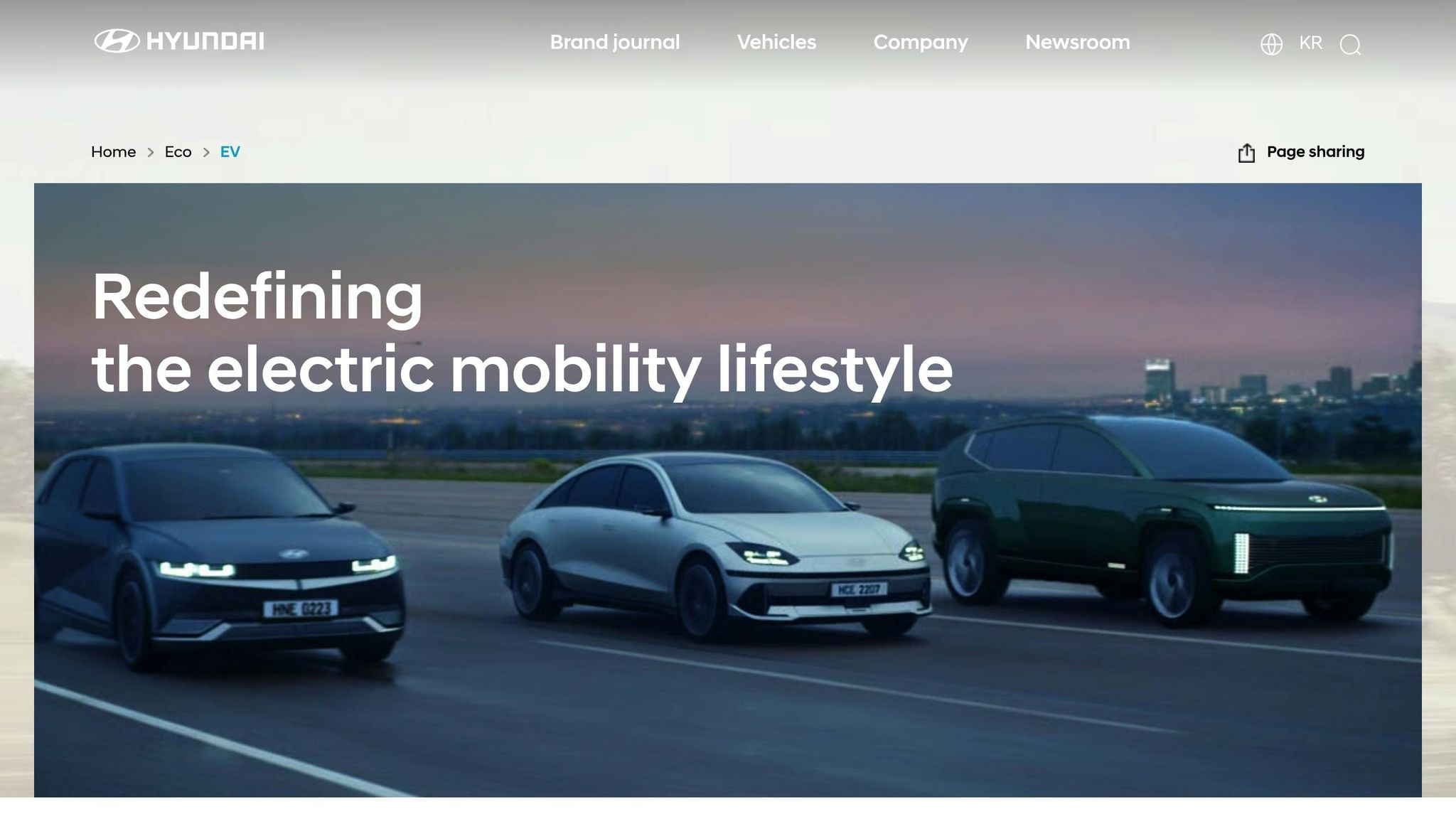
The Hyundai Ioniq Hybrid stands out for its impressive fuel efficiency. The 2019 model boasts a combined 55 mpg (around 4.28 L/100 km), while the Blue trim takes it up a notch with an impressive 58 mpg (approximately 4.05 L/100 km). These numbers make it a top contender for anyone prioritizing fuel savings, especially when compared to larger hybrid SUVs.
However, its design does come with trade-offs. The Ioniq’s lower ground clearance can be a disadvantage on Rwanda’s varied road conditions. As a sedan-style hatchback, it performs best on smooth, paved roads like those in Kigali. For drivers who frequently encounter rough or rural terrain, higher-riding options like the Honda Vezel or Toyota RAV4 Hybrid might be more practical.
On the bright side, owning a Hyundai in Rwanda has become increasingly convenient. The brand’s growing presence in the country means local dealerships are well-equipped to handle maintenance and provide spare parts. Additionally, the dramatic 237-fold surge in hybrid imports between 2021 and 2024 has helped build local expertise in servicing hybrid models like the Ioniq.
When it comes to pricing, the Ioniq Hybrid typically falls between $22,000 and $32,000 USD, depending on the model year and trim. Thanks to Rwanda’s 30% import duty reduction for hybrid vehicles, this car is more accessible than it might otherwise be. Up next, we’ll dive into more hybrid options tailored to Rwanda’s unique driving landscape.
sbb-itb-7bc66b5
7. Kia Niro Hybrid
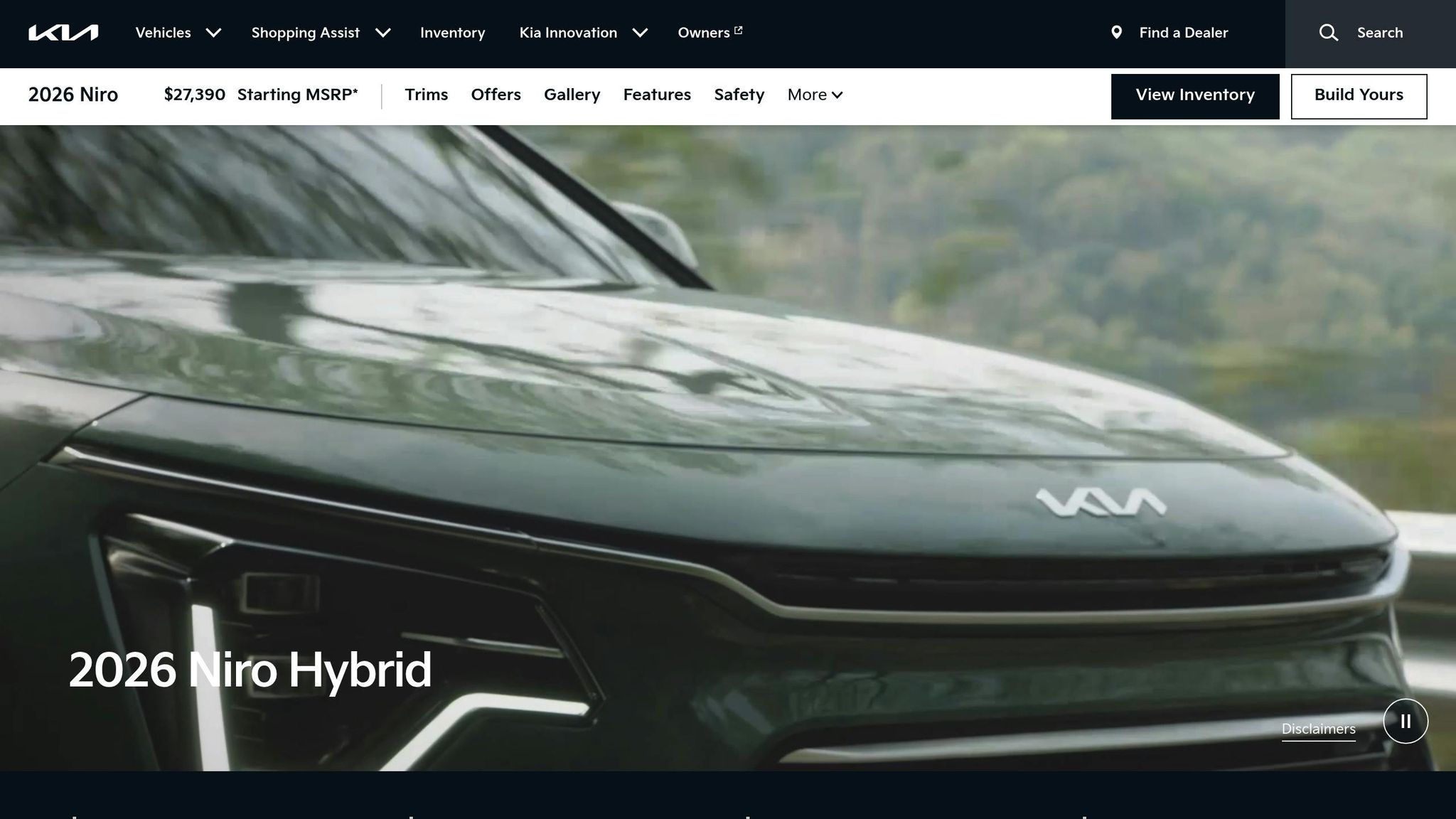
The Kia Niro Hybrid stands out as a practical choice for those seeking a fuel-efficient vehicle with a city-friendly design. It delivers impressive fuel economy, with an EPA-estimated 48–53 mpg combined (about 4.4–4.9 L/100 km). The LX trim is particularly noteworthy, achieving 53 mpg in the city and 54 mpg on the highway. This level of efficiency makes it a smart option for daily commuters, offering noticeable savings on fuel costs – especially in a bustling city like Kigali.
With a ground clearance of 6.3 inches (160 mm), the Niro Hybrid is well-suited for Kigali’s paved streets but may struggle on rough, unpaved rural roads. Its front-wheel-drive setup works best on well-maintained surfaces, so if your travels frequently take you off the beaten path, this might not be the ideal choice.
Akagera Motors, Kia’s main distributor in Rwanda, ensures reliable support for the Niro Hybrid. They provide access to official maintenance services, diagnostic tools, and genuine spare parts – a significant advantage given the growing popularity of hybrid vehicles in the region.
Pricing for the Kia Niro Hybrid starts at $27,390 USD for the base LX trim, with higher trims reaching up to $35,790 USD. Once imported to Rwanda, landed prices range between $28,000 and $38,000 USD. The vehicle also comes with a 10-year/100,000-mile warranty, covering both the car and its hybrid battery pack. With its blend of efficiency, affordability, and urban utility, the Niro Hybrid is a strong contender for Kigali drivers looking to make the switch to a hybrid.
8. Toyota Yaris Hybrid
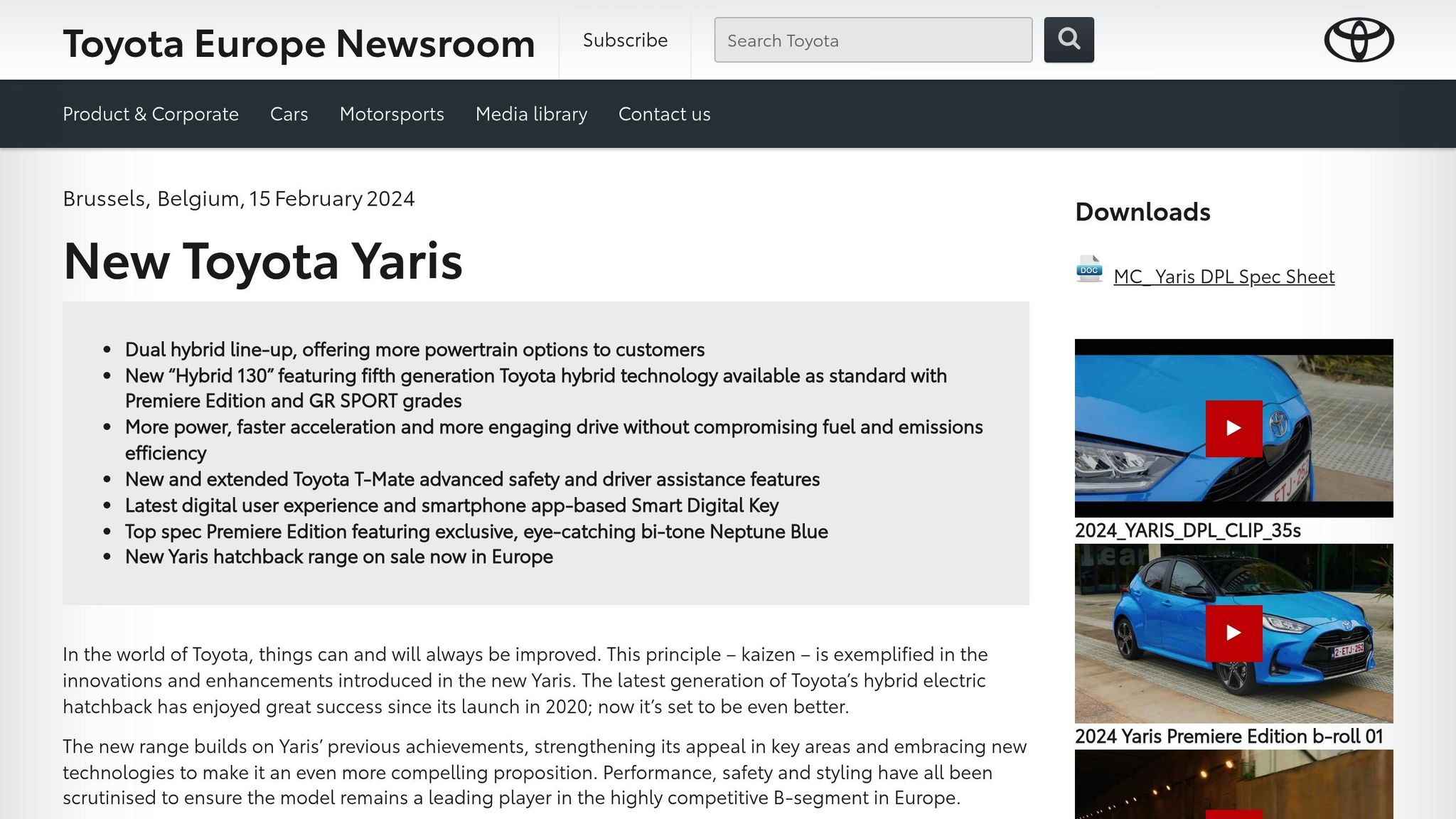
The Toyota Yaris Hybrid stands out as a fuel-efficient option in Rwanda, especially suited for city driving in Kigali. With a real-world average fuel economy of 46.5 mpg (around 5.06 L/100 km), it offers noticeable savings compared to larger hybrid SUVs. While some versions boast an impressive 85 mpg under ideal conditions, most drivers can expect the reliable 46.5 mpg figure.
Its compact size and ground clearance of about 5.3–5.7 inches (135–145 mm) make it perfect for Kigali’s smooth, well-maintained roads. However, it’s worth noting that the Yaris Hybrid might not be the best choice for navigating unpaved or steep terrain. That said, its design is ideal for urban settings, and Toyota’s strong local presence adds to its appeal.
Toyota’s extensive service network in Rwanda ensures that maintenance is straightforward. CFAO Mobility Rwanda (formerly Toyota Rwanda) handles official servicing, and spare parts are easy to find, whether through authorized dealers or Kigali’s bustling secondary market in Nyabugogo. Plus, mechanics across the country are well-versed in Toyota hybrids, which keeps upkeep costs manageable and predictable over time.
When it comes to pricing, the landed cost for a Toyota Yaris Hybrid typically falls between $18,000 and $27,000 USD, depending on the model year and condition. With Rwanda’s tax incentives for hybrid vehicles and the Yaris Hybrid’s reputation for reliability, it’s a smart choice for buyers looking to save on fuel without breaking the bank.
9. Toyota Camry Hybrid
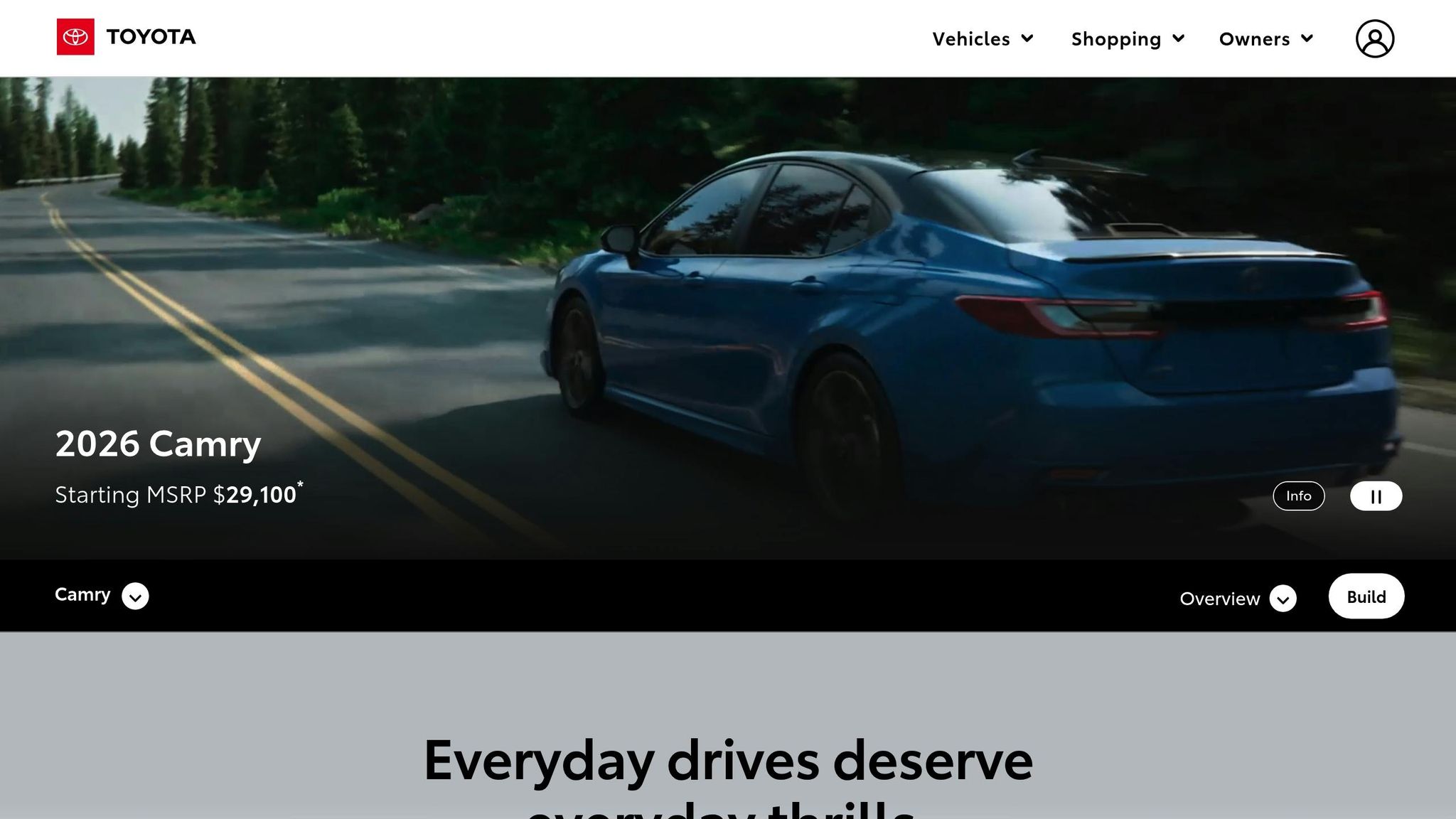
The Toyota Camry Hybrid combines the comfort of a mid-size sedan with impressive fuel efficiency. The 2026 LE trim boasts an EPA-estimated 52 mpg in the city and 49 mpg on the highway (around 4.6 L/100 km combined), while the sportier SE and XSE trims deliver approximately 47 mpg city and 45 mpg highway (roughly 5.0 L/100 km combined). This translates to a fuel consumption reduction of about 20–50% compared to standard gasoline vehicles, making it a practical choice for managing Kigali’s high fuel prices.
That said, the Camry Hybrid’s design – featuring a low, wide stance and sleek sedan profile – is best suited for urban roads and paved environments. Its limited ground clearance can be a drawback for drivers who often travel on unpaved rural roads. For those venturing beyond Kigali’s well-maintained streets, hybrid SUVs like the Toyota RAV4 Hybrid or the Corolla Cross provide better ground clearance and underbody protection.
In Rwanda, the Camry Hybrid is priced between $33,000 and $41,000 USD, based on recent 2025 model pricing. In the U.S., the same model ranges from about $29,000 for the base LE to $35,200 for the top XSE trim, excluding duties. Notably, the 2025 Camry earned Kelley Blue Book’s "Best New Model" award, praised for its refined performance and fully hybrid powertrain.
10. Chinese Compact Hybrid Sedans and Crossovers
Chinese hybrids, like the Dongfeng T5 HEV, present an affordable way to step into Rwanda’s growing hybrid vehicle market. This compact crossover boasts an impressive fuel efficiency of around 44.4 mpg (approximately 5.3 L/100 km).
With a price range of $34,000 to $38,000 USD, the T5 HEV falls into the mid-range category. Buyers in Rwanda benefit from support through Carcarbaba, the official dealer, which offers a 3-year/100,000 km warranty for the vehicle and a 5-year/100,000 km warranty for the battery. Spare parts are sourced directly from the Dongfeng Africa Export Base, and there are plans to establish a local assembly plant to improve parts availability in the future. The combination of dealer backing and detailed technical specifications makes this vehicle a solid contender in the market.
"Dongfeng Liuzhou Motor will support Carcarbaba in terms of providing spare parts. They also have a plan to set up an assembling plant in Rwanda in the near future." – Huang Sheng Wei, CEO of Dongfeng Africa Export Base
The T5 HEV comes equipped with a 349 V battery, delivers 280 N·m of torque, and measures 4,595 mm in length and 1,680 mm in height. It has received a five-star safety rating and is powered by an Electronically Controlled Continuously Variable Transmission (e-CVT). Buyers can also take advantage of promotional offers, including flexible payment plans, free insurance, and complimentary internet packages.
While the T5 HEV offers a lot of value for its price, potential buyers should weigh long-term considerations. These include the availability of spare parts over time and the vehicle’s resale value, especially when compared to more established Japanese brands. Chinese hybrids provide competitive pricing and local service options, but it’s always wise to think about future support and market trends.
Comparison Table
Here’s a quick overview of nine popular hybrid models available in Rwanda, highlighting their body type, fuel efficiency, price range, standout features, and potential drawbacks.
| Model | Body Type | Fuel Economy | Approx. Price Range (USD) | Strengths | Potential Concerns |
|---|---|---|---|---|---|
| Toyota Prius Hybrid | Hatchback | 59 mpg (4.0 L/100 km) | $27,000–$32,000 | Exceptional fuel efficiency; proven reliability | Low ground clearance, not ideal for rough roads |
| Toyota Corolla Hybrid | Sedan | 52 mpg (4.5 L/100 km) | $25,000–$30,000 | Affordable; easy to maintain; parts widely available | Interior features are fairly basic |
| Toyota RAV4 Hybrid | SUV | ~40 mpg (5.9 L/100 km) | $33,000–$38,500 | AWD for challenging terrain; spacious; strong resale value | Higher initial cost |
| Honda Fit Hybrid | Hatchback | 55 mpg (4.3 L/100 km) | $20,000–$24,000 | Compact and great for city parking; impressive cargo space | Limited availability of newer models |
| Honda Vezel Hybrid | Crossover | 50 mpg (4.7 L/100 km) | $26,000–$31,000 | Good ground clearance; sleek design | Smaller cargo space compared to the RAV4 |
| Hyundai Ioniq Hybrid | Sedan | 58 mpg (4.1 L/100 km) | $24,000–$28,000 | Close to Prius in efficiency; smooth ride | Dealer network is less established |
| Kia Niro Hybrid | Crossover | 49 mpg (4.8 L/100 km) | $28,000–$34,000 | Practical design; available through Akagera Motors | Cargo space is moderate |
| Toyota Yaris Hybrid | Hatchback | 56 mpg (4.2 L/100 km) | $22,000–$26,000 | Budget-friendly; easy to navigate in traffic | Limited rear legroom |
| Toyota Camry Hybrid | Sedan | 46 mpg (5.1 L/100 km) | $32,000–$38,000 | Luxurious comfort; strong acceleration | Less suited for unpaved roads |
| Dongfeng T5 HEV | Crossover | 44 mpg (5.3 L/100 km) | $34,000–$38,000 | Affordable entry point; local dealer support | Long-term reliability is yet to be proven |
This table can help you pinpoint the hybrid that best suits your lifestyle. If you’re on a budget, the Honda Fit or Toyota Yaris offer great efficiency without breaking the bank. Families might lean toward the spacious Toyota RAV4 or Honda Vezel for practicality. Meanwhile, buyers looking for premium features and performance will find the Toyota Camry a compelling option.
Conclusion
Rwanda’s hybrid vehicle market has grown significantly, bringing a wide variety of options to consumers. From budget-friendly models to high-end hybrids packed with advanced features, there’s something for everyone. Whether you’re cruising through Kigali’s bustling streets or venturing into the countryside, you’ll find a hybrid vehicle that fits your lifestyle.
This growth has opened up opportunities for buyers across different income levels. Hybrids not only deliver impressive fuel efficiency and lower operating costs but also contribute to reducing emissions. The market now caters to eco-conscious buyers with a range of choices, and dealers are stepping up with dependable after-sales support. If you’re looking to save money, used hybrids are a great option, offering affordability without compromising on efficiency.
Take the time to compare trim levels, schedule test drives, and assess warranty and maintenance packages. The variety of options reflects Rwanda’s commitment to greener transportation. Use the table above to weigh factors like fuel economy, storage capacity, and off-road performance to find the right fit.
For more updates, keep an eye on our WhatsApp channel, where you’ll find exclusive deals and expert automotive insights. We also collaborate with trusted partners like Auto24.rw to provide guidance, ensuring you make informed decisions in this growing market.
FAQs
What tax advantages are available for hybrid cars in Rwanda?
The Rwandan government has introduced tax breaks to make hybrid cars more accessible. Right now, hybrid vehicles benefit from no import duties, excise duties, or Value-Added Tax (VAT) – and that includes their spare parts. This approach has led to a noticeable increase in hybrid imports, all while encouraging greener transportation choices.
But changes are on the horizon. Starting July 1, 2025, VAT will return for hybrids, and import duties will no longer be fully exempt, though they will shift to reduced rates. Even with these adjustments, hybrid cars will still enjoy lower excise taxes, keeping them a more affordable option compared to traditional gas-powered vehicles.
For now, these tax incentives make hybrid cars a smart choice for anyone in Rwanda looking to save money while making environmentally friendly decisions.
Why is ground clearance important when choosing a hybrid car in Rwanda?
Ground clearance plays a key role when choosing a hybrid car in Rwanda, especially given the road conditions outside Kigali. Many roads in rural areas are uneven, riddled with potholes, or unpaved, making low-clearance vehicles more vulnerable to damage. A higher ground clearance not only shields the car’s underbody, suspension, and drivetrain but also helps minimize repair costs and ensures a more comfortable drive on challenging terrain.
Take hybrid SUVs or crossovers as an example. Models like the Toyota Corolla Cross Hybrid, which boasts an 8-inch clearance, are highly sought after. They strike a great balance between fuel efficiency and the ability to tackle rough roads, making them well-suited for Rwanda’s varied driving conditions. This feature becomes even more important in rural areas, where hybrids remain the go-to option due to the lack of charging infrastructure for fully electric cars.
What should I look for when buying a used hybrid car in Rwanda?
When buying a used hybrid car in Rwanda, the first step is to figure out your budget. Popular choices like the Toyota Prius, Corolla Hybrid, Honda Fit, and Toyota RAV4 Hybrid typically fall between $8,500 and $22,000, depending on factors like age and mileage. For example, the Toyota Prius, famous for its fuel efficiency (around 50–54 MPG), usually costs between $10,000 and $18,000. While the upfront cost might seem high, consider the potential fuel savings – many owners report saving up to $840 per year.
You’ll also want to factor in taxes and maintenance costs. In Rwanda, excise duties on imported hybrids depend on the car’s age: 5% for vehicles up to 3 years old, 10% for those between 3 and 8 years old, and higher rates for older models. Maintenance can be another consideration, as used hybrids might need more frequent servicing. Be sure to check the car’s mileage, service history, and the availability of skilled technicians and genuine parts. For instance, a 2023 RAV4 Hybrid with 40,000 km on the odometer might require a thorough inspection before purchase.
Finally, think about how well the car fits your lifestyle and needs. Compact hybrids like the Toyota Prius or Honda Fit are perfect for city driving, offering excellent fuel efficiency and easy maneuverability. On the other hand, hybrid SUVs such as the Toyota RAV4 or Honda CR-V are better suited for families or navigating rural roads, thanks to their larger size and higher ground clearance. Before sealing the deal, always check the battery’s condition, ensure the title is clear, and verify that all import paperwork is complete. By carefully weighing cost, taxes, and practicality, you can find a hybrid that’s both economical and well-suited for Rwanda’s roads.
Related Blog Posts
- Cheapest cars to maintain in Rwanda
- Top 5 Most Fuel-Efficient Cars to Drive in Rwanda
- Hybrid Cars in Rwanda: Prices and Benefits
- Top 10 budget cars in Rwanda in 2026 (best value models)