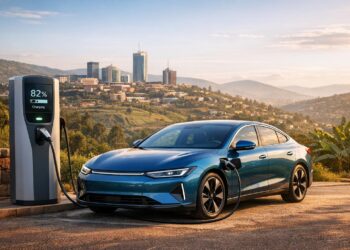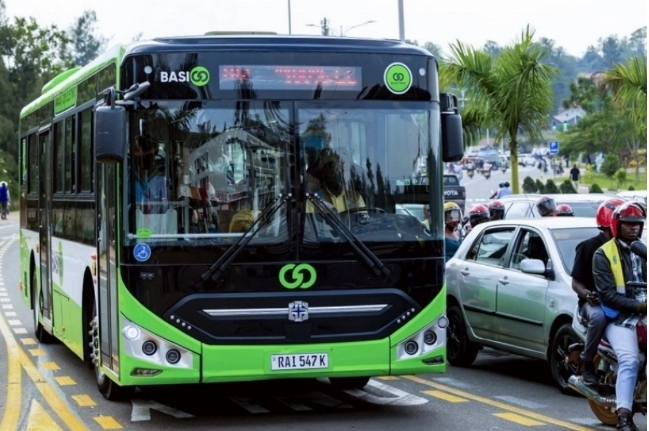
As of April 14, 2026, the Ministry of Infrastructure (MININFRA) has officially shifted the gears of Rwanda’s transport sector. In a bold move toward sustainability, all public entities are now instructed to prioritize Electric Vehicles (EVs) in their procurement plans. This mandate signals a decisive end to the era of internal combustion engine (ICE) dominance in the public sector, with exceptions granted only under rare, specialized circumstances.
For the average Rwandan citizen and government official alike, this isn’t just a policy change—it’s a lifestyle shift. Here is everything you need to know about this transition and how it impacts the local automotive landscape.
The Core of the Mandate: Why Now?
The directive aims to slash national carbon emissions and reduce the heavy fiscal burden of fuel imports. By making EVs the default choice for government fleets, Rwanda is positioning itself as a regional leader in the green revolution.
Under these new rules:
- Default Procurement: All new vehicle requisitions must be for electric models.
- Strict Exceptions: Procurement of petrol or diesel vehicles now requires rigorous justification and special approval from the Ministry.
- Infrastructure Growth: This move is expected to trigger a massive rollout of public charging stations across Kigali and secondary cities.
For those keeping an eye on the broader market, staying informed is key. You can stay updated on the latest policy shifts and automotive trends by visiting automag.rw, the go-to platform for Rwandan drivers and enthusiasts seeking car reviews and travel guides.
Navigating the Transition: From Public to Private
While the mandate specifically targets public entities, the “ripple effect” will benefit the private sector. As the government builds out charging infrastructure, EVs become a more viable option for everyone.
If you are a private buyer looking to join this movement, you don’t necessarily have to buy brand new. To find second-hand cars suitable for these conditions, check out auto24.rw. Even as the public sector goes electric, the local market remains vibrant with reliable used options like the Toyota RAV4 or Suzuki Vitara, which are perfect for navigating Rwanda’s hilly terrain while the EV market matures.
Furthermore, for drivers looking to explore sustainable mobility beyond local stock, EV24.africa offers import options for electric cars, expanding choices in high-performance EVs that meet the specific needs of Rwandan roads.
Essential Care Tips for Your New Electric Fleet
Electric vehicles require a different kind of “TLC” compared to traditional cars. Whether you are managing a government fleet or your own personal EV, keep these tips in mind:
1. Battery Health is Wealth
Avoid letting your battery drop below 20% or charging it consistently to 100%. Staying within the 20%-80% range significantly extends the lifespan of the lithium-ion cells.
2. Mind the Regenerative Braking
EVs use regenerative braking to recover energy. While this saves your brake pads, it changes the driving feel. Practice gradual deceleration to maximize energy return to the battery.
3. Cooling Systems
Unlike petrol engines, EVs have complex thermal management systems to keep the battery cool. Ensure your coolant levels are checked during routine inspections to prevent overheating during long climbs up Mount Kigali.
Pro Tip: Always use the manufacturer-recommended charging cable. Using third-party, low-quality cables can lead to electrical faults or slower charging speeds.
The Road Ahead
The April 14 directive is a milestone in Rwanda’s journey toward the Vision 2050 goals. As public officials trade their keys for silent, emission-free motors, the message is clear: the future of Rwandan transport is electric.
If you’re interested in how this affects vehicle maintenance costs or want to see more detailed comparisons, Read more here about the cost-benefit analysis of EVs in the Rwandan market. You can also Discover additional tips on how to prep your home for an EV charger installation.