Rwanda’s transformation into one of Africa’s most progressive nations is reflected in its expanding road infrastructure. From the smoothly paved boulevards of Kigali to the scenic mountain passes connecting remote villages, driving in Rwanda offers a unique blend of urban sophistication and rural adventure. However, with this diversity comes the responsibility to adapt your driving style to varying conditions and challenges.
Whether you’re a long-term resident navigating daily commutes, a new driver getting familiar with local roads, or a visitor exploring the country’s stunning landscapes, understanding safe driving practices is essential. Road safety isn’t just about following rules—it’s about anticipating challenges, respecting other road users, and ensuring that every journey ends safely. Here are seven essential tips that will help you drive with confidence and caution across Rwanda’s diverse terrain.
1. Understand Rwanda’s Road Network and Terrain Variations
Rwanda has invested significantly in road infrastructure over the past decade, resulting in well-maintained highways that connect major urban centers. Routes linking Kigali to destinations like Musanze in the north, Huye in the south, and Rubavu near Lake Kivu feature quality asphalt surfaces and clear road markings. These main arteries generally provide comfortable driving experiences with predictable conditions.
However, venture beyond these primary routes, and you’ll encounter a different reality. Rural and secondary roads can vary dramatically in quality. Some remain unpaved, featuring loose gravel or compacted earth that becomes treacherous when wet. The country’s famous hills mean that many roads include steep gradients, sharp curves, and limited visibility around bends.
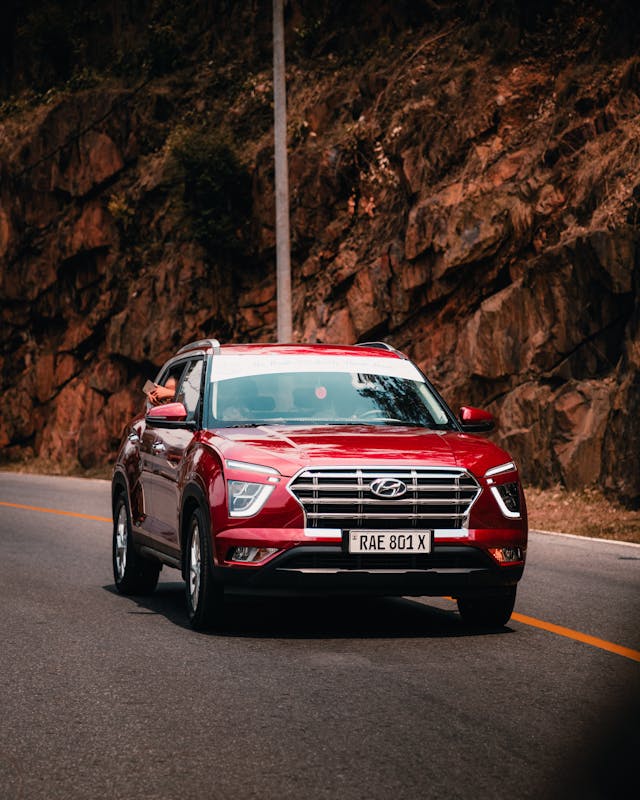
Before embarking on journeys to less-traveled areas, research your route thoroughly. Vehicles with higher ground clearance and robust suspension systems—such as SUVs or crossovers—handle these conditions far better than low-riding sedans. Reduce your speed significantly on unpaved surfaces, watch for erosion channels that can damage undercarriages, and remain alert for pedestrians, livestock, and cyclists who share these rural roads.
Planning a countryside adventure? Browse auto24.rw to find suitable vehicles like the Toyota RAV4, Mitsubishi Pajero, or Nissan X-Trail—models commonly available in Rwanda that offer the capability needed for both city streets and rural exploration.
2. Master Local Traffic Regulations and Enforcement
Rwanda takes road safety seriously, and traffic law enforcement reflects this commitment. Police checkpoints are common, and violations carry substantial fines that can quickly turn an oversight into an expensive mistake. Understanding and consistently following traffic regulations isn’t optional—it’s fundamental to safe and legal driving.
Key rules every driver must observe include mandatory seatbelt use for all occupants, strict zero-tolerance policies for drinking and driving, and adherence to posted speed limits. Urban speed limits typically range from 40 to 60 kilometers per hour depending on the specific zone, while highways permit speeds up to 100 kilometers per hour. However, always adjust your speed to match actual conditions rather than simply following the maximum allowed speed.
Mobile phone use while driving is prohibited unless you’re using hands-free technology. Children must be properly secured in age-appropriate restraints. Overtaking is only permitted where road markings and signs explicitly allow it, and you must always yield to pedestrians at designated crossings.
For comprehensive updates on traffic regulations, enforcement practices, and driving-related news specific to Rwanda, automag.rw provides regularly updated information that helps drivers stay informed about any changes to local laws and safety recommendations.
3. Navigate Urban Traffic with Patience and Awareness
Kigali’s streets present their own unique challenges. The capital has experienced rapid growth, and while infrastructure development continues, peak hours bring significant congestion. Morning rush periods between 7:00 and 9:00 AM, and evening hours from 5:00 to 7:00 PM see particularly heavy traffic volumes.
The mix of vehicles adds complexity to urban driving. Motorcycle taxis weave through traffic, minibus taxis make frequent stops to collect passengers, and private vehicles compete for limited road space. This environment demands constant vigilance and defensive driving techniques.
Maintain generous following distances to allow reaction time for unexpected stops. Anticipate that vehicles ahead might brake suddenly near markets, schools, or bus stops. Use your mirrors frequently and check blind spots before changing lanes. Signal your intentions clearly and well in advance of any maneuver.
Motorcycle taxi riders are skilled but sometimes unpredictable in their movements. Give them extra space and never attempt to squeeze past them in narrow gaps. Patience reduces stress and prevents accidents. Remember that aggressive driving saves minimal time while dramatically increasing risk.
Roundabouts are common in Kigali and require specific etiquette. Yield to traffic already circulating, signal your exit, and maintain a steady, predictable path through the circle. If you’re unfamiliar with a particular roundabout’s layout, it’s better to complete an extra circuit while getting oriented than to make sudden lane changes.
4. Adapt Your Driving During Rwanda’s Rainy Seasons
Rwanda experiences distinct wet periods from March through May and again from September through December. These rainy seasons transform driving conditions dramatically and require immediate adjustments to your technique and preparation.
Wet roads significantly reduce tire traction, extending braking distances and making skidding more likely. Before the rains arrive, inspect your tires for adequate tread depth—worn tires are dangerous on wet surfaces. Check that windshield wipers function properly and replace them if they leave streaks or miss areas. Ensure all lights work correctly, as visibility becomes crucial during heavy downpours.
When driving in rain, reduce your speed substantially below normal limits. Increase following distances to account for longer stopping requirements. Use headlights to improve your visibility to other drivers, but avoid high beams in heavy rain as they create glare. If rainfall becomes so intense that you cannot see clearly, find a safe place to pull over and wait for conditions to improve.
Be particularly cautious of standing water. What appears as a shallow puddle might conceal a deep pothole or washed-out section of road. Never drive through water if you cannot see the road surface beneath it. Hydroplaning—where tires lose contact with the road and skim across water—can occur at speeds as low as 50 kilometers per hour on flooded surfaces.
After passing through water, test your brakes gently to ensure they’re functioning properly, as water can temporarily reduce braking effectiveness.
5. Prioritize Regular Vehicle Maintenance
Your vehicle’s mechanical condition directly impacts your safety on Rwanda’s roads. Preventive maintenance isn’t just about avoiding breakdowns—it’s about ensuring that critical safety systems function when you need them most.
Establish a regular maintenance schedule based on your vehicle manufacturer’s recommendations. Key systems requiring consistent attention include brakes, which should provide firm, responsive stopping power without noise or vibration. Check brake fluid levels and pad thickness regularly. Tires need monthly pressure checks and should be rotated according to the manufacturer’s schedule to ensure even wear.
Engine oil and filters require regular replacement to maintain engine health and efficiency. Cooling systems prevent overheating, especially important when climbing Rwanda’s steep hills. Suspension components absorb road irregularities and maintain vehicle stability. Lights and signals ensure you can see and be seen, particularly crucial during rainy periods or nighttime driving.
For city-focused driving where fuel economy matters, models like the Toyota Corolla, Suzuki Swift, or Honda Fit offer reliability and efficiency. These vehicles are well-represented in Rwanda’s market, making parts availability and service expertise easier to find.
Keep detailed maintenance records. This documentation helps track when services are due, provides valuable information if problems develop, and significantly improves resale value when you eventually sell the vehicle.
6. Exercise Extra Caution During Nighttime Travel
Driving after dark in Rwanda presents unique challenges that demand heightened awareness and modified techniques. Limited street lighting outside urban centers, combined with the presence of pedestrians and cyclists without reflective gear, creates potentially dangerous situations.
Use your headlights appropriately—low beams in traffic and populated areas to avoid blinding other drivers, high beams on empty rural roads where they illuminate greater distances. Always dip your beams when approaching oncoming traffic. Clean your headlight lenses regularly, as dirt and grime significantly reduce their effectiveness.
Reduce your speed at night below what you’d drive during daylight hours on the same road. Your vision is limited to what your headlights illuminate, and unexpected obstacles—pedestrians, animals, or road damage—may appear suddenly. Watch road edges for pedestrians who often walk facing away from traffic.
Avoid nighttime travel on unfamiliar rural roads whenever possible. If you must drive at night in remote areas, inform someone of your route and expected arrival time. Keep your fuel tank at least half full in case you encounter detours or other delays. Carry a charged mobile phone, flashlight, and basic emergency supplies.
If you feel drowsy while driving at night, find a safe, well-lit area to rest. Fatigue dramatically impairs reaction time and decision-making, making accidents far more likely.
7. Use Technology Wisely Without Becoming Dependent
Modern navigation applications like Google Maps, Waze, and others provide tremendous convenience for finding destinations and avoiding traffic congestion. However, these tools have limitations that drivers must understand, particularly in Rwanda’s context.
GPS mapping may not reflect the most current road conditions, especially on secondary routes. A road shown on your device might be impassable due to recent damage, construction, or seasonal flooding. Suggested routes sometimes prioritize distance over practicality, directing you onto difficult tracks when better alternatives exist.
Use navigation apps as helpful guides rather than absolute authorities. Before following an unfamiliar route, cross-reference it with local knowledge when possible. If a suggested path looks questionable based on your vehicle’s capabilities or your comfort level, choose an alternative even if it’s longer.
Download offline maps for areas you’ll be traveling through, as mobile data coverage remains inconsistent in some rural regions. Keep your device charged, but don’t rely solely on electronic navigation. Carry a physical map as backup, and don’t hesitate to ask locals for directions—Rwandans are generally helpful and welcoming to visitors seeking assistance.
Avoid manipulating your phone or navigation device while the vehicle is moving. Program destinations before departure, or pull over safely if you need to make adjustments while en route.
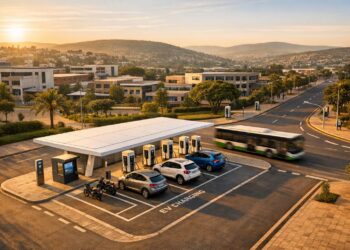
As Rwanda continues developing its automotive sector and infrastructure, drivers interested in sustainable transportation options might explore EV24.africa, which specializes in electric vehicle imports. While EV charging infrastructure in Rwanda is still emerging, electric vehicles represent an exciting future direction for environmentally conscious drivers as the country pursues its green development objectives.
Building Safer Roads Together
Safe driving in Rwanda requires more than just technical skill—it demands awareness, preparation, respect for others, and consistent adherence to proven safety practices. Whether navigating Kigali’s busy intersections, tackling mountain roads to Volcanoes National Park, or exploring the Eastern Province’s rolling hills, the principles remain constant: drive defensively, maintain your vehicle properly, and adjust your approach to match conditions.
Every journey you complete safely contributes to Rwanda’s broader road safety culture. By following these essential tips and encouraging others to do the same, you help make the roads safer for everyone—drivers, passengers, pedestrians, and cyclists alike.
Frequently Asked Questions About Driving in Rwanda
What are the most common causes of traffic accidents in Rwanda?
Excessive speed remains the leading cause of accidents, particularly on highways where drivers exceed safe limits. Reckless overtaking on blind curves or hills creates head-on collision risks. Poor vehicle maintenance, especially worn tires and faulty brakes, contributes significantly to preventable accidents. Driver distraction from mobile phone use and failure to observe traffic signals also rank among top causes. During rainy seasons, accidents spike due to reduced visibility and slippery road conditions that drivers fail to account for properly.
Are roadside assistance and emergency services readily available?
In Kigali and major urban centers, numerous garages and towing services operate with reasonable response times. However, coverage becomes limited in rural areas where facilities are sparse. Mobile phone networks cover most populated areas, allowing you to call for help, but physical response times increase significantly outside cities. It’s advisable to join an automotive association if available, carry contact information for reputable service providers, and maintain basic emergency supplies in your vehicle including a spare tire, jack, warning triangle, and first aid kit.
How easy is it to rent vehicles in Rwanda?
Rwanda’s tourism growth has expanded the car rental industry significantly. Numerous agencies operate in Kigali, offering everything from economy cars to large SUVs and safari vehicles. Most companies provide options for self-drive rentals or vehicles with professional drivers, depending on your comfort level with local driving conditions. Rental requirements typically include a valid driver’s license (international licenses are accepted), minimum age requirements (usually 23-25 years), and credit card for security deposits. Prices vary based on vehicle type, rental duration, and whether you include a driver.
Do I need an international driving permit to drive in Rwanda?
Foreign visitors can drive in Rwanda using their home country’s valid driver’s license for short stays, though an International Driving Permit (IDP) is recommended and sometimes required by rental agencies. If you plan to stay long-term or establish residency, you’ll need to obtain a Rwandan driver’s license by taking the local driving test. Requirements and procedures are available through the Rwanda National Police website and local driving schools that can assist with the application process.
What should I do if I’m involved in a traffic accident?
If you’re in an accident, remain calm and immediately activate your hazard lights. If possible and safe, move vehicles to the roadside to avoid blocking traffic. Check for injuries and call emergency services (dial 912) if anyone needs medical attention. Exchange contact and insurance information with other parties involved. Take photos of vehicle damage, road conditions, and the accident scene from multiple angles. For any accident involving injury or significant property damage, wait for police to arrive and file an official report—this documentation is essential for insurance claims. Never admit fault at the scene, as liability determination is best left to insurance companies and authorities after proper investigation.
Is Rwanda’s road infrastructure suitable for long-distance travel?
Rwanda’s main highways connecting major cities are generally excellent and suitable for long-distance travel in standard passenger vehicles. These routes feature good asphalt surfaces, clear signage, and regular maintenance. However, journeys to more remote destinations, particularly in mountainous regions or border areas, may involve rougher roads where higher-clearance vehicles provide significant advantages. Plan long trips with consideration for your vehicle’s capabilities, carry extra fuel in areas where stations are sparse, and allow generous time estimates as mountainous terrain makes travel slower than flat-country distances might suggest.
What are fuel prices like in Rwanda, and where can I refuel?
Fuel stations are abundant in Kigali and along major highways, operated by brands like Mount Meru, Kobil, SP, and Total. Prices are regulated by the government and remain relatively stable, though they’re generally higher than in neighboring countries due to Rwanda’s landlocked status and importation costs. Stations accept cash and increasingly offer mobile money payment options. When traveling to rural areas, fill your tank whenever possible as distances between stations increase significantly outside urban corridors. Diesel and petrol are widely available, but specialized fuels may be limited in remote regions.