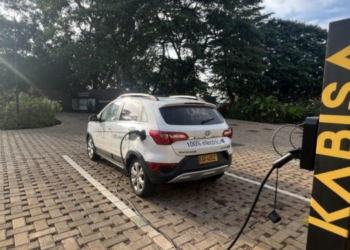
In 2025, Rwanda’s car market saw Toyota leading with models like the Corolla, RAV4, and Land Cruiser Prado. These cars thrived due to reliability, fuel efficiency, and affordability. However, hybrid and electric vehicles gained momentum, driven by government incentives like zero import duties for eco-friendly cars. Suzuki and BYD also made notable strides, with the Swift and Dolphin appealing to cost-conscious and environmentally aware buyers. Looking ahead to 2026, the market is expected to shift further toward hybrids and EVs, supported by local manufacturing and infrastructure growth.
Key Highlights:
- Toyota Corolla: Affordable, efficient (35 MPG), and low ownership costs.
- Toyota RAV4: Popular SUV with hybrid options and strong resale value.
- Toyota Land Cruiser Prado: Rugged yet refined, now with mild-hybrid tech.
- Suzuki Swift: Budget-friendly, fuel-efficient, and ideal for city driving.
- Suzuki Grand Vitara: Hybrid SUV with low maintenance costs.
- BYD Dolphin: Affordable EV, aligning with Rwanda’s clean energy goals.
- Kia Sportage: Stylish SUV with hybrid options and advanced features.
2026 Trends:
- Increased hybrid and EV adoption.
- Growth in local car assembly to reduce costs.
- Expanding infrastructure to support eco-friendly vehicles.
1. Toyota Corolla
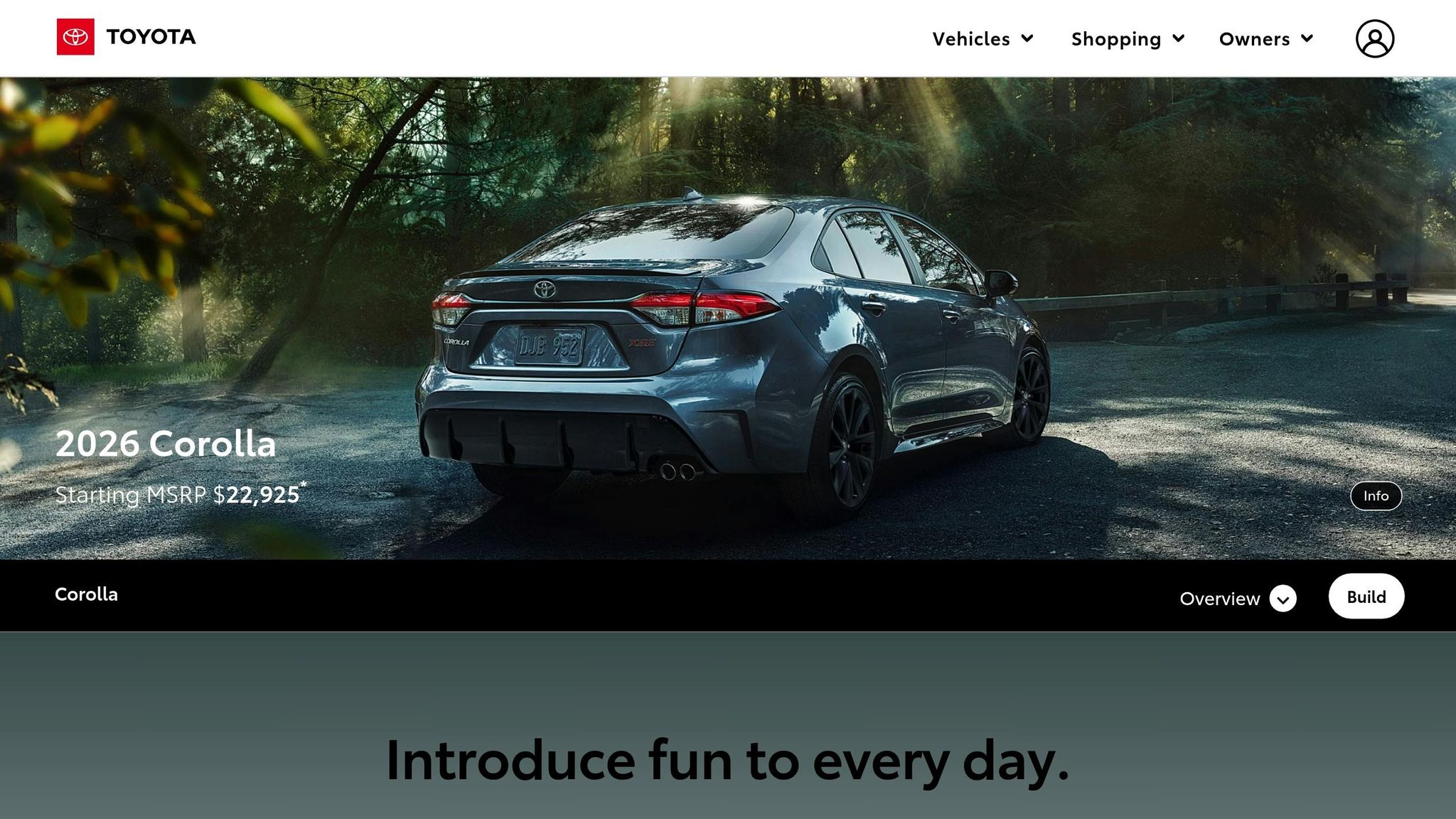
The Toyota Corolla continued to shine as one of Rwanda’s top-selling cars in 2025, even as the market began leaning toward hybrid vehicles. Its popularity stems from a mix of affordability, dependability, and impressive fuel efficiency – qualities that resonate strongly with buyers navigating rising fuel prices and economic challenges. Here’s a closer look at why the Corolla remains a standout choice.
The 2025 Corolla LE delivers an overall fuel economy of 35 mpg (32 mpg city/41 mpg highway), making it one of the most efficient non-hybrid cars on the market. With a starting price of $23,460, it offers excellent value for budget-conscious consumers. Its efficiency translates to lower running costs, a key concern for many buyers. According to Kelley Blue Book, the Corolla ranks "in the top 10% for Cost to Own among all Compact Cars", with an estimated five-year ownership cost of $48,223.
Rwanda’s decision in April 2025 to implement engine-size-based registration fees further boosted the Corolla’s appeal. Its smaller, fuel-efficient engine means lower registration costs compared to larger SUVs and trucks. Additionally, the Corolla holds its value well, depreciating around $13,312 over five years while retaining a resale value of $10,148.
As Rwanda’s push for green energy gains momentum, the Corolla faces growing competition from hybrid imports and government policies favoring electrified vehicles. Toyota’s hybrid Corolla models are expected to play a key role in adapting to this shift, helping the brand maintain its market position.
The Corolla also scores well with both experts and consumers, earning a 4.5/5 expert rating and a 4.1/5 consumer rating based on 99 reviews. Buyers often highlight its reliable performance and advanced technology features, making it a consistent favorite in its class.
2. Toyota RAV4
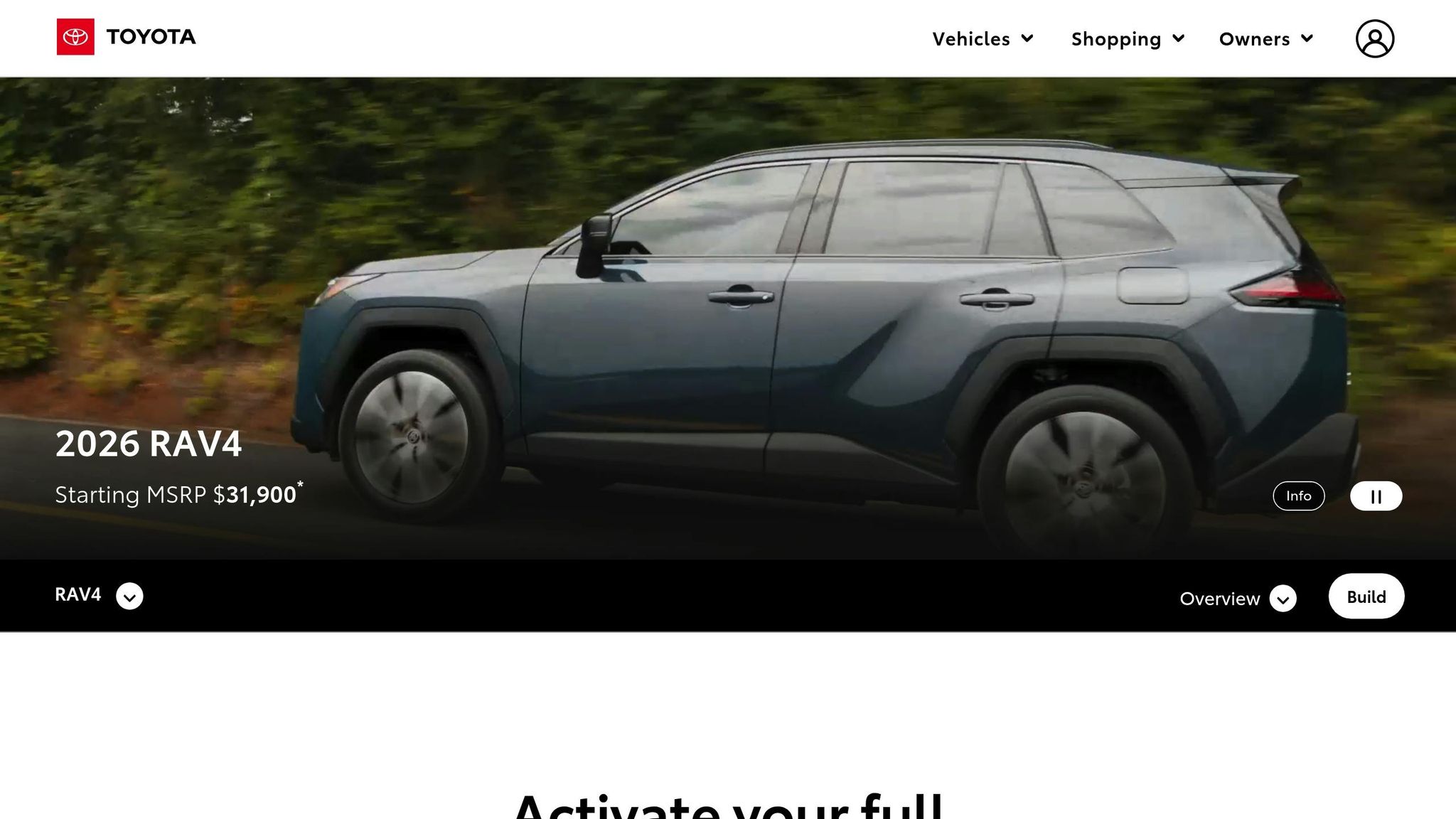
The Toyota RAV4 has solidified its place as one of Rwanda’s best-selling SUVs in 2025, appealing to buyers looking for a vehicle that balances space and versatility. With a starting price of around $37,692 for a new model, it offers a practical option for both families and businesses. This mix of affordability and performance has made the RAV4 a standout choice as consumer preferences continue to evolve.
Over a five-year period, the total ownership cost of the RAV4 is estimated to be about $35,894. Depreciation accounts for 29% of the cost, or roughly $10,377, leaving the vehicle with an impressive residual value of about $27,315 (72.5%). Maintenance and repair expenses remain low, averaging under $2,000 over five years. Additionally, the RAV4 delivers solid fuel efficiency, with most trims achieving between 28 and 30 mpg.
For buyers considering larger engine options, recent changes in registration fees have added an extra layer of cost to think about. However, the hybrid versions of the RAV4 have gained significant traction, prompting major dealers to focus more on these eco-friendly options. This shift aligns well with changing market dynamics and policies, further enhancing the RAV4’s strong position.
Adding to its appeal, the RAV4 received an A+ value rating from CarEdge. Its combination of low maintenance costs, excellent resale value, and reliable fuel efficiency continues to make it a top pick in Rwanda’s competitive SUV market. As environmental concerns become more important to buyers, these attributes reinforce the RAV4’s reputation for resilience and relevance in a fast-changing landscape.
3. Toyota Land Cruiser Prado
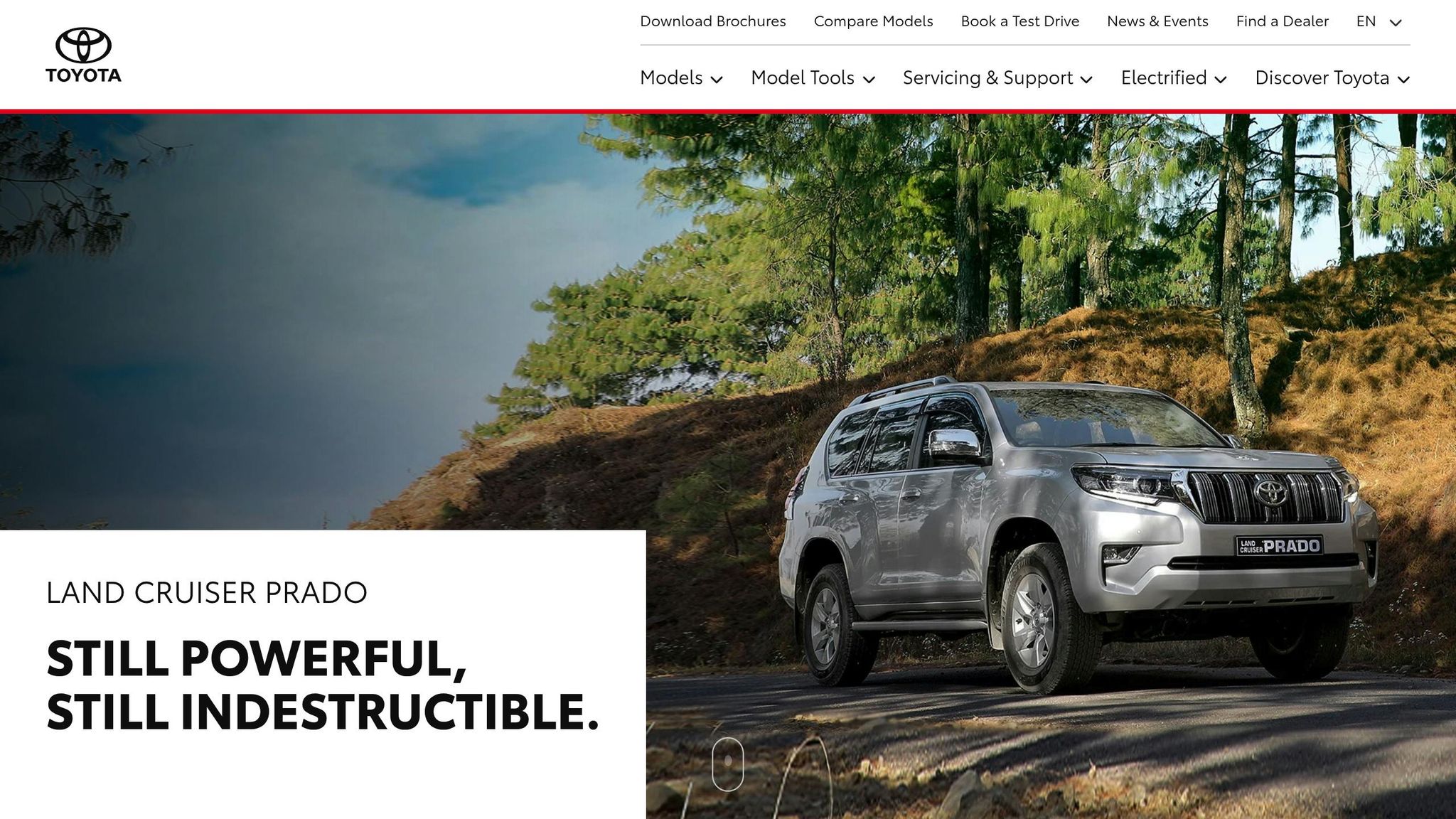
The Toyota Land Cruiser Prado continues to stand out as a symbol of durability and versatility, hallmarks of the Toyota brand. Its popularity soared in Rwanda in 2025, largely thanks to the launch of the new 250-Series model. This redesign introduced a retro-inspired look that combined luxury with rugged performance, driving record demand and prompting Toyota to limit orders to a 12-month wait in some markets. The revamped Prado offers a compelling mix of advanced features and reliable performance.
Starting at around $79,990 for the GXL variant, the Prado carries a premium price tag, but it delivers on value with its upgraded capabilities. Under the hood, it boasts a 2.8L four-cylinder turbo-diesel engine that produces 150 kW (about 201 hp) and 500 Nm (approximately 369 lb-ft) of torque. This is paired with a 48V mild-hybrid system, achieving an impressive fuel efficiency of 7.6 L/100 km (around 31 mpg). On the emissions front, the Prado incorporates AdBlue and Selective Catalytic Reduction technology to minimize nitrogen oxide emissions, converting them into harmless nitrogen and water.
In 2025, Rwanda’s economic recovery and government policies encouraging SUV adoption further boosted the Prado’s appeal. Its ability to navigate both city streets and challenging terrains made it a favorite. With a wading depth of 700 mm (about 27.6 inches), 219 mm of ground clearance (roughly 8.6 inches), and a Torsen center differential lock, the Prado proved to be a versatile choice for both urban and rural needs. It also offers flexibility with 5-seat and 7-seat configurations. However, automotive journalist Andy Enright pointed out a drawback:
"the 48V mild-hybrid system seems to have been this Prado’s Achilles heel. It has compromised the rear packaging while in the process adding weight".
Despite this critique, the Prado’s off-road capabilities remain strong, thanks to features like the Multi Terrain System inherited from the LC300. While its payload capacity of 615 kg (around 1,355 lbs) is lower than some competitors, it compensates with excellent fuel efficiency, a towing capacity of 3,500 kg (roughly 7,716 lbs), a 50% increase in frame rigidity, and a 0–62 mph acceleration time of 10.7 seconds .
Looking ahead to 2026, the Prado’s mild-hybrid technology and V-Active system – designed to recapture energy during deceleration for smoother stop-start transitions in city driving – position it well for stricter environmental standards. Inside, the use of Sumitex upholstery, made from recycled PET plastic bottles, highlights Toyota’s commitment to sustainability. These advancements, paired with Toyota’s renowned reliability, ensure the Prado remains a strong contender in the SUV market. As the industry continues to shift toward more sustainable practices, the Prado is well-equipped to adapt and thrive.
4. Suzuki Swift
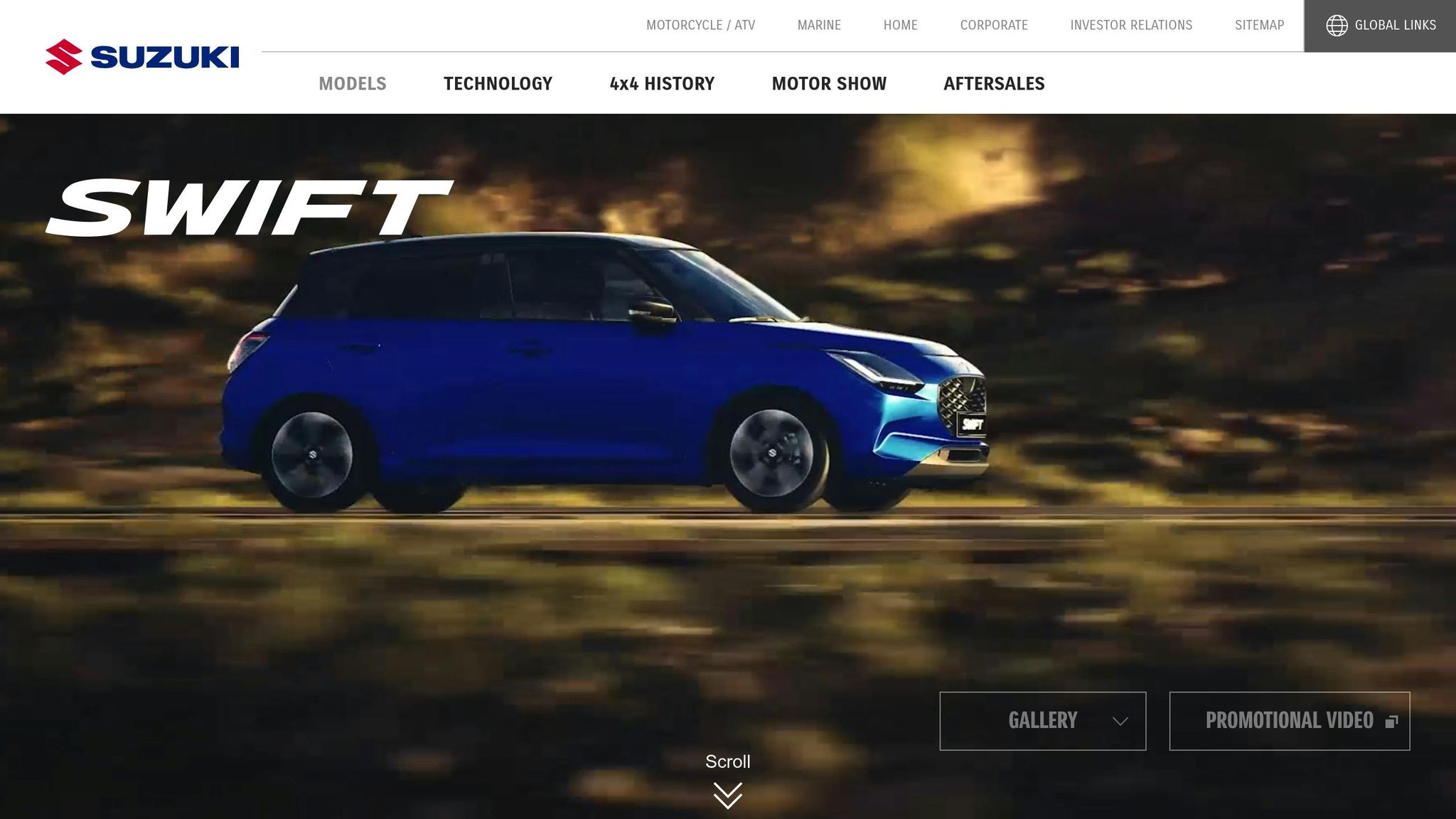
The Suzuki Swift has secured a solid foothold in Rwanda’s 2025 market by hitting the perfect balance of affordability and practicality, a combination that appeals strongly to the country’s growing middle class. With used models priced between $5,500 and $10,999, the Swift fits neatly into the price range that accounted for 43.82% of Africa’s used car market share in 2024. This compact hatchback has become a favorite among urban residents navigating Rwanda’s bustling cities and emerging secondary towns, where tight parking spaces and fuel efficiency often take precedence over off-road capabilities.
One of the Swift’s standout features is its low ownership costs, thanks to its lightweight HEARTECT platform. This design reduced the car’s weight by around 10% compared to earlier versions, directly improving fuel efficiency. Paired with the Dualjet engine and ENE-CHARGE technology, the Swift delivers an impressive fuel economy of up to 26.4 km/L (approximately 62 mpg). For buyers in Rwanda, models aged 3–5 years were particularly appealing in 2024, capturing 39.46% of the market share because they offered a balance of lower purchase prices and manageable maintenance needs. With Rwanda’s continued investment in infrastructure, the Swift remains a practical choice for both city commutes and trips to rural areas.
The Swift also aligns neatly with Rwanda’s growing emphasis on environmentally friendly initiatives. Its Smart Hybrid Vehicle by Suzuki (SHVS) technology incorporates a 12-volt or 48-volt Integrated Starter Generator, which supports acceleration and recovers energy through regenerative braking. While it’s a mild hybrid – meaning it can’t run solely on electric power – it still meets Euro 6d emission standards in many regions. Much like Toyota’s approach, Suzuki has tailored the Swift to meet the rising demand for efficient and affordable mobility.
Looking ahead to 2026, the Swift is likely to benefit from expanding vehicle-financing options from regional lenders and Rwanda’s zero-rate VAT on electric vehicles. However, its proven fuel efficiency and lower upfront costs ensure it remains a competitive option. With 10 million units sold globally since 2004, the Swift’s reputation for reliability resonates with buyers who value dependable transportation over the latest tech features.
While crossovers and compact SUVs are gaining popularity due to their higher ground clearance, the Swift’s compact size and ease of parking give it an edge in Rwanda’s increasingly crowded urban centers. As the country’s manufacturing and construction industries diversify its economy beyond agriculture – currently contributing about one-third of the GDP – the Swift stands out as an ideal choice for the expanding workforce in need of practical and economical transportation. With its mix of affordability, efficiency, and evolving green technology, the Suzuki Swift continues to shape Rwanda’s automotive market in meaningful ways.
5. Suzuki Grand Vitara
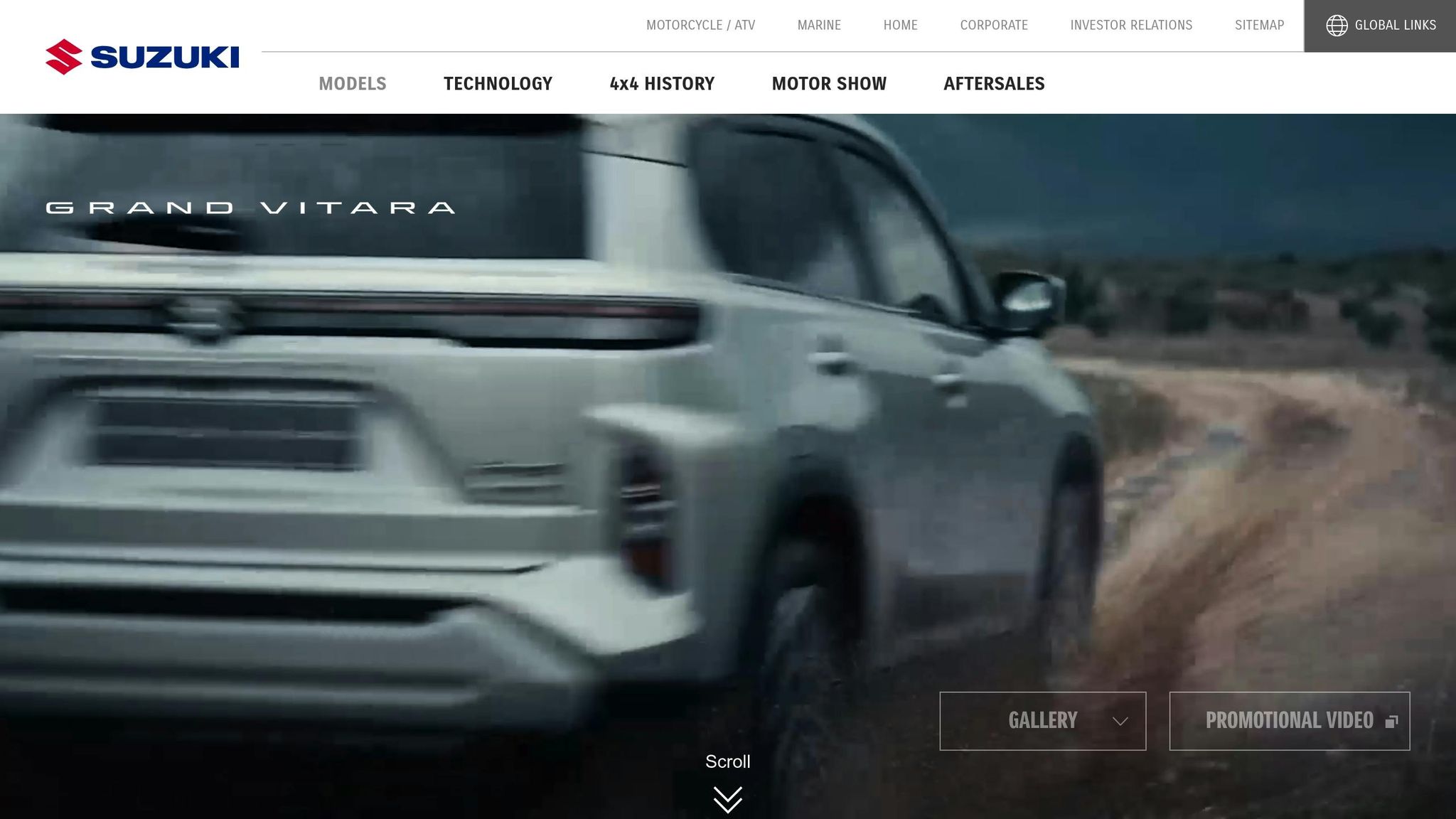
The Suzuki Grand Vitara has carved out a notable spot in Rwanda’s 2025 market, tapping into the growing demand for hybrid vehicles. It features a 1.5-liter petrol engine paired with an electric motor, offering an impressive 66 mpg and a "Pure Electric" mode ideal for short urban trips. This setup is particularly handy for navigating Kigali’s stop-and-go traffic, where regenerative braking on hilly roads helps recharge the battery.
Designed with traditional SUV aesthetics and boasting an 8.3-inch ground clearance, the Grand Vitara is well-suited for both city streets and rural paths. Pre-owned models are priced between $14,600 and $26,300, making it a more budget-friendly option in the hybrid SUV market compared to larger competitors. With a user satisfaction rating of 4.4 out of 5, the vehicle strikes a balance between premium features – such as a 360-degree camera, ventilated seats, and a panoramic sunroof – and affordable ownership costs.
Its low maintenance costs are another major draw. The first-year service averages just $32, and five-year maintenance expenses stay under $310, thanks to reasonably priced spare parts. Additionally, the hybrid battery is backed by an 8-year or 100,000-mile (160,000 km) warranty, providing peace of mind for buyers. This aligns well with Rwanda’s projected 6.6% GDP growth through 2025 and the increasing purchasing power of the middle class.
Building on this momentum, Suzuki is set to launch its first all-electric model, the e Vitara, in January 2026. This electric version will offer two battery options – 49 kWh and 61 kWh – with a range of up to 337 miles (543 km). It has also achieved a 5-star safety rating under the Bharat NCAP crash test program. While Rwanda’s charging infrastructure is still in its early stages, the availability of the hybrid Grand Vitara provides a practical alternative for buyers not yet ready to fully embrace electric vehicles.
The Grand Vitara’s success mirrors Rwanda’s broader shift from traditional internal combustion engines to eco-friendly alternatives. New hybrid SUVs are increasingly replacing older imported models in local dealerships like Akagera Motors. With its fuel efficiency, adaptability to varied terrains, and alignment with national environmental goals, the Grand Vitara is an appealing choice for both individual buyers and businesses looking to prioritize sustainability without compromising practicality.
sbb-itb-7bc66b5
6. BYD Dolphin
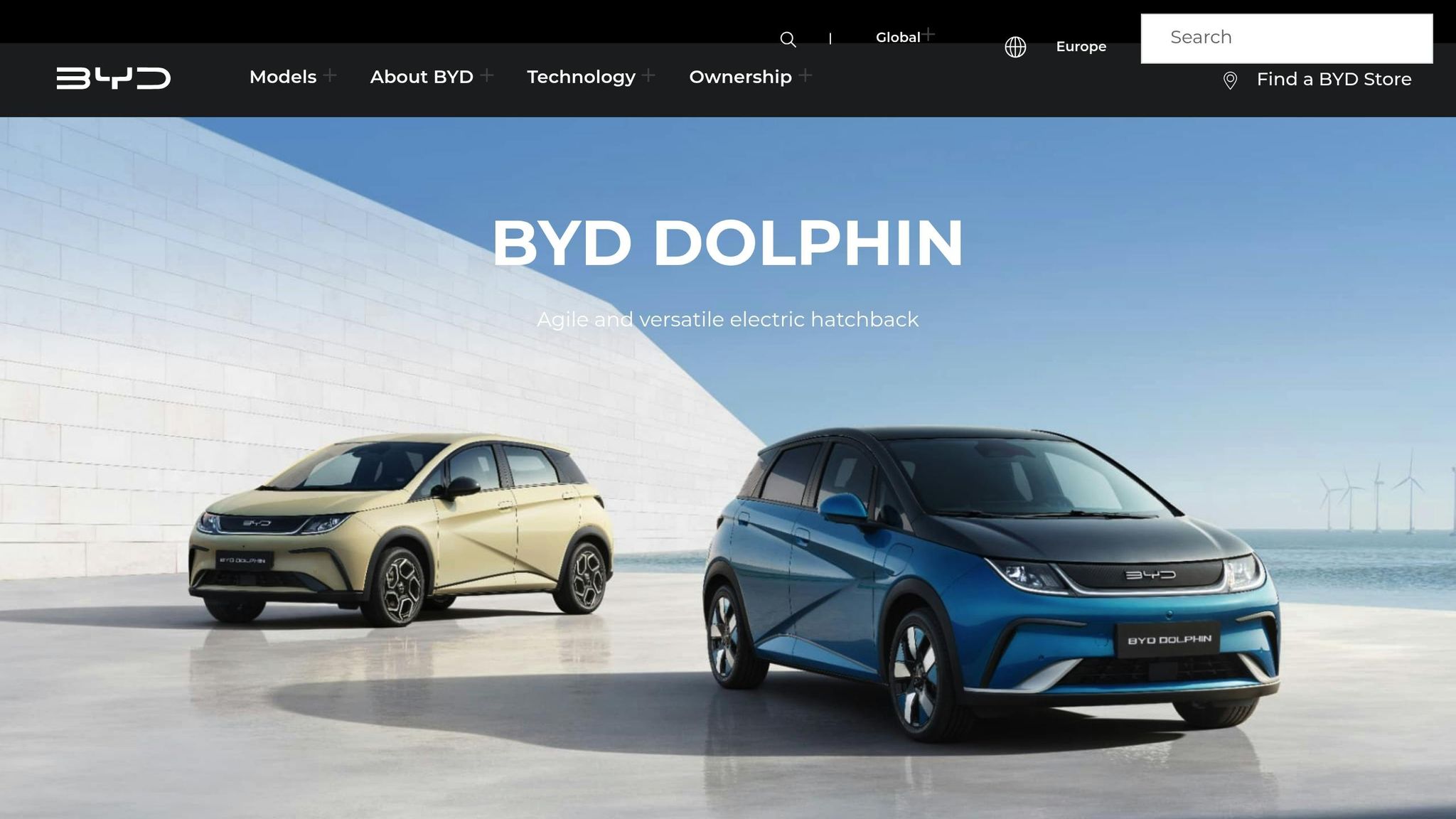
The BYD Dolphin made its debut in Rwanda’s 2025 EV market, signaling a step forward in the country’s push toward zero-emission transportation. Distributed through authorized dealers, the Dolphin is part of BYD’s New Energy Vehicle lineup, which also features plug-in hybrids like the Song Plus DM-i and other electric models. This lineup highlights the brand’s commitment to offering both cost-effective and environmentally friendly solutions.
When it comes to ownership costs, the Dolphin stands out. Digital tools now make it easier for buyers to compare the relatively stable costs of charging with the often unpredictable fluctuations of fuel prices. Globally, the EV market grew by 16.2% through October 2025, reaching a 16% market share. However, challenges like limited charging infrastructure remain barriers to wider EV adoption.
The Dolphin’s zero-emission design aligns perfectly with Rwanda’s eco-friendly transportation goals. This is especially impactful in a country where the mining sector – producing critical EV materials like coltan and tin – has been growing at an annual rate of at least 10% since 1999. Additionally, Rwanda’s investments in methane gas, geothermal energy, and hydropower are laying the groundwork for a more robust EV infrastructure.
BYD is making the transition to electric vehicles easier for consumers by offering direct test drive scheduling through its authorized dealers. The Dolphin is also a key part of BYD’s broader "Ocean" series in Rwanda, which includes specialized sub-brands like FangChengBao. Buyers can navigate seamlessly from the official BYD Rwanda portal to dealer websites to schedule test drives or finalize purchases. This streamlined process reflects BYD’s focus on making electric mobility accessible and appealing.
As Rwanda’s automotive industry continues to evolve, the Dolphin plays a pivotal role in advancing electric mobility, particularly for urban commuters and eco-conscious buyers. Its strong foothold in the 2025 market marks the start of a larger shift, as electric vehicles transition from niche options to mainstream choices, supported by a growing dealer network and a government dedicated to sustainable transportation.
7. Kia Sportage
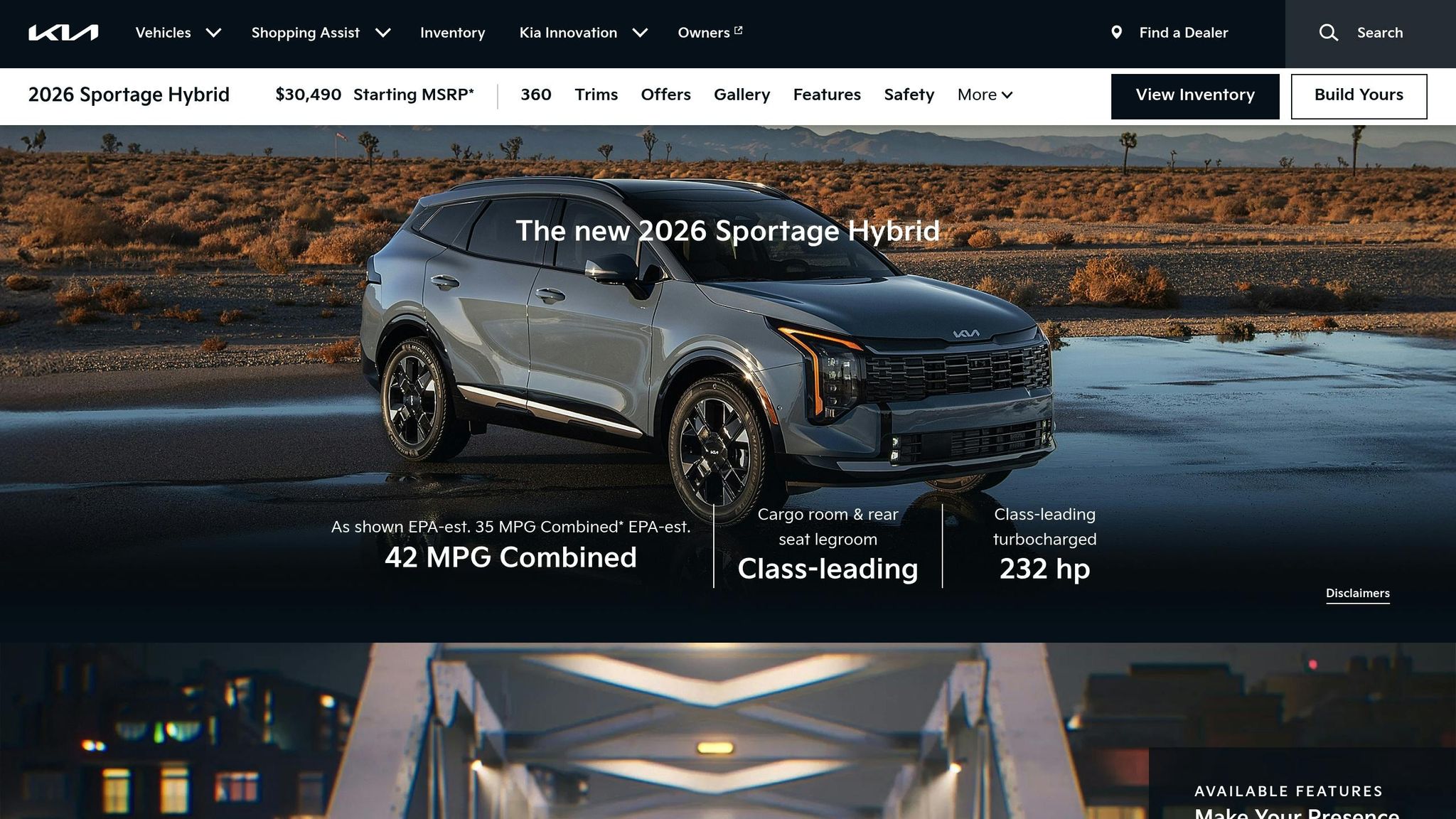
The Kia Sportage has carved out a strong presence in Rwanda’s 2025 automotive market, combining a forward-thinking design with practical features that resonate with urban professionals. Its sleek, futuristic styling stands out on Kigali’s streets, appealing to buyers looking for a modern alternative to traditional SUVs. Inside, dual 12.3-inch panoramic curved displays create an impressive 24-inch interface for navigation and vehicle diagnostics, blending style with functionality.
The Sportage offers options for a wide range of buyers. The base LX trim starts at $28,790 MSRP, while the premium X-Pro Prestige tops out at $39,690 MSRP. For fuel efficiency, the standard gasoline model delivers an EPA-estimated 33 MPG on the highway, while the Sportage Hybrid achieves an impressive 42 MPG combined. Given that Rwanda’s hybrid vehicle market grew 237 times between 2021 and 2024, the hybrid variant is well-positioned for continued success as the country moves toward 2026.
Designed to handle Rwanda’s diverse landscapes, the Sportage offers up to 8.3 inches of ground clearance and an Active All-Wheel Drive system with a Multi-Terrain Mode Selector for navigating snow, mud, and sand. Under the hood, a 2.5L 4-cylinder engine generates 187 hp and 178 lb-ft of torque, making it equally at home in city traffic or on rural roads. Practical features like 41.3 inches of second-row legroom, best-in-class cargo space, and a 2,500 lbs towing capacity ensure versatility for a variety of needs. The Digital Key 2.0 technology adds a modern touch, allowing owners to lock, unlock, and start the vehicle using their smartphones, with the ability to share access with up to three people.
Safety remains a top priority, with 15 standard driver assistance features, including Auto Emergency Braking with Junction Turning Detection and Parking Sensors. Convenience is further enhanced by Over-the-Air updates and the inclusion of a standard compact spare tire.
Looking ahead to 2026, the Sportage Hybrid is set to thrive as Rwanda continues to prioritize fuel efficiency without sacrificing capability. To support this growth, Akagera Motors has established a robust service network for Sportage Hybrid owners, ensuring reliability and peace of mind.
Strengths and Weaknesses Comparison
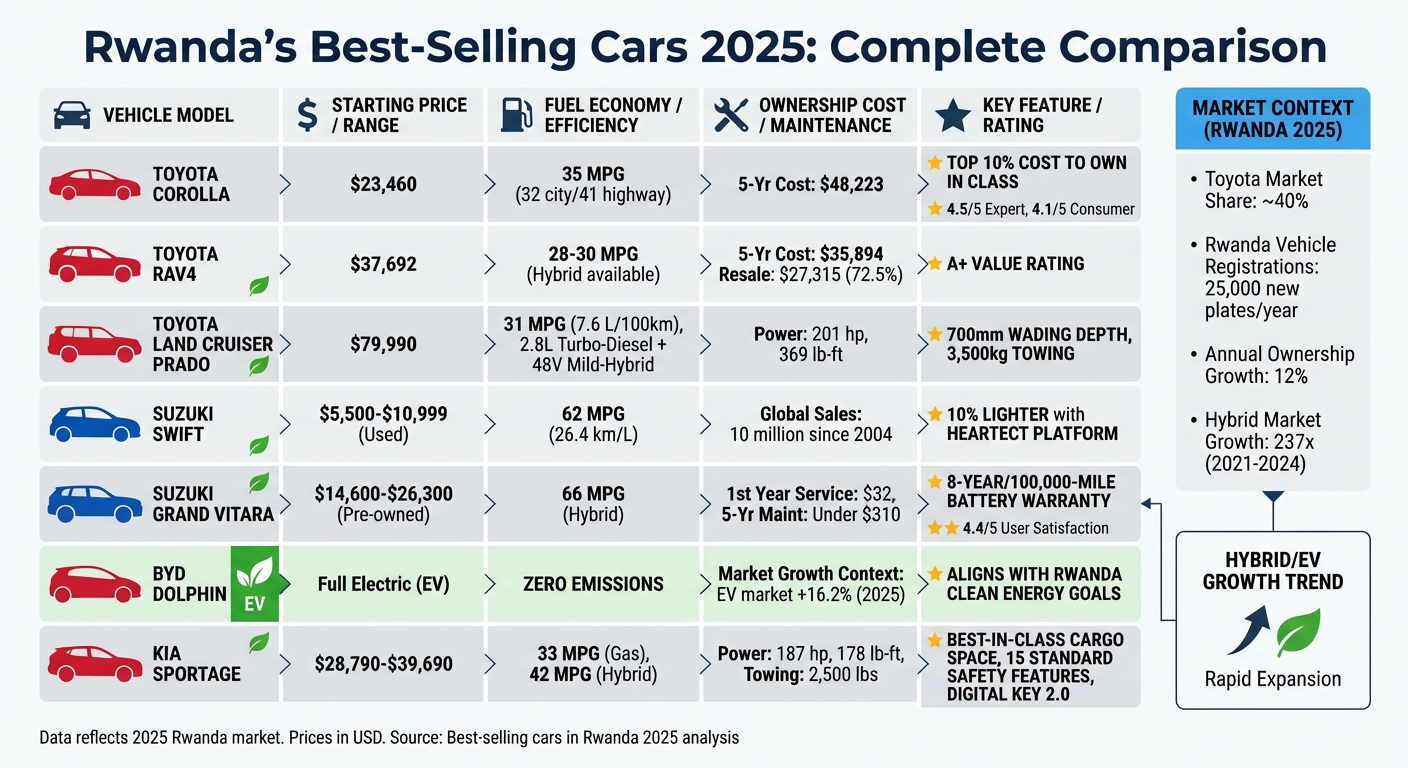
Rwanda’s Best-Selling Cars 2025: Price, Fuel Efficiency & Key Features Comparison
After reviewing individual models, let’s dive into how their strengths and challenges stack up against each other.
Toyota’s models stand out with their advanced technology and large-scale production. For instance, the RAV4 saw a 0.6% increase in global sales, while the Corolla held its ground in second place despite an 8.1% drop. However, rising prices caused by global chip shortages have started to limit Toyota’s product variety in Rwanda. Andrew Gilleland, Senior Vice President of Automotive Operations at Toyota Motor North America, highlighted the brand’s focus on affordability and choice, stating:
"Grateful for the strong response from our Toyota customers in 2025, which reflects our deep commitment to affordability and choice".
This resilience showcases Toyota’s ability to adapt, even in a shifting global market.
Electric vehicles like the BYD Dolphin are gaining traction, thanks to government subsidies and clean energy policies that continue to boost sales. These models align with Rwanda’s sustainability goals, appealing to environmentally conscious buyers. However, challenges such as supply chain disruptions and limited charging infrastructure remain significant hurdles .
Mid-range options, including the Suzuki Swift, Grand Vitara, and Kia Sportage, cater to a broad audience. Kia, for example, achieved eight straight years of retail growth through 2025, with the Sportage securing the 10th spot in global rankings, despite a slight 0.5% dip in sales . Suzuki and Kia benefit from competitive pricing supported by local production. Still, rising inflation and component shortages have driven up costs.
The used car market has seen a surge in demand as buyers look for more affordable options amidst climbing new-car prices. While these vehicles often lack the latest tech features and don’t qualify for government incentives offered for new EVs, they remain a practical choice for buyers prioritizing cost savings. These trends provide valuable insights into the shifting dynamics of Rwanda’s automotive market as 2026 approaches.
2026 Market Outlook
Rwanda’s automotive market is poised for transformation in 2026, driven by expanding infrastructure and shifting consumer preferences. Vehicle ownership is growing at an impressive 12% annually, with over 360,000 registered vehicles recorded by the end of 2024. The Rwanda Revenue Authority now issues around 25,000 new number plates each year – a stark contrast to issuing them every four years just a decade ago. These trends highlight a market evolving toward sustainability and local manufacturing.
Electric vehicles (EVs) are expected to gain momentum as the government ramps up clean energy initiatives to combat air pollution. This aligns with earlier import trends, positioning EV models like the BYD Dolphin to capture a larger share of the market. Established brands are also shifting their focus to hybrid and electric options, signaling growing consumer confidence in these technologies.
Alongside the rise of EVs, manufacturers are adjusting their strategies to focus on local production. The expansion of domestic assembly plants is anticipated to reduce costs and improve vehicle availability. By setting up local facilities, manufacturers aim to sidestep supply chain challenges and offer more competitive pricing. This shift complements the market’s existing trends of affordability and streamlined supply chains. With the middle class showing a strong preference for modern SUVs, nearly 30,000 new vehicles are expected to enter the market annually, many of which will include locally assembled options.
Infrastructure development is another key factor reshaping the market. Authorities are prioritizing road improvements to support the growing number of SUVs and electric vehicles, while also tackling urban congestion in Kigali. However, the global semiconductor shortage continues to limit product variety and drive up prices. Meanwhile, the used car market remains robust, appealing to cost-conscious buyers navigating rising inflation. Despite these challenges, the broader market is shifting toward innovation and enhanced road systems.
Conclusion
Rwanda’s automotive market in 2025 has been largely shaped by Toyota’s dominance, holding around 40% of the market share. Models like the Corolla, RAV4, and Land Cruiser Prado are widely appreciated for their dependability and overall value. Suzuki has also carved out a niche with urban buyers, thanks to the affordability and low running costs of the Swift and Grand Vitara. Additionally, the Kia Sportage offers a solid option for those seeking value in a compact SUV. On the horizon, the BYD Dolphin hints at a growing interest in electric vehicles, signaling a shift toward greener mobility solutions. These trends provide a clear roadmap for both buyers and industry players as they prepare for 2026.
For buyers planning their next vehicle purchase in 2026, aligning your budget with your driving needs is key. If you’re looking for a budget-friendly city car, options like the Toyota Corolla and Suzuki Swift are excellent choices. For mixed driving purposes, consider models like the Toyota RAV4 (starting around $71,000), Kia Sportage (approximately $60,000), or Suzuki Grand Vitara (roughly $33,000). Those with off-road requirements might lean toward the Land Cruiser Prado, while the BYD Dolphin is a promising electric option – provided you have dependable access to charging infrastructure.
For industry stakeholders, the focus should be on balancing the demand for traditional best-sellers with the growing interest in EVs. Maintaining inventory of popular models like the Corolla, RAV4, Swift, and Sportage is crucial, but so is introducing demo fleets of EVs to build consumer confidence. Offering financing options with lower down payments and extended terms can make vehicles more accessible, while keeping an eye on policy changes supporting low-emission vehicles will be essential. Global trends, such as the Toyota RAV4’s sustained popularity, reinforce the importance of reliability and value in Rwanda’s market.
With around 25,000 new vehicle registrations annually and ownership growing at a rate of about 12% per year, 2026 is poised to blend the strengths of established models with the rising momentum of innovation. Whether you’re buying your first car or managing a fleet, focusing on total cost of ownership, the availability of service networks, and evolving policy incentives will help ensure your investment remains sound in this dynamic automotive market.
FAQs
What incentives does the Rwandan government offer for hybrid and electric vehicles?
The Rwandan government has rolled out a range of tax incentives to promote the use of hybrid and electric vehicles (EVs). Fully electric vehicles enjoy the biggest perks, with import duties, customs duties, excise taxes, and value-added tax (VAT) completely waived. This means EVs are both duty-free and VAT-free until June 30, 2028. For vehicles priced over $60,000, customs duties are entirely exempt. Meanwhile, EVs priced below this amount face a reduced tariff of 25% instead of the usual rate.
Hybrid vehicles also benefit from lower excise duties, though the rates depend on the vehicle’s age. Models up to three years old are taxed at 5%, while those between three and eight years old are taxed at 10%. Older hybrids incur higher rates. However, unlike EVs, hybrids are no longer exempt from VAT. Despite this, the excise duty reductions help make hybrids more attainable.
Beyond vehicles, businesses involved in e-mobility can take advantage of a reduced corporate income tax rate of 15%. They may also qualify for rent-free land or special electricity rates to establish charging stations. These measures are designed to speed up the transition to eco-friendly transportation and are set to influence the market until at least mid-2028.
How does local car manufacturing affect prices and availability in Rwanda?
Rwanda’s automotive market is heavily dependent on imported vehicles, with used cars accounting for an overwhelming 80–90% of the market. The cost and availability of these vehicles are shaped by several factors, including import taxes, VAT exemptions for electric cars, and other customs-related fees.
Currently, large-scale local car manufacturing isn’t a part of Rwanda’s automotive landscape. Without domestic production or locally-produced models, it’s challenging to gauge how such efforts might influence vehicle prices or supply. That said, establishing local manufacturing could potentially lessen reliance on imports, making vehicles more affordable and accessible for Rwandans in the long run.
What is driving the growing popularity of electric and hybrid vehicles in Rwanda?
The growing interest in electric and hybrid vehicles in Rwanda owes much to robust government initiatives. Policies like tax-free and duty-free import systems have significantly lowered costs. For instance, electric vehicles (EVs) are completely exempt from VAT and customs duties, while hybrid vehicles benefit from reduced excise rates and lower withholding taxes. These measures make eco-friendly cars more accessible for both personal and commercial use.
Rwanda is also making strides in developing its e-mobility infrastructure. By the end of 2024, the country had 24 public charging stations and 49 battery-swap locations, with plans underway to add 38 more charging stations. Affordable models such as the BYD Dolphin and Toyota Prius are helping to drive adoption by offering substantial savings – drivers can save up to $840 annually on fuel and maintenance. Together, these developments are positioning electric and hybrid vehicles as a cost-effective and practical option throughout Rwanda.
Related Blog Posts
- How EV Imports Affect Used Car Sales in Rwanda
- Top 5 Compact EVs for Rwanda in 2025
- Top car brands in Rwanda
- Car Prices in Rwanda in 2025: What to Expect This Year