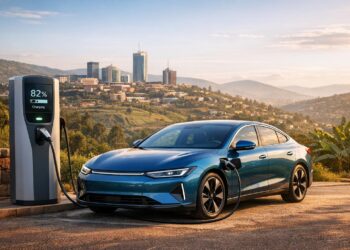
Owning a vehicle in Rwanda comes with a set of responsibilities — and vehicle insurance sits right at the top of that list. Whether you’ve just driven your first car off the lot, recently imported a second-hand vehicle, or have been on the road for years, understanding how vehicle insurance works in Rwanda is essential. It protects you financially, keeps you legally compliant, and gives you genuine peace of mind every time you turn the key.
This guide breaks down everything you need to know about insuring your vehicle in Rwanda — from the types of cover available and how much they cost, to how to choose the right insurer and what to do when you need to make a claim.
Why Vehicle Insurance Is Not Optional in Rwanda
Let’s start with the most important point: vehicle insurance is a legal requirement in Rwanda. Every motor vehicle operating on Rwandan roads must carry at minimum a valid third-party insurance policy. This is enforced by the Rwanda National Police, and vehicles found without valid insurance are subject to fines, impoundment, and legal consequences for the owner.
Beyond the legal obligation, insurance is simply smart financial planning. A single accident — even a minor one — can result in repair bills, medical costs, and legal liability that could run into millions of francs. Without insurance, those costs come entirely out of your pocket. With the right cover in place, your insurer carries the financial burden while you focus on getting back on the road.
Types of Vehicle Insurance Available in Rwanda
Not all insurance policies are the same. In Rwanda, vehicle owners can typically choose from several levels of cover, each offering different degrees of financial protection.
1. Third-Party Insurance (Assurance Responsabilité Civile)
This is the minimum legal requirement for all vehicles in Rwanda. Third-party insurance covers damage or injury caused to other people or their property as a result of an accident where you are at fault. Crucially, it does not cover damage to your own vehicle.
This type of policy is the most affordable and is widely used by motorcycle owners, older vehicles, and drivers who want basic legal compliance without a high premium.
2. Third-Party, Fire and Theft Insurance
A step up from basic third-party cover, this policy adds protection against your vehicle being stolen or damaged by fire — while still covering third-party liability. It’s a popular middle-ground option for drivers with vehicles of moderate value.
3. Comprehensive Insurance (Tous Risques)
Comprehensive insurance is the most complete form of vehicle cover available. In addition to third-party liability, fire, and theft, it covers:
- Accidental damage to your own vehicle (including single-vehicle accidents)
- Windscreen and glass damage
- Natural disaster damage (flooding, hail, falling objects)
- Personal accident cover for the driver
- In some policies, roadside assistance
If your vehicle is relatively new, high-value, or purchased on credit (where the lender may require full cover), comprehensive insurance is the sensible choice.
Who Regulates Vehicle Insurance in Rwanda?
Vehicle insurance in Rwanda is regulated by the National Bank of Rwanda (BNR), which oversees all insurance companies operating in the country. Only BNR-licensed insurers are authorised to issue valid vehicle insurance policies.
When purchasing insurance, always verify that the company you’re dealing with is licensed by the BNR. Buying from an unlicensed provider — or using a forged insurance certificate — is not only illegal but leaves you completely unprotected financially.
Which Insurance Companies Offer Vehicle Cover in Rwanda?
Several reputable, BNR-licensed insurance companies operate in Rwanda and offer motor vehicle insurance products. These include:
- SORAS (Société Rwandaise d’Assurances)
- RADIANT Insurance
- UAP Old Mutual Rwanda
- Prime Insurance
- Britam Rwanda
- Rwanda Fire and General Insurance Company (RFGI)
- CORAR (Compagnie de Réassurance de l’Afrique Rwandaise)
Each provider offers different premiums, coverage options, and customer service experiences. It pays — quite literally — to compare quotes before committing.
How Much Does Vehicle Insurance Cost in Rwanda?
Insurance premiums in Rwanda depend on a number of factors, including:
- Type of cover — third-party is cheapest; comprehensive is most expensive
- Vehicle make, model, and age — newer and higher-value vehicles attract higher premiums
- Engine capacity — larger engines typically mean higher premiums
- Vehicle use — private use is generally cheaper than commercial use
- Driver history — some insurers factor in claim history or driving experience
- Sum insured — for comprehensive cover, the declared value of your vehicle directly affects your premium
As a rough guide, third-party premiums in Rwanda can range from around 15,000 RWF to 60,000 RWF annually for private vehicles, while comprehensive premiums vary much more widely depending on the vehicle’s value. Always request a formal quote from at least two or three insurers before making a decision.
If you’re buying a used vehicle and want to factor insurance costs into your total budget, browsing listings on auto24.rw is a useful starting point — the platform features a wide range of second-hand vehicles across different price brackets, including popular models like the Toyota Fielder, Honda Fit, and Mitsubishi Outlander, giving you a realistic picture of vehicle values and how they might affect your insurance premium.
Step-by-Step: How to Insure Your Vehicle in Rwanda
Getting your vehicle insured is more straightforward than many drivers expect. Here’s how the process typically works:
Step 1: Gather Your Documents
Before approaching any insurer, make sure you have the following:
- National ID or Passport
- Vehicle Registration Certificate (Carte Rose)
- Technical Inspection Certificate (Visite Technique) — required for most policies
- Previous insurance certificate (if renewing or switching providers)
- Vehicle valuation report (required for comprehensive cover)
Step 2: Choose Your Level of Cover
Based on your vehicle’s value, your financial situation, and how you use the vehicle, decide whether third-party, third-party fire and theft, or comprehensive cover best suits your needs.
Step 3: Get Quotes from Multiple Insurers
Contact at least two or three licensed insurers — either in person at their offices or through their websites or agents — and request written quotations. Compare not just the premium amount but also what is and isn’t covered, the claims process, and the insurer’s reputation for paying out claims fairly and promptly.
Step 4: Complete the Proposal Form
Once you’ve chosen your insurer, you’ll fill out a proposal form providing details about yourself, your vehicle, and its intended use. Be accurate and honest — providing false information on an insurance proposal can result in a claim being rejected.
Step 5: Pay Your Premium
Premiums can typically be paid annually or, with some insurers, on a quarterly basis. Payment methods include Mobile Money, bank transfer, and cash at the insurer’s offices.
Step 6: Receive Your Certificate and Sticker
Once payment is confirmed, you’ll receive your insurance certificate and a windscreen sticker. The sticker must be displayed on your vehicle’s windscreen at all times. Keep the full certificate in your vehicle’s documents folder as well.
What to Do When You Need to Make a Claim
An insurance policy only delivers real value when you actually need to use it. Here’s what to do if you’re involved in an accident or your vehicle is stolen:
In the event of an accident:
- Ensure everyone’s safety first — move to a safe location if possible
- Call the Rwanda National Police to report the accident
- Exchange details with the other driver (name, contacts, registration number, insurance details)
- Take photographs of the scene, vehicle damage, and road conditions
- Notify your insurer as soon as possible — most require you to report within 24 to 48 hours
- Complete the insurer’s claim form and submit all supporting documents
In the event of theft:
- Report immediately to the nearest police station and obtain a police report
- Notify your insurer without delay
- Provide all requested documentation including the police report, registration certificate, and keys
Prompt reporting is critical. Delayed claims can be reduced or rejected entirely, so act quickly and follow your insurer’s specific process carefully.
Practical Tips for Getting the Most from Your Vehicle Insurance
Shop around every year at renewal time. Loyalty doesn’t always pay in insurance. Comparing quotes annually can save you a meaningful amount on your premium.
Declare your vehicle’s correct value. Under-insuring your vehicle to reduce your premium is tempting but costly — if you make a claim, the payout will reflect the declared value, not the actual replacement cost.
Keep your documents accessible but secure. Store your insurance certificate in your glove box, but keep digital copies saved on your phone or email in case the physical copy is lost or damaged.
Pay attention to exclusions. Every policy has conditions and exclusions — scenarios in which the insurer won’t pay out. Read your policy document carefully, particularly the exclusions section. Common exclusions include driving under the influence, using a private vehicle for commercial purposes without declaring it, and mechanical breakdown.
Maintain your vehicle properly. Some insurers may dispute claims if an accident is found to be caused by poor vehicle maintenance. Regular servicing, functional brakes, and road-worthy tyres aren’t just safety measures — they protect your right to claim. For vehicle maintenance guides and driving tips relevant to Rwandan roads, automag.rw is an excellent resource for local drivers.
Inform your insurer of any modifications. Fitting non-standard parts, changing your engine, or significantly modifying your vehicle without informing your insurer can void your policy.
Insuring Electric Vehicles in Rwanda
As Rwanda’s electric vehicle market continues to grow, insurance for EVs is an emerging and increasingly relevant topic. Electric vehicles present some unique insurance considerations — battery replacement costs, for example, can be significant, and not all standard motor policies are structured with EVs in mind.
If you’re considering importing or purchasing an electric vehicle in Rwanda, EV24.africa is a dedicated platform for electric car imports across Africa, offering drivers a pathway to sustainable mobility with a growing understanding of the regulatory and insurance landscape that comes with it. When insuring an EV, it’s worth specifically asking potential insurers whether their comprehensive policies cover battery damage and EV-specific components.
Renewing Your Vehicle Insurance
Insurance renewal in Rwanda follows an annual cycle. Your insurer should notify you before your policy expires, but don’t rely solely on that reminder — track your own renewal date and initiate the process at least two weeks in advance.
At renewal, you have the option to:
- Renew with your current insurer at the new year’s premium
- Switch to a different provider if you’ve found better value or service elsewhere
- Upgrade your level of cover if your circumstances have changed (e.g., you’ve bought a newer vehicle)
Note that driving with an expired insurance certificate — even by a single day — puts you in violation of Rwandan law. Don’t let renewal slip.
Frequently Asked Questions (FAQs)
Q: Is vehicle insurance mandatory in Rwanda? A: Yes. All vehicles operating on Rwandan roads are legally required to carry at minimum third-party insurance. Driving without it is a criminal offence.
Q: Can I insure a vehicle that is not registered in my name? A: Some insurers allow this under specific circumstances, but the registered owner’s details will typically be required. It’s best to confirm with your insurer directly.
Q: What happens if I’m in an accident with an uninsured driver? A: This is where comprehensive insurance particularly earns its value — it can cover your costs even when the other party has no insurance. With only third-party cover, recovery in this scenario becomes significantly more complicated.
Q: Does my insurance cover me when driving outside Rwanda? A: Standard Rwandan motor policies typically cover you within Rwanda. If you plan to drive into neighbouring countries, ask your insurer about a Yellow Card (COMESA Third Party Motor Vehicle Insurance), which provides cover across participating East and Central African countries.
Q: Can I pay my insurance premium in instalments? A: Some Rwandan insurers offer quarterly payment options. However, the full annual premium is typically required upfront by many providers. Confirm this with your insurer before assuming instalment payments are available.
Q: What is a no-claims discount? A: Some insurers reward drivers who go a full year without making a claim with a reduced premium at renewal. Ask your insurer whether they offer this benefit — it’s a strong incentive to drive carefully and avoid unnecessary minor claims.
Q: How long does it take to process a claim in Rwanda? A: Processing times vary by insurer and the complexity of the claim. Simple, well-documented claims can be resolved within days, while more complex cases involving significant damage or disputed liability can take several weeks.
Q: What documents should I always keep in my vehicle? A: At minimum, carry your insurance certificate, vehicle registration (Carte Rose), technical inspection certificate, and your national ID or driving licence at all times.
Final Thoughts
Vehicle insurance in Rwanda is not just a legal formality — it’s a financial safety net that every driver genuinely needs. The cost of being uninsured, even for a short period, can be far greater than any premium you’d pay in a year. With multiple licensed insurers offering a range of products at different price points, there’s a policy to suit virtually every vehicle and budget.
Take the time to understand what you’re buying, compare your options, and make sure your cover genuinely matches how and where you drive. When the unexpected happens — and on the road, it often does — you’ll be very glad you did.
Stay informed about vehicle ownership, insurance updates, and driving tips in Rwanda at automag.rw — your trusted automotive companion on Rwandan roads.