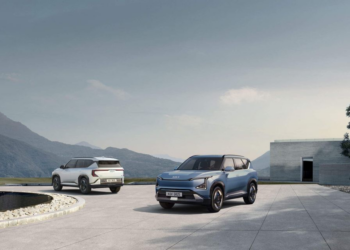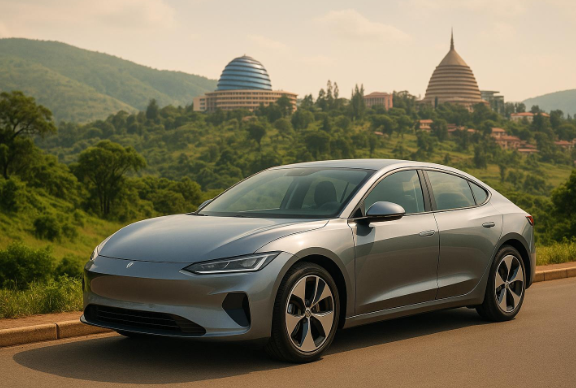
Rwanda is quietly becoming one of Africa’s most exciting markets for electric and hybrid vehicles. Between government tax breaks, cheaper electricity for charging, and a growing network of charging stations, the country has made it easier than ever to switch away from pure petrol or diesel cars. But the rules around who gets what incentive — and how long those incentives will last — can be confusing if you’re not following the policy closely.
This guide breaks down everything you need to know about hybrid and EV incentives in Rwanda, in plain language, so you can make a smart decision whether you’re buying your first car or upgrading your fleet.
Why Rwanda Is Pushing So Hard for Electric Mobility
Rwanda’s transport sector is a major source of fuel imports and greenhouse gas emissions, and the government has made e-mobility a central part of its long-term climate plan. The country is aiming to cut emissions significantly by 2030 and become carbon-neutral by 2050, and transport is one of the biggest levers available to get there.
To support that goal, the Rwanda Development Board and the Ministry of Infrastructure have rolled out incentives designed to make electric vehicles more attractive than conventional cars — and, more recently, to nudge buyers away from older hybrids toward fully electric options.
EV Incentives: The Biggest Perks on the Market
If you’re considering a fully electric vehicle, Rwanda currently offers some of the most generous incentives in the region:
- Zero import duty on electric vehicles and their charging equipment.
- Full VAT exemption, along with exemption from excise duty and withholding tax.
- These exemptions are locked in until June 30, 2028, giving buyers a solid window to take advantage of lower upfront costs.
- Green license plates for EV owners, which come with free parking and exemption from congestion charges in designated zones.
- Subsidized electricity tariffs for EV charging, roughly half the standard rate, making day-to-day running costs much cheaper than fuel.
- Public institutions are now required to make at least 30% of their vehicle purchases fully electric, a signal of how serious the push toward EVs has become.
Together, these incentives can shave thousands of dollars off the total cost of owning an EV compared to a similar petrol car, especially once you factor in fuel savings over several years.
Hybrid Vehicles: Incentives Have Changed
Hybrids used to enjoy the same generous treatment as EVs in Rwanda, but that has shifted. As part of the government’s effort to discourage the import of very old, high-mileage hybrids, a new age-based tax structure now applies:
- Hybrids aged 0–3 years: 5% excise duty
- Hybrids aged 3–8 years: 10% excise duty
- Hybrids older than 8 years: 15% excise duty
- All hybrids are also subject to 18% VAT and a 5% withholding tax
- Hybrids still keep a 25% import duty exemption, which is lower than the standard rate applied to purely fuel-powered vehicles
In short, hybrids are still cheaper to import than a regular petrol car, but they no longer match the tax-free status of fully electric models. If you’re comparing a newer hybrid against an older one, the age-based excise duty makes a real difference in your final import bill, so it’s worth checking a vehicle’s manufacture year carefully before committing.
Practical Tips for Buyers Weighing EV vs Hybrid
Choosing between an EV and a hybrid in Rwanda isn’t just about the tax bill. A few practical factors matter too:
- Think about your daily driving range. Kigali’s charging network has expanded a lot, with dozens of public charging points and battery-swap stations, but if you frequently drive to more rural areas, a hybrid’s fuel backup can offer peace of mind.
- Check the battery health before buying a used hybrid or EV. Battery degradation affects range and resale value, so ask for a battery health report or have a mechanic check it during inspection.
- Factor in maintenance costs. EVs generally have fewer moving parts and lower servicing costs over time, since there’s no engine oil, timing belt, or exhaust system to maintain. Hybrids need both electric and combustion-engine care, so budget accordingly.
- Watch tire wear. Electric and hybrid vehicles are heavier due to their batteries, which can wear tires faster. Rotating tires regularly and checking pressure monthly helps extend their life and keeps your energy consumption efficient.
- Charge smart. Avoid letting an EV battery sit at very low charge for long periods, and where possible, use a home or standard charger for daily top-ups rather than relying only on fast chargers, which can add extra wear over time.
Where to Find the Right Car for These Incentives
Once you know which incentives apply to you, the next step is finding the right vehicle. If you’re looking for a used hybrid or electric car already available on the local market, auto24.rw is a good place to start, with a range of second-hand hybrid and petrol models listed by local sellers that you can compare on price, mileage, and year — all useful details given how much the age-based hybrid tax now matters.
For buyers who want to import a brand-new electric vehicle directly and take full advantage of the zero-tax window running until 2028, EV24.africa offers import options for electric cars, expanding the choices available to Rwandan drivers beyond what’s currently on the local resale market.
And if you want to stay on top of the latest policy updates, car reviews, and driving tips relevant to Rwandan roads, automag.rw is worth bookmarking — it’s a great resource for keeping up with how these incentives evolve, since the Ministry of Finance reviews them annually.
A Few More Car Care Basics Worth Knowing
Whether you end up with an EV, a hybrid, or a conventional car, a few habits go a long way toward protecting your investment:
- Service on schedule. Even EVs need regular checks on brakes, suspension, and cooling systems for the battery.
- Keep documentation organized, especially import papers and tax exemption certificates, since these matter for resale and any future incentive claims.
- Wash and protect the undercarriage during Rwanda’s rainy seasons, as mud and moisture can affect both battery housings and traditional engine components over time.
- Plan charging or fueling stops before long trips outside Kigali, since infrastructure is still expanding in more remote areas.
Final Thoughts
Rwanda’s incentive structure clearly favors fully electric vehicles right now, with tax exemptions running until 2028 and extra perks like free parking and cheaper electricity. Hybrids remain a reasonable middle ground, especially newer ones, though they no longer enjoy the tax-free status they once had. Whichever route you choose, understanding these incentives — and shopping smart — can save you a significant amount of money.
Discover more car care tips, ownership guides, and the latest Rwandan automotive news on automag.rw, browse available second-hand options on auto24.rw, or explore new electric import options through EV24.africa.