Rwanda Electric Public Transport is expanding in Kigali, raising questions about how electric buses could perform on the capital’s hilly roads while reducing transport emissions.
Could Rwanda’s Hillside Roads Benefit From More Electric Public Transport?
Rwanda’s hilly landscape makes urban transport a particularly interesting environmental challenge. Kigali is built across rolling terrain, with buses regularly climbing and descending roads connecting different neighbourhoods. As the country expands electric public transport, the technology could change how commuters and motorists experience these routes.
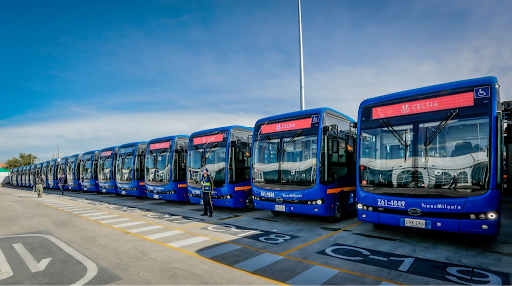
The growth of Rwanda Electric Public Transport is already underway. The government has been expanding electric buses in Kigali while developing charging infrastructure and dedicated bus lanes. In August 2026, Rwanda opened a tender for 34 fully electric eight-metre city buses as part of a wider e-mobility charging infrastructure project.
Why Kigali’s Hills Make Bus Technology Important
Kigali’s steep roads place different demands on public transport vehicles compared with flat urban routes. Buses must repeatedly accelerate uphill and manage speed safely on descents, particularly when carrying many passengers.
Electric buses use electric motors that can deliver strong torque from low speeds, which can be useful when starting on inclines. Regenerative braking can also recover some energy when the vehicle slows down, potentially making stop-and-go urban routes more efficient.
However, actual performance depends on factors such as battery capacity, passenger load, gradient, weather, driving style and charging availability. A bus designed for relatively flat routes may therefore need different specifications for Rwanda’s hilly urban environment.
Electric Buses Are Already Expanding in Kigali
The transition is moving beyond small pilot numbers. In April 2026, Kigali announced plans to introduce about 50 electric buses, with 20 scheduled for deployment initially across routes receiving extended dedicated bus lanes. Officials said the additional buses were needed partly because buses would operate more frequently on the dedicated corridors.
The government has also set an ambitious direction for the wider fleet. Rwanda’s Ministry of Infrastructure has said public transport buses in Kigali are expected to become electric by the end of 2026.
For Rwanda Electric Public Transport, this means the challenge is no longer simply introducing electric vehicles. The country must build a reliable system around them.
Charging Infrastructure Is Essential
More electric buses require more than buying vehicles. Depots need suitable charging equipment, electricity connections, maintenance facilities and operational planning.
Rwanda’s urban mobility programme includes electric-bus procurement, charging infrastructure, regulations and an e-mobility master plan. The wider Kigali Urban Mobility Improvement Project also aims to support cleaner transport while improving public transport, walking and cycling infrastructure.
This is especially important on hilly routes because high energy demand can vary considerably depending on the route profile and passenger load. Transport planners need to understand how frequently buses must recharge and where charging facilities should be located.
Dedicated Bus Lanes Could Improve Efficiency
Electric buses could have a greater environmental benefit if they spend less time stuck in traffic. Kigali has been expanding dedicated bus lanes, with four routes receiving extended lanes in April 2026. The system was designed to allow buses to operate more frequently and reduce delays caused by congestion.
This matters because an electric bus still consumes energy while moving through repeated stops and starts. Giving buses priority can make scheduled public transport more predictable and potentially encourage more people to leave private cars at home.
That could reduce the number of vehicles using congested hillside roads while making better use of each electric bus.
Fewer Emissions Could Benefit Urban Areas
Transport emissions are another reason Rwanda is expanding electric mobility. Kigali’s broader mobility programme identifies air pollution and emissions as challenges, while planned investments in electric buses are intended to support cleaner urban transport.
For residents living near busy roads, reducing exhaust emissions could be particularly relevant. Electric buses have no tailpipe exhaust emissions during operation, although their overall environmental impact also depends on electricity generation, battery production and vehicle manufacturing.
Rwanda Electric Public Transport therefore works best as part of a wider environmental strategy that includes cleaner electricity, efficient vehicles, better public transport routes and reduced dependence on private cars.
What Hillside Roads Could Mean for Future Buses
Rwanda’s terrain should remain an important consideration when choosing future electric buses. Vehicles operating on steep routes may need appropriate battery capacity, regenerative braking capability, reliable thermal management and strong braking systems.
Maintenance will also remain important. Electric buses eliminate many conventional engine components, but they still require attention to tyres, brakes, suspension, cooling systems, batteries and electrical components.
For motorists, the growth of electric buses could also change traffic patterns as dedicated lanes and improved public transport encourage more shared mobility. Drivers should pay particular attention around bus lanes, junctions and steep sections where buses may operate frequently.
Car owners exploring vehicles suited to Rwanda’s changing transport environment can also browse options throughAfriCarGroup Auto24 .
Conclusion
Rwanda Electric Public Transport is moving from a limited introduction toward a much larger transformation of Kigali’s bus system. The city’s hills create specific technical and operational challenges, but electric buses combined with dedicated lanes, suitable charging infrastructure and effective route planning could support cleaner urban mobility.
The success of the transition will depend not only on how many electric buses Rwanda purchases, but also on whether those buses are properly matched to Kigali’s steep roads, passenger demand and charging requirements.
CTA:
Do you think electric buses can handle Rwanda’s steep urban roads effectively, or should Kigali focus first on improving road and charging infrastructure? Share your thoughts in the comments.